
REVIEW · LONDON CITY TOURS
London: Hidden Baker Street Tube Station Tour
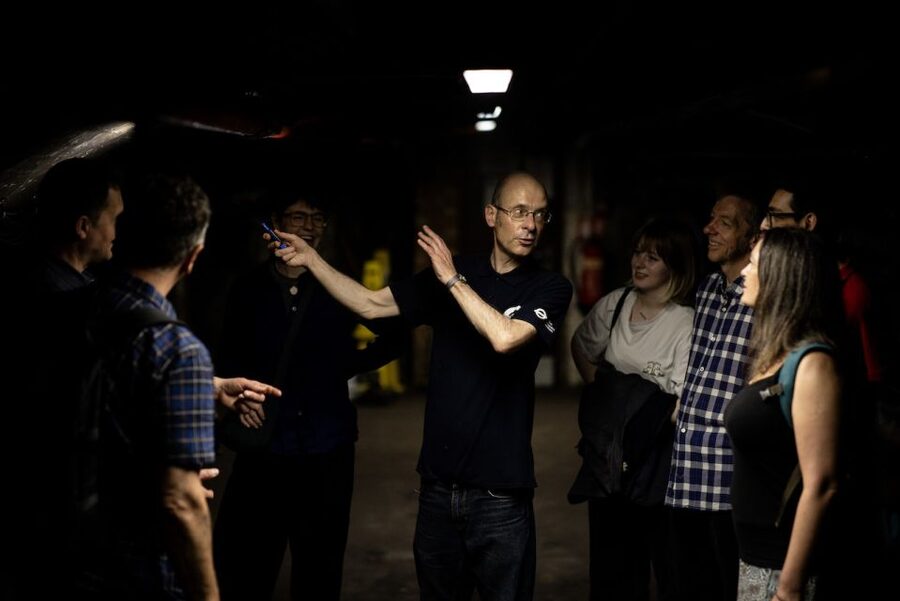
Baker Street has underground secrets. This Hidden London tour takes you inside Baker Street Station to see spaces the public rarely visits, including corridors and lift shafts last used around 75 years ago.
What I like most is the chance to spot working-life details like the staff rifle range and to follow stories around the station’s role as the Underground’s operational headquarters. I also love how the guide connects what you’re seeing to the earliest days of steam-era rail travel.
One thing to consider: this tour is a lot of walking in low light with stairs and uneven ground, and there are no elevators, so it is not a fit for everyone.
Key highlights you will actually care about
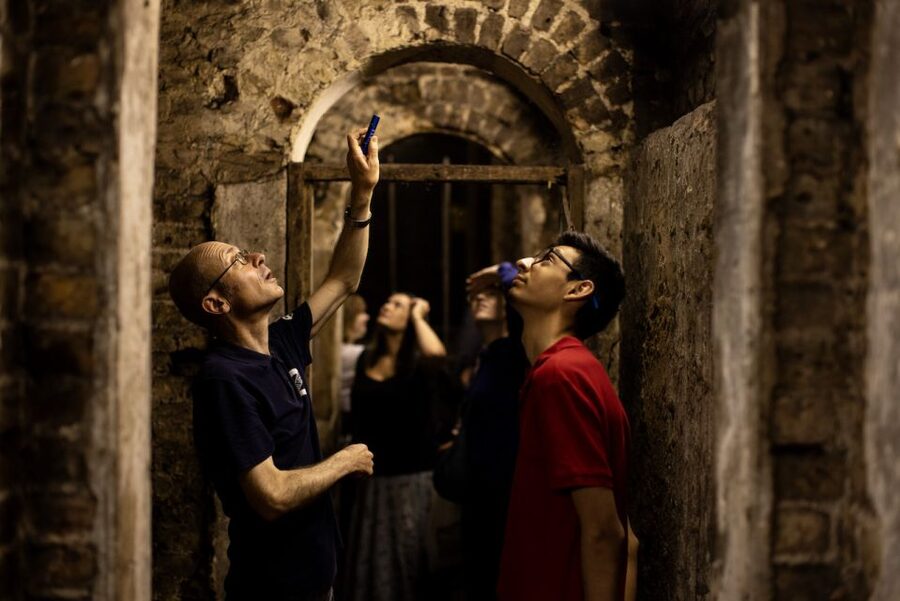
- Exclusive access to hidden station areas, including spaces last seen by the public decades ago
- Victorian-era steam travel context, starting from the Underground’s origins in 1863
- Baker Street Station’s operational headquarters story, not just tourist facts
- Closed-off platforms, old lift shafts, and hidden corridors, some in the station for generations
- Guides such as Anthony, Sophie, or Pat, praised for keeping the tour organized and engaging
Where you start at Baker Street, and how the tour sets the mood fast
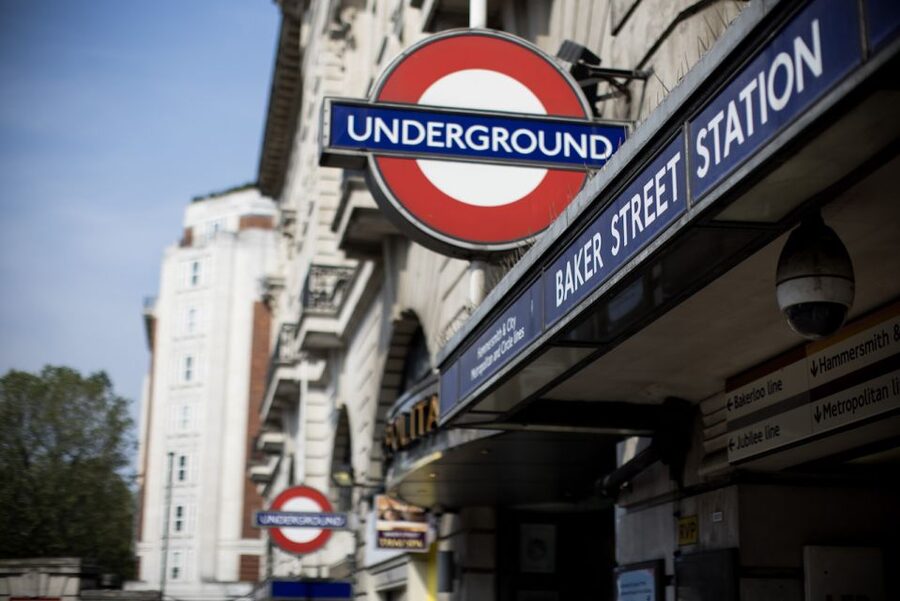
You meet your guide outside Baker Street Underground Station, in front of the Sherlock Holmes statue. That matters, because it’s a quick way to orient you in one of London’s most famous spots, without spending your first minutes hunting for the tour group.
From there, the tone shifts. Instead of wandering through a museum gallery, you’re moving through a working transport space. You’ll get explanations as you pass specific station features, and you’ll hear how Baker Street became part of the story of putting trains underground in the first place. This is what makes the experience feel different from a standard “history of the Underground” walk. You’re learning the ideas, then spotting the physical clues.
The tour is 85 minutes. That’s long enough to cover multiple station areas, but short enough that you do not need to plan your whole day around it. It’s also a good length if you already did the main London sights earlier in the day, and you want something that feels specific to London’s infrastructure.
One practical note: the Hidden London format here is not about casual sightseeing. The tour involves walking in areas with uneven ground, low lighting, and stairs. So your day plan should include comfortable, grippy shoes and a little patience for moving at a human pace through older station spaces.
If you want a hands-on feel for how the Underground operated and expanded over time, this start-and-shift approach is exactly what you’re paying for.
You can also read our reviews of more tours and experiences in London.

1863 origins at Baker Street Station, and why it matters to you
Baker Street opened on January 10, 1863, as part of the Metropolitan Railway. The idea was simple to say, harder to do: carry passengers beneath Victorian London’s crowded streets. On this tour, you’re not just told that this was revolutionary. You learn what problem it solved, and you see how that early thinking shaped what the Underground became.
You will hear about the earliest passengers and what they thought of underground travel in 1863. Even if you’ve read general Underground facts before, this angle helps you understand the Underground as a real-world engineering and public-experience challenge, not just a name on a map.
And there’s another reason this time period is worth your attention. London’s transport story isn’t static. It changes with technology, demand, and how stations are run day to day. Baker Street is especially relevant because it grew into an important operational hub, not merely a stopping point. That theme keeps showing up as the tour moves into the station’s behind-the-scenes areas.
You’ll also get the big timeline in plain language, including how the system expanded over the following decades and how Baker Street served both passengers and Underground staff. When the guide ties those changes to what you’re looking at inside the station, it clicks. You start seeing the Underground as a living system with places built for people to do jobs, fix things, move equipment, and manage traffic.
If you’re the kind of traveler who likes your history to have physical evidence, this is a great match. If you prefer postcard views and open-air walking only, you might find the station setting a little more intense than you expected, but the payoff is real.
Hidden platforms, lift shafts, and corridors last seen decades ago
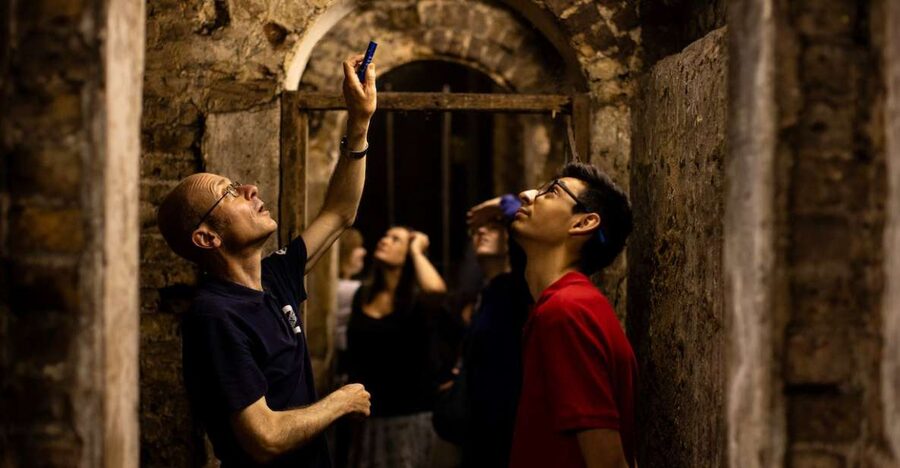
The headline promise here is exclusive access to areas of Baker Street Station that have not been used by the public for around 75 years. That’s what turns this into more than a lecture. You’re walking through station spaces that most people never see, including elements described as hidden in plain sight.
Among the spaces you will look for:
- Original platforms and closed-off station sections
- Old lift shafts you can only understand once you see their purpose in context
- Corridors that were last accessed by the public as far back as 1945
What I find valuable is how the guide helps you interpret these features. Lift shafts and corridors sound like abstract “behind the scenes” parts, but you start to picture why they existed in the first place. Even without getting engineering details beyond what’s explained on the tour, you’ll leave with a stronger sense of how station operations were organized.
Another thing that makes these moments work is the contrast. You are in one of the busiest travel hubs in London, and yet you’re moving into corners where time feels paused. Low lighting and a sense of older construction add to that feeling, but the guide keeps it practical, pointing out what you’re seeing and connecting it to how the Underground evolved.
There is also a subtle thrill in simply being able to follow a path that the public does not normally take. It turns your “Underground lines on a screen” mindset into something more tactile. You’ll understand Baker Street as an environment with layers, not one uniform space.
Just be honest with yourself about the physical experience. The tour notes that you’ll be in low lighting and on stairs, with uneven ground. The hidden areas are not staged like an easy museum route. You’ll need to move carefully and keep an eye on your footing.
Staff headquarters, stories from the people, and the staff rifle range moment
This tour does not treat Baker Street as a set. It treats it as a workplace with a past. That’s where the operational headquarters theme lands hard.
You’ll learn how Baker Street functioned as the operational headquarters of the London Underground. That means it wasn’t only about selling tickets and moving passengers. It was about controlling the machine, supporting staff, and keeping the system running over time.
Then you get the human side. The guide shares stories of the staff who worked there over the years. You’ll hear first-hand style accounts based on the London Transport Museum archive and collection, so the narrative feels grounded rather than guessed.
And then there’s the feature that many people remember quickly: the staff rifle range. It’s one of those details that sounds surprising until the guide explains it in context. You’ll see it as part of the wider station life, not as a random “look at this weird thing” stop.
If you’re used to Underground history as an “infrastructure and dates” topic, the staff focus changes your perspective. It helps you understand that major transit systems are also about people doing roles that never make it into tourist photos. When the guide talks about staff who both worked and played in the space, the station feels less like a relic and more like a real place where lives happened.
One practical advantage of this portion of the tour is that the stories also help you remember what you saw. When you connect a corridor or platform element to a staff job or routine, your brain files it away faster. By the time you reach the hidden corridors and old shafts, the earlier parts of the tour make the whole station feel like a coherent story instead of disconnected facts.
The guides: organization, character, and why it improves the hidden-access experience
With a tour like this, the guide is not just delivering information. They are managing movement through tight, uneven, and low-lit spaces. You need a guide who keeps the group together and explains what you should look for before you step into the next section.
That’s where the guide praise matters. You’ll find a pattern that guides like Anthony, Sophie, and Pat are singled out for being engaging and organized, and for bringing lots of energy to the story. Even better, the tour is described as well organized, which is exactly what you want when a route includes stairs and uneven ground.
You should also know the tone of the experience. It’s not silent walking with a headset. It’s a guided walk with a live English-speaking guide, built around conversation and explanation. That helps because in the hidden spaces, it is easy to miss what matters if you’re just looking around without context.
The guide also uses the London Transport Museum’s archive and collection. That gives the stories a sense of authority, and it keeps the tour from turning into random station trivia. You’ll also hear facts about how passengers reacted when underground travel started and how the Underground grew afterward, which helps you place Baker Street in the bigger London network.
If you like tours where you learn something new but also feel like you’re being guided safely through the space, this is a strong format. If you are the type who gets impatient in small groups or dislikes any kind of enforced pacing, you may find the moving parts more demanding than a standard city walking tour.






Practical realities: shoes, stairs, low light, and who should rethink it
This tour asks for comfortable planning. Not complicated planning, just realistic expectations.
What to bring:
- Comfortable shoes
- Water
- Passport or ID card
What is not allowed:
- Food and drinks
- Luggage or large bags
- Open-toed shoes
Also, there are some important fit considerations:
- Children under 10 years are not suitable
- People with mobility impairments are not suitable
- People with claustrophobia are not suitable
- The tour notes low lighting and uneven ground, plus stairs
- There are no elevators
So what does that mean for you? Wear shoes you could walk several blocks in without thinking. Avoid sandals. Think “secure grip and ankle comfort,” not style.
Plan to keep your bag small. Because there is no mention of storage for luggage, it’s best to travel light. If you’ve been touring all day, this is a reminder to not over-pack your “just in case” bag.
And consider the claustrophobia note seriously. Hidden corridors and older station areas can feel tighter than what you expect from a modern station. Even if you’re not strongly claustrophobic, if the idea of low lighting and confined spaces makes you uneasy, this may not be the right choice.
On the upside, the rules about shoes and bags are practical. They keep the route moving and safer for everyone. With a guided tour, that matters. Less fumbling equals more time spent understanding what you’re seeing.
Price and value: is $60 worth 85 minutes of hidden Underground?
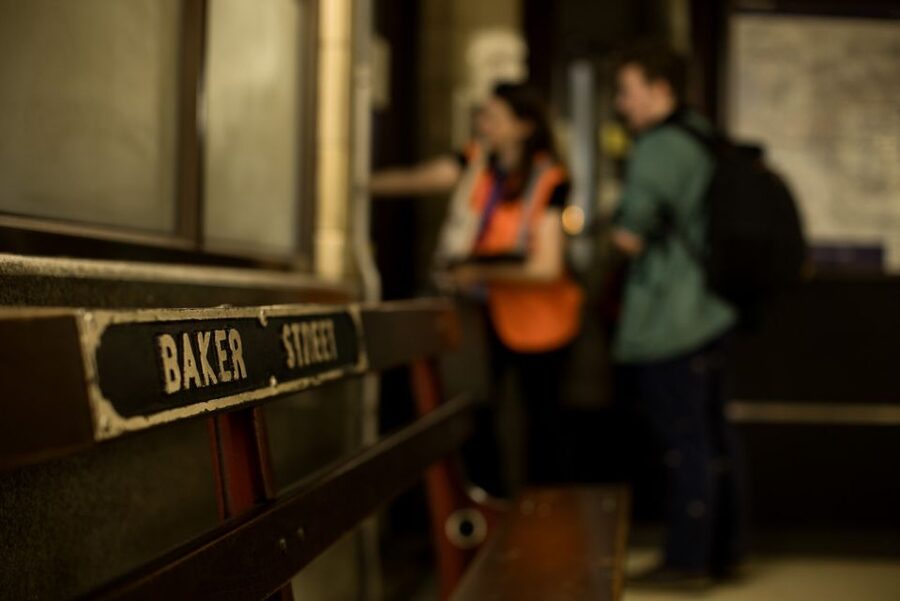
At $60 per person for 85 minutes, this tour is not the cheapest thing you can do in London. But it’s also not priced like a generic guided walk. You’re paying for access and explanation.
Here’s where the value comes from:
- Exclusive access to areas of Baker Street Station the public does not normally visit
- Parts of the station described as unused by the public for around 75 years
- Spaces like old lift shafts and corridors last accessed as far back as 1945
- A London Transport Museum guide using its archive to connect stories to physical evidence
If you’ve ever toured a place and thought, “Okay, but I wish I could actually see the working bits,” this is the kind of experience that delivers that itch. It’s also a solid option if you already know the broad Underground story and want something more grounded in what still exists inside the station.
If you’re traveling with limited time, the 85-minute length is a helpful trade-off. You get a focused experience without turning the day into a long logistics puzzle. And because it’s a station-based tour, it slots nicely into a London itinerary day built around central sights.
The main reason value might not land for everyone is physical. Since the tour includes stairs, uneven ground, and low lighting, it can be harder work than a typical walking tour. If you are not comfortable with that, the experience may feel less enjoyable than it should.
Who should book this tour, and who should skip it
I think this tour is best for:
- People who love London history, but want it tied to places you can point to
- Travelers who enjoy behind-the-scenes stories about how a system actually works
- Anyone curious about the Underground’s early era starting in 1863
- Visitors who like guided tours with clear structure and strong storytelling
You might want to skip it if:
- You need step-free routes or elevators
- You have mobility limitations that make uneven stairs risky
- You have claustrophobia and you know the hidden corridor concept will stress you out
- You want open-air scenery and wide sidewalks only
Also, if you’re coming with kids, pay attention to the age guidance. Children under 10 are not suitable, and the tour notes a maximum of four children aged 10 to 15 per adult.
Should you book the Hidden Baker Street Tube Station Tour?
Yes, I’d book it if you want a genuinely different London transit experience. This is not just a history stop. It’s a chance to see station areas described as unused by the public for around 75 years, and to hear staff-focused stories and early passenger reactions tied to what’s still in front of you.
Skip it if the physical demands or the low-light, stair-heavy route would make the day unpleasant. In that case, you’ll be happier with an easier Underground-themed activity where you stay in more open spaces.
If you do book, go with secure shoes, a light bag, and a “pay attention to details” mindset. You’re going into the Underground’s working layers, and when you do that, the whole tour starts to feel like a working narrative, not a one-hour lecture.
More Tours in London

More Tour Reviews in London
Not for you? Here's more nearby things to do in London we have reviewed










More London City Tours worth a look.
 ★ 4.6The London Eye Entry TicketTickets from $3935,875 guest reviews
 ★ 4.7From London: Harry Potter Warner Bros Studio TourTickets from $11726,588 guest reviews
Westminster to Greenwich River Thames CruiseTickets from $2222,836 guest reviews
Magical London: Harry Potter Guided Walking TourTickets from $2022,044 guest reviews
★ 4.7From London: Harry Potter Warner Bros Studio TourTickets from $11726,588 guest reviews
Westminster to Greenwich River Thames CruiseTickets from $2222,836 guest reviews
Magical London: Harry Potter Guided Walking TourTickets from $2022,044 guest reviews
 ★ 4.6Madame Tussauds LondonTickets from $3620,915 guest reviews
 ★ 4.5Stonehenge, Windsor Castle, and Bath from LondonTickets from $11118,662 guest reviews
 ★ 4.7Warner Bros. Studio Tour with TransfersTickets from $14417,586 guest reviews
 ★ 4.7Tower Bridge Entry TicketTickets from $2115,560 guest reviews