
REVIEW · JACK THE RIPPER TOURS
Jack the Ripper Private Day Time Walking Tour
Jack’s trail is closer than you think. This private daytime walk through Whitechapel turns the 1888 murders into real street corners, markets, and buildings you can actually stand in front of. I especially like the way the guide keeps the story grounded in local context, not just gore.
I also like that it is truly at your own pace since it is private, so you can pause for questions or a breather without feeling rushed. Still, plan on solid walking in East London, and some stops are ticketed while others are free or not included, so it helps to budget a little buffer.
One more note: if you are sensitive to grim subject matter, this is a murder-focused route, with multiple victim sites and inquest details.
Key points to know before you go
- Private, 3-hour route across Whitechapel and Spitalfields, starting near Whitechapel Underground and ending near Aldgate
- Meeting at Whitechapel Gallery gives you a great launch point for East End context right away
- You’ll hit major place markers tied to the murders, including locations connected to victims and suspects
- Market time is built in, with Old Spitalfields Market, Petticoat Lane area, and the Goulston Street stop
- Some entrances cost extra or are not included, so check what you want to go inside
- Guides can flex for you, and a pause for coffee or tea is part of the comfort factor
Where you start by Whitechapel Gallery, and where you finish at Aldgate
Most days begin at 277 Whitechapel Road, right near the Whitechapel Gallery area. It is an easy meeting point if you are arriving by Tube or taxi, and the tour is designed for a compact walk so you are not constantly zigzagging across the city.
You finish around Aldgate Station at Aldgate High St. The route is set up so you can walk a few minutes back to the station, and there is also Aldgate East Station nearby if you prefer that line. In plain terms, it is a good setup for a half-morning plan: start in Whitechapel, end at Aldgate, then carry on with breakfast, coffee, or more sightseeing.
You can also read our reviews of more walking tours in London


Price and value: what $240.86 per person actually buys
At $240.86 per person for about 3 hours, this is not a budget “see the highlights” walk. The value comes from three things that matter on the ground.
First, you are not sharing the route with strangers. You get a private guide focused entirely on your group, which means you can ask follow-up questions about street layout, Victorian poverty, and why the facts still matter today.
Second, the route is packed. You move through neighborhoods that have changed fast but still keep recognizable place anchors, from foundry buildings to market streets. That saves time compared with DIY wandering.
Third, there are some included paid moments. Admission tickets are listed as included for select stops such as the East End stop, Old Spitalfields Market, Petticoat Lane market stop, Goulston Street Food Court, and Mitre Square Garden. Some other stops are free to visit, and a few are marked as not included, so your total out-of-pocket can vary depending on what your guide takes you into.
If you love walking tours that feel specific and serious, this price can feel fair. If you only want a quick overview without stepping into the gritty geography, you may prefer a cheaper group option.
How the private format changes your pacing in East London
Because this is private, it is built to feel less like a script and more like a guided walk that responds to you. The route is about facts, place, and atmosphere, but you are not forced to keep to a strict line if you want to linger at a street corner or stop to look closely at a location.
That matters in Whitechapel. The streets can be busy, and the most important parts of the story often sit in the small details: alley angles, narrow lanes, and where a building sits relative to a nearby street. With a private guide, you can slow down when the street geometry matters, instead of rushing past it.
The East End murder trail: from Whitechapel and Spitalfields into the real street map
Right out of the gate, you are placed in the right mindset. Your guide meets you near the Whitechapel Gallery and starts laying out Victorian life in the East End, so the 1888 murders do not feel like floating headlines. You also get the key framing that the killer’s identity was never confirmed, even with many theories.
Then you work through the broader area tied to the killings, including Whitechapel, Spitalfields, and Aldgate. You will follow a route linking murder locations and places strongly connected to the case. Expect a mix of interpretation and place-based storytelling, plus time to notice how the neighborhood looks now compared to what it would have felt like back then.
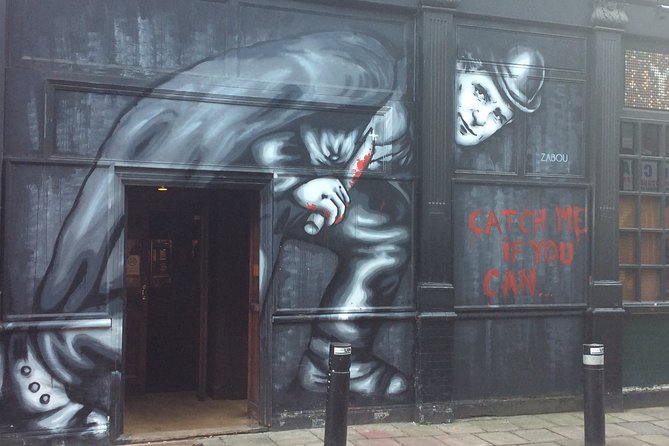
A highlight here is the chance to see the East End in two modes. You get gritty historical framing, then you shift to the modern neighborhood feel: market streets, street art, and that ongoing East London energy.
Durward Street: the short stop with a big hook
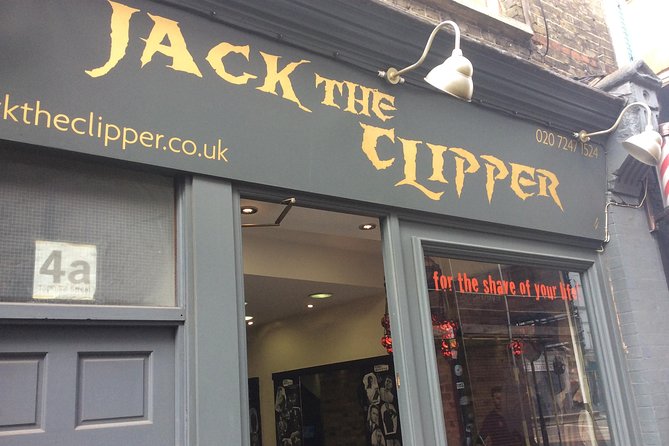
One quick but memorable moment is Durward Street, described as open for the first time in almost a decade. In only about 5 minutes, you are set at the murder location of Mary Ann Nichols.
This is the kind of stop where timing and attention matter. Because the visit is short, it helps to keep your questions ready. I like these quick lane moments on a tour like this because they force you to take in the street scale and the way a narrow space can shape what people could see.
You can also read our reviews of more private tours in London




Royal London Hospital and the inquest atmosphere near the first victim
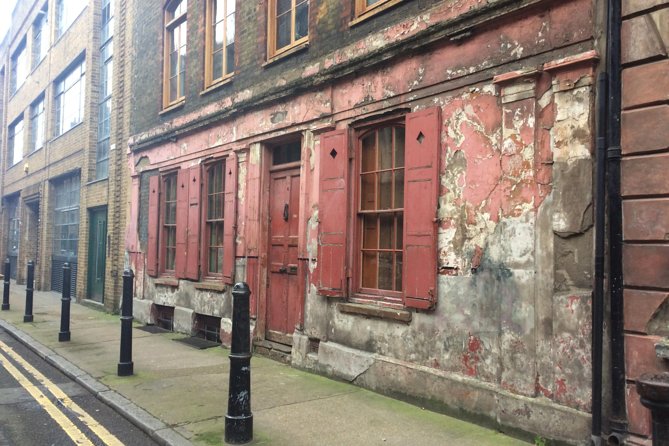
Next is the Royal London Hospital area, tied to the first victim in the Whitechapel murders and to parts of the investigation. The tour includes time for you to understand what happened, then it pivots to the nearby inquests where several of the murders were discussed.
Two extra historical layers are included here. The tour notes that the Elephant Man lived in this area during those years, and it also points out how the streets later became home to the Kray gang years afterward. That broader time range is useful, because it reminds you that Whitechapel never froze in 1888.
This stop is about mood as much as facts. You are learning how institutions, crime, and public scrutiny collided in real places.
Henriques Street and Elizabeth Stride’s first double-event night
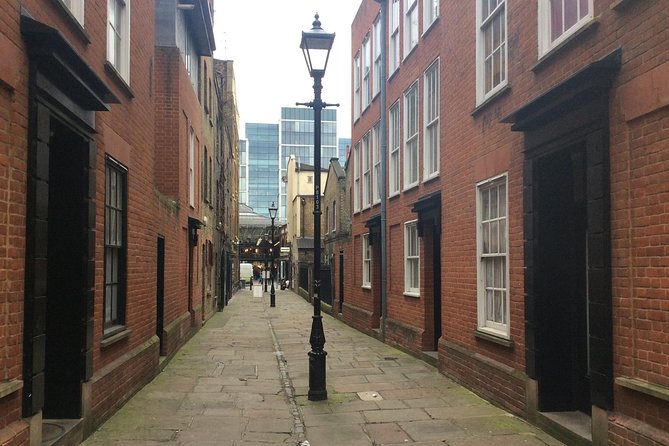
At Henriques Street, you visit the area tied to Elizabeth Stride, connected to the first night of the infamous double-event murders. It is a short stop, about 5 minutes, but it is emotionally heavy. The best way to handle stops like this is to let the guide pace the information and keep you oriented in the street layout.
If you want to make the most of it, watch how the lanes connect and where buildings frame sightlines. Even if you do not see anything “dramatic” on the street today, your brain fills in the missing context when the geography is explained clearly.
Whitechapel Bell Foundry: the icon and the suspect connection nearby
The Whitechapel Bell Foundry stop is a great tonal shift. You are still in the case story, but the setting helps you picture how a working East End site could shape daily life.
You spend about 10 minutes here, and the tour also connects the foundry with nearby locations where a chief suspect was said to have lived. That is a key reason this stop works: it links the case to real urban anchors, instead of keeping suspect talk floating in abstraction.
Even if you are not a detail hunter, the foundry works visually. It is one of those buildings you remember after the walk because it looks like it belongs to the story’s era.
Gunthorpe Street cobbles, Martha Tabram, and Emma Smith’s attack site
Next you get one of the alley-lane moments at Gunthorpe Street, spending around 10 minutes. You will follow the footsteps of Martha Tabram and then learn about where Emma Smith was fatally attacked.
Stops like these are where a private guide is especially helpful. Lanes and cobbled streets can be tricky to read on your own. You might see the street, but you might not instinctively understand why that stretch matters. With a guide, you get the “why” attached to the “where.”
If your legs are sensitive, pace yourself here. This part of the route can feel more physical because you are walking tighter space and turning into corners more often.
Brick Lane Hotel and The White Hart: pubs and place markers in the same story
As you move through the route, you hit a pair of stop types that make Whitechapel feel lived-in.
At the Brick Lane Hotel area, the tour notes it as a key spot in the last night connected to Mary Ann Nichols. Then you visit The White Hart, a pub associated with the case. These are about more than names. They help you picture the daily rhythm: where people might have lingered, waited, or moved between streets.
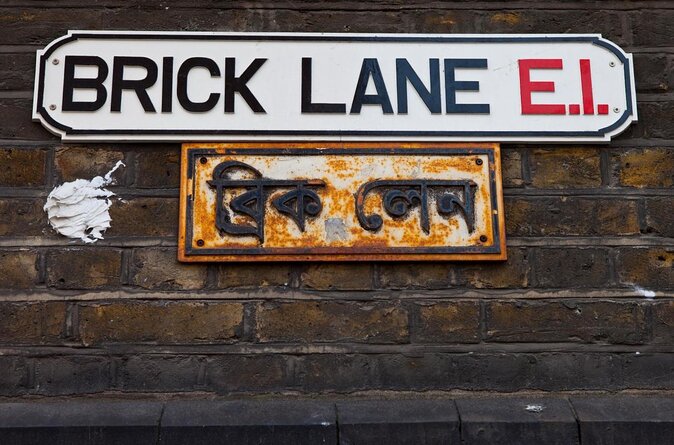
The tour also includes Brick Lane, about 15 minutes, presented as once the heart of the territory, and still a place with a strong immigrant community today. That contrast is one of the best parts of the whole experience. You see how Whitechapel keeps reinventing itself while keeping enough “structure” in the streets to talk about the past.
29 Hanbury Street and The Ten Bells: where Annie Chapman’s story sits
At 29 Hanbury Street, you visit the murder site of Annie Chapman, spending about 10 minutes. The tour also explains how two more deaths were indirectly linked to the case.
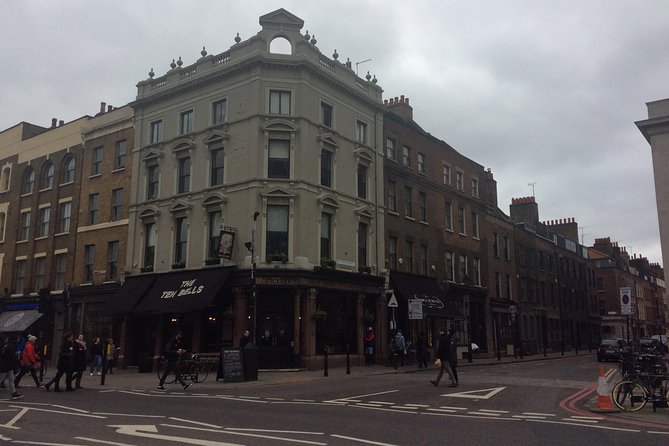
Right after that, you check out The Ten Bells, another pub closely linked to Jack and the victims, with about 10 minutes at the stop. These pub stops give you a practical storytelling advantage. They connect the case to places where witnesses, rumor, and daily chatter could overlap with fear and confusion.
If you are hoping for a guide who can make the story feel anchored and not just sensational, this is where you can really tell.
London Fruit and Wool Exchange: Mary Kelly’s site and police legacy
The next major emotional and factual moment is the London Fruit and Wool Exchange. The tour visits the site connected to the murder of Mary Kelly, spending about 5 minutes.
What makes this stop valuable is the added layer about the wider legacy for police around the world. Even if you only know the basics of the case, this part helps you understand why the investigation mattered beyond London. It reframes Jack the Ripper as more than a folklore character, it becomes a turning point in investigative thinking.
Brick Lane Mosque, Christ Church Spitalfields, and the neighborhood behind the headline
After the Exchange, the walk shifts toward the religious and community landmarks that help explain who lived here.
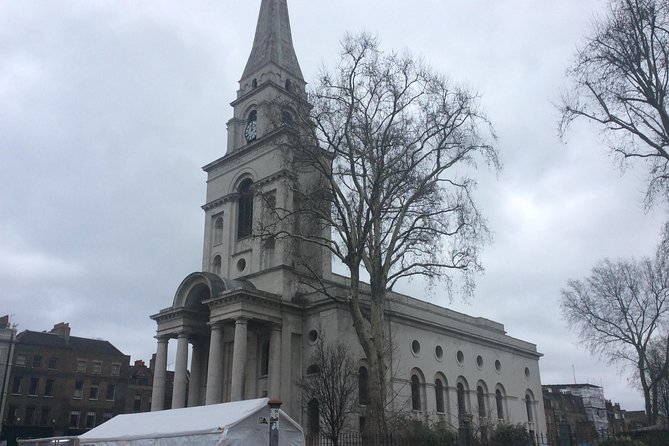
At Brick Lane Mosque you are shown the area that was a synagogue in 1888, around the growing Jewish community of the East End. Then at Christ Church Spitalfields, the tour focuses on the church’s role in 19th-century community life and the poverty that surrounded it.
These stops are often where the tone softens a bit, not by removing the grim subject matter, but by restoring humanity to the neighborhood. The murders happened to real people in a real community with real institutions trying to cope.
Old Spitalfields Market and Petticoat Lane market streets you can stand in
You get market walking built in, and it is one of the best ways to experience this part of London.
At Old Spitalfields Market, the tour says you pass through the same market that was here in 1888, including time right in the middle of murder location territory. This is listed with admission ticket included, about 10 minutes.
Then you continue to the Petticoat Lane area, spending about 5 minutes and noting it as a street associated in the case lore with James Maybrick and the Diary of Jack the Ripper. This stop has admission ticket included as well, and it offers quick payoff because the street energy is obvious even if you have only been in London a day.
These market segments are also practical. They break up the more intense murder-site stops with a sense of life around you, so your brain can keep absorbing.
Goulston Street Food Court: the only real evidence you can point to
One stop you should not rush is Goulston Street Food Court, about 10 minutes. Here the tour highlights the only real evidence left by Jack the Ripper connected to the double-event murders.
This is a big deal for two reasons. First, it gives you a concrete anchor when the rest of the story is speculation, witness accounts, and investigative theory. Second, it shifts the experience from folklore to evidence-based mystery.
If you have questions about how detectives might have interpreted clues in the late 1800s, this is the perfect place to ask.
Soup Kitchen for the Jewish Poor and the Mitre Square Garden close
The final stretch leans into Jewish landmarks that shaped community life.
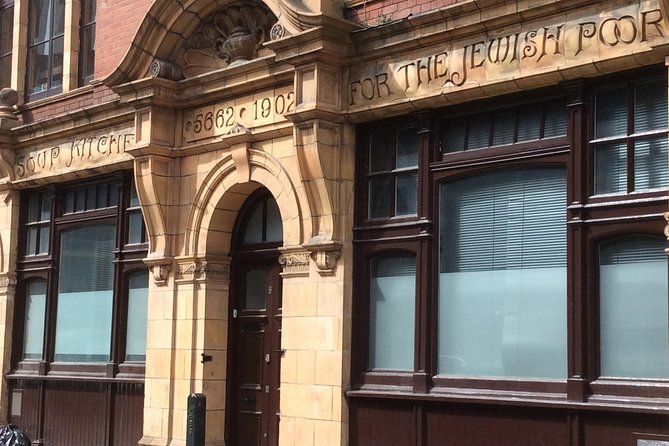
You visit the Soup Kitchen for the Jewish Poor, about 5 minutes, described as the first Jewish soup kitchen. This is a powerful reminder that Whitechapel was not only crime scenes and press stories, it was also day-to-day survival, charity, and community support.
Then you finish at Mitre Square Garden, around 10 minutes. The tour notes it as the only place where you can be certain you are standing exactly where Jack stood when he murdered. It also references the tour ending just around the corner from the oldest synagogue in Mitre Square.
Finally there is a small optional diversion to Aldgate Pump, including the Aldgate Pump of Death. It is listed as about 5 minutes.
Should you book this Jack the Ripper private tour?
Book it if you want a place-based Jack the Ripper experience, not just a lecture. This tour is best for you if you like walking, you want to see recognizable anchors in Whitechapel and Spitalfields, and you appreciate when a guide ties street layout to the events of 1888.
Skip it or consider another style if you are not comfortable with murder sites and inquest details, or if you only want lighter storytelling. Also think twice if you dislike walking, since this route packs in many stops in a short time.
FAQ
FAQ
How long is the Jack the Ripper private day walking tour?
It runs for about 3 hours.
Where do you meet for the tour?
The start point is 277 Whitechapel Rd, London E1 1BY, UK, just outside the Whitechapel Underground area.
Where does the tour end?
It ends at Aldgate Station, Aldgate High St, London EC3N 1AH, UK. You will walk a few minutes back to the station, and Aldgate East Station is also just a minute or so further up the road if needed.
Is this tour private?
Yes. It is a private tour, so only your group participates.
Is pickup available?
Pickup is offered. You can meet at a Central London hotel or at the tour starting point outside Whitechapel Underground.
What language is the tour conducted in?
The tour is offered in English.
Are admission tickets included?
Some stops include admission tickets, including the East End stop, Old Spitalfields Market, Petticoat Lane Market, Goulston Street Food Court, and Mitre Square Garden. Other stops are noted as free, and some are marked as admission not included.
Is transportation to and from the attractions included?
No. Transportation is not included.
Can I cancel for a full refund?
Yes. You can cancel up to 24 hours in advance for a full refund. Canceling less than 24 hours before the start time is not refundable.
More Walking Tours in London



More Tours in London




More Tour Reviews in London


Not for you? Here's more nearby things to do in London we have reviewed







More Jack the Ripper Tours worth a look.
 ★ 4.7The Original Jack the Ripper Walking TourTickets from $257,833 guest reviews
 ★ 4.5London Jack the Ripper Guided Tour with Ripper-VisionTickets from $274,840 guest reviews
 ★ 4.7Jack the Ripper Small Group TourTickets from $263,159 guest reviews
 ★ 5.0London Jack The Ripper Guided Walking TourTickets from $03,131 guest reviews
 ★ 4.6German Language : Original Jack the Ripper TourTickets from $241,805 guest reviews
 ★ 4.5Jack the Ripper Walking Tour – Ripper Vision ToursTickets from $261,752 guest reviews
 ★ 5.0Ultimate Jack the Ripper : Guided Tour of LondonTickets from $271,495 guest reviews
 ★ 4.9Jack the Ripper Evening Walking TourTickets from $331,449 guest reviews
Continue by place or experience