
REVIEW · LONDON CITY TOURS
Private Rock ‘n’ Roll Music Tour of Central London
Rock and roll clues hide in plain London view. This private 3-hour walking tour strings together the big names and big moments, from the Beatles to David Bowie to the Rolling Stones, with mobile tickets and time to ask your guide questions as you move between classic venues.
I love how the route hits both famous landmarks and the smaller, street-level details that usually get missed. I also like the focus on why these places mattered, like the BBC’s connection to pop music and the famous Beatles office tied to that rooftop concert at 3 Savile Row.
One thing to consider: most stops are quick, usually about 5 to 15 minutes, so you’ll want to be ready for a brisk walk and some “look-and-learn” moments outside. Also, a couple venues on the route do not include tickets.
Key things that make this tour work
- Private, group-only format lets you tailor questions as you go, instead of watching a lecture from the sidelines.
- Big-artist stops with real context at venues tied to the Beatles, Bowie, Stones, Pink Floyd, and more.
- Mostly free stop locations (many are free to view externally), with a couple that require your own tickets if you want entry.
- A guide who tells stories, with one praised guide named Michael for turning rock lore into something you actually want to listen to.
- A strong Soho to Denmark Street finish in an area where British music culture really concentrated.
A private rock-and-roll route that feels like London itself is the playlist
Central London can be overwhelming. This tour helps you pin the feeling down to specific addresses and street corners. You’re not just hearing band names, you’re seeing the places where the industry, the audiences, and the fashions all collided.
What I like most is that it treats music like a living map. You start at the London Palladium, then keep moving through BBC headquarters, Carnaby Street’s fashion swing, Soho’s studio and club scene, and finally Denmark Street’s guitar shops and punk-era energy. It’s a clean way to understand how rock-and-roll spread, not just who made the noise.
And since it’s private for your group, you can ask follow-ups when something sparks interest. If you want more about early band origins, you can push that. If you’d rather hear about specific venues and the people behind the scenes, your guide can steer there.
You can also read our reviews of more private tours in London
Price and value for a group (not per person theater math)
The tour price is $205.67 per group, up to 15 people, for about 3 hours. That group pricing is the key to making this feel like a good deal.
Here’s how to think about value without guessing too hard:
- If your group stays small, the cost per person is higher, like most private tours.
- If you bring 8 to 15 people, the per-person cost drops fast, and you’re basically paying for a custom walking soundtrack and a guide who can point out the details.
In practical terms, the tour includes all guiding fees, and most stops are free to access (at least externally). That matters, because walking tours can quietly turn expensive once you factor in entry costs. In this route, you still get a lot of “you are here” moments without needing to buy tickets at every corner.
Also, planning looks smoother because it’s often booked about 51 days in advance on average. If you have a specific weekend or time window you want, you’ll be glad you planned ahead.
Timing, walking pace, and what to pack for a 3-hour sweep
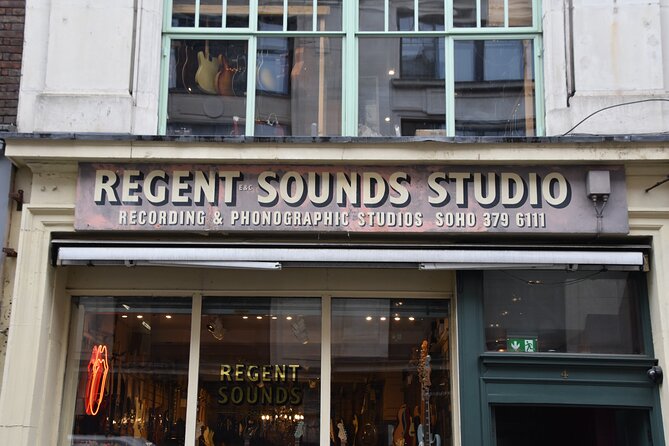
The tour runs about 3 hours, and the stops are short. Many are around 5 to 10 minutes, with a few up to 15 minutes. That means you don’t get long museum-style pauses, but you also don’t get stuck somewhere boring.
You should plan for:
- A steady walk through Central London
- Frequent stops to read the story, not just the building
- Some outdoor time, which in London can mean sudden rain
For clothing, I’d bring a light rain layer just in case, especially if you want to do the photo-style moment at Heddon Street, where the story is tied to a cold and wet January night. Comfortable shoes are a must since you’ll be on your feet for the whole half-day block.
The tour is listed for moderate physical fitness, and it’s near public transportation. Service animals are allowed, and it’s private, so only your group participates.
Stop-by-stop: London Palladium to Denmark Street, in the order you’ll feel it
This is a street-level tour, so you’ll mostly be outside or at the front of landmarks and plaques. The pay-off is how quickly your brain connects names to places.
Stop 1: London Palladium and the TV era that fed Beatlemania
You begin just outside the London Palladium at 8 Argyll Street. This is a major landmark for popular music culture, not just theater fans.
The tour sets the tone by pointing out the venue’s role in the UK music TV scene, including the show Sunday Night at the London Palladium. It’s tied to the early surge of Beatlemania, and there’s even a story angle about the Rolling Stones refusing to end a show the way others did.
Time-wise, you’ll spend about 10 minutes here. Because it’s a famous venue, it’s also a great “orientation stop” where you start to see how the rest of the route fits together.

Stop 2: BBC Broadcasting House and the complicated relationship between rock and the airwaves
Next is Broadcasting House, the BBC headquarters and home to their major radio stations. There’s a dedicated wing named for John Peel, which is a direct link between broadcasting and music discovery.
What I like about this stop is the angle it brings: the relationship between the BBC and rock-and-pop music hasn’t always been smooth. The tour notes that the BBC once banned records from their airwaves, which helps you understand that mainstream acceptance came in waves, not on day one.
Again, it’s around 10 minutes, so you get the story without turning it into a lecture.
Stop 3: The London Polytechnic building behind Pink Floyd’s early chapter
The next stop is a university building that used to be London Polytechnic. In September 1962, three students enrolled to study architecture: Roger Waters, Nick Mason, and Richard Wright.
The tour tells you how they rehearsed in a tea room in the basement in a band called Sigma 6, and how Syd Barrett later joined, pushing the group into what became Pink Floyd. This stop is only about 10 minutes, but it’s one of the most “origin story” moments on the route.
If you love band backstories, this is a good place to linger by asking questions. The detail here is specific, and it helps you see how bands can start from ordinary student life.
Stop 4: Carnaby Street, swinging fashion, and bands borrowing style as a weapon
You then head to Carnaby Street, famous as the center of fashion in swinging London. The tour explains why it became so cool, including unexpected 1950s roots for the flamboyant clothing style that bands like the Small Faces, the Who, and the Rolling Stones were associated with.
There’s also an industry angle with Don Arden, a notorious promoter and manager. That’s a key theme of the tour: music isn’t just artists and songs, it’s also branding, promoters, and the fashion that signaled who you were.
Stop 5: Kingly Street’s Bag O’Nails and the romance of rock nightlife
At Kingly Street, you visit the site of the former Bag O’Nails. This was a haunt in the 1960s where world-famous musicians played, including Jimi Hendrix Experience, the Who, the Animals, and Tom Jones.
The tour adds a personal twist with stories about musicians meeting future wives there. One example called out is Paul McCartney meeting Linda in 1967.
This stop is about 10 minutes. It’s short, but it gives you a sense of how venues doubled as social hubs, not only performance stages.
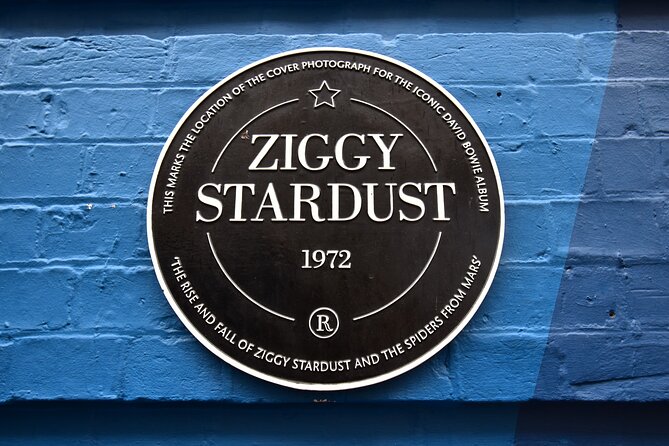
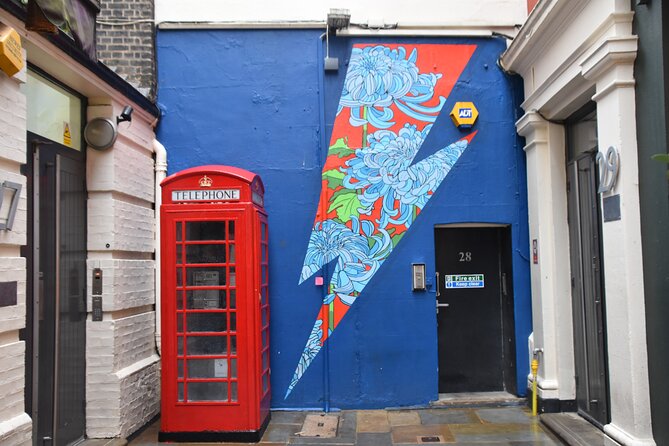
Stop 6: Heddon Street and the Ziggy Stardust cover moment
At Heddon Street, the tour points out the legendary spot connected to the front and back cover of The Rise and Fall of Ziggy Stardust and the Spiders From Mars.
You’ll also get a chance to recreate iconic photos tied to the story of the photoshoot, described as happening on a cold and wet January night in January 1972. That’s a fun stop if you like pop culture details, and it’s perfect for a quick photo that actually connects to the album you already know.
Time here is about 10 minutes, and yes, London weather is real, so dress like you might get damp.
Stop 7: 3 Savile Row, the Beatles office, and the rooftop concert location
3 Savile Row is one of the tour highlights for most music fans. This building was the Beatles office and the setting for their legendary rooftop concert in 1969.
The tour frames it in multiple ways: it mentions the concert as featured in Let It Be and Get Back, and also notes this address as the Beatles’ headquarters of Apple, which attracted Beatles fans worldwide.
It’s about 10 minutes. Since this is a huge pilgrimage stop, I’d use your guide time wisely: ask what to notice in the building’s context, and how the concert fits into the Beatles’ final performance timeline.
Stop 8: Cordings Ltd and Eric Clapton’s wardrobe to influence
At Cordings Ltd, you hear a neat story arc about Eric Clapton. The tour describes him as a teenager who window shopped there and hoped he’d one day afford the clothes.
Later, he became a regular customer, invested in the business, and eventually served as design director. It’s a reminder that rock style and local shops were intertwined, and that musicians didn’t just consume culture, they sometimes shaped it.
Time is about 10 minutes, so keep your questions focused. This is more about connecting a personal story to a real place.
Stop 9: Hotel Café Royal and Bowie’s Ziggy Stardust goodbye party
Next comes Hotel Café Royal, which began as a cafe in 1865. The tour connects it to David Bowie, describing how Bowie retired the character Ziggy Stardust at an expensive, star-studded bash in 1973.
The stop also explains that the event inspired a Ziggy Stardust cocktail bar inside the hotel. It’s a fun example of how music history becomes branding you can still experience today.
This is another roughly 10-minute moment.
Stop 10: Wardour Street and the Marquee Club’s launchpad years
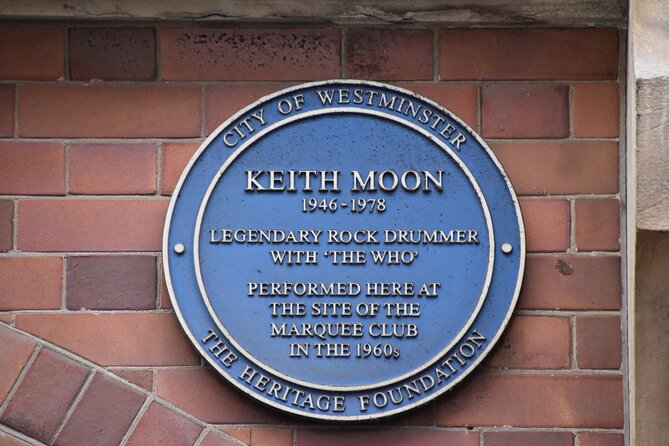
On Wardour Street, you’ll learn about the Marquee Club, a famous music venue tied to launching early careers for groups like the Who and artists like David Bowie.
The tour calls out that the Marquee was open for 26 years, helping shape a long-running stage for British music. There’s also an easy-to-spot detail: a dusty plaque to Keith Moon over the door.
This is about 5 minutes, but if you like physical details like plaques and door decorations, you’ll enjoy this stop a lot.
Stop 11: The Ship, Soho, and what happens when a club loses its license
The route shifts into Soho with The Ship pub. The story angle here is straightforward: when the Marquee lost their alcohol license, music fans chose to drink at The Ship, and the singers and musicians followed.
The tour leans into the humor and chaos part of rock lore, describing drunken antics outside the pub and explaining why the place “rocked.” It’s about 10 minutes and more atmosphere than facts-on-a-map, but atmosphere matters on a music tour.
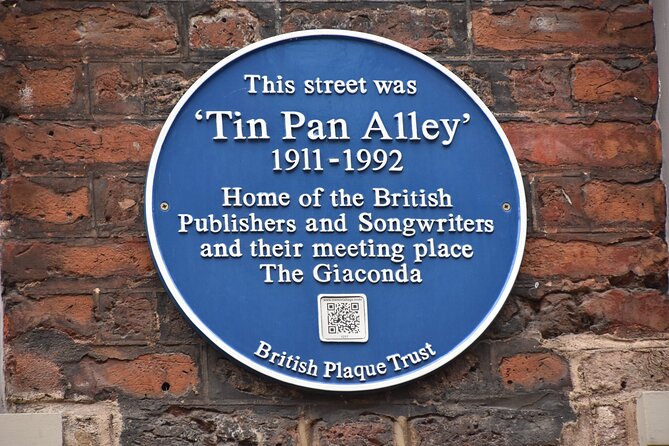
Stop 12: The Trident Studios plaque and the studio side of fame
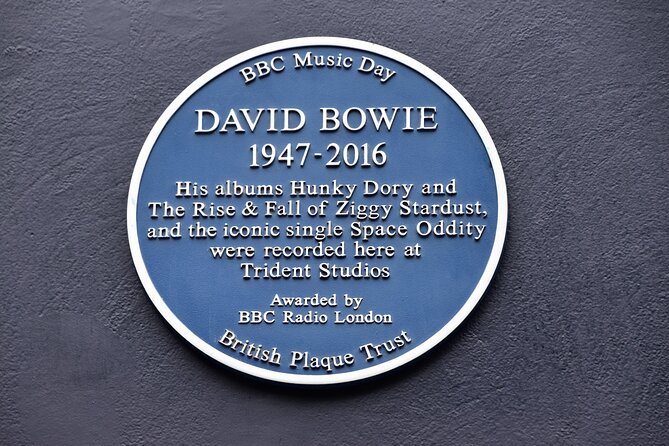
Around the corner, tucked in a tiny alley, is a Trident Studios plaque near The Ship. The studio ran between 1968 and 1981, and the tour lists heavy hitters who recorded there, including David Bowie, the Beatles, Queen, Elton John, the Rolling Stones, and Black Sabbath.
This stop is about 5 minutes, but it has big weight. Studios are where the sound gets made, so it’s the quiet counterpoint to the louder club stops.
Stop 13: Soho Square and the business engine behind Paul McCartney
Next is Soho Square, home to MPL (McCartney Publishing Limited), described here as part of Paul McCartney’s music empire.
The tour notes that McCartney was revealed to be a billionaire partly because of his music publishing business, and you’ll hear how he became the richest of all the Beatles. That’s a different side of rock culture, the money and rights side that most walking tours skip.
Time is short, about 5 minutes, so this is a good chance to ask what “publishing” means in plain language.
Stop 14: Ronnie Scott’s Jazz Club and the outside-look at a legendary venue
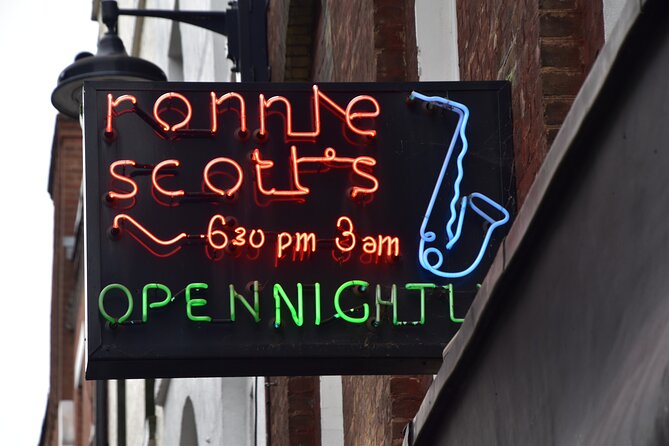
You’ll reach Ronnie Scott’s Jazz Club, which moved to Frith Street in 1965. The tour focuses on famous names played there, including a surprising mention of a performance by Lady Gaga, plus the final performance of Jimi Hendrix.
Important detail: the stop lists an admission ticket as not included. So plan for this as an exterior stop unless you’re separately arranging tickets or a show.
Time is about 5 minutes, but it’s a neat bridge from rock venues into the broader music scene.
Stop 15: ODEON Covent Garden and Brian Epstein’s theater gamble
At ODEON Covent Garden, the tour connects Beatles manager Brian Epstein to the theater world. It says that in 1966 Epstein decided to buy a theatre, laying out grand plans and noting legendary artists who played there.
If you care about how the Beatles brand grew beyond music, this is a useful angle.
This stop also lists an admission ticket as not included, so treat it as a story stop. If you want to go inside, plan that separately.
Time is about 10 minutes.
Stop 16: Foyles Bookshop and the Sex Pistols’ first gig era
Then comes Foyles Bookshop, an iconic store now but once a university building. The tour tells you about the Sex Pistols’ first gig here and includes details about Malcolm McLaren, who only booked them for student gigs early on.
It also mentions Steve Jones getting their guitars from there. This is one of those stops where the setting surprises you, which is exactly what a good walking tour should do.
Time is about 10 minutes.
Stop 17: Denmark Street, the final hit of guitar shops and punk chaos
Your last stop is Denmark Street, described as arguably one of the most important locations for British 20th-century music. The street today is full of guitar shops and music venues, but the tour anchors it to key moments.
You’ll hear about the Beatles’ first music publishing deal, the Rolling Stones recording their first album, and the Sex Pistols crashing and rehearsing there. It also ties in John Lydon drawing rude pictures on the wall, apparently visible to this day.
Finally, it connects Denmark Street to early days of Elton John and David Bowie. This ending works because it brings you back to the “where the gear and scenes were” reality, not only celebrity addresses.
Time is about 10 minutes, and this is where your guide can often offer smart suggestions on where to go next nearby in Soho.
What kind of traveler should pick this tour
I think this tour is a strong match if you:
- Love British rock-and-roll and want the geography behind the names
- Prefer walking and street-level storytelling over museum-only days
- Want a private format where questions are welcome
- Enjoy practical pop culture details, from plaques to album-cover locations
It may be less ideal if you:
- Want long time at indoor sites, because many stops are brief and mostly outside
- Expect everything to be an inside-entry attraction, since some venues list tickets as not included
Should you book the Private Rock ‘n’ Roll Music Tour of Central London?
Yes, if you want a focused, music-nerd-friendly way to see Central London without spending your day in a single museum hall. The route links major artists to specific places, and the private format is a real advantage when you care about the details.
I’d especially book it if you like the idea of ending in Denmark Street with guitar-shop energy, after a run through Palladium legends, BBC pop-radio context, Soho clubs and studios, and that unmistakable Beatles rooftop story at 3 Savile Row.
If you’re on a tight schedule, plan around the weather, and keep your expectations aligned with a brisk, story-driven walk. Two venues may need separate tickets if you want entry.
FAQ
How long is the Private Rock ‘n’ Roll Music Tour of Central London?
It runs for about 3 hours.
What is the price per group?
The price is $205.67 per group, up to 15 people.
Is this tour private?
Yes. It is a private tour/activity, and only your group participates.
Where does the tour start and end?
It starts outside the London Palladium at 8 Argyll St, London W1F 7TF, UK, and finishes on Denmark Street in London WC2H, UK.
What language is the tour offered in?
The tour is offered in English.
Are tickets included for all stops?
Guiding fees are included. Many stops note admission as ticket free, but Ronnie Scott’s Jazz Club and ODEON Covent Garden list admission tickets as not included.
Do I get a mobile ticket?
Yes, the tour includes a mobile ticket.
Is it easy to get around the route without a car?
The tour is near public transportation and is listed as moderate physical fitness.
Can I cancel for a full refund?
Yes. You can cancel up to 24 hours in advance for a full refund.
More Private Tours in London

More Tours in London
More Tour Reviews in London
Not for you? Here's more nearby things to do in London we have reviewed


More London City Tours worth a look.
 ★ 4.6The London Eye Entry TicketTickets from $3935,875 guest reviews
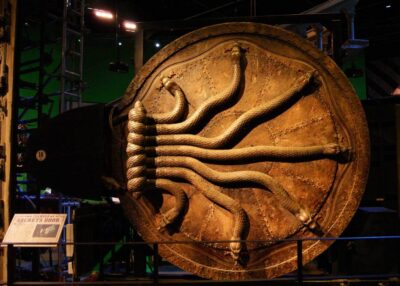 ★ 4.7From London: Harry Potter Warner Bros Studio TourTickets from $11726,588 guest reviews
Westminster to Greenwich River Thames CruiseTickets from $2222,836 guest reviews
Magical London: Harry Potter Guided Walking TourTickets from $2022,044 guest reviews
 ★ 4.6Madame Tussauds LondonTickets from $3620,915 guest reviews
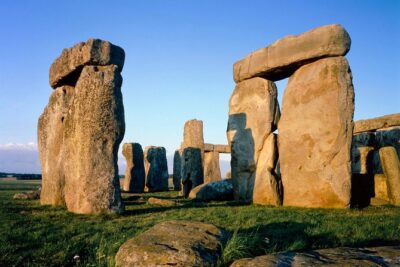 ★ 4.5Stonehenge, Windsor Castle, and Bath from LondonTickets from $11118,662 guest reviews
 ★ 4.7Warner Bros. Studio Tour with TransfersTickets from $14417,586 guest reviews
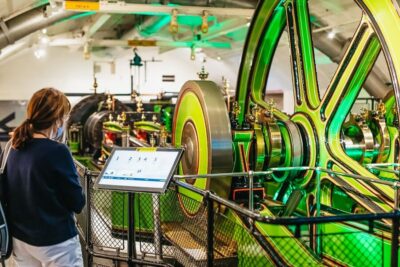 ★ 4.7Tower Bridge Entry TicketTickets from $2115,560 guest reviews