
REVIEW · LONDON CITY TOURS
Private London Street Photography Workshop
London street life is your classroom. This private workshop with Fine Art Photographer Lou Smith turns Central London sidewalks into a hands-on lesson in street photography. I love the way it’s structured around short shooting assignments, and I especially like the personalized photo review that helps you spot what worked. The one drawback to consider is that it’s an outdoor walk, so you’ll want to dress for the weather and be ready to keep moving for about four hours.
What makes this one feel different is how much guidance you get without slowing you down. You’ll work your way through Charing Cross Road, Chinatown, Soho, and Piccadilly Circus while learning how to frame quick-moving subjects, set your camera for street shooting, and build a simple narrative in your images, at your own pace.
Key things you’ll notice right away
- Private group feel that lets the instruction match your questions and your comfort level
- Lou Smith’s teaching approach focused on real camera choices and practical street technique
- Photo review time so you can understand your results and improve faster
- Four Central London stops that make it easy to keep finding new angles and stories
- Assignments for candid capture, plus black-and-white and color mood practice
Why this workshop feels like street photography, not a lecture
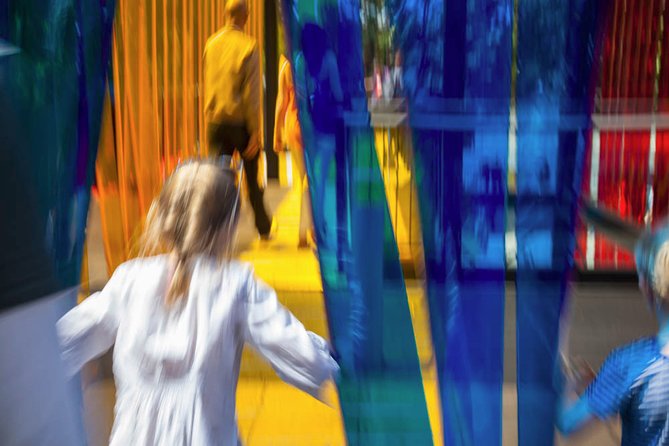
Street photography is tricky because everything happens fast and nothing poses for long. This workshop is built around that reality. Instead of just talking about composition, you’re given short assignments that push you to notice light, people, and details as they appear, then react quickly.
The biggest value for me is that you get both sides of the craft: how to see and how to shoot. The instruction covers camera setup for street work, focusing techniques made for moving scenes, and framing quick subjects. Then you get a review of your images so the lessons stick, not just fade after the walk.
You also benefit from the fact that this is taught by Lou Smith, a Fine Art photographer with extensive teaching experience. That matters because street photography is part skill, part mindset. The approach here is designed to build confidence while keeping you selective about what you press the shutter for.
You can also read our reviews of more private tours in London

The 4-hour flow, from meeting point to photo review
You start at Charing Cross Strand, London WC2N 5HF, and the experience ends back at the meeting point. It’s about four hours total, with outdoor hands-on shooting through Central London.
That time window is important. Four hours is long enough to practice more than once, but short enough that you can stay focused and not feel like you’re stuck in one place waiting for the perfect moment. The workshop also uses break-away style practice blocks, so you can try a technique, then immediately test whether it works for what you’re seeing.
Near public transportation, plus a mobile ticket, makes the logistics easier than for tours that require a long walk or complicated check-in. And because it’s private, you’re not sharing the instructor’s time with a huge crowd.
Stop 1: Charing Cross Road, learning to frame on the fly
Charing Cross Road is a great start because it’s the kind of street where you can build momentum fast. You’ll begin the session by getting your street plan in place, then move into quick shooting practice so you don’t spend the first hour just getting oriented.
Expect guidance that focuses on what street photographers actually wrestle with:
- Camera settings for street shooting, so you’re not stuck adjusting mid-moment
- Focusing techniques meant for the real speed of people and movement
- Framing and composition for quick-moving subjects
This is where the workshop helps you think before you shoot. One of the strongest themes in the feedback for this kind of training is confidence, and confidence comes from understanding what to do next. You’ll learn how to set yourself up so you can react quickly without losing control of the image.
A small consideration: because the goal is candid capture, you’ll want to be comfortable shooting while people pass by. If you freeze when things get active, start with the “safer” frames your instructor recommends, then gradually loosen up.
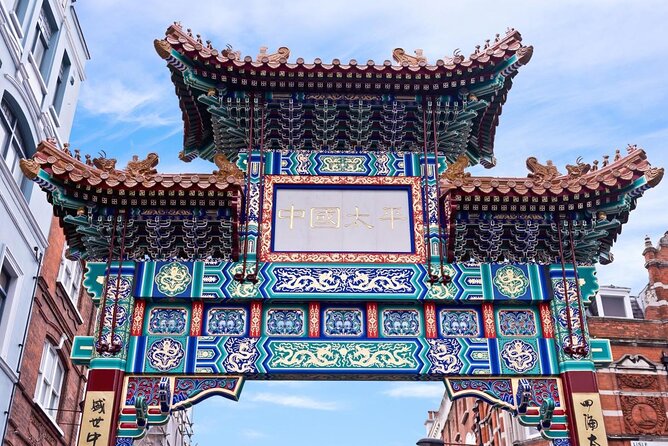
Stop 2: Chinatown, practicing color and mood from real streets
At Chinatown, you’ll keep working the same skills, but with a different street feel. The workshop’s teaching includes both black-and-white practice and color work for mood and atmosphere, and this kind of neighborhood gives you plenty of everyday visual material to experiment with.
Instead of chasing one perfect look, the goal is to learn how color can change the emotional punch of an image. You’ll also practice how to integrate the environment, so people and setting work together rather than one overpowering the other.
This stop is also a place where narrative starts to matter. The workshop uses short assignments that encourage you to capture the scene as it unfolds, then revisit that idea later when you review your images. You’ll learn how to add a story to what you photograph, which usually means asking yourself what’s happening, what emotion it suggests, and what detail makes it feel like a real moment.
Tip for you: if you’re using a phone or a digital camera with fewer manual controls, you can still benefit from the framing and focusing guidance. The workshop is designed to work across devices, including smart phones.
Stop 3: Soho, building selective street stories (not just more shots)
Soho is another strong learning step because it rewards deliberate choices. Street photography is easy to overdo: you can shoot hundreds of frames and still not get the images you actually want.
That’s why the workshop includes the mindset of being selective. You’ll learn to think about the image you want to create before pressing the shutter, which helps you move from spraying to composing under pressure.
In practical terms, this stop is about:
- Creating a blend of people and the cityscape
- Using quick composition so the scene lands the way you intend
- Practicing narrative, so your images read as more than random street moments
During your practice time, the instructor can guide you on focusing and camera choices based on what you’re trying to capture. The private format helps here because you can go back to the exact problem you’re having, whether it’s motion blur, missed focus, or framing that cuts off the scene you meant to include.
Possible drawback: if you’re the type who wants long, slow sessions in one spot, the stop-to-stop pacing might feel like you’re constantly moving on. The trade-off is that you get repeated chances to apply new technique, which usually leads to faster improvement.
You can also read our reviews of more photography tours in London
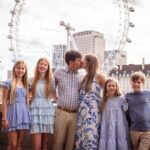
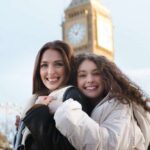
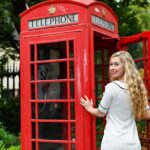
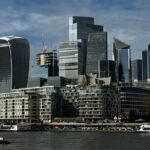
Stop 4: Piccadilly Circus, turning classic streets into candid images
By the time you reach Piccadilly Circus, you’ve already learned the mechanics, so you can spend more energy on your results. This stop is a useful test for street technique because it’s a place where lots of visual elements compete for attention.
That’s exactly what you need for street training. The workshop teaches you how to handle fast, busy scenes by learning how to frame and compose quick moving subjects with confidence. You’re not just learning how to get one decent photo, you’re learning how to keep working when the street gets complicated.
You’ll also keep working on the workshop’s core creative goals:
- Explore black-and-white captures
- Use color to create mood and atmosphere
- Integrate the environment into your images
- Make images that feel like London, not like generic street snapshots
This stop is also where the assignments really pay off. If you’ve been practicing a technique each leg of the walk, you can compare what changes and what doesn’t. Then the review at the end makes it easier to understand why certain images hit and others miss.
The teaching that makes the workshop worth paying for
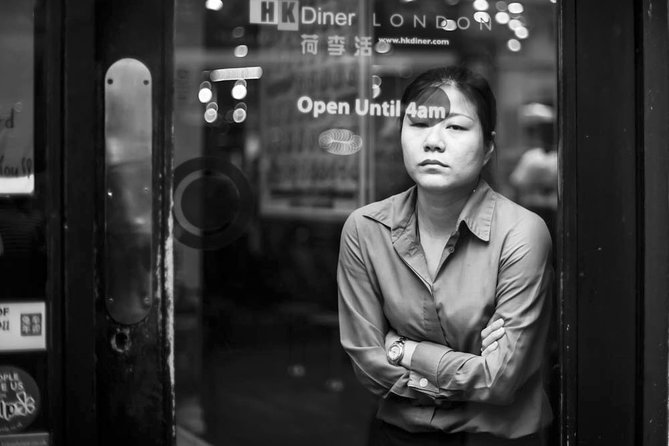
A street workshop can be cheap and still disappoint. The difference here is that the instruction is practical and interactive, with guidance that matches what you’re doing, not just a slideshow of ideas.
You’ll learn essential street photography skills like:
- How to set your camera for street photography
- Focusing techniques designed for street conditions
- How to frame and compose quick moving subjects
- Creative techniques for narrative, people plus cityscape, and mood
Then comes the part that people tend to remember most: a review of your photographs and how to develop your skills.
That review is valuable because it saves you time. Instead of figuring out your camera and your style by trial and error for weeks, you get feedback tied to what you actually shot in London that day. It’s also where confidence grows. When someone points out what you did well, you can repeat it, then improve the next shot with a clearer plan.
Also worth noting: the included instruction says the professional photographer knows a multitude of cameras. That matters if you’re using anything other than a standard DSLR, since the guidance can adapt to your device rather than ignoring it.
Black and white plus color mood: how to practice without overthinking
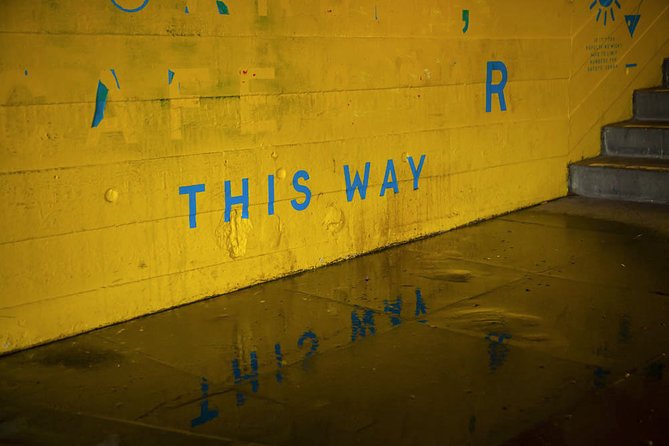
The workshop doesn’t treat black-and-white as a separate hobby. You’ll explore it as one tool for street storytelling, then compare it with color to understand how mood changes.
In street photography, that comparison helps you stop relying only on contrast or only on color saturation. You start asking better questions like:
- Which version makes the scene feel more intentional?
- Does the environment support the mood, or distract from it?
- Where does your eye go first in the frame, and why?
Because the workshop is hands-on, you’re not just learning theory. You’ll test techniques during the walk and then see what you captured when it’s time to review images.
Practical note for you: bring extra batteries if you have them, especially if you’re using a phone that drains quickly in cold or bright conditions. The workshop is outdoor, and you’ll be shooting.
What to bring and how to prepare for success
Plan as if you’ll shoot the whole time. Bring your own camera with a fully charged battery, plus a spare if you have one. The workshop also works for smart phones, so you can travel light if that’s your style.
Dress for weather. It’s an outdoor activity with plenty of hands-on experience, so comfort beats fashion. You’ll be moving between spots, and you’ll want to stay warm or dry without constantly adjusting.
One more practical advantage: the workshop is near public transportation. That helps on travel days because you can return to your hotel or subway line easily before or after your session.
Price and value for a private street photography lesson
At $332.90 per person for about four hours, the question is what you’re really buying.
You’re paying for three things that are hard to replicate on your own:
- Private coaching, because it’s exclusive to your group
- On-street assignments, so you practice the ideas immediately
- A photo review, so you get feedback tied to your actual images
If you’ve ever done a photography day where you only got one group lecture, you know the frustration. This format is built to turn observation into technique. The price also makes sense because the instructor is teaching street-specific camera setup and focusing methods, then reviewing your results rather than just walking and pointing.
You can also benefit from group discounts if you’re going with friends or a personal group. That can make the per-person cost feel more like a private lesson than a generic tour.
Who this workshop is best for
This works for all skill levels, including people who are brand new to street photography. It’s also a good match if you already shoot on travel days but want more confidence, better focusing, and a stronger approach to composition.
You’ll enjoy it most if you like learning by doing. If you want to test ideas in real time, ask questions, and get direct feedback on your images, this is built for that.
It’s also a smart option for anyone traveling with limited time. Four hours in Central London is a manageable window, and you get a complete structure: instruction, practice, and review.
Should you book it?
Book this private street photography workshop if you want a focused, instruction-led way to shoot London. The standout strength is the combination of street-specific camera guidance with personal feedback on your photos, not just route-based sightseeing.
Skip it if you hate moving around outside for hours, or if you only want a casual photo walk with no camera coaching. Street photography training asks you to shoot with intention, and the best results come when you’re willing to try, review, and adjust.
If you’re the kind of person who wants better images from the trip you’re already taking, this workshop is a strong use of time, especially with Lou Smith guiding you through real London streets.
FAQ
How long is the Private London Street Photography Workshop?
It lasts about 4 hours.
Where does the workshop start?
The meeting point is Charing Cross Strand, London WC2N 5HF, UK.
Is this a private workshop?
Yes. It’s a private tour or activity, exclusive to your group.
Who teaches the workshop?
Fine Art Photographer Lou Smith teaches the street photography workshop, along with a professional photographer who supports the instruction.
Do I need a particular type of camera?
No. It’s suitable for all types of digital cameras, including smart phones. Bring your own camera with a fully charged battery (and a spare battery if you have one).
What techniques will we practice?
You’ll learn street photography skills such as camera setup for street shooting, focusing techniques, framing and composition for quick-moving subjects, and creative methods for black-and-white and color mood, plus adding narrative to images.
What is included in the price?
The included items are the professional photographers and expert instruction, review of your photographs, and the private workshop experience.
What is not included?
Light refreshments and gratuities are not included, and gratuities are left to your discretion.
FAQ
Is cancellation free?
Cancellation is free. You can cancel up to 24 hours in advance for a full refund.
How do I receive my ticket?
You’ll get a mobile ticket.
Is it offered in English?
Yes, the workshop is offered in English.
Is it suitable for beginners?
Yes, it’s suitable for all skill levels.
Is the activity outdoors?
Yes. It takes place outdoors, so dress appropriately for the weather.
More Photography Tours in London
More Private Tours in London


More Tour Reviews in London



Not for you? Here's more nearby things to do in London we have reviewed
More London City Tours worth a look.
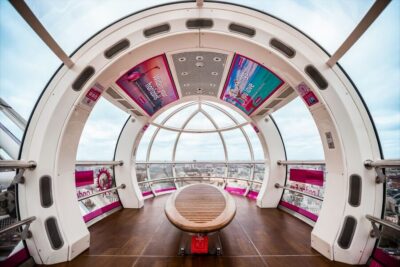 ★ 4.6The London Eye Entry TicketTickets from $3935,875 guest reviews
 ★ 4.7From London: Harry Potter Warner Bros Studio TourTickets from $11726,588 guest reviews
Westminster to Greenwich River Thames CruiseTickets from $2222,836 guest reviews
Magical London: Harry Potter Guided Walking TourTickets from $2022,044 guest reviews
 ★ 4.6Madame Tussauds LondonTickets from $3620,915 guest reviews
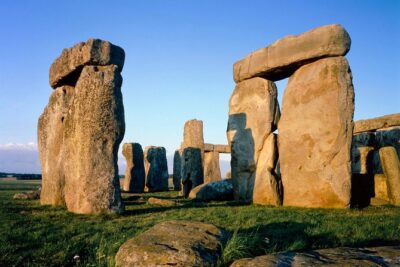 ★ 4.5Stonehenge, Windsor Castle, and Bath from LondonTickets from $11118,662 guest reviews
 ★ 4.7Warner Bros. Studio Tour with TransfersTickets from $14417,586 guest reviews
 ★ 4.7Tower Bridge Entry TicketTickets from $2115,560 guest reviews
Continue by place or experience