
REVIEW · MUSEUMS
Rogues and Rebels Private Tour in National Portrait Gallery
Rebels can make art feel personal. This private Rogues and Rebels tour turns National Portrait Gallery portraits into real stories about political radicals, suffragettes, and outspoken writers. I like the format because it is genuinely private, so you get time to ask questions, not just listen. The only drawback is that two hours is a tight sprint, so you will see selected highlights rather than everything the museum offers.
I also like how the theme changes how you look at faces on canvas and in photographs. You are not staring at famous names from a distance. You are learning why certain people pushed, threatened, published, campaigned, and paid a price, then watching how that mindset shows up in the way they were painted or captured on camera.
If you want a calm, focused introduction to British political and social change through portraits, this fits well. If you are the type who likes wandering room by room for half a day, you may find the experience a bit structured.
Key points to know before you go
- A true private tour with only your group, so questions stay on topic instead of getting lost
- Expert Rebel guide who links portraits to the causes people fought for
- Theme-led viewing focused on rebels, suffragettes, reformers, and outspoken writers
- Admission included for a 2-hour museum session with a clear point of view
- Mobile ticket for easier check-in than paper on a busy London day
- A guide name you can remember from past tours, Charlotte (great for detail and context)
Rogues and Rebels at the National Portrait Gallery: what the theme really changes
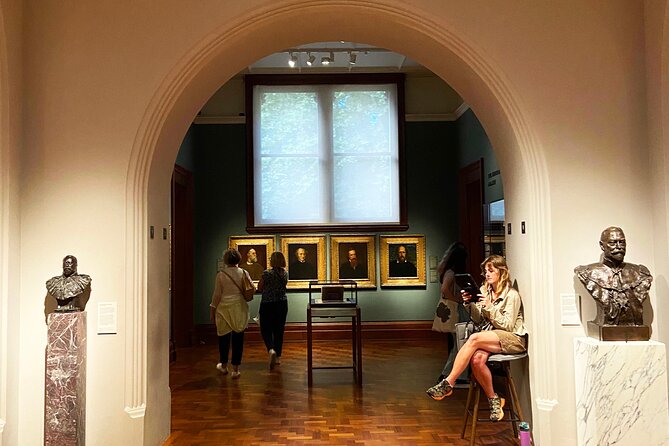
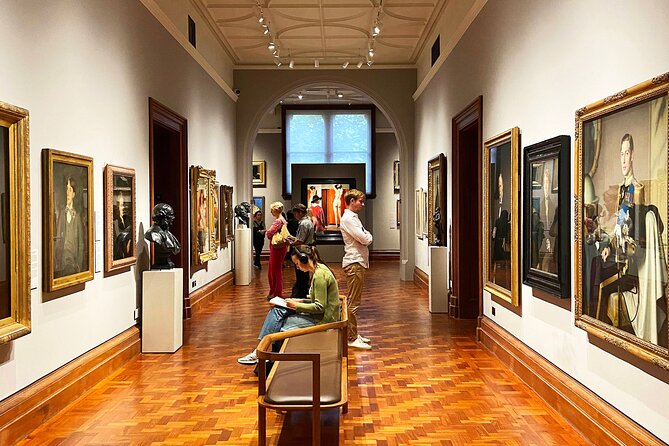
At the National Portrait Gallery, faces are the entry point. The catch is that the same gallery can feel either like a wall of names or like a set of living arguments about power. This tour chooses the second option.
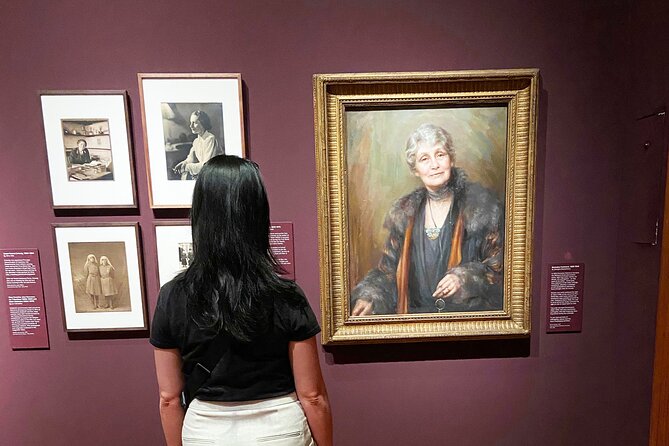
The theme is built around people who pushed against the status quo. That includes political revolutionaries, trailblazing suffragettes, and outspoken writers and reformers who helped reshape British life. Instead of treating portraits as static artwork, you learn to read them like evidence.
Why that matters: portraits are not neutral. Artists choose posture, lighting, clothing, and symbols on purpose. Even when you are just looking at a painted face, you are also seeing how someone wanted to be seen, how an era wanted to frame them, or how institutions chose to label them. With a rebel-focused guide, those choices start to click.
I like that the tour is not trying to shock you with big slogans. It uses the human scale of portraits to make the political feel concrete. You can understand what people believed and why they acted, then connect it to what you are seeing on the wall.
You can also read our reviews of more private tours in London

Meeting at St. Martin’s Place and using your mobile ticket
Your start point is Saint Martin’s Place, St. Martin’s Pl, London WC2N, UK. The experience ends back at the same meeting point.
For planning, the big practical win is the mobile ticket. London tours can be a mess when you are hunting for paper or juggling screenshots on a slow connection. Here, you have a format designed for quick use.
It is also described as near public transportation. That matters because the National Portrait Gallery is in an area where you can usually stitch together tube and walking without doing an all-day trek. You should still plan for normal London foot traffic, but you are not locked into a remote meeting point.
Finally, service animals are allowed, and most people can participate. That means the experience is not described as a high-barrier activity. If you rely on a service animal, you can book with confidence that it is supported.
Two hours with an expert Rebel guide: what you actually get
The duration is about 2 hours, and admission into the gallery is included. On a private tour, time is where the value shows up, because you are paying for attention.
A good guide does two things well:
- Keeps you moving at a pace that fits the topic.
- Explains details without turning the tour into a lecture you cannot use later.
This is where the private format earns its keep. In a group setting, a question can derail the schedule. Here, the guide has room to adjust. The tour is still structured, but your questions have a better chance of landing at the right moment.
One detail I really appreciate is the guide name Charlotte, tied to past experiences. People often remember a tour because of one clear thing: they understood what they were looking at. When the guide can connect portrait details to history in plain language, the art stops being intimidating.
If you love both history and art, this tour is built for you. If you lean more toward either side, you still get enough of the other to stay engaged.
One stop, many portraits: how the National Portrait Gallery visit is organized
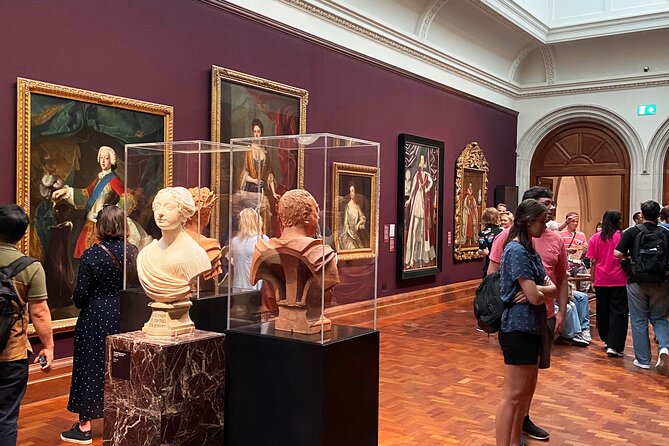
The experience lists one main stop: the National Portrait Gallery. But one stop does not mean one type of viewing. This tour is organized around categories of people, so your route through the galleries stays thematic.
Here is how that typically plays for you once you step inside.
The opening context: why portraits matter for politics
The tour starts with you in the National Portrait Gallery, framing what you are about to see. You are guided through British history through rebellious characters, so the tour is not just about famous faces. It is about why those faces are attached to turning points.
This is the part that helps first-timers most. Museums can overwhelm you with information. A themed guide turns that overwhelm into a few clear threads you can follow.
You can also read our reviews of more museum experiences in London




Political revolutionaries and the question of legitimacy
You will focus on political revolutionaries. That usually means the tour looks at people who challenged government power, questioned authority, or pushed for change outside polite channels.
In a gallery setting, that theme works because portraits preserve power relationships. Even if someone fought against institutions, the art often shows how the establishment wanted to define them, or how supporters insisted on defining them differently.
If you like “why did this person matter,” this is where you get the connection between action and image.
Suffragettes: when campaigning meets representation
Another major focus is suffragettes. The word alone points to a push for political rights, but the portrait angle adds another layer. You start to see how public image and campaign visibility can be part of the struggle.
A portrait is not just a record of a face. It is a statement. The tour approach helps you notice how imagery and identity can support a movement.
If you are the type who reads captions quickly, slow down here. The guide’s job is to give you a reason to care about what you might otherwise skim.
Outspoken writers and reformers: ideas made visible
The tour also covers outspoken writers and reformers. This part tends to feel especially rewarding because writing is personal. You can connect a person’s ideas to the way they appear in art.
Reformers also highlight a different kind of “rebellion.” Not always dramatic revolts, but persistent pressure for change. Portraits often place intellectual figures into visual categories: statesman, thinker, moral voice. The guide helps you see those labels as part of the story.
The portraits as a conversation, not a slideshow
Even though the visit is only about two hours, the format is designed to keep you actively looking. The tour emphasizes stories of people who dared to dream differently. That puts your attention on motivations, not just facts.
A practical way to get more out of this section: ask the guide to connect what you are seeing to the person’s public actions. When a guide can point to portrait cues and explain what they mean, the whole museum visit becomes more than a surface read.
The main limitation: you will not see the whole museum
Because the tour is themed and time-limited, you will not cover everything in the National Portrait Gallery. That is not a flaw. It is the deal with a guided experience that aims for quality over quantity.
If your dream is to wander and pick rooms yourself, you might feel boxed in. If your dream is to understand the museum through a strong lens, the short format is an advantage.
Private tour value: when $153.29 per person makes sense
The price is $153.29 per person. That sounds steep at first glance, until you compare what you are actually buying: a private guide, admission included, and a focused two-hour session built around a specific theme.
Here is how I judge value for tours like this:
- Does the guide change how you understand the museum?
- Do you have time for questions that match your interests?
- Are you getting admission included, so you are not doing extra ticket math?
This tour hits those points. You are paying for guided time, not just a seat next to strangers. Private touring is best when you care about details and want the route to match your brain, not the default group plan.
It also helps that the tour is popular enough to be booked about 52 days in advance on average. That suggests steady demand, which often means the timing works for real schedules.
If you are traveling as a couple or a small circle who wants the same theme, the cost per person can feel more manageable than solo touring. If you are solo and want a casual, low-cost entry, you might prefer a standard museum visit plus reading a few good guides on your own.
Best for: who will feel satisfied after the two hours
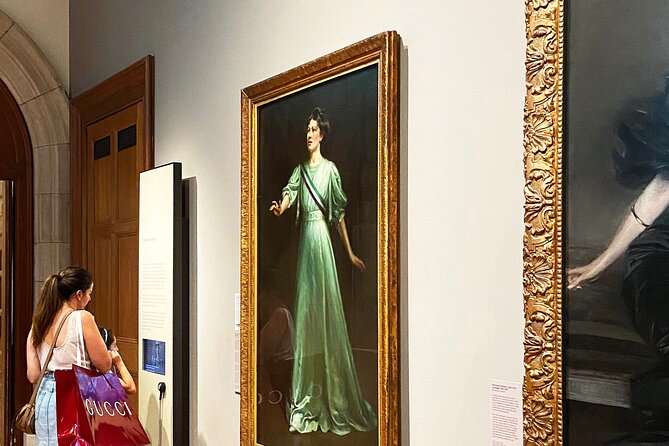
This experience fits history lovers and art lovers who want the “so what” behind portraits. The theme is especially appealing if you like:
- British social and political change
- Women’s rights history through suffragettes
- Writers and reformers who argued for a different future
- Portraits that carry meaning beyond the face
I also think it works well if you are from London and want a smarter museum visit than a quick walk-through. Past experiences with guides like Charlotte show that you can get fresh context even when you think you know the museum.
If you are bringing mixed-interest companions, the portrait format is a bridge. Art people get something to look at. History people get a storyline.
How to ask better questions on a private gallery tour
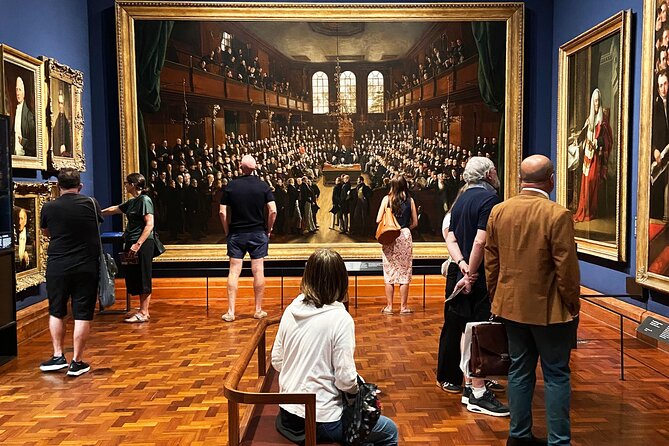
A private tour is only “private” on paper if the conversation never changes. Here, you get lots of chances to ask your guide questions, and you should use that.
Keep questions simple and specific:
- Ask why a portrait is framed a certain way.
- Ask what role the person played in reform or revolution.
- Ask how the movement changed public opinion, not just laws.
- Ask what to notice in the next portrait so you can see it yourself.
If you ask in that practical way, the guide can connect you to details that make the museum stick in your mind after you leave.
Also, since the tour lasts about two hours, try to prioritize your top interest early. Once you are deep into the galleries, you may have a clearer sense of what you want more of.
Should you book Rogues and Rebels at the National Portrait Gallery?
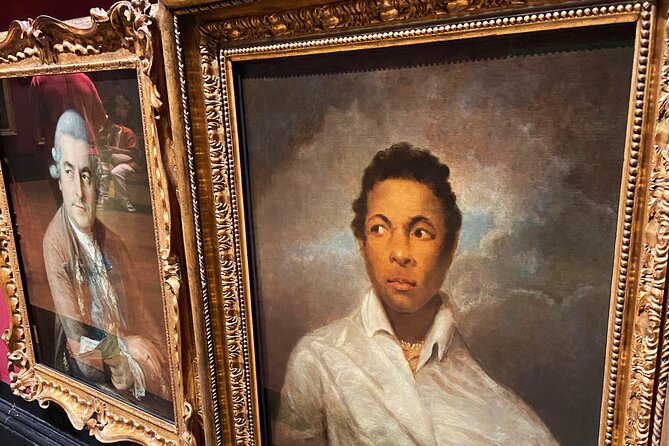
Book it if you want a guided, theme-led National Portrait Gallery visit where portraits teach you about British rebels, suffragettes, writers, and reformers. I think it is a strong choice when you value a private format and you want context you can use while you are looking at the art.
Skip it or consider a different option if you want to roam freely, see everything at your own pace, or you are not interested in the rebel and reform focus. Two hours is a sprint, so this is for people who like a focused route, not for people chasing total coverage.
If you like museums when they explain what you are seeing, this private tour is a good bet, especially with an expert guide like Charlotte known for detailed, history-forward explanations.
More Private Tours in London


More Tours in London


More Tour Reviews in London


Not for you? Here's more nearby things to do in London we have reviewed




More Museums worth a look.
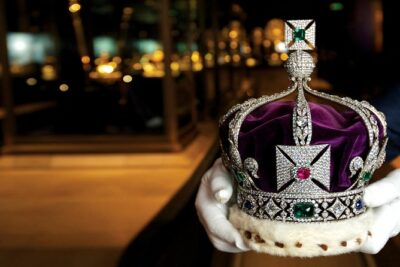 ★ 4.5Tower of London and Crown Jewels Exhibition TicketTickets from $496,677 guest reviews
 ★ 4.8Chelsea Football Club Stadium and Museum TourTickets from $434,576 guest reviews
 ★ 5.0Chelsea FC Stadium Tours and MuseumTickets from $441,908 guest reviews
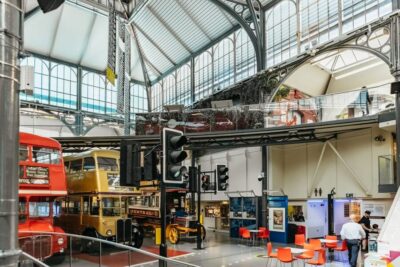 ★ 4.5London Transport Museum Entrance TicketTickets from $331,323 guest reviews
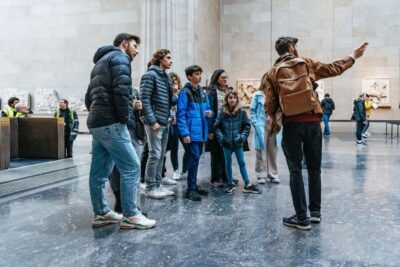 ★ 4.3British Museum Guided TourTickets from $231,182 guest reviews
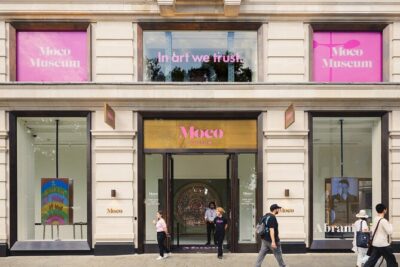 ★ 4.5Official tickets: Moco Modern & Contemporary Art MuseumTickets from $361,157 guest reviews
 ★ 5.0British Museum London Guided Tour Semi-Private 8ppl MaxTickets from $108984 guest reviews
 ★ 4.2Jack the Ripper Museum TicketsTickets from $18894 guest reviews
Continue by place or experience