
REVIEW · LONDON CITY TOURS
Make a Fascinator Hat with a Designer in London
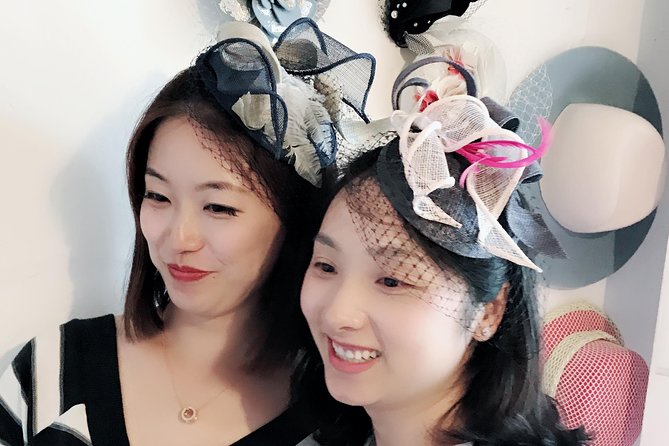
Tiny hats, big personality, in central London. This 3-hour workshop with designer Elena Shvab Millinery turns you into a real milliner, starting with a basic hat block and ending with a wearable fascinator you helped design. It is also a true small-group experience, so you get hands-on help instead of watching from the sidelines.
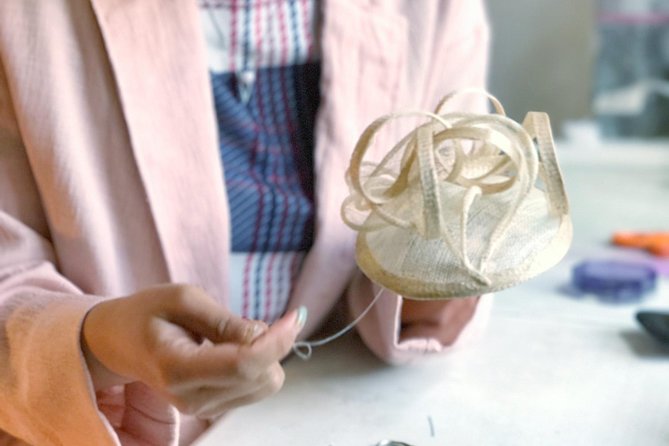
I really like the practical focus on technique, like building the base, working with wire, and learning how to use sinamay straw and veiling. I also love that you do not have to hunt for supplies, all materials and tools are provided, so the day stays simple and creative.
One drawback to factor in: it is not suitable for children under 8, and the workshop pace expects you to participate and concentrate for the full session.
Quick Highlights
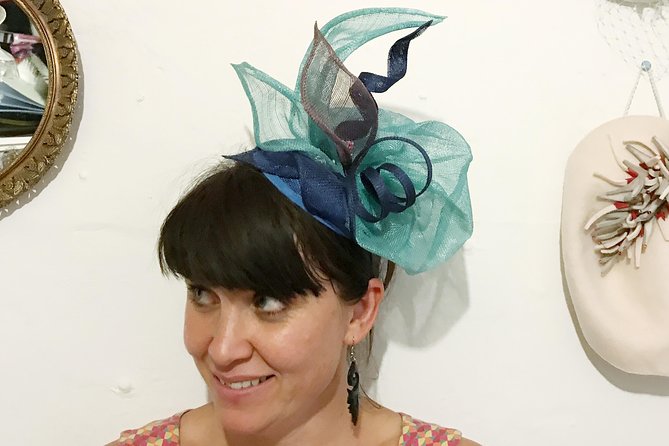
- Meet in central London at Make Space Studios, Newnham Terrace (SE1 7DR), with an 11:00 am start
- Small-group size capped at 6 for real guidance while you make
- Hands-on millinery skills: hat blocks, wire, sinamay straw rolling, veiling, steaming, and traditional stitches
- All materials included, so you can focus on making the hat instead of packing gear
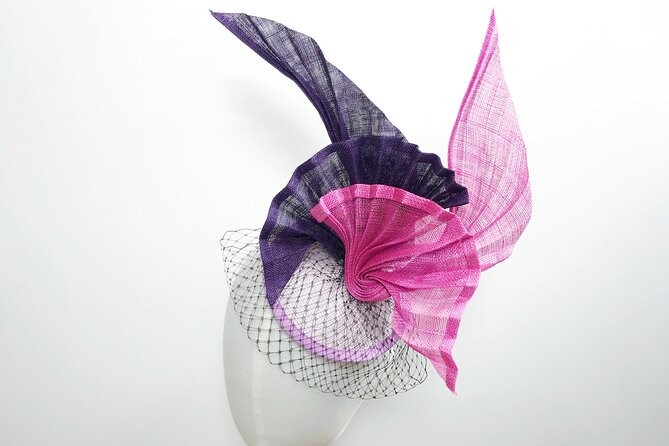
- Leave with a finished fascinator that is actually your design
- A cozy studio vibe, with patient, step-by-step teaching from Elena
A London Studio Session at Make Space Studios (Newnham Terrace)
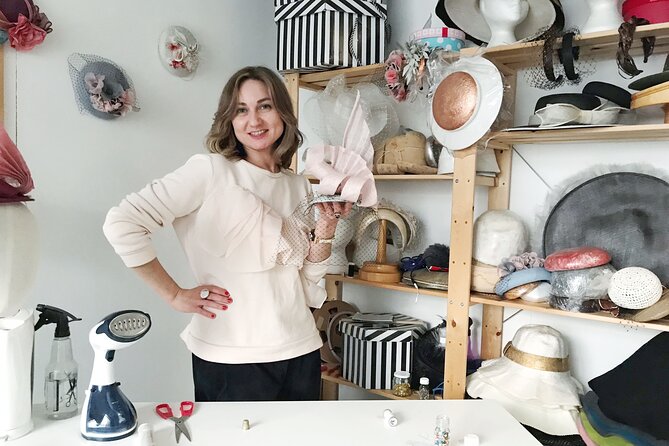
This is the kind of London experience that feels calmer than the big sights, because it happens in a studio setting. You meet at Make Space Studios, Newnham Terrace, London SE1 7DR, and the class starts at 11:00 am. It is in central London and near public transportation, which matters because you do not want a fiddly commute eating into your creativity.
The class is capped at up to 6 travelers, and that small size shows in the way the workshop works. You are not just learning facts, you are handling materials, trying techniques, and asking questions as you go. And because Elena teaches in English, you can follow the process clearly without guessing through language barriers.
The studio itself gets described as cozy, which I think is a big deal. Millinery is detailed work. A comfortable room helps you focus, and it also makes it easier to ask for a quick fix when your base, wires, or trimmings do not behave the way you hoped.
You can also read our reviews of more tours and experiences in London.

From Hat Block to Wired Base: What You Actually Learn
The workshop teaches you how to build a fascinator from the ground up. You start with a short introduction to hat making, and you will cover different hat styles, trims, and materials, so you get your bearings fast. Then it is time for the core skills that make a fascinator look professional instead of homemade.
Here is what you learn during the session:
- Make a fascinator base using a traditional hat block
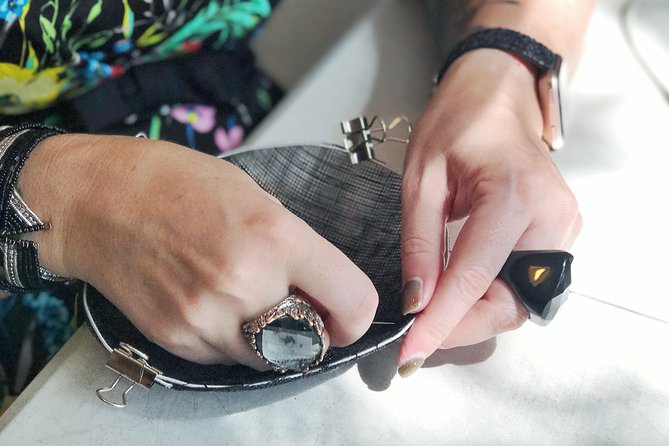
- Wire and trim the edges so your fascinator has shape and structure
- Manipulate sinamay straw using rolling techniques
- Work with veiling for that classic, soft, elegant look
- Use steaming and other methods to help materials fall and sit correctly
- Learn traditional millinery stitches, not just shortcuts
What I like about this list is that it is not random crafting. It is the actual building logic behind a hatmaker’s workflow. When you understand base, structure, texture, and finishing, you can keep making at home, even after the workshop ends.
And if you are a total beginner, you will still get value. The process is designed to teach the “why” behind each step, like why wire placement matters, or how shaping affects the final silhouette. By the end, you are not only wearing a finished fascinator, you are building real confidence.
What Happens in the 3-Hour Workshop Flow
A workshop like this works because it moves in a clear sequence. You are not stuck for hours on one tiny task. You start with fundamentals, build the base, then decorate and refine.
First, you meet the instructor and get a quick overview. This is where you learn about fascinators as a style category, plus how trims and materials change the vibe. It also helps you make choices as you go, so the hat you take home feels personal.
Next comes the base. You learn how to make the base using a traditional hat block, then wire and trim the edges. This part is practical and hands-on. You will likely spend time adjusting and testing shape, because fascinators depend on structure. A good base means the rest of the decoration sits right.
After your base is ready, you jump into trimming and decorating techniques. This is where sinamay straw rolling and veiling come in. You will also work with steaming to help materials sit properly. The workshop ends with you finishing your own fascinator, so you leave with something complete, not a half-built project.
One detail that shows up in people’s memories: the teaching style. Elena is patient and step-by-step, and that matters when you are working with materials that can be delicate or stubborn. If you mess up, you are not left on your own. You get guidance so you can correct course and keep moving.
Materials Are Included, So Your Day Stays Light

Let’s talk logistics that actually affect your experience. In this class, all materials and tools are provided, which is a huge quality-of-life win in London. You are not trying to carry straw, wire, veiling, glue, or cutters around town. You arrive, and the workshop supplies take over.
That also means the class stays fair for different skill levels. Everyone works with the same materials and tools, so you are not at a disadvantage because you packed the wrong supplies or brought something incomplete.
You do get to pick colors and build your own look as part of the process. People often remember that moment, because it turns the class from instructions into creation. Even if you think you have zero fashion sense, the structure of millinery techniques gives you a framework to make choices that look intentional.
Some sessions also include tea and snacks, and the studio setting encourages that slower, friendly pace. If you like activities where you can chat a bit while you work, this tends to land well.
Small-Group Comfort, Personal Attention, and Great for Bonding
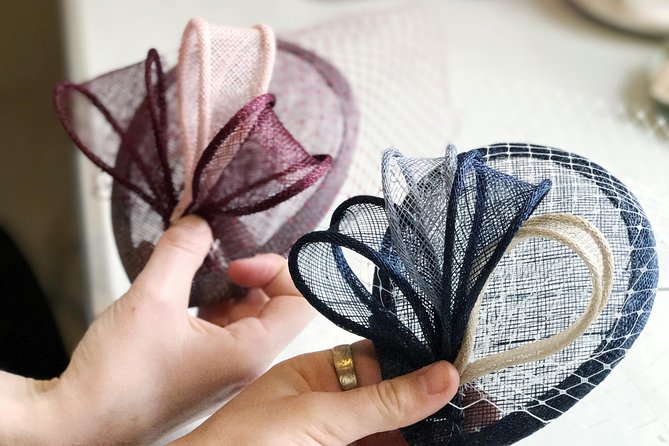
A max group size of 6 is not just a number here. It changes what you can do during the class.
With that size, you can:
- Get individual help when a base needs adjustment
- Ask questions mid-step instead of waiting until the end
- Move through the workshop with your own tempo, without feeling rushed
This is especially valuable if you are doing it with someone. Many people choose this kind of workshop as a mother-daughter activity, or as a multi-generational day out, because you can make something together that you will still have at home. You are not taking selfies and then leaving empty-handed, you are building an object with your own hands.
It also makes sense for couples or friends who want a shared creative project. One of the nice parts of millinery is that it is focused work, so you can talk while you craft, instead of having to perform or compete.
The other good news: most people can participate. That matters because millinery can sound technical, but this class is designed to be approachable.






Price and Value: Is $165.13 Worth It?
At $165.13 per person for about 3 hours, you might wonder if you’re paying for a fancy souvenir. Here’s the value equation as I see it:
You are paying for three things that are hard to DIY in one day:
- Guided instruction on real hatmaking techniques, like wiring, steaming, and traditional millinery stitches
- All materials and tools, which saves you money and time
- A finished custom fascinator you take home, made during the workshop
If you try to replicate this on your own, the time cost is big, and the learning curve is steeper than most people expect. Without a teacher, it is easy to end up with materials you do not know how to shape or materials that do not behave the way you thought they would.
The class price also makes sense because the session is small-group, and that keeps the instructor attention from spreading too thin. You are not just buying a seat, you are buying a guided making experience plus the supplies to complete it.
Weather and Scheduling Reality in London
London can throw weather curveballs, and this workshop takes that seriously. The experience requires good weather. If it gets canceled due to poor weather, you are offered a different date or a full refund.
Also, confirmation happens after booking, typically within 48 hours depending on availability. That means you want to plan your London days with enough breathing room for schedule shifts, especially if you are traveling during a busy week.
The start time is 11:00 am, and it runs up to 3 hours, so you can usually pair it with a late lunch or an afternoon museum visit nearby. Just keep your schedule flexible in case the studio proposes an alternate date due to weather.
Should You Book This Fascinator Hat Workshop?
If you like hands-on crafts, fashion, or doing something a bit different than the standard London checklist, I think you should book it. This is not a passive experience, you will touch the materials, learn the techniques, and leave with an actual hat you made yourself.
It is also a strong choice when you want a meaningful day with another person. The small group, the cozy studio pace, and the guided step-by-step teaching make it easier to have fun, even if you are not naturally crafty.
One reason to hold off: if you know you do not want to spend a focused stretch working with delicate materials, or if you are traveling with kids under 8. Otherwise, it is a very practical way to try millinery in a structured, welcoming setting, with the confidence that you will take home a finished result.
FAQ
How long does the fascinator hat workshop last?
It lasts up to 3 hours.
What is the price per person?
The price is $165.13 per person.
What is the group size?
The workshop has a maximum of 6 travelers.
Where do I meet for the class?
You meet at Make Space Studios, Newnham Terrace, London SE1 7DR, UK. The class starts at 11:00 am and ends back at the meeting point.
Do I need to bring any materials?
No. All materials and tools are included, so you do not need to bring anything for the workshop.
Is this workshop suitable for children?
It is not suitable for children under 8 years.
What if it gets canceled due to weather or you need to change plans?
The experience requires good weather. If it is canceled due to poor weather, you will be offered a different date or a full refund. You also get free cancellation up to 24 hours in advance for a full refund.
More Tour Reviews in London
Not for you? Here's more nearby things to do in London we have reviewed










More London City Tours worth a look.
 ★ 4.6The London Eye Entry TicketTickets from $3935,875 guest reviews
 ★ 4.7From London: Harry Potter Warner Bros Studio TourTickets from $11726,588 guest reviews
Westminster to Greenwich River Thames CruiseTickets from $2222,836 guest reviews
Magical London: Harry Potter Guided Walking TourTickets from $2022,044 guest reviews
★ 4.7From London: Harry Potter Warner Bros Studio TourTickets from $11726,588 guest reviews
Westminster to Greenwich River Thames CruiseTickets from $2222,836 guest reviews
Magical London: Harry Potter Guided Walking TourTickets from $2022,044 guest reviews
 ★ 4.6Madame Tussauds LondonTickets from $3620,915 guest reviews
 ★ 4.5Stonehenge, Windsor Castle, and Bath from LondonTickets from $11118,662 guest reviews
 ★ 4.7Warner Bros. Studio Tour with TransfersTickets from $14417,586 guest reviews
 ★ 4.7Tower Bridge Entry TicketTickets from $2115,560 guest reviews