
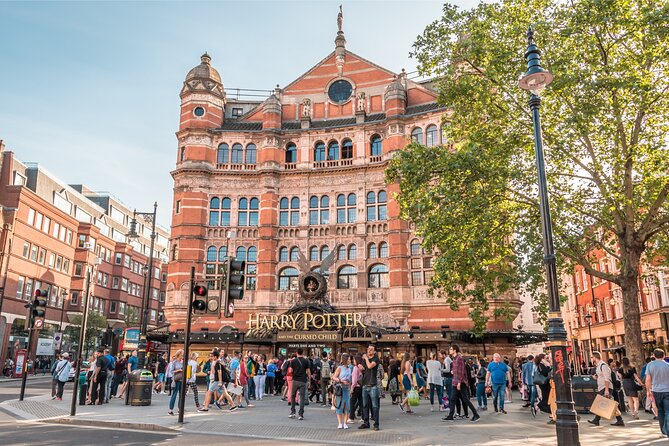
REVIEW · HARRY POTTER TOURS
Wizarding London: Interactive Game & Magical Walking Tour
London turns magical when you solve riddles. This self-led wizarding game sends you along real London streets tied to famous wizarding movie moments, from atmospheric alleys to the West End stage. I love that the experience is flexible, so you can start when you want and pause as needed. I also love that it is offline, so you are not hunting for signal while trying to read clues. One drawback to plan for: the storyline can feel lighter on Harry Potter specifics than you may hope, and the game relies heavily on reading on your phone, which can be tough for kids.
If you like walking with purpose, this works well. The route is about 3 hours at a relaxed pace, and it is designed for a moderate fitness level. You will have no physical tour guide, just your group plus a mobile ticket and the game on your phone, with the start and finish back at the same meeting spot.
Key things that make this game worth your time

- Start-and-stop freedom: begin anytime within the operating window, pause whenever, and resume right away.
- Offline by design: you do not need internet access to play.
- Street-level wizarding inspirations: Cecil Court and Goodwin’s Court connect to the look and feel of Diagon Alley and Knockturn Alley.
- West End wow factor: the Palace Theatre is part of the route, tied to the award-winning wizarding stage play.
- Riddle-first fun: puzzles are often described as a good challenge, not overly easy or brutal.
- No crowd-control theater: since it is self-guided, you control your pace instead of matching a guide’s stride.
The game at a glance, and why flexibility is the real upgrade
This is not a traditional guided tour where you stand in a line and wait for the next fact. It is an interactive walking scavenger hunt built around solving riddles while you move through London.
For you, that matters because your day in London probably has other plans. Want to eat first? Start later. Want to duck into a shop for a wand-like souvenir vibe? Pause the game, shop, then jump back in. This is the kind of flexibility that feels small at booking time, then becomes big once you are actually walking.
Two other practical wins are worth highlighting. First, you play offline, so you are not at the mercy of spotty mobile data when you need the next clue. Second, it is positioned as a private tour/activity for your group, which means you are not sharing the same route with strangers in a loud pack.
The one caution is simple: there is no physical tour guide. If you want someone to answer questions on the spot, you will not get that. You are the guide here, with the phone doing the talking.
You can also read our reviews of more walking tours in London



Where you start in Westminster, and how to plan your walk

You begin near Westminster Station, at Underground Ltd, Bridge St, London SW1A 2JR. You also finish back at the meeting point, so you are not stuck recalculating a route home at the end.
The game runs daily from 7:00 AM to 10:30 PM, and you can start at any hour that suits you. If you are trying to dodge crowds, go early or aim for late afternoon. If your group is slower, start earlier in the day so you do not feel rushed.
Bring a phone charger if you can. It is a mobile-ticket experience, and you will be reading clues as you walk. You will also want comfortable shoes, since London sidewalks do not care about your quest stamina. The experience is listed for moderate physical fitness, which usually means walking is central and you should be ready for some steady foot time.
For navigation, treat the phone as your map and clue sheet. One word of advice: keep your brightness up and your attention on the details nearby. Some clues are tied to specific objects and textures in the scene, so speed-walking makes puzzles harder.
Stop 1: Horse Guards Parade and the Whitehall start that sets the tone
Your quest starts at Horse Guards Parade by Whitehall. This is a strong opening choice because you are immediately in a ceremonial, central-London setting where lots of landmark energy surrounds you.
As you start, focus on the rhythm: read, locate, solve, move on. The game is built to keep you scanning the surroundings rather than just taking photos. If you like that kind of sightseeing where you pay attention to what is in front of you, you are in the right mindset from the first clue.
A practical note here. When you begin a scavenger hunt, it is tempting to rush the early puzzles. Resist that urge. Your first few answers train your puzzle instincts for the rest of the walk.
Stop 2: Trafalgar Square and the riddle moment in the open

Next you head to Trafalgar Square. This is a high-visibility stop, which means it is easier to orient yourself, and the scenery gives the game plenty of visual targets.
The wizarding angle at this point is tied to movie storytelling. The route includes a stop that connects with the films, including a nod to the path used by the Death Eaters on screen. Even if you are not a superfan of the exact cinematic beats, Trafalgar Square is the kind of place where riddles feel natural because there are obvious landmarks plus subtle details to spot.
One drawback to plan for at Trafalgar Square is crowd flow. Even with a self-guided format, public spaces get busy. The good news is you are not stuck waiting for a group. You can solve a clue, pause, and take the long way around if you need to breathe.
Stop 3: Cecil Court and Goodwin’s Court, your Diagon Alley feeling
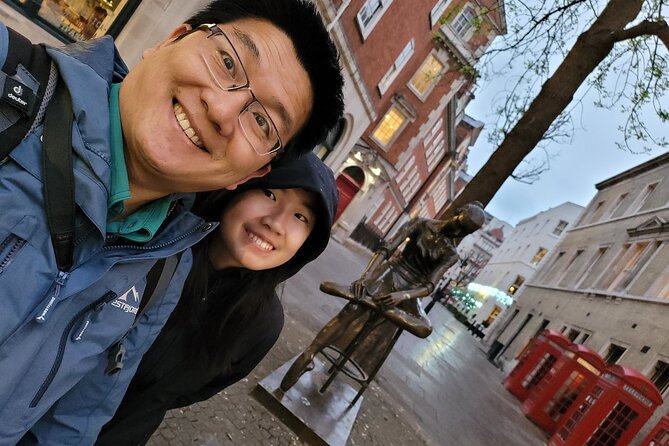
If the wizarding promise has a heart, it is here. Cecil Court and Goodwin’s Court are atmospheric lanes that help explain why Diagon Alley and Knockturn Alley became such enduring visuals.
This is the stop I would prioritize if you want the strongest wizarding vibe. These streets are made for slow walking. As you solve clues, you will likely notice the sense of enclosed charm, the shopfront feel, and the way the street narrows your focus. That is exactly what a good scavenger hunt needs, a setting that rewards attention.
Some people also value the fact that these side streets are places you might not hit on a typical first-time London route. The payoff is not just the “wow, cool alley” feeling. It is the practical side effect of your day changing shape: you start exploring like a local, not like a tourist checklist.





Stop 4: St. Clement Danes Church and a quieter puzzle break
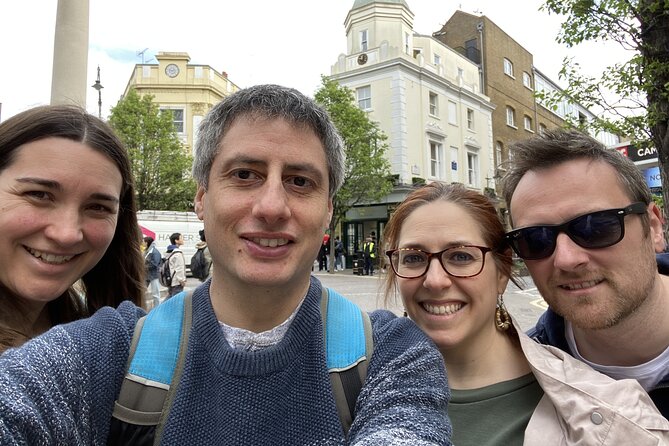
After the busier landmarks, St. Clement Danes Church offers a different pace. Churches and courtyards tend to slow people down, and that is useful when the game expects you to read clues and solve based on what you see.
This stop is also a good moment to reset your group. If you are traveling with kids, this is where you can switch from frantic clue-solving to calmer “look closely” mode. If you are traveling solo or with adults, it is a breather before the West End portion, where the route gets more performance-energy.
Keep your phone close but do not stare at it the whole time. A common mistake is treating the clue as a substitute for looking at the environment. The game works best when you use both.
Stop 5: Palace Theatre, where the wizarding stage energy lives

Then you reach the Palace Theatre. This is one of the most practical and memorable stops on the route because it ties into the award-winning wizarding stage play. Even if you are not seeing a performance the same day, standing outside the theater adds a real-world anchor to the whole wizarding theme.
West End locations are great for puzzles because they have consistent landmarks. You can also pair the game with other West End plans if you choose to. The theatre stop makes it easier to justify staying in this area rather than commuting back to your hotel right away.
If your group loves theater, this stop is the one that can turn the game into a full evening idea. If your group is more interested in the story side, it still gives a satisfying connection, because it is one of the few places where the wizarding concept meets a very recognizable London address.
Stop 6: Seven Dials and a last set of clues with city momentum
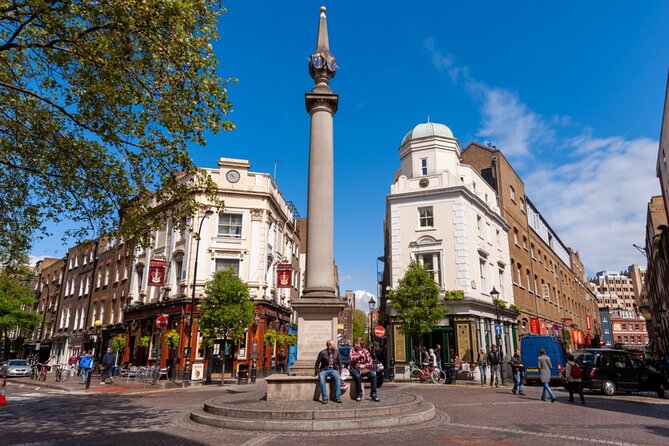
Seven Dials is a fun closer because it feels like a place where multiple streets meet and you can keep moving without the experience losing energy. As the game wraps up, the final stretch can become a mix of solving and exploring.
This is where you should slow down again near the end. It is easy to get tunnel vision late in a scavenger hunt, especially if you want to be done quickly. Finish with patience. Your last clue might depend on a small detail you would miss if you are already thinking about the next drink or meal.
Since the activity ends back at the meeting point, the ending is straightforward. You are not forced to tack on extra transportation just to get home base.
Price and value: what $7.21 buys you, and where it fits
At about $7.21 per person, this is priced more like an affordable attraction than a premium guided tour. That low price is part of the value story because you are essentially buying a structured walking route, puzzle design, and the flexibility of self-guidance.
You also get several practical cost savers:
- No need for guide time.
- No internet requirement, which reduces stress about data plans.
- Free entry for kids, which can make the overall day much cheaper for families.
Still, value depends on your expectations. If you want a traditional, guide-led history lecture, you may feel like the format is too light. If you want a fun way to walk and solve puzzles while seeing parts of central London, this price makes sense because you are getting activity value more than lecture value.
The sweet spot for value is when your group already likes games, scavenger hunts, or interactive learning. If your group hates phone-based reading, the low cost might still feel expensive because you will not enjoy the format.
What the puzzles feel like, and how the story stacks up
The game leans into riddle-solving more than constant exposition. Many people found the puzzle difficulty to be just right, not so easy that it feels automatic, and not so hard that it turns into frustration.
But the wizarding vibe can vary by person. Some players wanted a stronger Harry Potter feel. Others were happy as long as the puzzles worked and the walking route delivered interesting locations. So, if you are a stickler for canon, you might find the narrative less on-the-nose than you expected.
Here is a balanced way to think about it: treat the story as the wrapper, not the whole meal. The real on-the-ground experience comes from the streets you walk and the clues that push you to look closely at real details.
Kids and phone reading: the main consideration before you go
This is where you should plan the most. One recurring issue is that the game uses a lot of on-screen text. If you have children joining, you might end up doing the reading yourself, which can slow the group and turn the walk into one person narrating for everyone.
It is not that the route is not kid-friendly. Some people found the puzzles motivating for children. It is just that the storytelling and informational text may not match what younger kids want, which can cause them to tune out.
If you want this to work smoothly with kids, do two things:
- Split roles. One adult handles reading, and another manages pace and transitions.
- Bring short attention helpers. Snacks, water, and a plan for quick breaks make a phone-based activity more fun.
Also, keep an eye on patience. If clues are close to a statue or a specific object, kids might need you to point them to what matters, otherwise they may guess and lose motivation.
How to make it smoother in real life (not just on paper)
To get the best out of this kind of self-led game, a little prep helps a lot.
First, treat it like a scavenger hunt, not like a museum. You are walking from clue to clue. If you stop for photos, do it between puzzles, not in the middle.
Second, manage the phone experience. Use a power bank if you have one. Keep the game ready before you start so you are not scrambling for signals or battery. If your group includes kids, set expectations early, like this is a walk where solving matters, and breaks are part of the plan.
Third, pace your group intentionally. The route can take around 3 hours, and some people reported a shorter experience. That difference usually comes down to how often you pause for reading, shopping, or rerouting around crowds. Plan a buffer in your day.
Lastly, look at the streets with curiosity. Even if a clue feels a bit odd, the fun is in noticing what you would otherwise walk past.
Should you book Wizarding London?
Book it if you want a budget-friendly interactive walk that takes you through iconic areas and a few lanes you might not choose on your own. You will probably enjoy it most if your group likes puzzles and you like being able to set your own pace.
Skip it, or at least recalibrate expectations, if your priority is guided storytelling, a very strong Harry Potter canon experience, or minimal phone reading. If you prefer an in-person guide explaining details out loud, you may find the self-led format a mismatch.
If you go in with the right mindset, this can be a fun way to turn a normal London walk into a mission-based afternoon, with a West End finale and some genuinely atmospheric streets along the way.
FAQ
How long is the Wizarding London interactive walking tour?
It lasts about 3 hours, approximately. You can also pause and resume during your game, so your total time can vary based on breaks and walking pace.
Can I start the game whenever I want?
Yes. The experience is designed to be flexible, and you can start at any hour that suits you. The listed operating hours are 7:00 AM to 10:30 PM, Monday through Sunday.
Does the game require an internet connection?
No. You can play offline, and you do not need internet access to complete the city game.
Is there a physical tour guide with the experience?
No. This is a self-led activity. You use the mobile game on your phone, rather than following a guide in person.
Where do I meet, and does it end at the same place?
You start at Underground Ltd, Westminster Station, Bridge St, London SW1A 2JR, UK. The activity ends back at the meeting point.
Is it free for kids?
Yes. The experience is free for kids.
Can I cancel for a full refund?
Yes, free cancellation is offered. You can cancel up to 24 hours in advance for a full refund, and refunds are not available if you cancel less than 24 hours before the start time.
More Walking Tours in London


More Tours in London



More Tour Reviews in London
Not for you? Here's more nearby things to do in London we have reviewed










More Harry Potter Tours worth a look.
 ★ 4.7From London: Harry Potter Warner Bros Studio TourTickets from $11726,588 guest reviews
Magical London: Harry Potter Guided Walking TourTickets from $2022,044 guest reviews
★ 4.7From London: Harry Potter Warner Bros Studio TourTickets from $11726,588 guest reviews
Magical London: Harry Potter Guided Walking TourTickets from $2022,044 guest reviews
 ★ 4.7Warner Bros. Studio Tour with TransfersTickets from $14417,586 guest reviews
 ★ 4.6Warner Bros. Studio Harry Potter Tour with TransfersTickets from $1179,709 guest reviews
 ★ 4.7Harry Potter: Warner Bros. Studio Tour from King’s CrossTickets from $1516,442 guest reviews
 ★ 4.7Warner Bros. Studio Tour with Return TransportationTickets from $1175,752 guest reviews
 ★ 4.7Harry Potter Studio Tour and Oxford Day TripTickets from $1745,098 guest reviews
 ★ 5.0Tour for Muggles The Ultimate Harry Potter Walking Tour in LondonTickets from $234,684 guest reviews
Continue by place or experience