
REVIEW · LONDON CITY TOURS
London Soho District Guided Walking Tour Semi-Private 12ppl Max
Soho has layers, and this walk reads them. This semi-private London Soho guided walking tour keeps things small, with a maximum of 12 guests, and guides you from Piccadilly Circus vibes to Chinatown culture in about 2.5 hours. Along the way, you’ll connect famous street corners to music, political movements, and everyday London life.
I love the way the professional tour guide turns street names into human stories, from links to Jimi Hendrix and Beatlemania to Karl Marx and women’s suffrage in the Soho area. I also like the built-in food momentum, with a Chinatown finish that includes dumplings, plus a market stop at Berwick Street Market where street food and fresh stalls set the tone.
One consideration: this tour is not for wheelchair users or walking disabilities, and it does require moderate walking. If you need slower pacing, more stops, or lots of sitting, plan ahead because it is a steady walking route that runs rain or shine.
Key highlights you should care about
- Small-group control (max 12) so you can actually hear and ask questions
- Music plus politics in one route, from Hendrix and Beatlemania links to suffrage and Karl Marx
- Classic London landmarks start the day, Piccadilly Circus, the Eros fountain, and Shaftesbury Avenue
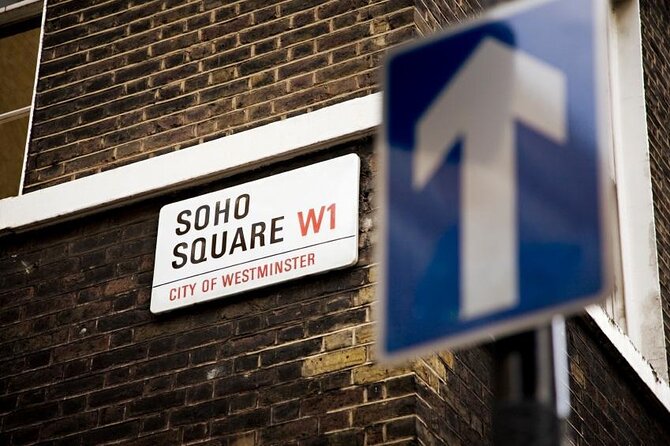
- Old Soho streets and squares, including Golden Square and Soho Square
- Market and pub culture, with Berwick Street Market and a long-running pub stop (Blue Posts)
- Chinatown as a satisfying ending, with the area’s mid-century story and a dumplings moment
Soho and Piccadilly Circus, in one guided loop
If you only know Soho for nightlife and shopping, this tour gives you the “why” behind the vibe. You’re not just walking past famous places, you’re tracing how different waves of London culture piled up in the same neighborhood. The route connects the big stage (Piccadilly and West End theaters) with smaller, more human stories: reform movements, changes in how disease was studied, and the slow building of community spaces in Soho.
The time on your feet is manageable, but it is real walking. The reward is that you end with a mental map of Soho that’s more useful than a list of sights. You’ll also finish in Chinatown, which is a great contrast, because Soho culture shifts from music and fashion energy to food and language on the same afternoon.
This is also a smart choice if you like contemporary history. London here is not only about kings and wars. It’s about posters, ideas, protests, neighborhoods forming, and how people found each other.
You can also read our reviews of more walking tours in London


Meeting at the Criterion Theatre, then finding your rhythm fast
You start at the Criterion Theatre area on Piccadilly, at 218 to 223 Piccadilly, London W1J 9HR. It’s a solid pick because you’re already in the heart of the city’s theater and transit web. From the start, the guide’s job is to get you oriented quickly, so you’re not standing around wondering what direction you’re going.
Because the group is capped at 12, it stays easier to follow. You can hear the key points without needing to crane your neck the whole time. That also matters if you’re the type who asks questions when something sparks your curiosity. This tour seems designed for that: the guide can shift emphasis to what grabs your group.
I also like that the tour runs rain or shine. London weather is famously unpredictable, so this format keeps the plan moving instead of constantly changing.
Piccadilly Circus and Shaftesbury Avenue: the loud intro
Piccadilly Circus is your first big landmark, and it makes sense as a starting point. It’s built in a way that funnels people in, and the architecture plus advertising creates an instant sense of what London “center stage” feels like. It’s also built to connect Regent Street with Piccadilly, so even if you’ve been here before, you get the planning story behind why this intersection matters.
Right after, you head to Shaftesbury Avenue and the Shaftesbury Memorial Fountain with the statue of Eros. This stop is more than a photo spot. The memorial is tied to Anthony Ashley Cooper, the 7th Earl of Shaftesbury, who is remembered for shifting attention from child labor toward school education. So you’re seeing a fun public landmark that also points to the Victorian-era push for social reform.
If you like architecture mixed with human motives, this start works well. If you’re expecting a quiet, scholarly walk, it’s still worth it, because the rest of the day settles into more neighborhood scale.
Soho streets as a timeline: music, reform, philosophy
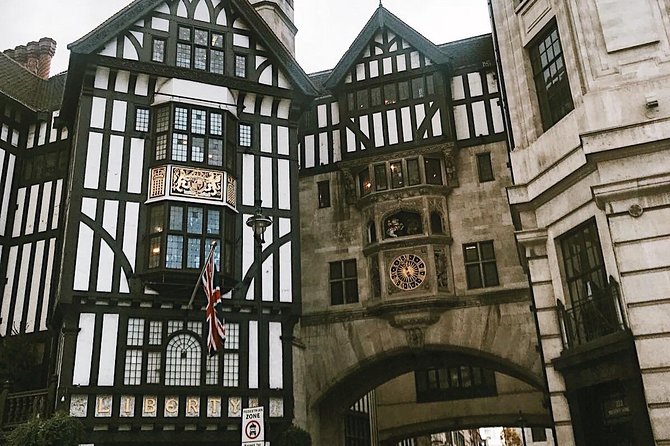
The heart of the experience is Soho, and the guide’s storytelling does the heavy lifting. This part of London is great for people-watching, but it’s even better when someone connects the dots between streets and events.
One of the most interesting threads is how music and pop culture show up in real locations. The route includes stories like where Jimi Hendrix first performed in town and where Beatlemania began, plus references to major recordings connected to the area. That turns the neighborhood into a living studio, even if the streets look the same as they did yesterday.
You also pass through a more intellectual Soho. Karl Marx appears as a point of discussion connected to Greek Street. Then the route ties in women’s suffrage with Golden Square, and you’ll also hear about an early study of epidemiology linked to Broad Street. Those sound like random facts until the guide frames them as part of Soho’s role as a place where ideas circulated and people tried to make sense of society.
Finally, there’s an LGBT history piece, focused on when the community began calling Soho home. The value here is that Soho isn’t treated as a single identity. It’s treated as a place where different communities shaped the neighborhood over time.
If you enjoy history that feels current, not dusty, this section is the reason to book.
Golden Square: a political square you can still feel
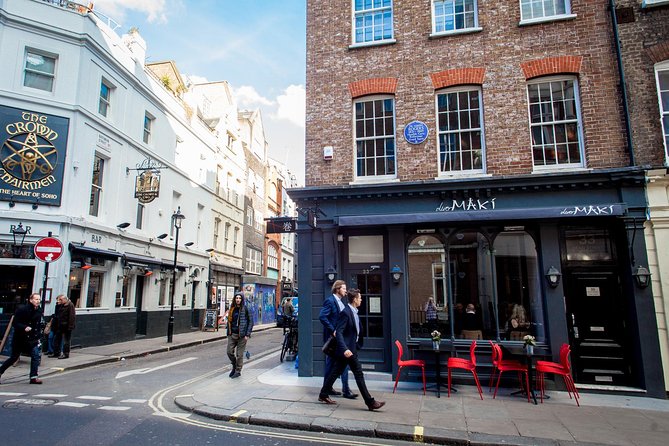
Golden Square is one of the stops where the neighborhood texture becomes very readable. It’s a traditional historic square in the center of Soho. Originally it was known as Goldring Square, and it’s thought to have been laid out with plans by Sir Christopher Wren in the 1670s.
Then the story shifts to what happened after the layout existed. Golden Square quickly became an area for political and ambassadorial activity in the late 17th and early 18th centuries. You’re basically standing in a place that once had power nearby, and that makes today’s city noise feel different.
The women’s suffrage thread adds another layer. This is where London’s reform history shows up in an outdoor, real-world setting. You’re not just reading about it. You’re walking through the geography where public action happened.
Possible downside? If you’re mostly into fashion and nightlife and you skip the idea parts, this stop could feel heavier than you want. But even then, it’s short, and the guide usually keeps it grounded and understandable.
You can also read our reviews of more guided tours in London



Carnaby Street: fashion street energy in pedestrian form
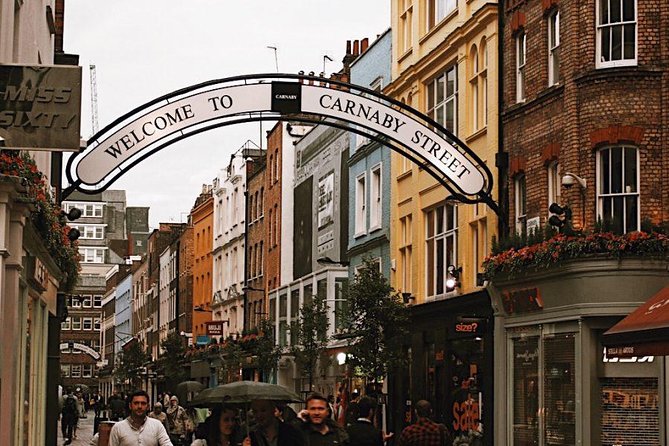
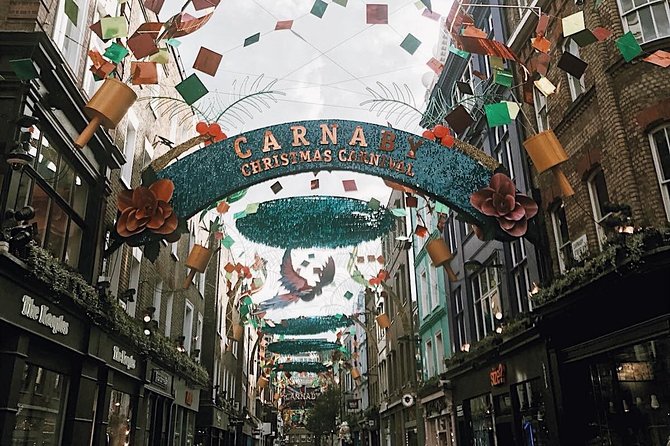
From Golden Square, you move toward Carnaby Street, a pedestrianized shopping street close to Oxford Street and Regent Street. Carnaby is known for fashion and lifestyle retailers, with over 100 international British heritage labels, independent boutiques, and one-off concepts.
This is a good reset point because you’re leaving the politics and philosophy stops and returning to a place people instantly recognize as modern culture. The pedestrian layout also makes it easier to see what makes Carnaby different from the surrounding streets. It’s less about grand monuments and more about how commerce shapes the street’s identity.
If you like browsing, Carnaby Street is where you’ll be tempted to stop and look longer than you planned. Just keep an eye on your guide and the pace, since the tour is time-based.
London Palladium exterior, then West End texture nearby
You’ll also see the London Palladium, a famous West End theater built in 1910. This isn’t a deep architectural lecture, but it’s a fun example of old entertainment tech and design. The theater retains original features and has its own telephone system, plus a revolving stage.
The Palladium stop comes with a clear note: admission here is not included. That matters because it keeps the tour focused on street-level sightseeing, not paid entry. If you want to go inside, you’ll need separate plans.
What you get, though, is context. You learn how theaters competed and evolved, and you get a sense of why the West End feels like a machine that keeps running. It’s part of the same Soho story, because Soho’s identity has long been tied to performance and attention.
Blue Posts pub: a long-lived corner of character
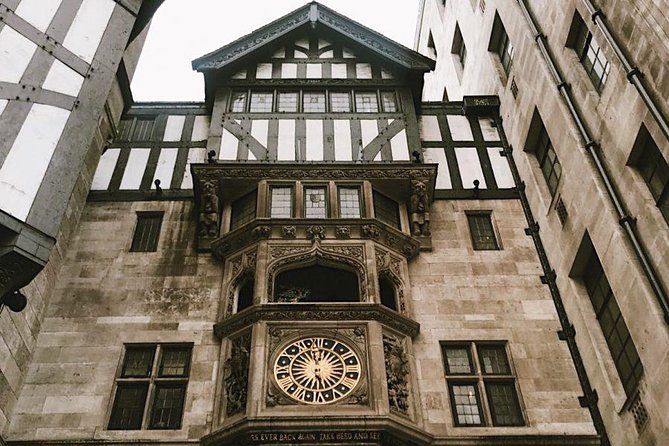
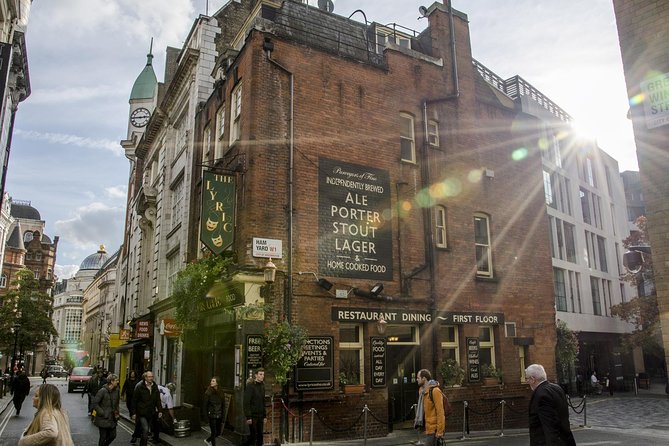
Next, you visit the Blue Posts, a traditional English pub that’s been revamped. What makes it interesting is its age and continuity. It has the same high ceilings and large windows it’s had for the last 275 years, which is a long time for a London address to remain recognizable.
The drink focus is practical too. The pub is known for independently brewed cask ales, craft beers, and ciders. Even if you do not drink, the idea is that this is a real functioning pub, not a theme set.
This is a good moment to breathe. It’s also a chance to ask the guide something informal, like what to do next in Soho after the tour ends. A small group makes those quick conversations feel easier.
Berwick Street Market: old roots and street-level food
Berwick Street Market dates back to 1778, and it’s one of those stops where you instantly understand how London neighborhoods fed themselves. It’s known for traditional fruit and vegetable stalls and for street food.
The practical value is that it gives you a taste of daily life, not just landmarks. If you want to understand how Soho works as a neighborhood, markets are a great shortcut. They tell you what people actually buy, where crowds move, and how different tastes show up in the same place.
You’re also at a good point in the route where energy can dip. The market helps reset that, especially if you grab a bite or simply watch people for a few minutes.
Soho Square to Chinatown: from garden square to Chinese neighborhood
After the market, you’ll reach Soho Square, a popular garden square behind Oxford Street. Dating back to around 1681, it has a traditional layout with a central mock-Tudor building. In its early years, it was one of the more fashionable places to live in London.
That kind of contrast matters. You go from the street food bustle to a more enclosed, designed space. Even if you only see it briefly, it helps explain why Soho always attracts people looking for both excitement and escape.
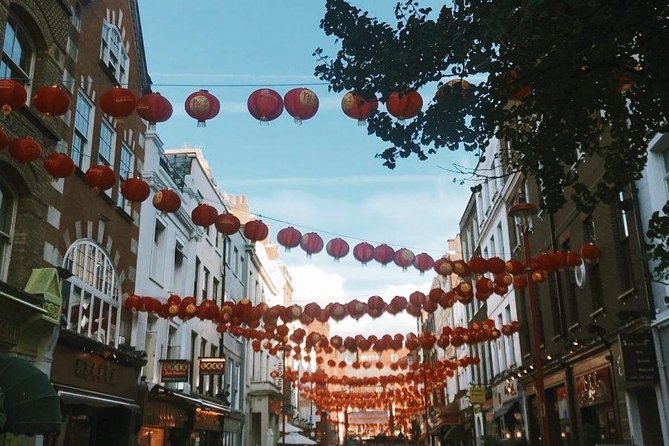
Then your tour ends in Chinatown. The area started to form in the 1950s when a handful of Chinese restaurants opened. By the 1960s and 1970s, it had become a hub for Chinese culture. The final stop is also where the day turns into a food reward: the tour finishes with dumplings in Chinatown.
If you want a simple plan for the rest of your evening, Chinatown is an easy win. It’s an area where you can keep moving without needing to travel far.
Semi-private really means something: up to 12 and guide flexibility
A big part of the appeal is the semi-private format, capped at 12 people maximum. In a big city like London, that size makes a difference. You get a better chance of hearing the guide. You get more chances to ask for clarifications. And the walk feels more like a guided stroll with stories than a conveyor belt of facts.
The strongest guide feedback you’ll see for this tour is that the guides can adjust. When the group shrinks, the experience can feel even more personal. Names like Laurence and Becky show up for being friendly and engaging, and guides such as Nathan, Sheldon, and Anthony get credit for being witty and bringing the area’s vibe to life. That kind of delivery matters because Soho can be confusing if you just follow street names.
Also, you may get help with food choices. Guides often steer people toward tasty options in places they might miss on their own, including food stops tied to the day’s themes.
Price and value: is $62.54 worth a 2.5-hour walk?
At $62.54 per person for about 2 hours 30 minutes, you’re paying for more than walking. You’re paying for interpretation, route planning, and a guide who connects the dots across music, politics, and neighborhood change. The value rises because the stops have free admission for most landmarks, so you’re not financing a string of paid entry tickets.
A useful way to think about the cost: you’re buying context. Soho is dense, and DIY can turn into random wandering. With a guide, you get direction plus explanations that would be hard to piece together quickly. If you’re short on time but want to feel like you learned something real, this price usually makes sense.
The tour does not include London Palladium admission. So if you were hoping for full theater entry, check how you want to spend extra time. Still, for an exterior-plus-stories approach, it fits the format.
Practical tips so you enjoy the walk
This is a walking tour with a moderate fitness requirement. Wear comfortable shoes and plan for street walking, not museum flooring. Bring a bottle of water. If rain is in the forecast, have an umbrella. Summer brings sun, so a hat can help.
There are also restrictions: no large bags or suitcases. So keep it light, like day-pack light.
You’ll also want to have your mobile phone number ready with your country code. Confirmation comes at booking time, and having that phone info helps everything run smoothly. The tour requires a minimum of 3 guests to operate. If the minimum isn’t met, you should expect either an alternate date or a full refund.
Finally, the route can shift due to national celebrations. If that happens, the guide will still aim to cover the highlights, though the exact route may change.
Should you book this London Soho guided walking tour?
Book it if you want Soho with meaning. This tour is a great match for people who enjoy street-level history tied to music, social movements, and the way neighborhoods form. The max 12 group size is a strong reason to choose it over larger tours, especially if you like asking questions and hearing the guide’s phrasing rather than just reading plaques.
Skip it or plan differently if mobility is an issue. It’s not designed for wheelchair users or walking disabilities, and it is rain or shine.
If you’re staying near Piccadilly or central London and want an efficient route that ends in a food-friendly area, this one is worth considering. You’ll leave with a map in your head that makes Soho easier to explore after the walk, not just a list of famous names.
More Walking Tours in London

More Tours in London



More Tour Reviews in London


Not for you? Here's more nearby things to do in London we have reviewed



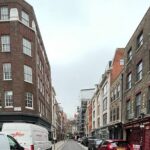


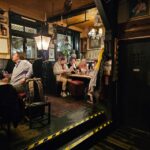
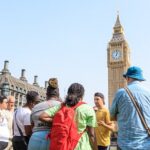
More London City Tours worth a look.
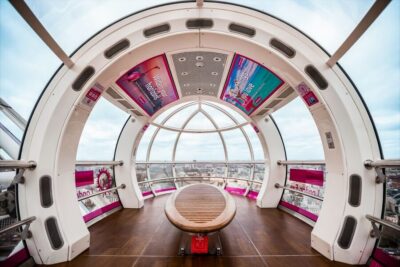 ★ 4.6The London Eye Entry TicketTickets from $3935,875 guest reviews
 ★ 4.7From London: Harry Potter Warner Bros Studio TourTickets from $11726,588 guest reviews
Westminster to Greenwich River Thames CruiseTickets from $2222,836 guest reviews
Magical London: Harry Potter Guided Walking TourTickets from $2022,044 guest reviews
★ 4.7From London: Harry Potter Warner Bros Studio TourTickets from $11726,588 guest reviews
Westminster to Greenwich River Thames CruiseTickets from $2222,836 guest reviews
Magical London: Harry Potter Guided Walking TourTickets from $2022,044 guest reviews
 ★ 4.6Madame Tussauds LondonTickets from $3620,915 guest reviews
 ★ 4.5Stonehenge, Windsor Castle, and Bath from LondonTickets from $11118,662 guest reviews
 ★ 4.7Warner Bros. Studio Tour with TransfersTickets from $14417,586 guest reviews
 ★ 4.7Tower Bridge Entry TicketTickets from $2115,560 guest reviews