
REVIEW · JACK THE RIPPER TOURS
Private Jack the Ripper Walking Tour of Whitechapel and Brick Lane
London at night turns eerie fast. This private Jack the Ripper walking tour takes you through Whitechapel and Brick Lane with a guide who turns street corners, letters, and locations into a clear story you can actually follow. Along the way you’ll pause at the places where the rumors became history, then look at period photos and case details on a 14-inch backlit tablet.
I love two things most. First, I like how the pacing stays tight and human sized, so you’re not sprinting between random landmarks, you’re connecting events site by site. Second, you get personal storytelling and a steady chance to ask questions, helped by the way the guide uses the tablet references as you walk.
One consideration: this is a murder-focused night walk, and there’s no food or bottled water provided. If you get cold easily or need frequent breaks, plan ahead and bring layers.
Key takeaways before you book
- Private, up to 5 people means you’re not competing for the guide’s attention in a crowd.
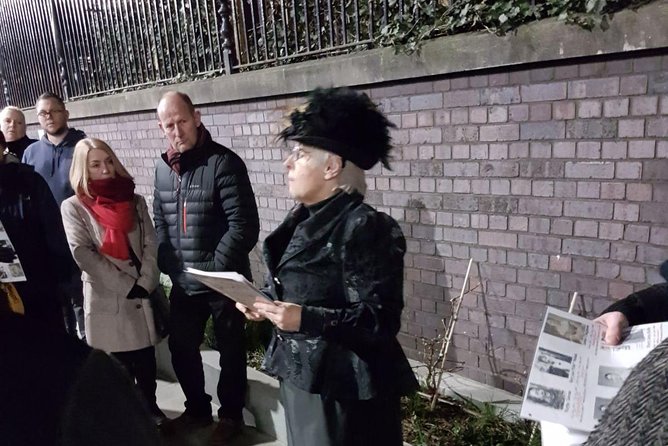
- Victorian-style on-street storytelling from Jenny makes the locations feel like they belong to 1888.
- A 14-inch backlit tablet helps you see photos and documents clearly while it’s dark outside.
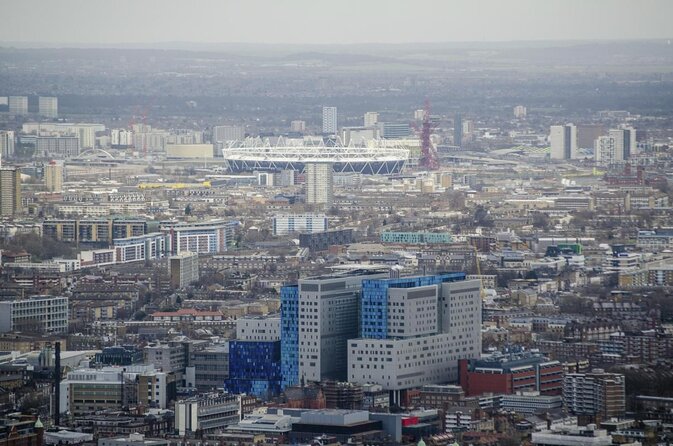
- A tight East London route links the murders, the letters, and the pubs and streets in one walkable loop.
- Stops are short but specific, so expect a lot of “small details that matter” rather than long museum time.
Why this Whitechapel and Brick Lane Jack the Ripper tour feels different
A lot of Jack the Ripper tours turn into a loud history lecture. This one stays calmer and more focused because it’s private, with only your group. You move through a compact slice of East London, where the streets themselves do the teaching. You’re not just looking at a plaque, you’re learning why that corner matters.
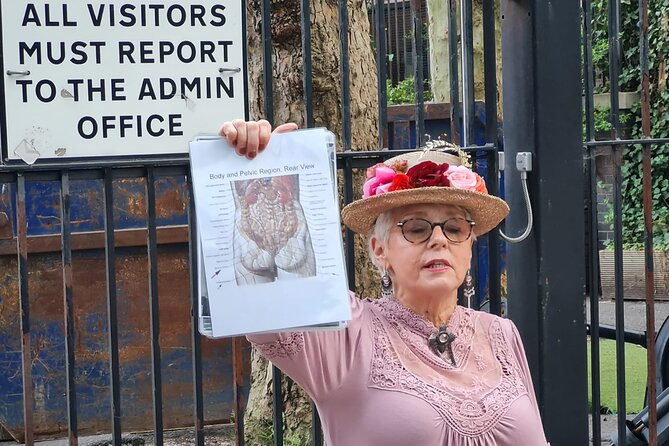
I also like the practical angle. The tour doesn’t rely on vibes alone. You get physical references, photo and document-style images shown on the guide’s tablet as you stand near the relevant streets and buildings. It makes the story easier to track, especially if you are the type who likes names, dates, and locations lined up in your head.
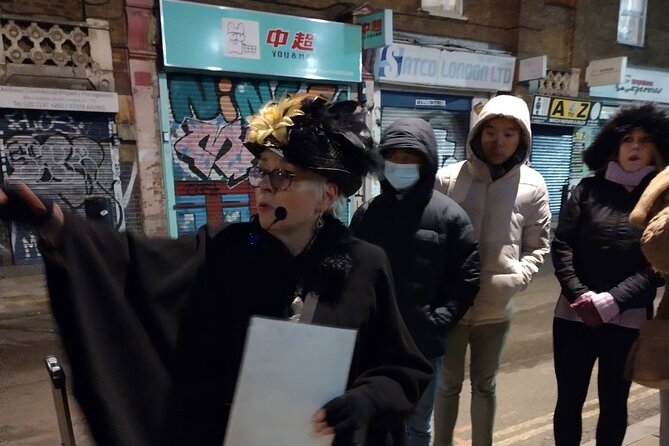
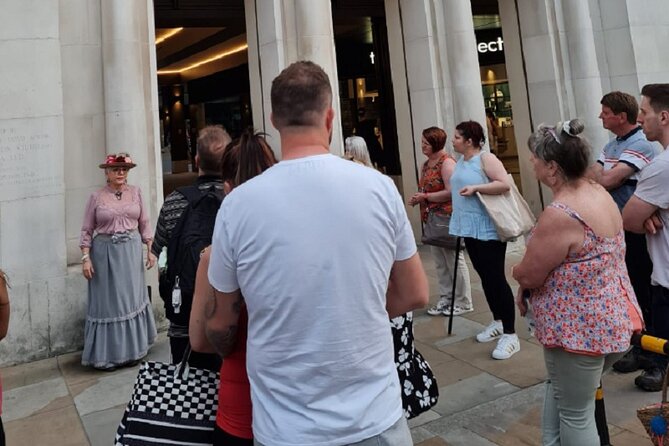
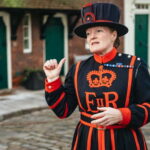
And yes, Jenny leans into the Victorian mood. She has a theatrical, in-character style, often dressed in Victorian costume, and she uses it to keep the tone moving without turning it into pure gimmick. The result is a night walk that feels like a guided case review, not just a spooky walk in the dark.
You can also read our reviews of more walking tours in London


Meeting point, timing, and what the 2 hours 30 minutes is really like
You meet at Aldgate High Street in the City of London area, then the walk continues through the East London sites and ends at Bell Lane. The full experience runs about 2 hours 30 minutes, with time built in at each stop for the story, the tablet references, and a quick moment to look around.
The schedule is set for late afternoon into evening, with the tour running Monday through Thursday from 3:00 PM to 9:00 PM. That means you’ll likely experience the story in the kind of light that suits it, but it also means you should dress for cool, damp London evenings. The tour is designed for walking, and the info suggests a moderate physical fitness level.
The route ends a short walk from Liverpool Street Station, about 5 minutes away. So after the tour, you can usually hop onto transport without feeling stranded out in the sticks.
Aldgate’s 1888 start: St Botolph’s Aldgate and Aldgate Square
The tour begins at St Botolph’s Aldgate, where you get set in the 1888 context. This first stop is a useful warm-up. Instead of jumping straight to famous names, you get grounding on the area and what life looked like back then. It helps the rest of the walk make sense, because you understand that this wasn’t an isolated crime stage. It was a neighborhood with real pressure on daily life.
From there you head to Aldgate Square, a spot tied to the poverty and workhouse reality that residents faced. The tour frames the area’s hardship in concrete terms, including the kind of places people depended on for work and lodging. Even if you already know the broad Jack the Ripper story, this part changes how you interpret what happens later. You’ll catch more of the “why there” logic.
Practical note: These first stops are short, so bring your attention with you. If you want photos, plan to use your own phone early, before the night gets darker and the guide’s tablet becomes the main visual tool.
Mitre Square’s double murder night, and why you stop longer there
One of the most important pauses is at Mitre Square, specifically tied to the murders of Elizabeth Stride and Catherine Eddowes on September 30, 1888. This is framed as the night of the double event, and it’s one of the longer story stops at about 20 minutes.
That extra time matters. It signals that the guide treats this not as a random headline, but as a sequence with context around the timing and the pattern. You stand in the square and get the story stitched together with the nearby streets, which helps you understand the geography of how things unfolded that night.
Goulston Street: the apron clue at 118-119
Next comes one of the “you have to see it where it happened” moments. The tour stops at the doorway at 118 to 119 Goulston Street, where an apron piece connected to Catherine Eddowes was found, along with graffiti on the doorpost.
This stop is brief, but it’s powerful because it turns the case from narration into physical evidence. You’re not only hearing a theory. You’re also seeing why small details like a fabric fragment or markings matter when investigators try to piece together what happened.
If you like mystery stories, this is where the tone stays most “case file.” If you are more sensitive to the subject matter, keep in mind that the emphasis here is on evidence tied to murder.
You can also read our reviews of more private tours in London



Martha Tabram and George Yard Buildings, the “first victim” idea

On Wentworth Street, the guide covers the murder of Martha Tabram, often believed to be the first victim associated with Jack the Ripper. Even with ongoing debate in any historical case, this stop is presented in a way that helps you understand why people connect her to the broader legend.
Then you walk to Gunthorpe Street, to view the location in George Yard Buildings tied to the Martha Tabram murder. These are short stops, but they are crucial for building the timeline. The tour uses these locations to show that the story is not only built from the biggest names people remember. It’s also built from the earlier, less famous cases that shaped how the legend formed.
Brick Lane and the Frying Pan Pub: Mary Anne Nichols’ last drink
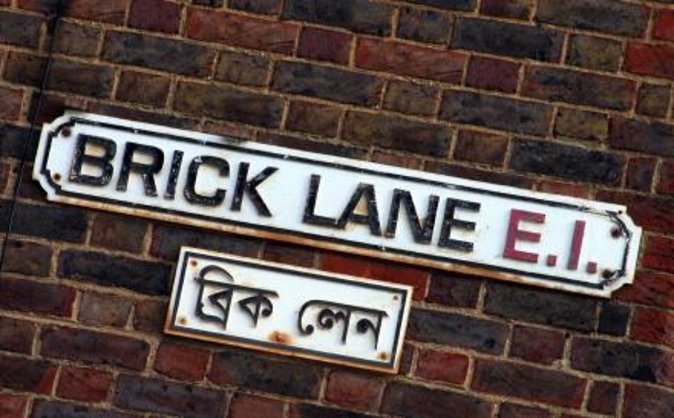
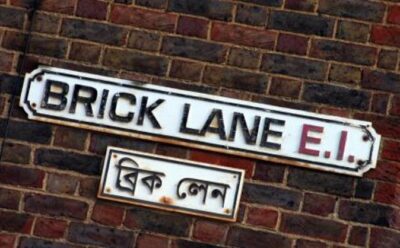
At Brick Lane, you stop opposite the Frying Pan Pub, where Mary Anne Nichols, sometimes called Polly, had her last drink. This stop is about 10 minutes and it gives you a classic East London “street life” angle.
What I like here is the grounding. You’re connecting the human routine of a pub and a last drink to a case that often gets talked about in abstract terms. It makes the story feel more immediate, because you’re literally on a real street where people still come and go.
If you want a calm moment, this is a good place to look around before you move on. You can see how the modern street sits on top of the old one, which is part of the thrill of walking tours like this.
Hanbury Street and 29 Hanbury Street: Annie Chapman’s backyard
On Hanbury Street, the guide highlights the site of Annie Chapman’s murder in the backyard of 29 Hanbury Street. Again, this is not a long stop, but it’s specific. You’re not just hearing a general story, you’re being pointed to a particular part of the address.
This is also a good reminder that many of these crimes happened in close quarters. Small yards, shared back spaces, and cramped structures played a role in how the neighborhood worked. The walk helps you visualize that built environment, so later references to courts and passages feel less random.
The Dear Boss letter at Puma Court
At Puma Court, you examine the Dear Boss letter sent to the Central News Office. This is a very “story turns into documents” type of stop, about 10 minutes.
What makes it interesting is how the tour links rumor and performance. Letters like this are where the legend grows teeth. They aren’t just background, they are part of the way the case became public and how people started interpreting the killings through the lens of messaging.
If you like the written side of true crime, you’ll enjoy this segment. The guide uses the tablet references so you can focus on what the letter points to while you stand in the area tied to it.
Ten Bells and Christchurch graveyard: a pub stop with a purpose
Near The Ten Bells, you stop opposite Mary Kelly’s favorite pub and also near Christchurch graveyard, a place where many homeless prostitutes used to gather in the day. This stop is about 8 minutes.
This is one of those moments where the guide uses contrast. A pub is social, lively, everyday. A graveyard is quiet and final. Putting them close on the map gives you a clearer sense of how public life and hard circumstances overlapped in the neighborhood.
It also helps you understand why the guide pays attention to where people gathered, not just where crimes occurred. Even if you think you know the main names, the tour’s emphasis on everyday meeting points makes the area feel more real.
From Hell at the London Fruit and Wool Exchange
At London Fruit and Wool Exchange, the tour covers the From Hell letter sent to George Lusk of the Whitechapel Vigilance Society. The guide includes two stops here. First you look at the passage leading to the central courtyard, then you continue to the courtyard area tied to the later part of the case.
This is one of the most interesting sections because it connects the letters to real local institutions. It’s not just “a letter appeared.” You see how messages were tied to people and organizations in the neighborhood. The language and the tone of the documents become part of how the story spread.
If you like context, you’ll probably appreciate the way the guide keeps returning to cause and effect, even when you are moving fast through streets.
Mary Kelly’s last victim site and the suspected men behind the legend
The final stop brings you to the courtyard where Millers Court Dorsett Street once stood, tied to the murder of Mary Kelly, the last victim associated with the case. Here, the guide also discusses some of the men suspected over the years, and then you finish with a short walk from Liverpool Street Station.
This closing segment is about 20 minutes, which signals the tour’s focus on ending strong with the last major location and the ongoing questions that come after. It’s also where private tour format helps. If you have been collecting names and theories along the way, this is when you can ask the questions you saved up, and Jenny can help connect the dots.
The 14-inch backlit tablet: why it helps on a night walk
One standout feature is that the guide brings a 14-inch backlit tablet showing photos of murder victims, sites, and relevant case materials. On a dark evening walk, this is a practical advantage. You can actually see images without squinting into a phone screen.
It also helps the story stay anchored. When the guide shows a period photo or a document-style reference at a specific street, you’re more likely to remember the location. You can look from the image to the building line, not just stare ahead and guess.
The tablet doesn’t replace the streets, but it adds structure, like having a case binder in your guide’s hands.
Value and group pricing for a private East London night walk
This tour is priced as a private group experience up to 5 people, listed at $205.76 per group. There’s also a private tour pricing statement that says a base price of £150 for a group, with any extra persons at £25 per person.
Either way, the value is about what you get: one guide’s full attention, a tight route through key sites, and the tablet references. If you’re coming with friends or family, splitting the group cost makes this kind of private, high-effort guiding much more reasonable than per-person group tours.
If you’re a solo traveler, you may want to compare the cost to standard group options. The difference is what you trade: you’re paying for the quieter, more detailed pacing and the freedom to ask questions.
Who this tour suits, and who might want a different style
This is a strong fit if you:
- like true crime history grounded in real addresses and geography
- want a private pace rather than a crowd pushing you forward
- enjoy period photos and letter-style references as you walk
- can handle a murder-focused subject told at street level
It might be less ideal if you:
- don’t enjoy dark historical topics
- feel uncomfortable in cold, dim nighttime conditions and can’t dress for it
- need lots of rest breaks, since the stops are timed and the walk is active
Also, it’s suggested for ages 12 and up, and the tour notes moderate physical fitness. If you’re traveling with kids, it’s worth checking that they can handle the content and the walking time.
Should you book the Jack the Ripper Walk of Whitechapel and Brick Lane?
I’d book this if you want a focused, private way to learn the Jack the Ripper story in one tight East London loop. The combination of Jenny’s in-character storytelling, the street-specific stops, and the 14-inch backlit tablet makes the experience more than just a spooky stroll.
I wouldn’t book it if you’re looking for a gentle, family-friendly “London myths” walk, or if you hate walking in chilly evening weather without food or water included. But if you’re prepared for a darker history evening and you like details tied to places, this is a smart use of time.
FAQ
How long is the Private Jack the Ripper Walking Tour of Whitechapel and Brick Lane?
The tour runs for about 2 hours 30 minutes.
Where does the tour start and end?
The start point is Aldgate High St, London EC3N 1AH. The tour ends at Bell Lane, London E1.
Is this tour private, and how many people can be in the group?
Yes, it’s a private tour/activity, and the basic price is for up to 5 people.
What’s included during the tour?
You get photo references and area visuals on a 14-inch backlit tablet for high-quality viewing. It’s offered in English.
Is food or bottled water provided?
No. Bottled water and food or drink are not provided.
Can I cancel for free?
Free cancellation is available. You can cancel up to 24 hours in advance of the experience start time for a full refund.
More Walking Tours in London
More Tours in London


More Tour Reviews in London


Not for you? Here's more nearby things to do in London we have reviewed




More Jack the Ripper Tours worth a look.
 ★ 4.7The Original Jack the Ripper Walking TourTickets from $257,833 guest reviews
 ★ 4.5London Jack the Ripper Guided Tour with Ripper-VisionTickets from $274,840 guest reviews
 ★ 4.7Jack the Ripper Small Group TourTickets from $263,159 guest reviews
 ★ 5.0London Jack The Ripper Guided Walking TourTickets from $03,131 guest reviews
 ★ 4.6German Language : Original Jack the Ripper TourTickets from $241,805 guest reviews
 ★ 4.5Jack the Ripper Walking Tour – Ripper Vision ToursTickets from $261,752 guest reviews
 ★ 5.0Ultimate Jack the Ripper : Guided Tour of LondonTickets from $271,495 guest reviews
 ★ 4.9Jack the Ripper Evening Walking TourTickets from $331,449 guest reviews
Continue by place or experience