
REVIEW · PRIVATE
Great Artists : Impressionists, Monet & Private Art Studios
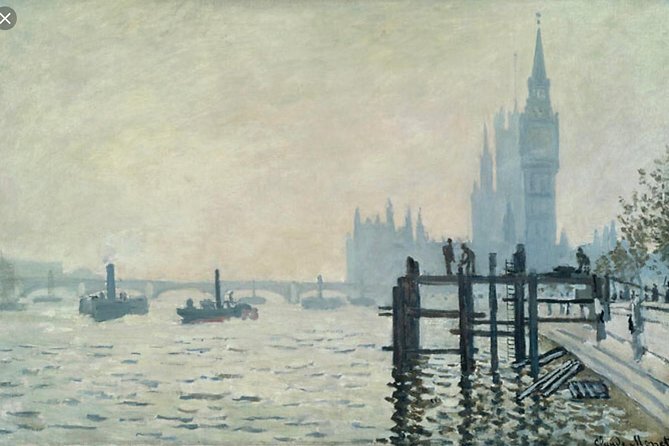
Monet and Turner make more sense on foot. This private 3-hour walk ties London landmarks to Impressionist ideas and the lives behind the paintings, with a professional artist guide keeping the story moving along the Thames. I love the personal, private feel, like you are exploring with someone who actually cares about the details.
The second thing I like is how the route is built around viewpoints you can stand in front of, then connect to what the artists were looking at. One possible drawback: part of the journey involves walking between stops, and at least one major sight has admission listed as not included, so plan for that extra cost if you want to go inside.
Key things to know before you go
- Private group with a professional artist guide who focuses on the stories behind the art
- Thames-linked landmarks that connect Monet and Turner to real London scenes
- National Gallery time with Impressionist works and other artists linked to war-era fleeing
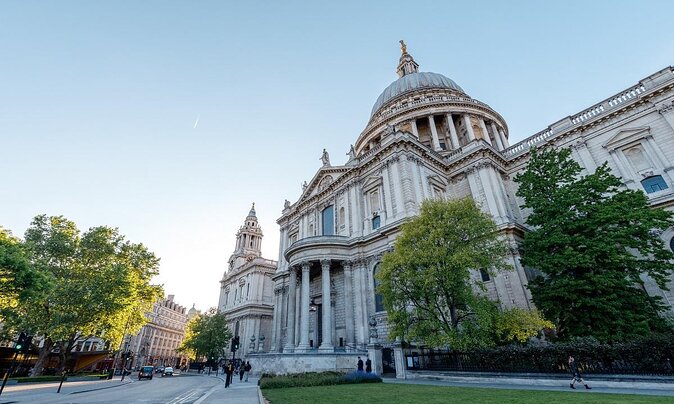
- Short, focused stops at St Paul’s, Westminster Bridge, Victoria Embankment, and The Savoy
- Valery as a standout guide name in past experiences, with strong context and friendly Q and A
A 3-hour Thames walk through Monet and Turner landmarks
This tour works because it treats Impressionism like a city experience, not just a museum topic. You start near South Bank and move through classic London sightlines toward the National Gallery. Along the way, you connect brushwork and style to specific places and events, including the sort of history that made artists leave Paris and reshape their careers.
I like that the tour is tight and human-paced. The stops are short enough that you do not feel dragged from place to place, but long enough for real story time. And because it is private, you can ask questions as you go, instead of saving everything for the end.
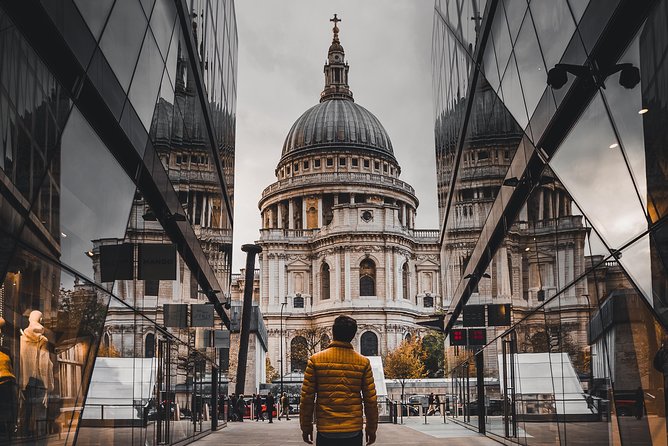
It is also a good way to see London’s big names without turning the day into a checklist. St Paul’s Cathedral is a huge visual anchor at the start, then the route leans into views along the Thames, Westminster, and the stretch around Victoria Embankment. You end in one of the best places in London for seeing how different artists influenced each other.
You can also read our reviews of more private tours in London


St Paul’s start: meeting near Southbank Centre and setting the art scene

You meet at Southbank Centre, on London’s South Bank, which is convenient because it is well connected and easy to orient yourself. From there, you head toward St Paul’s Cathedral, the first major stop.
Why this works: St Paul’s is visually powerful in its own right, but the tour also uses the cathedral area as a launch point into the artists’ London. You are encouraged to walk in the footsteps of major French Impressionist connections like Claude Monet, then shift to the Romantic lens of J. M. W. Turner. Even if you think you do not know much about either, this kind of start gives you a story map for the rest of the walk.
Timing note: this stop is about 15 minutes. Also, admission is listed as not included here, so if you want to go inside St Paul’s, you should be ready for a separate ticket. If you are mainly after the street-level storytelling, you can still enjoy it without that added step.
Practical tip: dress for weather. Even on a mild day, you will be outside through several short stretches.
Westminster Bridge viewpoints: Turner’s fire story and a Thames Path return
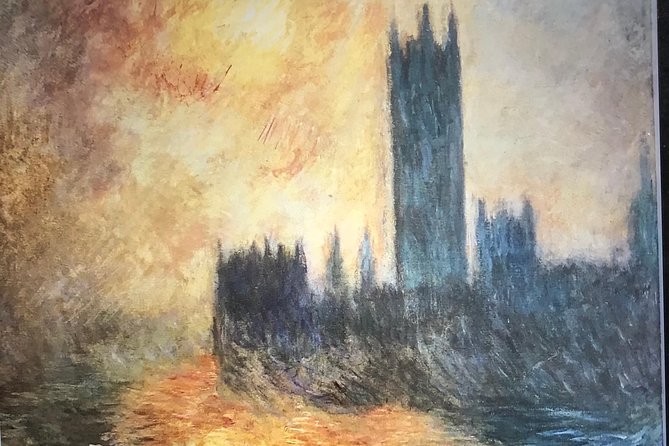
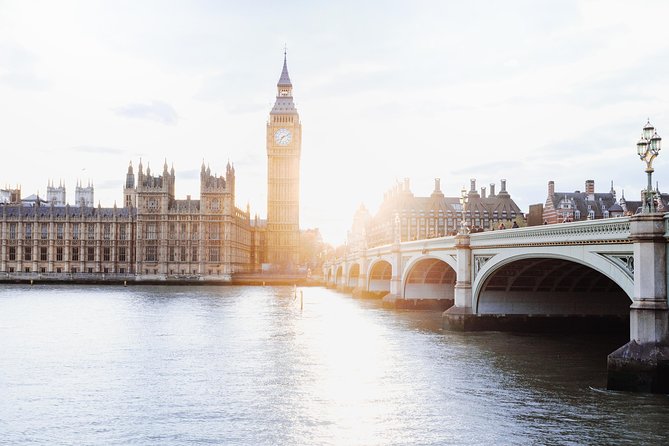
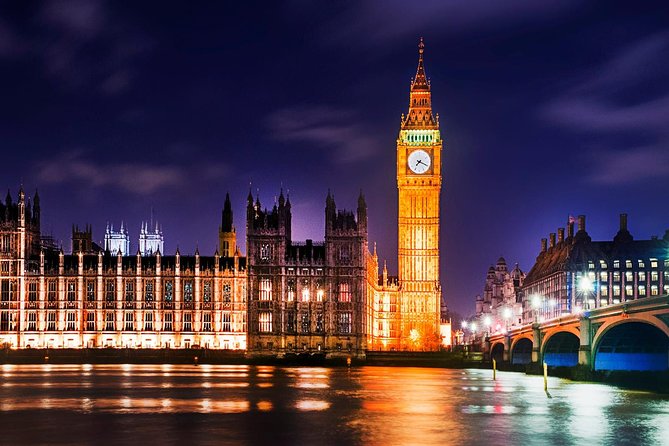
Next comes Westminster Bridge, and this is where the tour starts feeling like art criticism in motion. You move to a viewing spot tied to a key moment in J. M. W. Turner’s work, linked to the fire that destroyed the Houses of Parliament. The story includes a mystery that has only recently been solved, which is a great example of how the guide turns a painting into a living question.
From here, you also retrace your steps along the Thames Path toward the St Thomas Hospital viewpoint. That matters, because the guide uses the line of the river as an explanation tool. You are not just hearing about paintings, you are standing in the broader geography that shaped what artists saw.
This stop is about 15 minutes, and admission is listed as included for this segment. The idea is that you get the payoff without adding extra planning on the day.
What I love about this section: it gives you a way to look at London that is less about monument spotting and more about vantage points. You start noticing how artists translate smoke, light, and distance into mood.
Victoria Embankment: the war that pushed artists out of Paris
Victoria Embankment is short but packed with context. This is where the tour zooms in on the human side of art history: why the French Impressionists left Paris, what kind of refuge they sought during the Franco-Prussian War, and how those circumstances shaped subject matter and style.
The guide also brings in a London connection to Claude Monet, including details about his stay at the Savoy. This matters because it answers a common question you might have while touring London: why does an artist strongly linked with French scenes also end up connected to English landmarks and hotels?
Timing: about 15 minutes. Admission is listed as included for this stop.
If you care about more than just famous names, this segment is your payoff. It connects the big dates to real locations you can point at. And it does not get stuck in academic language. It stays focused on what those events changed for the artists’ lives and work.
The Savoy stop: Monet, hotel lore, and the Monet Suite question
Then you reach The Savoy. This is a quick, story-based stop, about 15 minutes, and it centers on Monet’s time in the hotel and whether he actually lived in what people call the Monet Suite.
This is a perfect example of the tour’s style. Instead of treating art history like fixed facts only, the guide discusses the version you might hear and then gives you the story behind it. That approach makes a famous name feel closer and less like a dusty plaque.
The practical detail: admission is listed as free for this stop. So you are not paying again just to stand there and hear the story.
What you should do at this stop: listen for how the guide connects place, privacy, and creative life. A hotel stay can sound like trivia until the guide ties it back to why an artist might seek a particular city, a particular comfort level, and a particular rhythm while working.




National Gallery finale: Impressionists, Sisley and Pissarro, and an Animalier
The tour ends at the National Gallery in Trafalgar Square, with about an hour to wrap everything up. This is the moment where the street-level stories and viewing points snap into place with the actual paintings.
You will see works by influential Impressionists and artists connected to the war-era disruptions, including names like Sisley and Pissarro. The guide also highlights the idea that some artists who fled conflict helped change how London looked at art, even after they were far from home.
There is also a fascinating side story here about a lesser-known Animalier who helped drastically change the cityscape. The tour does not overload you with names, but it gives you a thread that broadens your perspective beyond the paintings on the walls.
This is a stop with admission included, so you are not juggling tickets at the end. It is also the best place to ask deeper questions, because you are not racing between viewpoints. You can look longer, compare styles, and ask what to notice next.
Practical tip: if you like art museums, bring your attention. If you do not think you are a “museum person,” start with the guide’s prompts. It is easier to feel engaged when someone gives you a way to look instead of just asking you to absorb everything at once.
What makes a private artist guide actually worth it
A big reason this tour feels different is the guide style. Past experiences mention that it can feel like exploring a slice of London with a friend, not standing in a crowd waiting for the next talking point. That is not just a vibe. It changes how much you retain.
I particularly like guides who can handle side questions. During this kind of tour, you are moving through famous London, so you will probably wonder things like where to go next, why a building looks the way it does, or what is up with a certain landmark. A guide who answers those questions helps the day click into place.
Also, having a professional artist guide matters in how paintings are explained. Instead of treating Monet and Turner as name-and-date facts, the guide ties their choices to the places you just walked past. That makes the art feel less remote.
If you tend to learn best by connecting scenes to stories, this is a strong fit. And if you love the emotional side of art history, the Franco-Prussian War context gives the paintings more weight.
Price and value: how $929.40 per person shakes out
At $929.40 per person for a private 3-hour experience, this is not a budget tour. You are paying for three things: privacy, an artist guide, and guided access that includes some admission costs along the route.
Here is the value math that helps you decide:
- Private time: You get a route shaped to your group, not a fixed script for a large crowd. If you are traveling as a couple or small group, that private format can feel more reasonable.
- Multi-stop narrative: You are not just seeing one museum. You get a walking story from St Paul’s area, across Thames viewpoints, to the National Gallery with an hour on the paintings.
- Admission coverage on key segments: Some entries are listed as included, and the National Gallery admission is included. That reduces the hassle and adds value at the end when you are deciding whether to pay again.
If you are visiting London mainly for big-ticket sights and you do not care about art or artists, you might feel the price. But if Impressionism connects with you, or you want a way to look at it that is not stuck in a dark room, I think the cost starts to make sense.
Who this tour suits best
This is a great choice if you want art history you can see, not just read. It is also ideal if you enjoy walking but do not want an all-day trek. The stops are short, the duration is around 3 hours, and you have a clear ending point at the National Gallery.
It also fits well for people who:
- are new to Monet and Turner and want the basics in a story-led way
- already like Impressionism and want London context and added names like Sisley and Pissarro
- like asking questions and getting direct answers from the guide
- want a private experience, even if it costs more
You should plan around moderate physical fitness. The tour is not described as strenuous, but it does include walking between landmarks along the Thames.
Quick practical notes so your day goes smoothly
A few details will help you enjoy the experience more:
- You will have a mobile ticket, which is handy on the go.
- It runs in English.
- Service animals are allowed.
- It is near public transportation, so it is easy to reach the meeting point at Southbank Centre.
- The tour is private, meaning only your group participates.
One more thing: because you start near South Bank and end at Trafalgar Square, it is easy to plan a meal afterward around central London.
Should you book this Monet and Impressionists tour?
If you want a London day that mixes famous sights with a real art story, I recommend booking. The tour hits a nice balance: landmark viewing, artist backstory, and real painting time at the National Gallery. It also stands out for the private feel and for guides like Valery, who bring enough knowledge to explain Monet and Turner clearly while still answering general questions about London.
I would skip it only if you hate walking, dislike art museums, or are looking for a low-cost group tour. At this price, you are buying time, access, and context. If that is what you want, it is a strong way to see Impressionism from the streets first, then confirm it inside.
FAQ
What is the duration of the tour?
The tour is about 3 hours.
Where does the tour start?
You meet at Southbank Centre, London SE1, UK.
Where does the tour end?
The tour ends at the National Gallery, Trafalgar Square, London WC2N 5DN, UK.
Is this tour private?
Yes. It is a private tour, so only your group participates.
What language is the tour offered in?
The tour is offered in English.
What is included in the price?
A professional artist guide is included. Admission is listed as included for some stops, free for The Savoy, and not included for St Paul’s Cathedral.
Does the tour include entry to St Paul’s Cathedral?
Admission for St Paul’s Cathedral is listed as not included.
Is National Gallery admission included?
Yes. Admission is listed as included for the National Gallery stop.
Is the tour accessible for someone with moderate fitness?
The tour is noted as suitable for travelers with a moderate physical fitness level.
What is the cancellation policy?
You can cancel for a full refund up to 24 hours before the experience starts. If you cancel less than 24 hours before, the amount paid is not refunded. The experience can also be canceled if the minimum number of travelers is not met, with an alternative date or full refund offered.
More Private Tours in London


More Tour Reviews in London
Not for you? Here's more nearby things to do in London we have reviewed







More Private worth a look.
 ★ 5.0The Premier Classic London: Private 4-Hour Tour in a Black CabTickets from $5532,737 guest reviews
 ★ 5.0Stonehenge Inner Circle Private Tour from London with Bath VisitTickets from $1881,909 guest reviews
 ★ 4.4Tower of London Entry & Beefeater Private AudienceTickets from $661,441 guest reviews
 ★ 5.0Private Tour: Black Taxi Tour of LondonTickets from $3061,153 guest reviews
 ★ 3.5Private London Arrival Transfer – Airport to Hotel / AccommodationTickets from $861,085 guest reviews
 ★ 5.0British Museum London Guided Tour Semi-Private 8ppl MaxTickets from $108984 guest reviews
 ★ 5.0London Sightseeing Private Black Cab Tour with Hotel Pick UpTickets from $441917 guest reviews
 ★ 4.5VIP Tower of London and Crown Jewels Tour with Private Beefeater Meet & GreetTickets from $155849 guest reviews