
REVIEW · LONDON CITY TOURS
Exciting Full Day Walking Tour – See All London Sites
London never sits still.
This walking tour is a fast, focused way to see a stack of the city’s top sights in about five hours, with a real guide talking the whole way. You’ll hit Westminster, cruise the Thames highlights, and get photo stops at big-name places without having to plan a thing.
I especially like two parts: the small group size (up to 20) that keeps things personal, and the way guides turn each landmark into a story you can remember, not just a postcard. Ollie, Baha, and Mariana were singled out for being energetic, funny, and ready with the best photo spots.
One thing to weigh: this is a lot of territory, with short stops at many locations. If you want long museum time inside buildings, you might feel rushed, and since several stops list admission as not included, you may mostly view exteriors unless you book extra time on your own.
Key points before you go
- Short stops, big coverage: see dozens of landmarks with time for photos and commentary.
- Small group energy: a max of 20 travelers helps the guide keep control and pace.
- Photo help matters: guides like Ollie are quick to spot ideal angles.
- Royal day surprises: sirens and a royal vehicle can change the moment, fast.
- A “history with motion” style: you learn stories while walking, not in one long sit-down lecture.
- Some admissions aren’t included: you can plan on outside views at several famous sites.
A five-hour London whirlwind you can actually use
This tour fits a very specific travel reality. In London, the hardest part is not seeing the sights, it is picking what to see and how to connect it without losing half your day on transfers. This walk-heavy route is built for people who want to get their bearings fast and leave with a clear map of the city.
Think of it as a guided route through three zones: Westminster’s official power center, the West End’s famous squares and streets, and the South Bank corridor where London’s river drama plays out. You’ll get guide commentary that helps the places click, so later when you return on your own, you know what you are looking at.
The pacing is the main tradeoff. Most stops are 5 to 15 minutes. That works well for photo moments and quick context. It can feel long anyway, because walking all day adds up. If you have moderate physical fitness, you should be fine, but you still need good shoes and realistic expectations about time indoors.
You can also read our reviews of more walking tours in London



Starting at Charing Cross: Trafalgar Square and the National Gallery
You begin near Charing Cross, right where London’s geography starts to funnel you into the main tourist spine. The first stop is Trafalgar Square, a central meeting point that has anchored the city for generations. Even if you have seen it in photos, standing there lets you notice the layout and how the streets radiate outward.
Then you roll a few steps into The National Gallery. The cool part is that you get a museum anchor early, without burning hours. The stop is short, so you likely won’t see everything, but it gives you a sense of what the museum is and why it matters, especially if you later want to come back for a deeper visit.
Practical note: because the museum admission is listed as free, this is one of the easier “value wins” on the route. You might find it useful to decide in advance whether you want a quick look or you prefer just using it as a landmark stop.
Westminster power stops: Buckingham Palace, Westminster Abbey, and Parliament Square
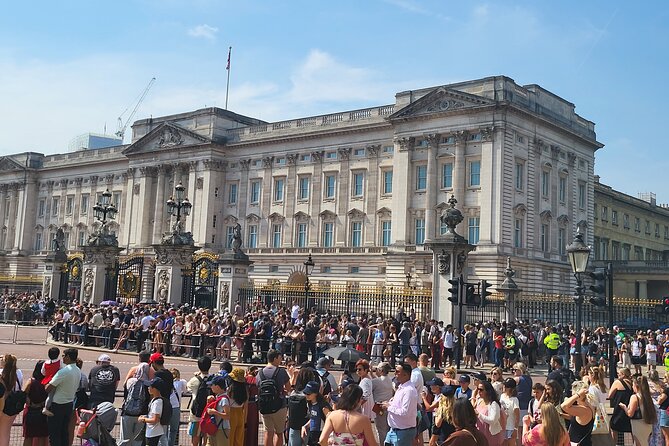
Next you head into the royal and governmental core. Buckingham Palace is one of those places where the exterior tells the story. In a short window, you can still spot the ceremonial feel of the setting and understand why it is the backdrop for major state moments.
A few minutes later, you reach Westminster Abbey. Even when you are not going inside, the building dominates the view. It helps you understand why this area is tied to major chapters of British identity and public life.
Then comes Parliament Square, an open green space that makes the whole political landscape feel more human. The statues around it make it easier to connect the names and roles you may see later when you look up Westminster’s institutions.
A small but important reality check: several of these stops list admission as not included. So plan for exterior viewing and guide-led context rather than a full inside visit during this five-hour window.
The royal mix-and-match: St James’s Palace and St James’s Park
This section is where you slow down mentally and notice contrast. St James’s Palace is the senior royal palace and it sits in the same Westminster ecosystem as the more famous ones. The guide talk here is often the difference between seeing a palace wall and actually understanding what is going on behind the scenes.
After that, St James’s Park offers a rare breath in the middle of a sightseeing sprint. It is listed as free, and it is also one of the best “stand still for a minute” moments on the tour. You get a classic London park scene while still staying within walking range of the royal center.
If you like parks as photo backdrops, this stop delivers. If you do not, it still helps you reset before the day turns into river and entertainment zones.
Piccadilly Circus and Leicester Square: the West End energy
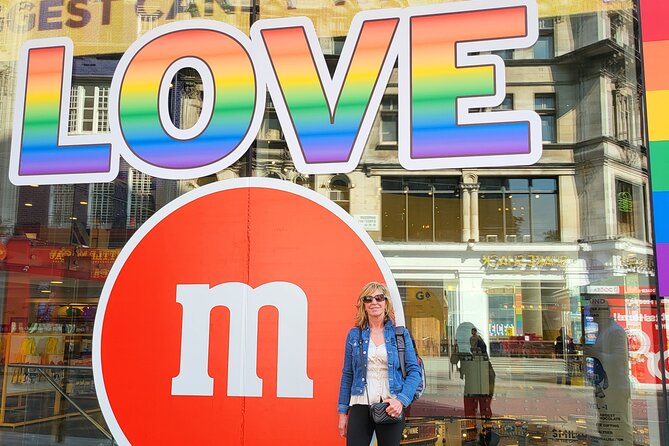
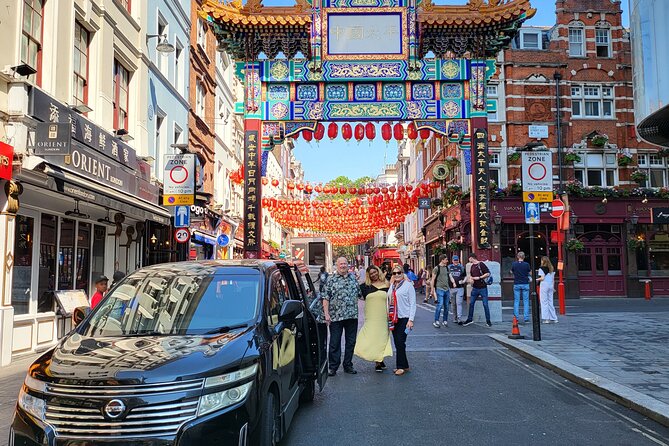
Once you step toward Piccadilly Circus, the tour shifts tone. This is where London becomes louder and more commercial. Your time here is short and the goal is simple: take a few photos near the famous Eros statue meeting point and soak up the street-level vibe.
Later you also reach Leicester Square, another West End hub tied to entertainment and big crowds. The value here is orientation. After this stop, you will know where to wander when you want shows, movie premieres, and the classic tourist street energy.
One caution, echoed by the idea that some parts feel more like shopping areas than history: this is a sightseeing route, not a museum-only day. If your priority is strictly historic sites, you may wish you had more time at Westminster buildings instead of a quick West End stop.
More London tours and experiences for the shortlist





London Eye views and the Thames photo line
The itinerary then points you to the London Eye on the South Bank. The London Eye is a headline attraction, and your short stop is about sightlines and atmosphere, not a long ride. Admission is listed as not included, so expect exterior viewing and a chance to appreciate why this spot is such a magnet.
From there, the tour starts following the river’s famous rhythm, crossing bridges on foot and snapping photos at the spots most people recognize instantly.
This is also where your guide’s “spot it first” skill really matters. One standout moment from Ollie’s group involved catching royal movement quickly, with sirens and a royal flag on a vehicle close enough that cameras were ready. That is the kind of live-London payoff you can get when your guide is alert.
Tower of London and Tower Bridge: the castle and the skyline
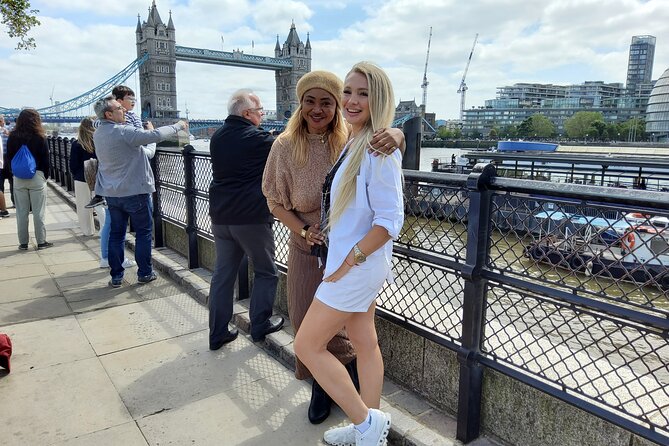
You move to Tower of London next. Even without admission included, the fortress shape and river setting give you immediate context for why it is one of the city’s defining sights.
Then comes Tower Bridge, the iconic crossing that most people can identify from a distance. You are only there briefly, but it is enough time to get your bearings and understand how it frames the skyline.
If you like photography, this is a strong block. The river angles and bridges create layers, and you can usually find a spot for a clean shot quickly.
The walk across the bridges: Millennium Bridge, London Bridge, and river rhythm
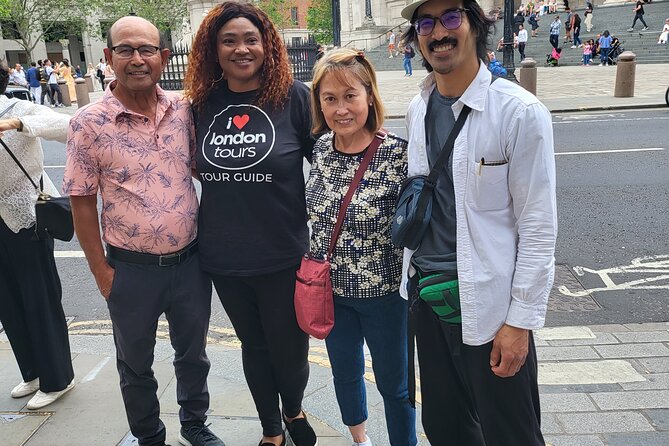
The tour continues with the Millennium Bridge, which links the city toward Bankside. It is a pedestrian bridge, and the key value is the walking perspective. Instead of just looking at London from one viewpoint, you experience the city in motion.
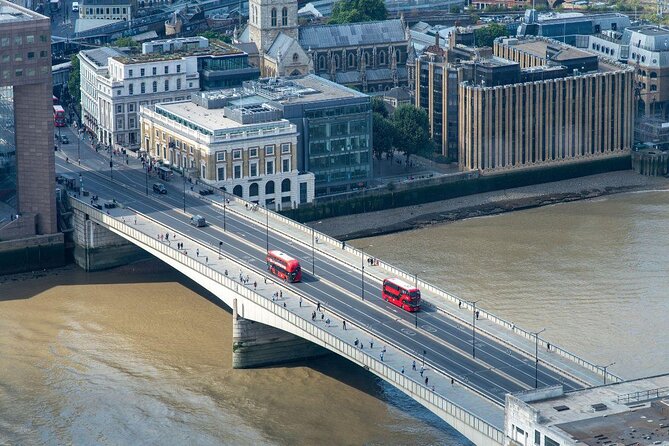
Next is London Bridge. This is not just one bridge but a whole timeline of crossings. The current structure replaced older stone bridges, and it stands on a corridor with roots going back far earlier. In a short stop, you mainly get the takeaway, which is why the area matters.
Then you reach HMS Belfast, a museum ship moored on the Thames. It is a nice tonal shift, adding a ship-and-navy perspective that complements the royal and governmental stories you heard earlier.
Tate Modern and the modern London switch
After HMS Belfast, the route takes you toward Tate Modern. The stop is short, and admission is listed as not included. But it is still a valuable pivot. You go from medieval to modern in just a few steps, which helps you see that London is not a single story.
This is also a practical block. If you decide later that you want modern art time, you know exactly where to head. If you do not, you still get the landmark orientation.
Changing of the Guard, Big Ben, and Houses of Parliament timing
This is the part you should watch the clock for. Changing of the Guard is listed daily at Horse Guards Parade at 11:00 weekdays and 10:00 Sundays. Since the tour starts at 10:00, you have a real chance of catching it, especially if your tour date lines up.
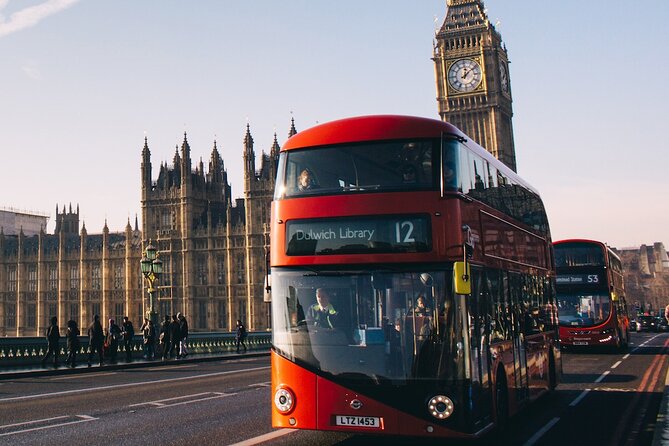
Then you move to Big Ben, which is the nickname for the Great Bell and by extension the clock tower. Even from a distance, it gives you a clear visual anchor. It is easier to remember when you connect it to the surrounding institutions.
After that, the tour includes Houses of Parliament. This is where the commentary is most useful, because you are standing in an area that is both symbolic and functional. Short stop or not, you will leave knowing why the building is often referred to as the Palace of Westminster.
Again, admission is listed as not included, so plan on seeing it from outside and absorbing context rather than a full inside tour.
Churchill War Rooms to darker-history stops: lessons with attitude
Next you get Churchill War Rooms, an Imperial War Museum site. The time is short and admission is listed as not included, so your visit is likely about getting close to the story and deciding if you want a deeper return trip.
From there you head back toward lively central areas with Leicester Square again already covered earlier in the flow, and then the route pushes further south to Southwark.
This block suits you if you like London history that comes with stakes. The official buildings were one chapter. The wartime angle is another, and it helps explain why London’s architecture and civic identity carry weight.
Shakespeare’s Globe, Borough Market, SEA LIFE, and the London Dungeon mix
Next up: Shakespeare’s Globe Theatre on the south bank. It is a reconstruction of the original Elizabethan playhouse from 1599. Even if you do not go inside, being there helps you connect London’s theatre history to the river neighborhood where it still lives.
Then comes Borough Market, a long-running food market area. Admission is listed as not included for the other stops, but Borough Market itself is a flexible break from sightseeing. This is a good place to grab a snack, reset energy, and keep the day from feeling like one long photo mission.
After that, your itinerary includes SEA LIFE London Aquarium and The London Dungeon. These are very different experiences, and that is actually the point of their placement near the end. You get a family-friendly option with interactive sea-life displays, and then a more theatrically scary history experience with actors and special effects.
If you are traveling with people who want variety, this ending portion works well. If your group is strictly adults chasing history and architecture, you can still enjoy them as a tonal change, but you may wish you had extra time elsewhere.
Ending at Westminster Bridge: tying the day together
Finally, the tour ends near the Westminster Bridge area by the London Eye Riverside Building, finishing you right back on the Thames corridor you’ve been walking all day.
That final bridge moment matters more than it sounds. By the time you reach Westminster Bridge, you have seen Westminster’s institutions, the Tower area’s fortress identity, and the river’s modern storyline. The day feels like a loop, and that helps you plan what to revisit on your own.
Price and value: is $136.05 a fair deal?
At $136.05 per person for about five hours, this tour is priced like a premium walking experience rather than a budget bus tour. The value comes from three areas that matter in London:
- Time saved: you get a route that links multiple top sights without you figuring out logistics.
- Guide context: the storytelling is the product, not just the stop list.
- Coverage density: short stops at many landmarks reduces the risk of missing major sights during a tight schedule.
You should also factor in what is not included. Many of the headline attractions list admission as not included, which usually means you are not paying full entry fees during the tour. So you are not buying a museum pass in one go, you are buying orientation plus guided context.
If your travel style is flexible and you enjoy coming back later for deeper visits, this price can feel like a strong investment. If you want to use every minute to go inside paid attractions, you may feel the route is more outside-view than full-ticket.
Who should book, and who should skip
This tour is a great match if:
- you are a first-time London visitor who wants fast orientation
- you like walking and you can handle a moderate pace
- you want a guide who adds story and practical photo points
- you have limited time and want the biggest landmarks stitched into one day
You might skip or at least adjust expectations if:
- you need long time inside major attractions like palaces or museums
- you strongly prefer history-only stops and dislike West End energy
- you are very sensitive to walking time, because the itinerary has many quick segments
Also, the max group size of 20 is a plus. You tend to get more interaction and less crowding around the guide.
Should you book this tour?
Yes, I think you should book it if you want London’s highlights without spending your day building a plan. The best version of this tour is when the guide stays alert to what is happening in real time and helps you capture the right angles, like Ollie did with a close royal surprise. Guides like Baha and Mariana were also praised for being kind, personable, and genuinely prepared, even sharing extra recommendations after the tour.
But book it with the right mindset: short stops, big names, and guided context over deep ticketed entries. If you want a slow day focused on a couple of indoor attractions, you will likely prefer a different style of tour.
FAQ
What is the tour duration?
The tour runs for about 5 hours.
How much does the tour cost?
The price is $136.05 per person.
Where does the tour start and end?
It starts at Charing Cross, London WC2N 5DP, and ends at the London Eye Riverside Building at County Hall, London SE1 7PB.
Is the tour offered in English?
Yes, the tour is offered in English.
Are admission tickets included for major attractions?
Admission tickets are not included for several stops, including places like Buckingham Palace, Westminster Abbey, London Eye, Tower of London, and others listed with admission not included.
What is the cancellation policy?
You can cancel for a full refund if you cancel at least 24 hours before the experience’s start time.
More Walking Tours in London


More Tours in London


More Tour Reviews in London


Not for you? Here's more nearby things to do in London we have reviewed







More London City Tours worth a look.
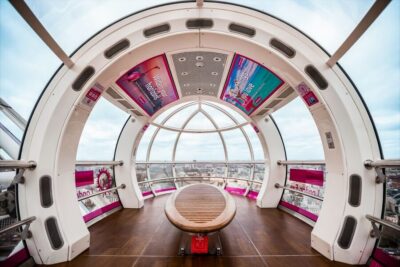 ★ 4.6The London Eye Entry TicketTickets from $3935,875 guest reviews
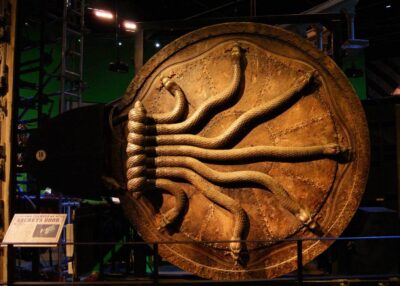 ★ 4.7From London: Harry Potter Warner Bros Studio TourTickets from $11726,588 guest reviews
Westminster to Greenwich River Thames CruiseTickets from $2222,836 guest reviews
Magical London: Harry Potter Guided Walking TourTickets from $2022,044 guest reviews
★ 4.7From London: Harry Potter Warner Bros Studio TourTickets from $11726,588 guest reviews
Westminster to Greenwich River Thames CruiseTickets from $2222,836 guest reviews
Magical London: Harry Potter Guided Walking TourTickets from $2022,044 guest reviews
 ★ 4.6Madame Tussauds LondonTickets from $3620,915 guest reviews
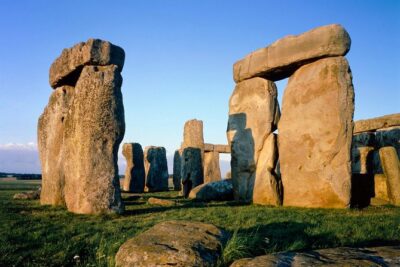 ★ 4.5Stonehenge, Windsor Castle, and Bath from LondonTickets from $11118,662 guest reviews
 ★ 4.7Warner Bros. Studio Tour with TransfersTickets from $14417,586 guest reviews
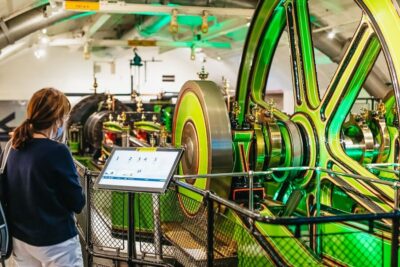 ★ 4.7Tower Bridge Entry TicketTickets from $2115,560 guest reviews