
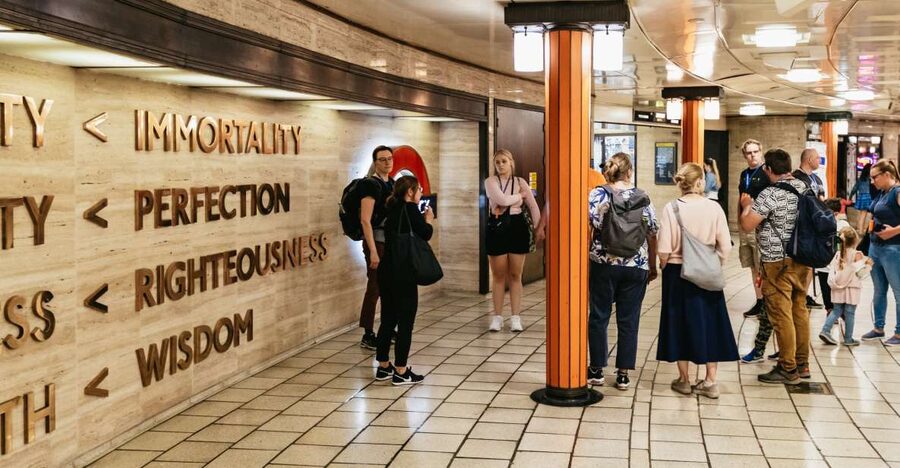
REVIEW · LONDON CITY TOURS
London: Secrets of the London Underground Walking Tour
London under your feet. That is the hook. This London Underground walking tour turns the Tube into a living story, starting at Baker Street and moving through stops where engineering, symbols, and strange tales all show up side by side. The pace is built for seeing things you normally miss, with a guide who keeps the historical threads moving.
I especially like the mix of real construction details (how the Tube shifted from steam to electrification, and how early tunnels were built) plus the way the guide explains the Tube as a changing tool for London, not just a train line. Second, I love that you get audio headsets, so you can hear the guide clearly while you’re walking and hopping between viewpoints.
One thing to consider: there’s moderate walking and lots of steps, and this tour is not suitable for wheelchair users or people with reduced mobility. If stairs are a problem for you, you’ll want to plan a different option.
Quick hits before you go
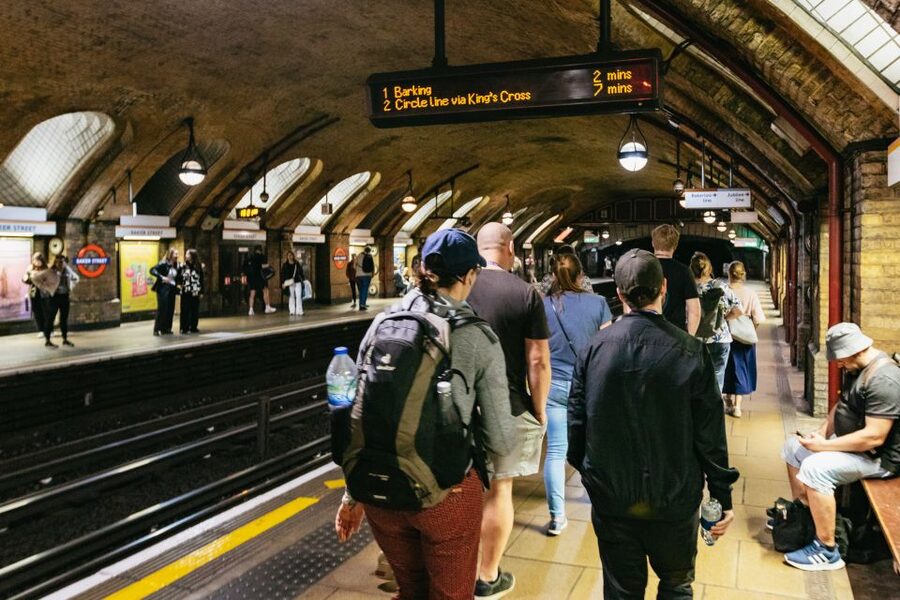
- Original Tube-era station starting point at Baker Street, linked to the Metropolitan Railway
- Engineering timeline you can picture, from steam power to electrified rails
- Abandoned and disused stations explained, including why so many were left behind
- Haunted station stories, including tales tied to a pharaoh’s daughter and a nun
- London Transport Museum visit, a solid anchor stop for context and artifacts
- Audio headset included, helpful in a noisy Tube world
Baker Street Station to the Metropolitan Railway story you can see
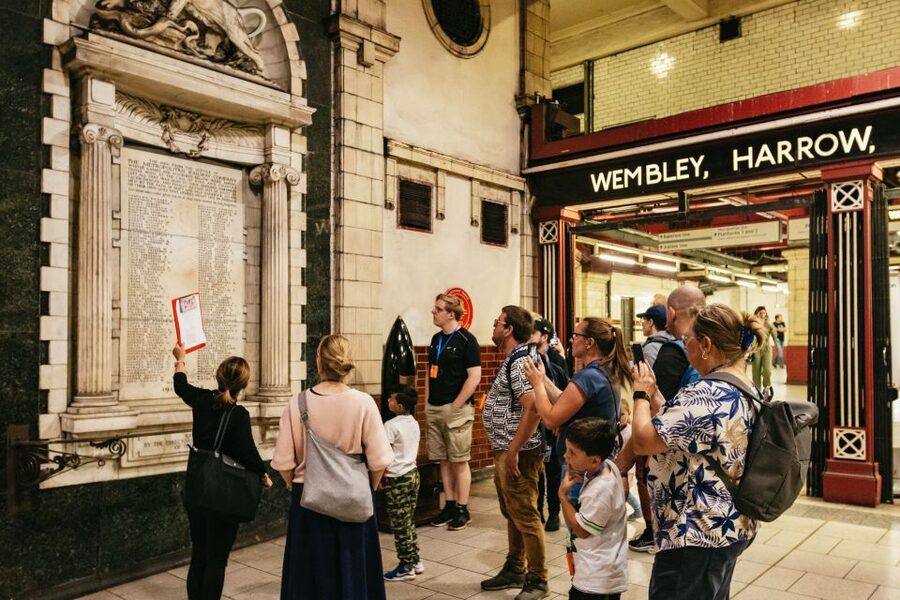
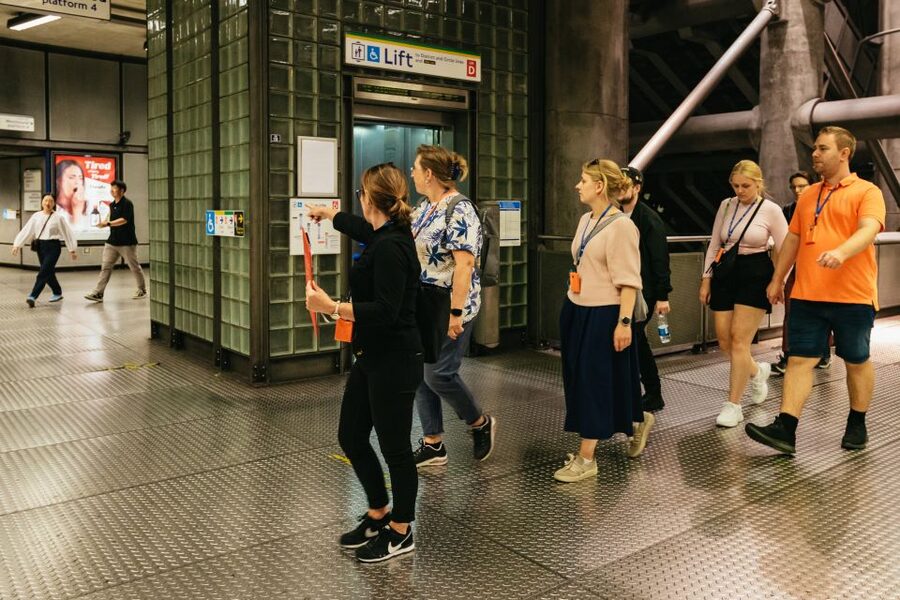
The tour’s first move is smart: start at Baker Street Station and get your bearings at street level before anyone asks you to think about tunnels. You meet the guide at the Sherlock Holmes statue outside Baker Street, which makes it easy to find and instantly feels like London.
From there, the guide focuses on why Baker Street matters. It’s one of the original stops on the Metropolitan Railway, which is often described as the world’s first underground railway. That connection sets the tone for the whole tour: you’re not just learning trivia. You’re learning why the Tube exists in the form you recognize today.
A big theme early on is the Tube’s evolution. You’ll hear how trains moved from steam power to electrified rails, and the early groundwork behind the first tunnels. The key value here is perspective. When you ride the Tube today, you see platforms and signs. On this tour, you start asking different questions: Why did they build it here? How did they dig? What changed when power changed?
You also get an intentional photo moment and a short stretch of guided walking. That matters because the tour covers multiple layers: street details, station design, and the symbolic language of the Underground.
You can also read our reviews of more walking tours in London



Planning your 10-minute public transport segment without stress
The tour includes a short public transport moment (about 10 minutes). That’s the part people most often forget to plan for, mainly because the price covers the guide and the headset, not the transport rides.
Here’s what you should know: you’ll need a travel card for Zones 1 to 2 or an Oyster card purchased before joining. The tour itself does not include the Tube ticket, and you’re expected to have your public transport ticket ready.
Why this matters for value: without the right card, the tour can turn into a delay, and you lose time when the group is moving. A short Tube hop can also feel anticlimactic if you go in thinking the tour is only walking outdoors. But it’s actually useful. It gives you a chance to connect the engineering story to how the system works in motion.
Also note the practical rule: bring a public transport ticket. Leave bulky items behind, too. No luggage or large bags are allowed, and baby strollers aren’t permitted. If you’re traveling light, this is easy. If you’re carrying a lot, plan on using luggage storage before you meet the guide.
London Transport Museum visit, and why it’s a good mid-tour pivot
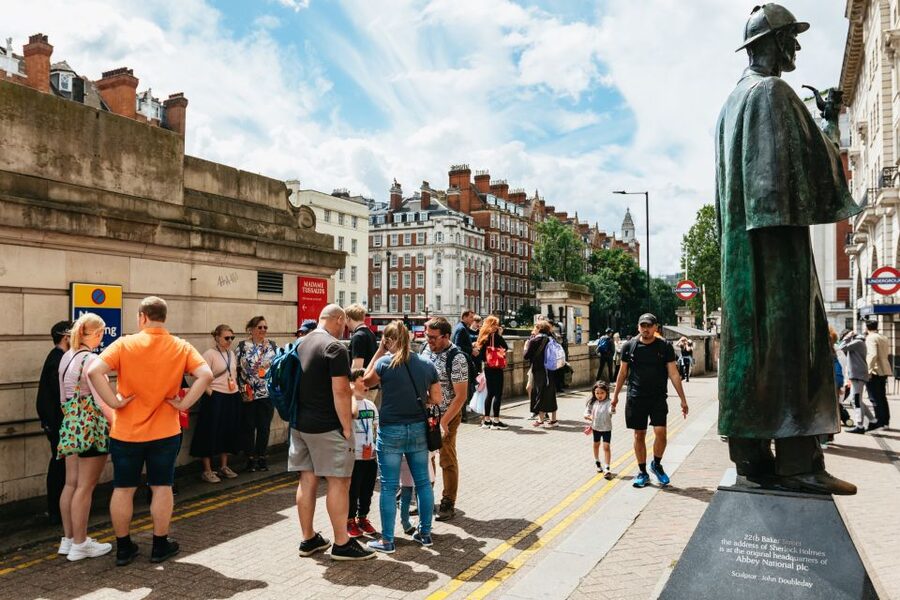
After the opening history on the Tube itself, the itinerary shifts to the London Transport Museum for a visit. This is a smart second act. Walking underground-adjacent stories can blur together if you don’t stop. A museum gives your brain a reset button: objects, visuals, and context that help you connect what you heard on the street to what the Tube looks like as a system and a cultural icon.
Even if you’re not a museum person, this stop tends to work because it anchors the tour themes. You get a chance to see how the Underground became part transportation, part branding, part national story. The tour includes talk about symbols like the famous Underground roundel, and a museum visit helps those ideas land.
Drawback to be aware of: the tour is time-limited at 2.5 hours, so you won’t be doing a full museum day. You should go in expecting a targeted visit that supports the guide’s storyline, not an extended self-guided binge.
If you’re the type who likes to connect artifacts to architecture, you’ll likely enjoy this pivot. It also helps families and older kids who want a clearer “place to stand still” in the middle of the walk.
The haunted, disused stations stories, and the engineering behind the eeriness
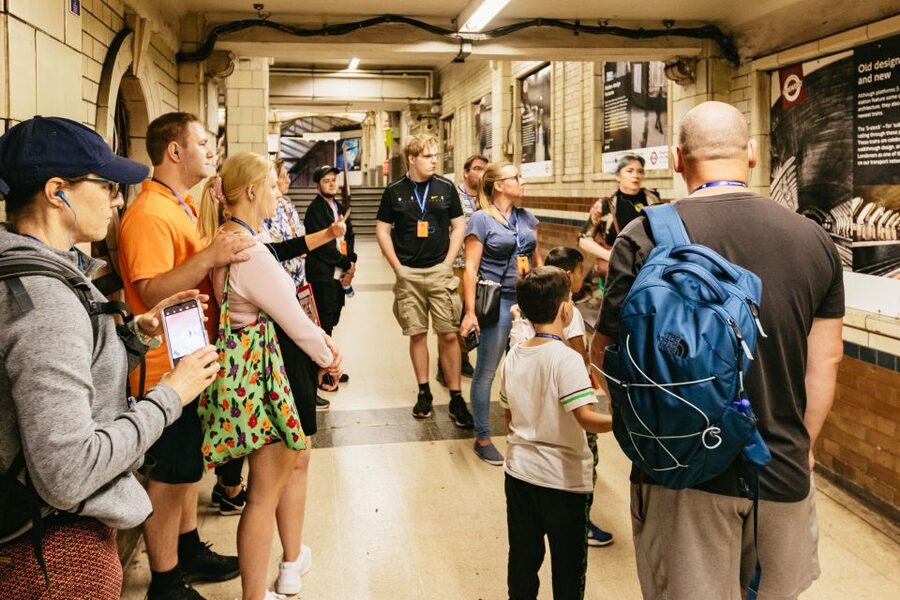
This tour has a knack for pairing spooky prompts with grounded history. The guide shares tales of haunted and disused stations, including reputed ghosts associated with a pharaoh’s daughter and even a nun. Those stories can sound like pure legend at first. The tour’s real strength is that it doesn’t leave you there.
You’ll also learn why more than 40 stations have been left abandoned. The point is not to treat disuse like a horror theme. It’s to show how urban planning, shifting routes, and changing demand can leave pieces of infrastructure behind. The result is a very London kind of mystery: not supernatural, just human decisions frozen in stone and tile.
The guide also covers some striking Underground roles beyond trains. You’ll hear how the Tube was repurposed and used as a refuge during the Blitz, and even how it was used as an aircraft factory and later storage for treasures from the British Museum. That’s a powerful reminder that the Tube has always been more than commute logistics. It has been shelter. It has been storage. It has been work space.
Another intense story involves which station lies above the remains of 1,000 bodies. The tour doesn’t just throw that out. It places it in the broader pattern of what happens when cities grow and buildings go up over complicated past layers.
And then there’s the symbol side. The tour includes the story of the Underground’s roundel. That’s a fun detail because the roundel isn’t just a logo. It’s an identity system for a complex network. Once you know the symbol story, you start noticing the Underground everywhere, not just when you’re underground.
If you like urban legends, you’ll enjoy the ghost stations angle. If you prefer history that stays grounded, you can focus on the disused-station reasons and skip the “who’s haunting which platform” mood. The tour works either way.
Stops, steps, and audio headsets: how the tour actually feels
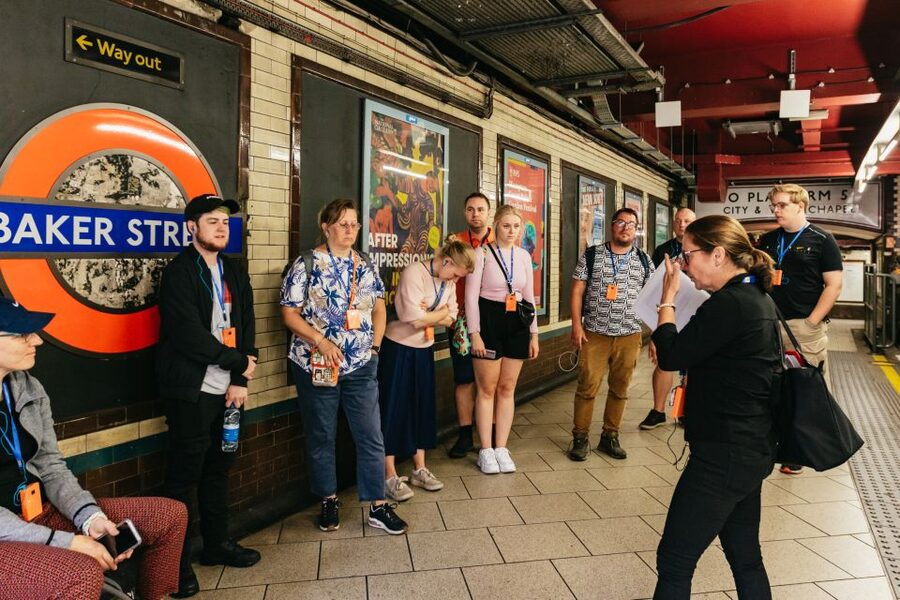
This is a walking tour, with a structure designed to keep moving without turning into a sprint. Expect moderate walking and a lot of steps due to the station environments. The tour is not suitable for wheelchair users and isn’t recommended for people with reduced mobility.
The headset setup is included, and it’s a big quality-of-life feature in London. Underground spaces can be noisy, and station acoustics can be chaotic. The audio kit helps you keep up with the guide without leaning in and losing the group flow.
One small practical note: a couple of participants found the headsets sounded crackly above ground at times, though they worked once you were back in the Underground. I’d treat that as a “heads up” rather than a dealbreaker. The main value stays: you can hear the guide.
What about the guide style? This tour lives or dies on the host, and the names most often mentioned include John, Aaron, Peter, Angela, Aran, and Nick. The consistent theme is a blend of clear explanation and personality. People call out humor, plus the ability to answer questions, including with kids in the group. If you like asking “why” and “how” questions, this kind of guide tends to reward you.
Pacing-wise, the 2.5 hours can feel fast because the story keeps changing. You’re rarely stuck staring at a single wall. You’ll switch between street-level details, station viewpoints, a museum stop, and a short transit segment.






Price and value at about $40 per person for 2.5 hours
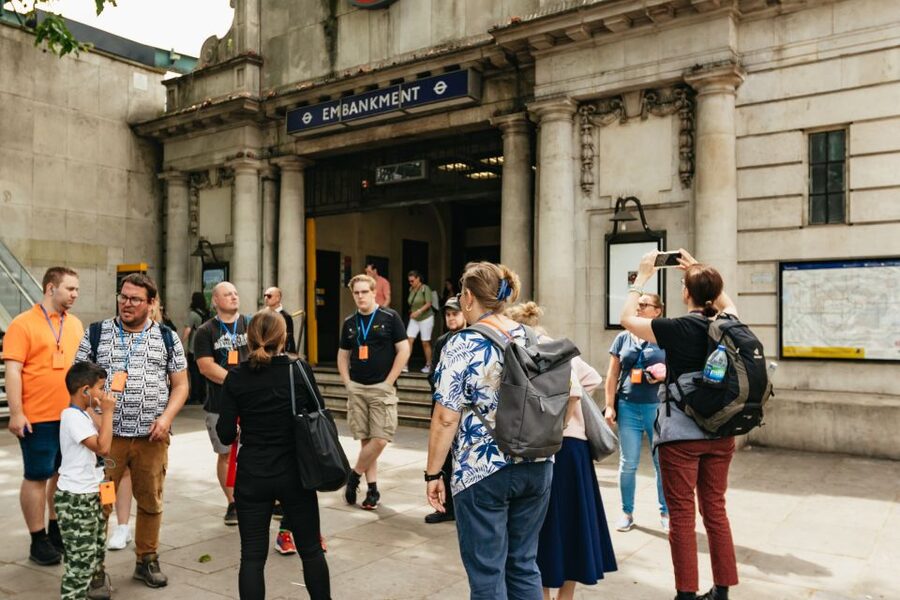
At around $40 per person, this tour sits in the mid-range for London guided experiences. You’re paying for three main things: a live guide, audio headsets, and access to a curated storyline that connects old stations, engineering changes, and social history.
Is it worth it compared to doing it on your own? If you’re a confident Tube navigator who already knows Underground history, you could build a DIY route. But the Tube is huge, and it’s easy to miss the “why” behind abandoned stops and repurposed spaces. This tour gives you a guided path through that complexity.
Where value becomes real is the time savings. You get a focused run through major themes you could research over days: original lines and early construction, electrification changes, abandoned station explanations, the roundel symbol story, and wartime repurposing like Blitz refuge use and aircraft-related activity.
One more cost to consider: you’ll still need an Oyster card or day Travelcard for Zones 1 to 2, because the Underground ticket is not included. Also, the museum visit is part of the tour time, not an all-day museum ticketed experience you control. Factor those into your budgeting so you’re not surprised.
My take: if you want something different from standard London sights, and you enjoy history you can point at on the spot, $40 for 2.5 hours is a fair deal.
Who should book this Underground secrets tour

This tour fits best if you like any mix of these interests:
- London transport history and how cities build systems over time
- Urban myths with context, meaning ghosts paired with infrastructure explanations
- Architecture and design cues you spot as you walk
- Families with older kids who can enjoy stories and questions, since some guides are praised for handling inquisitive kids well
It’s less fit for:
- Wheelchair users and anyone who struggles with stairs
- People traveling with luggage or baby strollers, since those aren’t allowed
- Anyone who wants a fully indoor, low-walking experience
If you’re comfortable walking for 2.5 hours and getting down into station stairways, you’ll likely find it engaging rather than exhausting.
My call: should you book the London Underground Secrets tour?
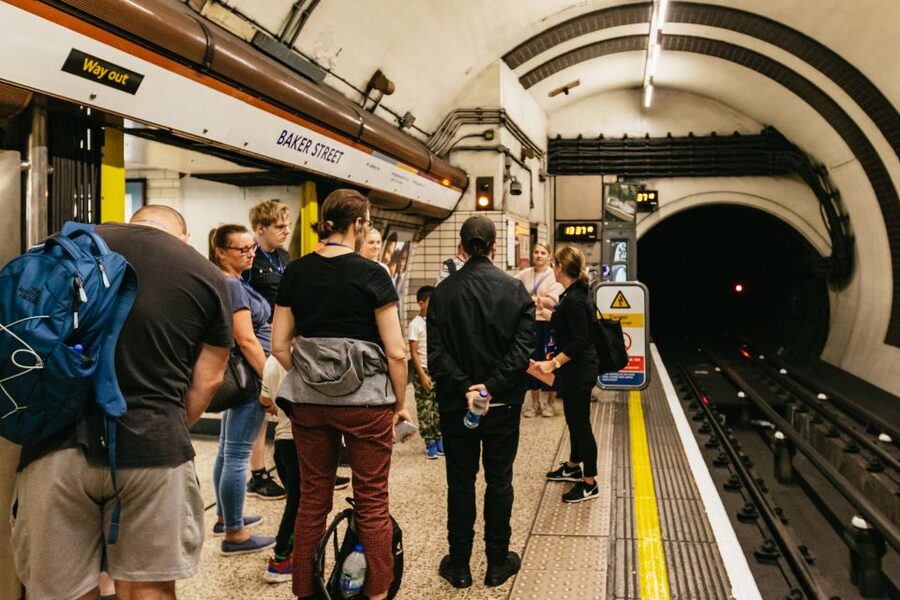
Book it if you want the Tube to feel like a story you understand, not just a map you follow. I like this tour because it connects big themes, like electrification and wartime repurposing, to specific station-related moments and eerie-but-explained “secrets.”
Skip it if mobility is a concern or if you don’t want a mixed route that includes a short Tube segment plus steps. Also, go in with the right card plan so the day stays smooth.
If you’re in London and you’ve ridden the Tube for years without thinking about what’s under the floors, this tour is the kind that makes the network feel new again.
FAQ
Where is the tour meeting point?
Meet the guide by the Sherlock Holmes statue outside Baker Street Station.
How long is the tour?
The duration is 2.5 hours.
Is the Underground ticket included?
No. You need your own public transport ticket, such as an Oyster card or a day Travelcard for Zones 1 to 2.
Is the London Transport Museum included?
Yes, the tour includes a visit to the London Transport Museum.
Is the tour suitable for wheelchair users or reduced mobility?
No. It is not suitable for people with mobility impairments, and it is not suitable for wheelchair users due to steps.
What is included in the price?
Included are the tour guide and audio headset. Food and drinks are not included.
More Walking Tours in London


More Tours in London


More Tour Reviews in London
Not for you? Here's more nearby things to do in London we have reviewed










More London City Tours worth a look.
 ★ 4.6The London Eye Entry TicketTickets from $3935,875 guest reviews
 ★ 4.7From London: Harry Potter Warner Bros Studio TourTickets from $11726,588 guest reviews
Westminster to Greenwich River Thames CruiseTickets from $2222,836 guest reviews
Magical London: Harry Potter Guided Walking TourTickets from $2022,044 guest reviews
★ 4.7From London: Harry Potter Warner Bros Studio TourTickets from $11726,588 guest reviews
Westminster to Greenwich River Thames CruiseTickets from $2222,836 guest reviews
Magical London: Harry Potter Guided Walking TourTickets from $2022,044 guest reviews
 ★ 4.6Madame Tussauds LondonTickets from $3620,915 guest reviews
 ★ 4.5Stonehenge, Windsor Castle, and Bath from LondonTickets from $11118,662 guest reviews
 ★ 4.7Warner Bros. Studio Tour with TransfersTickets from $14417,586 guest reviews
 ★ 4.7Tower Bridge Entry TicketTickets from $2115,560 guest reviews