
REVIEW · LONDON CITY TOURS
Tate Britain London: Private Guided Tour – 3 Hour
Turner fans get prime time at Tate Britain. I like that this private 3-hour tour is led by an expert art historian who explains what you are seeing in plain English, and I especially like the focus on Turner alongside other key British artists. One thing to plan for, the tour does not include temporary exhibitions, which need their own pre-booked tickets.
This is a true private, bespoke experience for up to five people. You set the pace, ask questions as you go, and the guide can tailor the route to your interests, whether that is portraits, art theory, or how British art changed over time.
You meet right at the front entrance overlooking the River Thames, and your guide arrives with a card printed with your name. With live English commentary, and a wheelchair-accessible experience, it is built for comfort and clarity during a concentrated gallery visit.
Key points that make this Tate Britain tour worth your time
- Private, up to five people, so you can ask questions without racing the room
- An expert art historian guide, with stories and context for the collection
- A sweep across the collection, from 16th-century works to modern artists
- Turner coverage is a highlight, with extra attention where it matters
- Temporary exhibitions are not included, so only plan for the permanent collection route
A private, 3-hour Tate Britain plan that keeps you focused
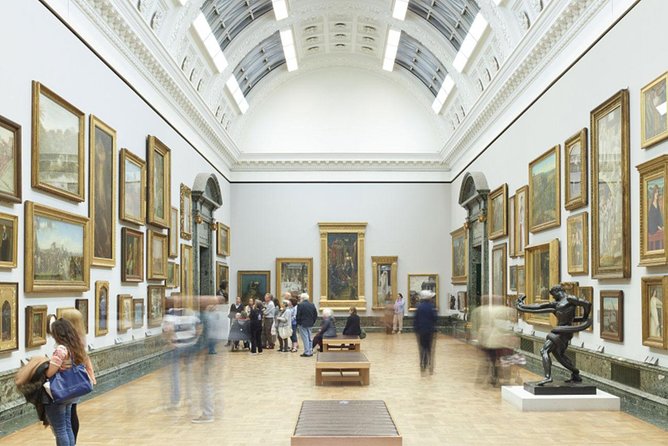
Tate Britain is one of those places where you can get lost fast. Rooms, styles, and centuries pile up quickly, and if you do not have a guide, you can spend half your time figuring out what is worth your eyes next.
This tour solves that problem by giving you a structured, human-paced path through the highlights. The format is simple: about three hours, a private group, and a guide who picks the most interesting objects and gives you the why behind them. You get to slow down when something grabs you, and speed up when you want to move on.
I also like that the tour is described as bespoke. That means you are not stuck with a generic script that ignores what you actually want to see. If you care most about, say, portraiture, you can nudge the route that way. If you want to understand British art’s changes from century to century, the guide can steer the conversation there.
And yes, you are looking at a big time span. Expect works from the 16th to the 20th century, including major names such as Rubens, Van Dyck, Hogarth, Reynolds, Gainsborough, Turner, Sargent, Millais, Blake, Bomberg, Bacon, Freud, Epstein, Hockney, and Moore, plus many others.
You can also read our reviews of more guided tours in London


Start on the Thames: meeting point and how the tour flows
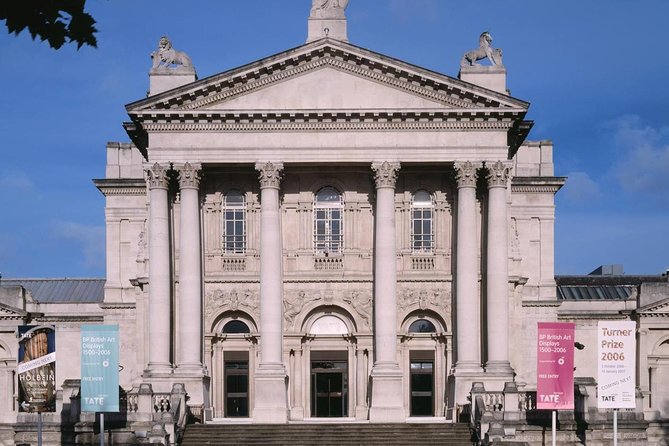
Meet at the front entrance overlooking the River Thames. Your guide will have a card printed with your name, so you do not have to play guessing games when you arrive.
Once you are inside, the pacing matters. A three-hour private tour is long enough to absorb real context, but short enough that the guide can keep the focus on the best works rather than turning your visit into a marathon. You will also hear anecdotes that connect the art to the people, tastes, and collecting habits around it.
Another small detail I appreciate: the guide is live and the tour is in English. When you are paying for a private guide, you want your guide to explain like a person, not like a textbook. This tour is built around that kind of conversation.
If you are the type who likes to ask follow-up questions, you are in the right format. Private tours can turn into a friendly back-and-forth, especially if the guide is comfortable building the explanation as you learn what you want to know next.
The collection sweep: from Rubens to Hockney in one guided route
The best part of Tate Britain for a lot of people is the variety. This tour leans into that. You will not just see one style or one slice of time. Instead, you get a guided sweep that spans centuries and moves through major movements and art forms.
Here is how the selection is framed in the tour description, from early European influences to later British masters:
- Early anchors (16th to 17th century feel): you may encounter works associated with artists like Rubens and Van Dyck, plus names such as Lely and Kneller. This side helps you understand how British tastes were shaped by wider European art.
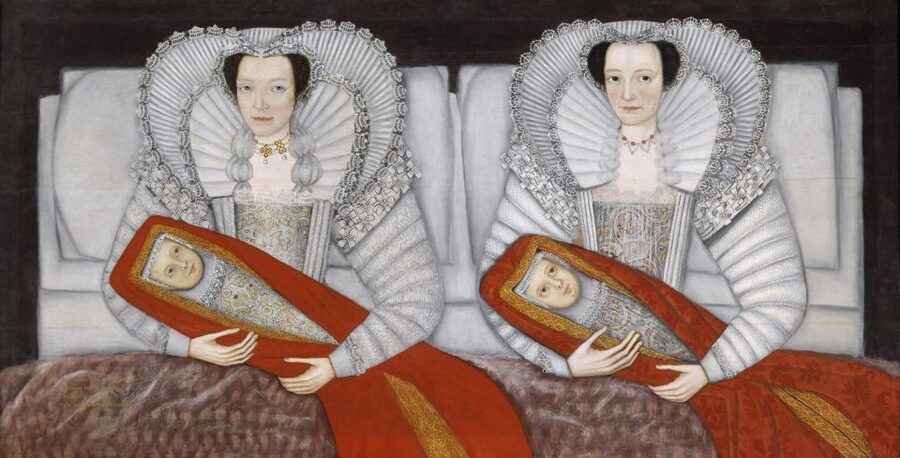
- 18th-century brilliance: the route also points you toward artists like Hogarth, Canaletto, Reynolds, and Gainsborough. This is where portraiture, social observation, and polished technique often come into focus.
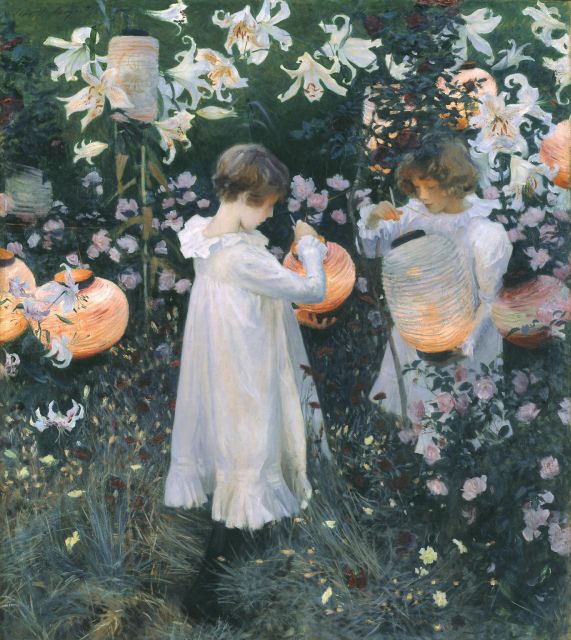
- 19th-century shifts: Turner is part of the plan, and you will also see artists like Millais and Sargent. These stops tend to connect painting choices to changes in subject matter and style.
- 20th-century modern Britain: the list includes Blake, Bomberg, Bacon, Freud, Epstein, Hockney, and Moore. This section can feel like a different universe if you are not prepared, so a good guide really matters here.
Along the way, the tour includes a history of the gallery and its collecting. That matters more than it sounds. Knowing why certain works are here, how collections grew, and what curators chose to preserve changes how you look at individual pieces. Without that context, you can admire the art while missing the point of the display.
The art historian guide and why the storytelling lands
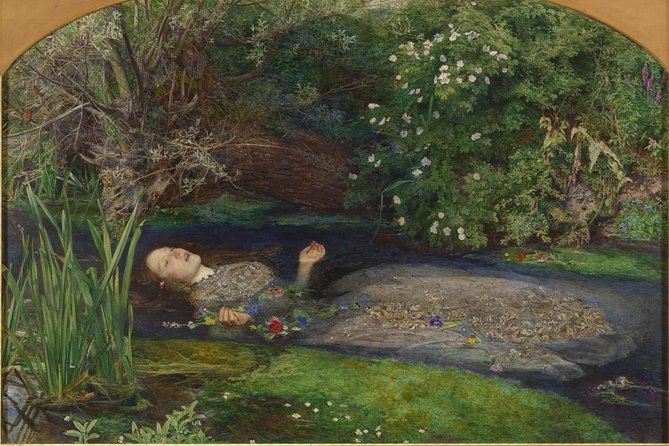
The guide is not just there to point at labels. The tour is led by an expert and entertaining art historian, and the goal is to bring the works to life using information and anecdotes.
That is exactly the sort of thing you feel quickly in a private tour. If the guide is strong, you start looking for details you would have missed. You also start understanding the relationships between paintings, not just treating each one as an isolated masterpiece.
In the trip accounts tied to this tour, Robert Miller gets singled out for two things: thought-provoking views and serious art history knowledge delivered in an easy, engaging way. People describe him as a great communicator who keeps the group moving through three hours of highlights without losing the plot.
There is also a practical bonus that does not sound official, but happens with great guides. In one account, other visitors drifted closer because they wanted to hear what he was saying. That is a sign that the explanations had clarity and momentum, not just facts.
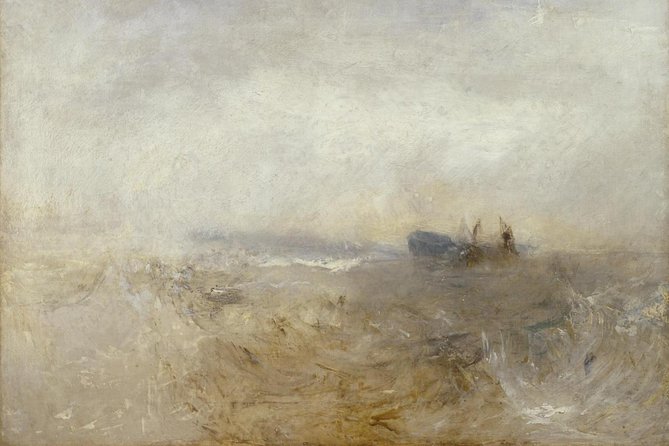
And the Turner emphasis shows up again and again. If you want to understand why Turner is Turner, you will likely appreciate the way the guide connects his work to broader themes in British art rather than treating it like a one-off stop.
Turner time at Tate Britain: how to get more than just photos
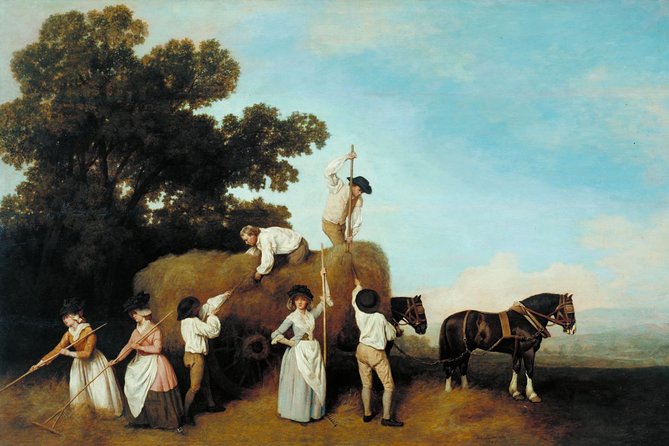
Turner can be the kind of artist that looks stunning in a snapshot and then gets even better when someone explains what you are actually seeing. This tour is built to give you that extra layer.
From the tour information, the guide takes you through highlights across the collection, and the reviews specifically praise the way Turner holdings were handled. One review notes that the guide clearly loved the Turner collection, and that kind of genuine enthusiasm helps you focus. When a guide is invested, you usually get better explanations and better pacing.
So what should you do when you reach Turner-related works?
- Take a minute to look first, then ask what to notice in that specific piece.
- If you have questions about style or technique, this format is perfect for it.
- If you are not sure what you like yet, ask the guide how other people tend to read the same work.
A three-hour private tour gives you enough time to do that properly. You are not rushing through just to check boxes. You are learning how to look.
And if you need a hand with the exit, one account mentions that Robert Miller was kind enough to show the way to the tube station afterward. That is not guaranteed for every day, but it fits the overall pattern of helpful service in the accounts linked to this experience.
You can also read our reviews of more private tours in London




Tailoring your 3 hours to your interests, without losing the core route
The tour is described as tailored to your particular interests. That is the difference between a private guide and a prerecorded audio app.
You can use that tailoring in a few smart ways:
- If you love portraits, you can ask the guide to spend more time with portrait-focused artists included in the route, like Reynolds or Gainsborough.
- If you want to understand change over time, you can steer the guide to connect earlier works with later modern pieces, including names like Bacon, Freud, Hockney, and Moore.
- If you are more interested in the art history story, you can ask about collecting and how the gallery shaped what you see today.
Because it is a private group of up to five, the guide can adapt the pace. You do not have to follow a crowd rhythm. If something grabs you, you can linger. If a certain style is not your thing, you can move on with guidance instead of wandering.
This is also why I think the private format is such good value here. The guide is doing the work of choosing what matters, and your group’s attention stays on what you actually want.
Temporary exhibitions: what to do if you are visiting for a specific show
One key limitation is clear. The tour does not include temporary exhibitions. Those exhibits require pre-booked tickets at extra cost.
So, if your travel plan includes a specific Tate Britain temporary show, do two things:
- Make sure you have that ticket sorted separately.
- Treat this tour as your permanent-collection deep look, with expert help navigating the best works you can see within that main collection route.
That way you do not end up frustrated at the end of a great three hours, thinking you somehow missed the thing you planned around. This tour is aimed at the core collection and the art history connections tied to it.
Price and value: $263 for up to five people
The price is $263 per group, up to five people, for about three hours. That can sound steep until you do the math.
- If you come as one person, it is $263 for the guide time.
- If you come as five people, it is $52.60 per person.
That per-person range is why this kind of private tour can make sense, especially for couples, small families with older kids, or friends who all want the same cultural hit. You are paying for a guide who can answer your questions, tailor the route, and keep your attention on the most meaningful works.
It also helps that the guide covers a lot of ground. You are not just seeing a handful of paintings. You are getting a structured tour through major artists across centuries, plus context about the gallery and collecting. That combination is what you are really buying.
Also, the tour includes free cancellation up to 24 hours in advance for a full refund, and there is reserve now & pay later mentioned as a way to keep plans flexible. Those are not small details when London plans shift.
Who should book this Tate Britain private tour
This is a strong match if you want British art explained with confidence and pacing. A private guide is ideal when you feel overwhelmed by a large museum, or when you want more than surface-level captions.
It is also a great pick if:
- You want to focus on major highlights rather than trying to build your own route.
- You have a specific interest in artists named in the tour, like Turner or the modern group including Bacon, Freud, Hockney, and Moore.
- You enjoy asking questions and having a conversation rather than following a fixed script.
One important caution based on the tour’s info: it is not suitable for visually impaired people or hearing-impaired people. On the other hand, it is wheelchair accessible, so if mobility is the main concern, this format is designed for that.
Should you book this 3-hour private guide at Tate Britain?
If you value expert interpretation and you are visiting with a small group, I think this is worth booking. The biggest reason is simple: three hours is the sweet spot for a private art tour. You get meaningful time with multiple generations of British art, guided by an art historian who makes the connections feel human, not academic.
Book it if Turner, British portraiture, or the shift from classic to modern art is on your list. Skip or adjust your expectations if you are mainly hunting for a temporary exhibition, because this tour focuses on the permanent collection route.
If your group is two to five people, the price can feel downright fair for what you get: a personalized highlight route, a guide who can tailor the experience, and plenty of time to ask questions along the way.
FAQ
How much does the Tate Britain private guided tour cost?
It costs $263 per group, for up to five people.
How long is the tour?
The tour lasts around three hours.
What group size is this tour for?
It is a private group for up to five people.
Where do we meet the guide?
Meet at the front entrance overlooking the River Thames. Your guide will have a card printed with your name.
Are temporary exhibitions included?
No. Temporary exhibitions are not included, and they require pre-booked tickets at extra cost.
Is the tour wheelchair accessible, and is it suitable for everyone?
The tour is wheelchair accessible. It is not suitable for visually impaired people or hearing-impaired people.
More Guided Tours in London


More Tours in London





More Tour Reviews in London


Not for you? Here's more nearby things to do in London we have reviewed










More London City Tours worth a look.
 ★ 4.6The London Eye Entry TicketTickets from $3935,875 guest reviews
 ★ 4.7From London: Harry Potter Warner Bros Studio TourTickets from $11726,588 guest reviews
Westminster to Greenwich River Thames CruiseTickets from $2222,836 guest reviews
Magical London: Harry Potter Guided Walking TourTickets from $2022,044 guest reviews
 ★ 4.6Madame Tussauds LondonTickets from $3620,915 guest reviews
 ★ 4.5Stonehenge, Windsor Castle, and Bath from LondonTickets from $11118,662 guest reviews
 ★ 4.7Warner Bros. Studio Tour with TransfersTickets from $14417,586 guest reviews
 ★ 4.7Tower Bridge Entry TicketTickets from $2115,560 guest reviews
Continue by place or experience