

REVIEW · BRITISH MUSEUM TOURS
Unveil the Rosetta Stone, Parthenon at British Museum
British Museum in two hours sounds wild, but it works well. This guided experience strings together five headliner collections, starting with a jaw-dropping view of the Great Court roof and then moving straight to the Rosetta Stone. I also love the way the tour uses a licensed guide to explain what you are looking at, not just name it, and it gets especially fun when the guide brings energy like Joe, mentioned for being upbeat and keeping kids engaged.
One thing to plan for: the British Museum is huge, so you will do real walking in a short time, and the tour is not private. If you need step-free access, it is also not suitable for wheelchair users, so you may want a different format.
Key things to know before you go
- Great Court first: you get the Norman Foster glass-roof view before you dive into artifacts.
- Rosetta Stone focus: you learn why it mattered for reading Egyptian hieroglyphs.
- Parthenon Sculptures context: the tour addresses the Elgin Marbles controversy with a balanced take.
- Ancient Egypt, fast and clear: Egyptian mummies and burial practices are part of the route.
- Anglo-Saxon stop: the Sutton Hoo helmet connects London to early medieval England.
- Assyrian power theme: the Khorsabad winged bulls once guarded a royal palace entrance.
Where it starts: British Museum entrance, security, and that Great Court view
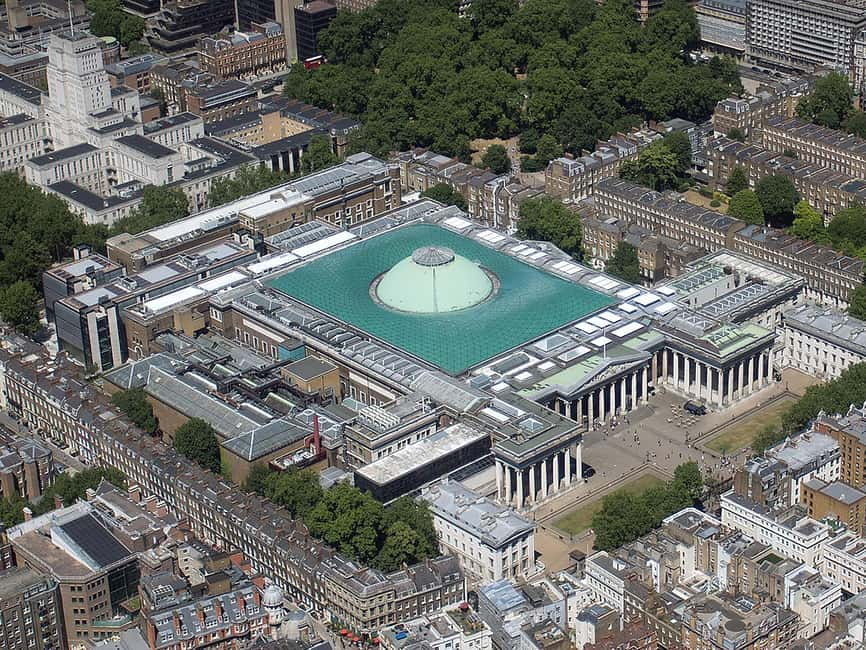
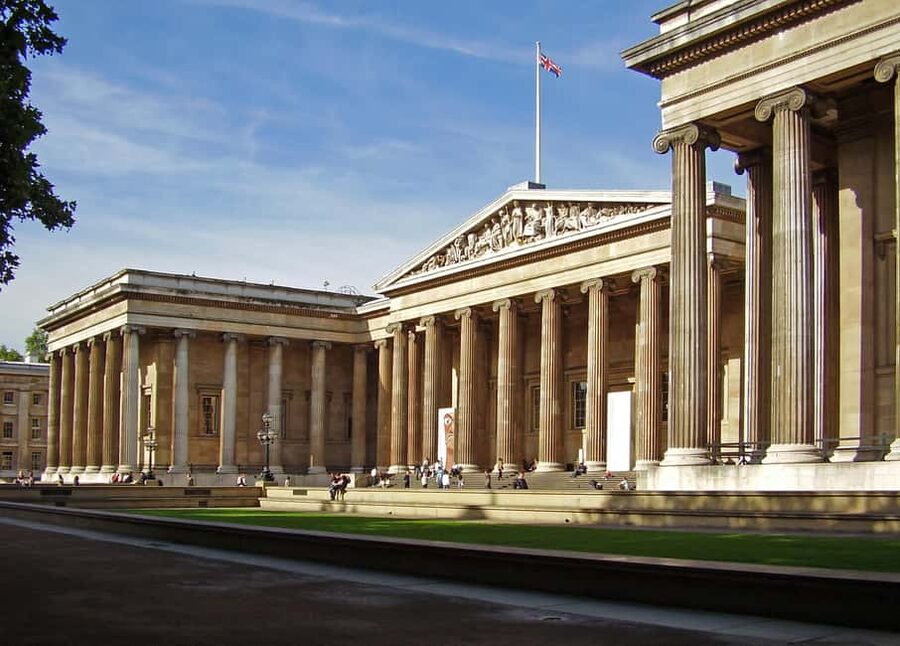
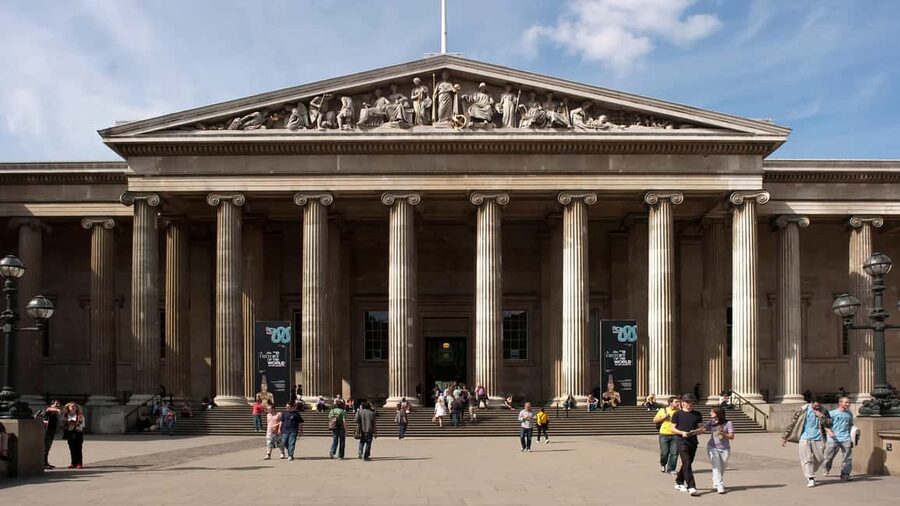
The tour meets you at the main entrance, on the stairs after security checks. Arrive about 15 minutes early, because security lines can slow everything down and you do not want to be rushed before a highlight-first experience.
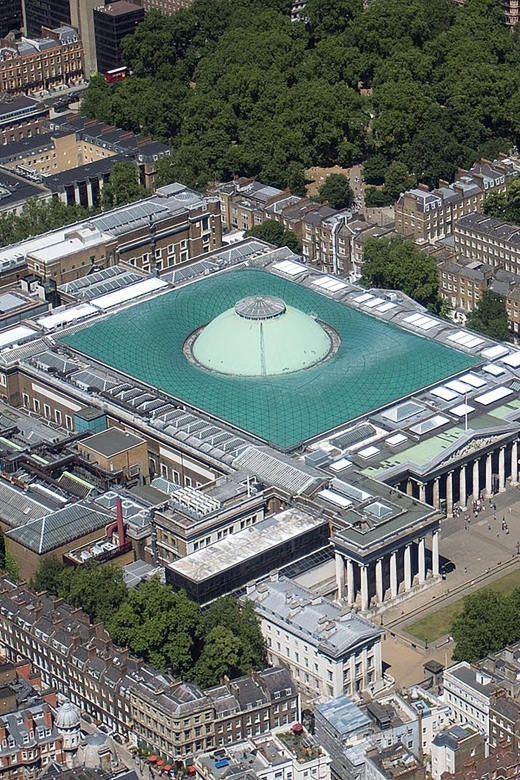
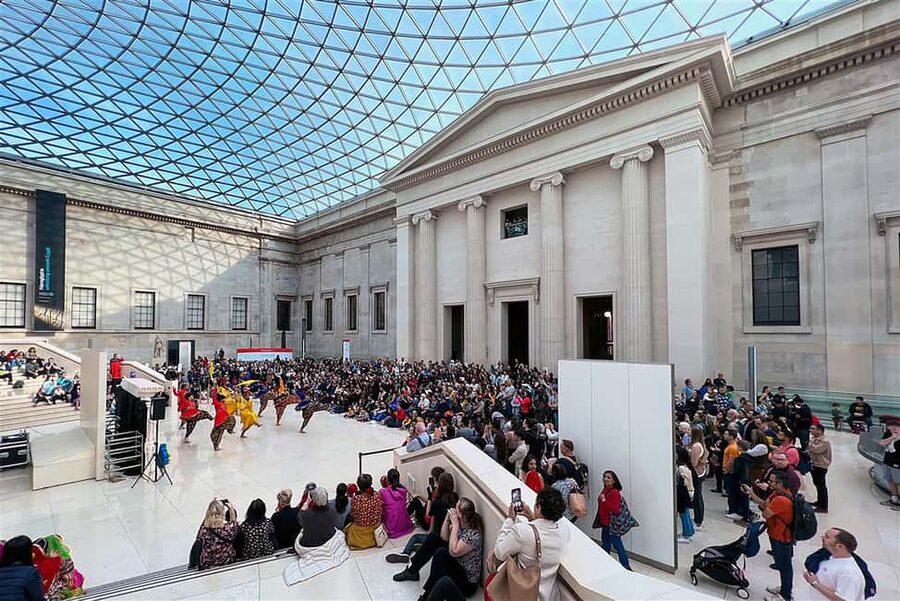
Then you get the first big payoff: the Great Court and its glass roof, designed by Norman Foster. Even if you are the type who thinks ceilings are boring, this one is hard to ignore. It frames the museum like a light-filled atrium, and it is a great way to get your bearings fast. You can see the scale of what you are about to explore, which matters because the British Museum can feel like a maze when you wander without a plan.
Because this is a guided tour on foot, you will also benefit from someone sorting the chaos for you. In two hours, you cannot see everything, so the value is in choosing the right things and understanding why they matter.
Practical note: wear comfortable shoes. The route moves through multiple galleries, and the museum’s size means you should expect more steps than you would for a typical half-day tour.
You can also read our reviews of more museum experiences in London



Rosetta Stone: how one artifact changed Egyptian writing for the modern world
The tour’s first major artifact stop is the Rosetta Stone, found in 1799. This is not just a famous object for a photo. It is the key that helped unlock the process of reading Egyptian hieroglyphs, and that is exactly what makes it so teachable on a guided walk.
What I like about having a guide here is that you get the “why” behind the fame. You learn how the stone became a kind of bridge for modern scholars, and how that bridge shifted what people could understand about ancient Egypt. Without that context, the stone can feel like a super-interesting rock with writing you cannot read. With the explanation, it becomes a breakthrough story.
Expect your guide to connect the artifact to the broader Ancient Egyptian galleries you will see next. That pacing helps your brain file things in the right order, and you leave with a sense of how one discovery leads to understanding an entire language system.
Also, this stop sets the tone for the rest of the tour: the British Museum is not arranged by “cool factor only.” It is arranged around civilizations, and the guide keeps those connections clear as you move.
Parthenon Sculptures (Elgin Marbles): art, removal, and the repatriation question

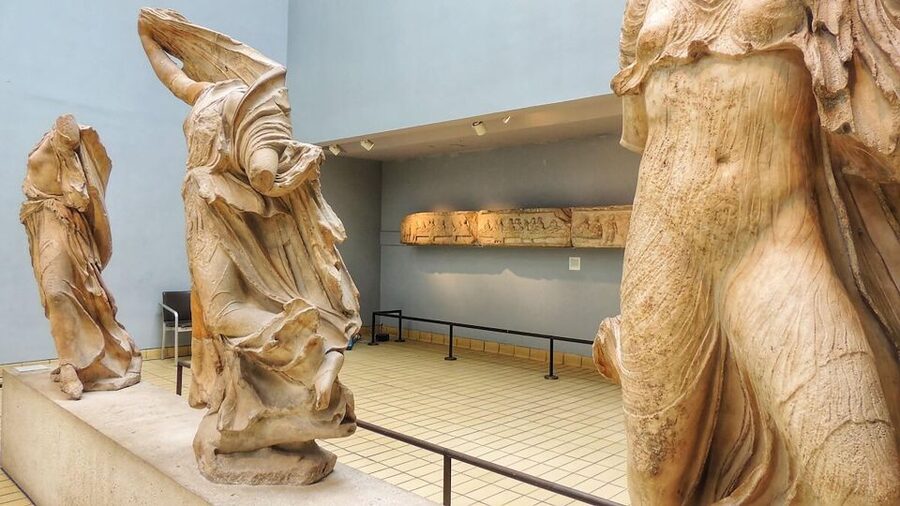
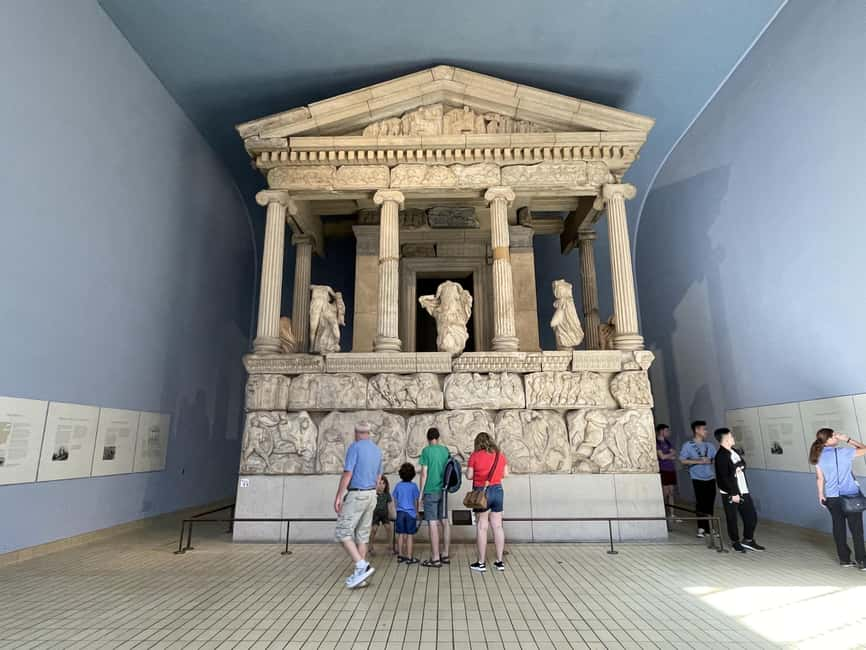
Next comes the Parthenon Sculptures, often called the Elgin Marbles. These are ancient marble carvings that originally belonged to the Parthenon in Athens. Lord Elgin, a former British ambassador to the Ottoman Empire, brought them to Britain, and that history is at the heart of why the sculptures spark debate today.
This is one of the more thoughtful stops on the route, because it is not just about appreciating craftsmanship. Your guide brings in a balanced perspective on cultural heritage and repatriation. That matters, because you will see strong opinions online and in conversation, and you do not need to go into the museum armed with only one side.
What you can take from this section is the difference between two kinds of “learning.” You will notice details of stonework and design, but you will also learn how museums make choices about collections, ownership, and interpretation. You can walk away impressed by the artistry and still understand why people argue about whether the sculptures should be elsewhere.
One consideration: if you expect the guide to avoid the controversy entirely, this tour is not built that way. The point is that the artifacts come with context, including the uncomfortable parts of history.
Egyptian mummies: burial practices explained in plain language
After the Greek marble stop, the tour pivots to Ancient Egypt with a visit to the Egyptian galleries, including Egyptian mummies. This is where the British Museum’s collection feels especially human. These are not just objects; they relate to burial practices, beliefs, and the way people thought about death.
In a two-hour format, you will not get a chapter-by-chapter textbook lesson. But you will get the essentials: what mummies were for, what burial practices aimed to achieve, and why these traditions mattered to the people who lived them. A good guide makes the difference between staring at cases and actually understanding what you are seeing.
The practical benefit is that this stop helps you zoom out. The Rosetta Stone is about deciphering language. The mummies are about deciphering culture. Different angles, same outcome: you start to see that ancient Egypt was not frozen in time, even if the artifacts are.
If you are traveling with teens, this is often one of the best parts. It grabs attention fast, and then the guide gives it structure so it becomes more than just a scary-curiosity moment.
Sutton Hoo helmet: why early medieval England belongs in this museum

The tour includes the Anglo-Saxon site of Sutton Hoo, focusing on treasures from a 7th-century burial ship. This is a reminder that the British Museum is not only about ancient empires from far away. It is also a place where you can trace British and European history close to home.
The highlight here is the Sutton Hoo helmet, which is famous for its craftsmanship and detail. What I like about including Sutton Hoo in a highlights tour is that it gives a time jump. You go from ancient Egypt and Greek marble to early medieval England without it feeling random.
A guided explanation helps you understand the helmet as more than an object in a case. It becomes a clue about status, artistry, and the cultural world of 7th-century Britain. Even if you only remember a handful of facts after the tour, this stop tends to stick because the helmet is so visually specific.
If you have kids or you are not a “strict museum person,” this is a great bridge stop. It turns the museum into a story that moves through time, with a concrete artifact you can point to.




Winged Bulls from Khorsabad: Assyrian royal guardians in scale
The final major wow-factor stop is the Winged Bulls from Khorsabad, colossal statues that once guarded the entrance to the palace of Assyrian king Sargon II. These are the kind of artifacts you feel even before you fully understand them, because the scale grabs you and your brain starts asking questions right away.
With a guide, you learn the story behind them: that they were royal guardian figures, designed to project power. You also understand why they fit the broader Assyrian theme of strength, authority, and monumental display.
In a short, two-hour tour, this is a smart closer. It ends on something visually dramatic and emotionally strong, so it is easier to remember. When you walk out, you are not left thinking only about texts or smaller details. You are left with images of figures meant to protect a king.
The two-hour pacing: what you will see and what you will skip
A two-hour tour is a sprint, so you have to accept what it is good at and what it cannot do. It is excellent for orientation and “greatest hits” learning. It is not meant to replace spending hours wandering gallery to gallery.
Here is how I think about value in this format. You pay for a guided route that hits major artifacts tied to major civilizations. You get narrative connections, like language and literacy with the Rosetta Stone, cultural debate with the Parthenon sculptures, belief systems with mummies, and national history with Sutton Hoo.
You also avoid the common problem of going to a museum like the British Museum and spending most of your energy figuring out where to start. Even if you are tempted to DIY it, the guided approach can save you time, and time in London museums is precious.
What to expect in real life: it is on foot, and the British Museum is huge. You will want water nearby, but the tour does not include food or drinks, so plan your own break either before or after.
If you are the type who likes to take slow photos, this may feel fast. Bring a bit of patience, because the payoff is that you get context quickly.
Price and value: when $70.35 makes sense for a museum of this size
At $70.35 per person for a two-hour guided tour, you are paying for three things: a licensed guide, a tight selection of top artifacts, and a structure that helps you understand what you are seeing.
If you are planning to visit the British Museum anyway, this option often makes sense because the museum is so large that a guided highlight plan prevents “time waste.” In other words, you are not paying mainly for access. You are paying for the thinking someone else does for you before you arrive.
That said, it is not automatically the right choice. If you love wandering without direction, you might get more from a self-guided strategy. And if mobility is limited, the tour is not suitable for wheelchair users, so another approach is necessary.
If your goal is to leave with a clear grasp of five major collections, this price is easier to justify.
Who this tour fits best, and who should consider another option
This is a good fit if you:
- Want a short guided route through big names like the Rosetta Stone, Elgin Marbles, mummies, Sutton Hoo, and Assyrian winged bulls
- Prefer learning with a live English-speaking guide rather than only reading labels
- Are traveling with family and want an energetic style that can hold attention, which is a strength when the guide is like Joe
It may be a tough fit if you:
- Need wheelchair accessibility, since the tour is not suitable for wheelchair users
- Want a long, quiet museum experience with deep stops, because the format is limited to two hours and a lot happens quickly
- Are hoping for hotel pickup or food included, because neither is included
If you are a solo traveler who still enjoys conversation, a group experience can add value, as long as you do not mind shared pacing.
Should you book: my practical take on this British Museum highlights tour
If you are visiting the British Museum for the first time and you want to hit the biggest storyline in the least time, I think this is worth booking. It starts with a strong sense of place in the Great Court, then it guides you through artifacts that represent different civilizations, not just random “famous objects.”
Book it if you want a plan you can follow and a guide who brings the room to life, including an upbeat, entertaining tone that can work well for kids. Skip it or look for another option if you need step-free access, or if you want to spend hours lingering in one gallery.
If you are on the fence, do this: decide whether your main goal is learning fast or wandering deep. This tour is built for learning fast, with enough context to make the visit feel personal, not like a checklist.
FAQ
Where do I meet the guide?
Meet your guide on the stairs at the main entrance of the British Museum, after security checks. Try to arrive at least 15 minutes before your scheduled time.
How long is the tour?
The duration is 2 hours. Starting times vary, so you should check availability for the slot you want.
Is this a private tour?
No. This tour is not private, so you will share the experience with other people.
What language is the tour guide?
The live tour guide provides the tour in English.
What should I bring?
Bring a passport or ID card.
Are food and drinks included?
No. Food and drinks are not included.
Is the tour suitable for wheelchair users?
No. The tour is not suitable for wheelchair users.
Can I pay later or book without paying today?
Yes. There is a reserve now & pay later option, which means you can book your spot and pay nothing today.
Is there free cancellation?
Yes. You can cancel up to 24 hours in advance for a full refund.
More Museum Experiences in London


More Tour Reviews in London
Not for you? Here's more nearby things to do in London we have reviewed










More British Museum Tours worth a look.
 ★ 4.3British Museum Guided TourTickets from $231,182 guest reviews
 ★ 5.0British Museum London Guided Tour Semi-Private 8ppl MaxTickets from $108984 guest reviews
 ★ 4.1Tour of the British MuseumTickets from $14678 guest reviews
 ★ 4.5British Museum Audio Tour & Priority Entrance TicketTickets from $9631 guest reviews
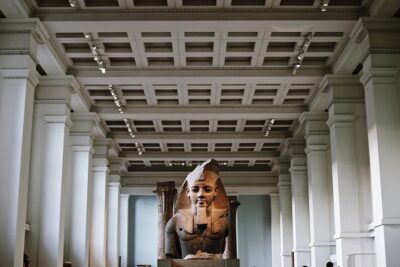 ★ 5.0The British Museum London – Exclusive Guided Museum TourTickets from $108555 guest reviews
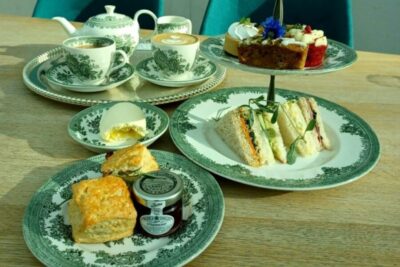 ★ 4.2Afternoon Tea at the British MuseumTickets from $58511 guest reviews
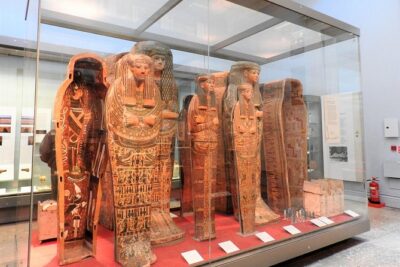 ★ 4.0British Museum Guided TourTickets from $18470 guest reviews
★ 4.5British Museum Guided TourTickets from $39267 guest reviews
Continue by place or experience