
REVIEW · LONDON CITY TOURS
London: Rock ‘n’ Roll History Tour
One of Londons most fun pop-culture shortcuts starts on a coach. Youll ride past music-era streets in Chelsea and Kensington, hear the stories behind the punk turn and the Queen connection, then end with the iconic Abbey Road crossing photo stop.
I love how the tour ties neighborhoods to the songs. Youll get guided, stop-by-stop context for the Sixties swing, the hippie underground, and the 70s punk revolution, with plenty of named places that feel like lyric footnotes. I also like the practical payoff at the end: the Abbey Road money shot, with guides helping you get everyone lined up for a group photo.
One consideration: this is not a slow walking tour. Its a 3.5-hour bus day, so some areas are best enjoyed from the window or from quick photo moments, and its not suitable for wheelchair users.
Key points before you go
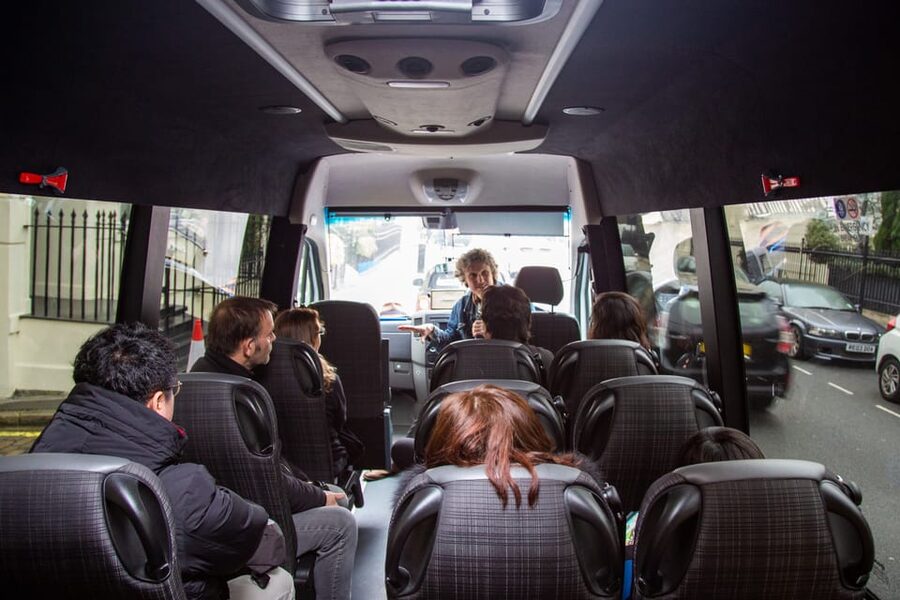
- 3.5 hours by air-conditioned coach means you cover more than you could on foot
- Chelsea and King’s Road set up the Sixties-to-70s story in one afternoon sweep
- Punk-era stops bring you close to the world of Sex Pistols, The Clash, and more
- Kensington and Queen tie famous bands to real local landmarks and hangout culture
- Notting Hill adds Caribbean community and reggae scene context to the mix
- Abbey Road crossing is the clear highlight, and you will get a proper photo stop
Why This Rock ’n’ Roll Coach Tour Works in 3.5 Hours
London can be loud, fast, and spread out. This tour solves that problem with a straightforward plan: you sit back on a bus, then pop out at key moments to see the spots you came for. At $74 per person for about 3.5 hours, youre paying for guided storytelling and efficient transport, not a museum ticket or a long museum-style visit.
The best part is how the tour uses geography as the curriculum. Instead of only talking about bands and dates, it maps the eras to neighborhoods, from Chelsea fashion streets to Kensington and then out toward Notting Hill and St Johns Wood. That makes the whole thing feel like youre watching Londons music history unfold in place.
Youll also feel the energy from the guides. Many of the guides who lead this tour are described as fast with stories and ready for photos, so you are not just listening while staring at a window.
You can also read our reviews of more historical tours in London


Where to Meet: Piccadilly Area Until March 31, 2026, Kensington After
Before you show up, double-check your meet point based on the date. Until March 31, 2026, the tour departs from the Duke of York Column, St. James’s, London SW1Y 5AJ, about a 5-minute walk from Piccadilly Circus or Charing Cross stations.
From April 1, 2026, the departure point moves to the Millennium Gloucester Hotel, Kensington. You wait by the hotel’s casino entrance, and Gloucester Road Underground Station is just a few minutes away. Arrive at least 10 minutes early for check-in.
Bring comfortable shoes. You will be on and off the bus, and Abbey Road is a photo stop where standing time matters.
Chelsea and King’s Road: The Sixties Spark, the Style, and the Party Stops
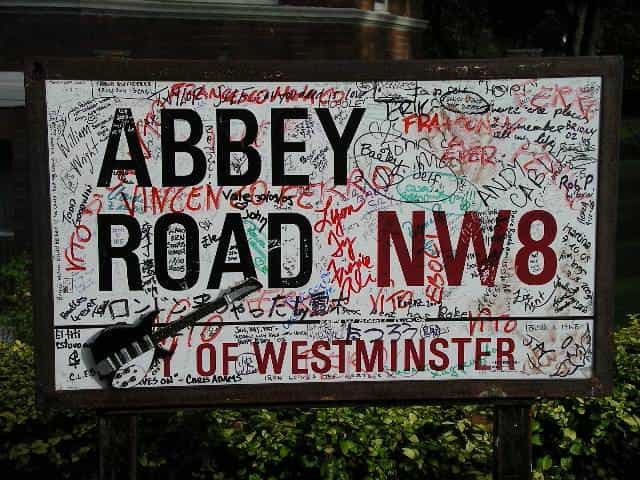
Chelsea is where the vibe turns from music talk into street-level atmosphere. You head to the trendy King’s Road area, famous for fashion and music heritage. Think of this part as the warmup that sets the tone for everything that follows: swing-era energy, underground scenes building momentum, and the sense that style and sound were feeding each other.
On this route, you are not only hearing about bands. You are also getting the feel of the places they drifted through, like boutiques, pubs, and clubs that once hosted famous artists. The tour also points out sites tied to specific legends and moments, including where the Rolling Stones shared a flat and where Mick and Marianne partied.
From a value perspective, this is why the tour is worth doing even if you already know your classic-rock facts. The guide connects the dots between where someone lived, where they played, and where the culture gathered, so the names start to feel more real.
Stops Around Records, Studios, and Star-Magnet Offices
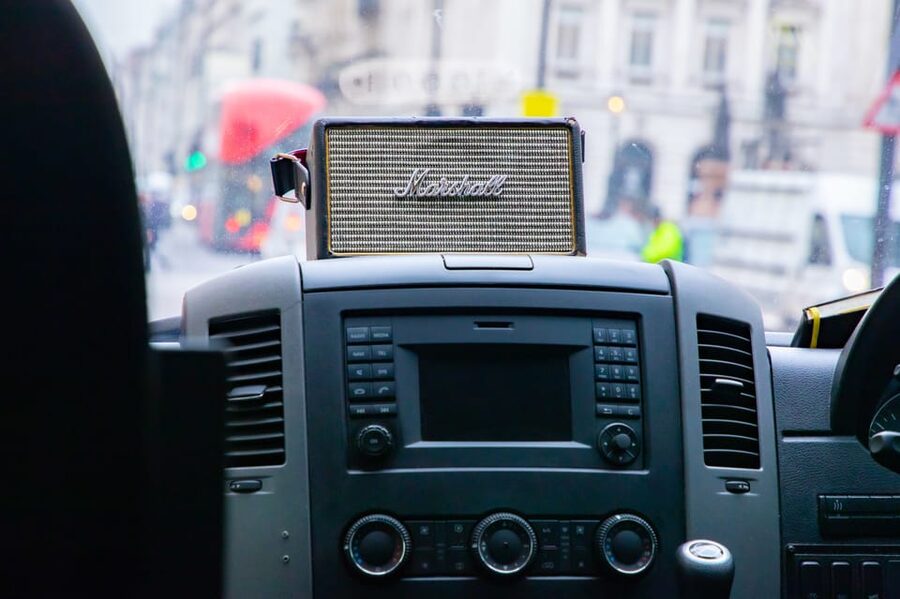
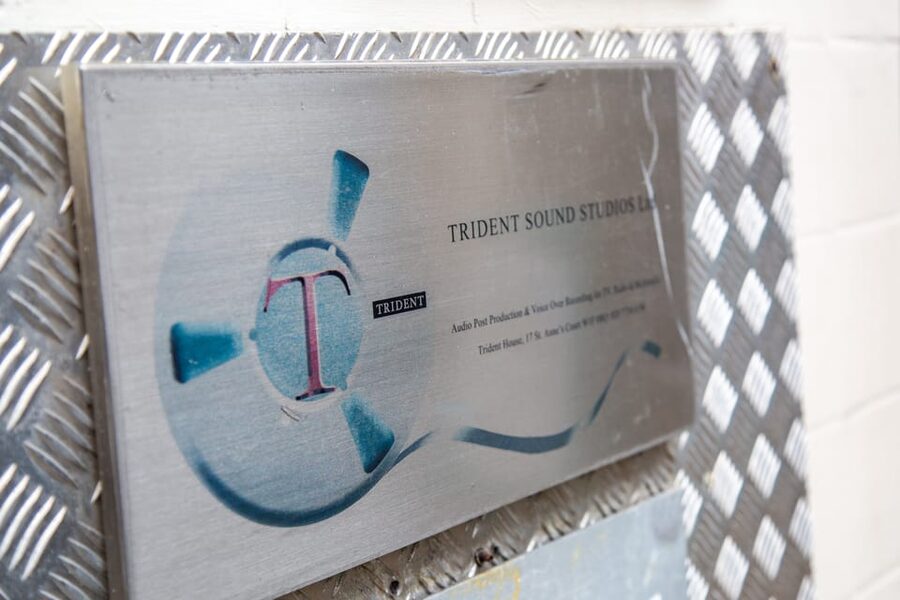
Between the neighborhood stops, the tour leans into what makes London music history feel different: the mix of creativity and industry. You pass studios, record company offices, gig sites, and hotels that became magnets for well-known artists.
This is a big deal because it turns the story from bands on stages into the machinery around them. Recording studios and label offices are the boring-sounding parts of music history, but they are also where careers got shaped, where decisions were made, and where sound became product.
Youll also get a thread of the broader London counter-culture. The description focuses on where Londons hippie underground took off, then shifts toward the 70s punk revolution. That sequence matters, because it shows how scenes replace each other, often in the same streets and sometimes with the same venues carrying a new crowd.
Kensington and Queen: When the Band Becomes Part of the City
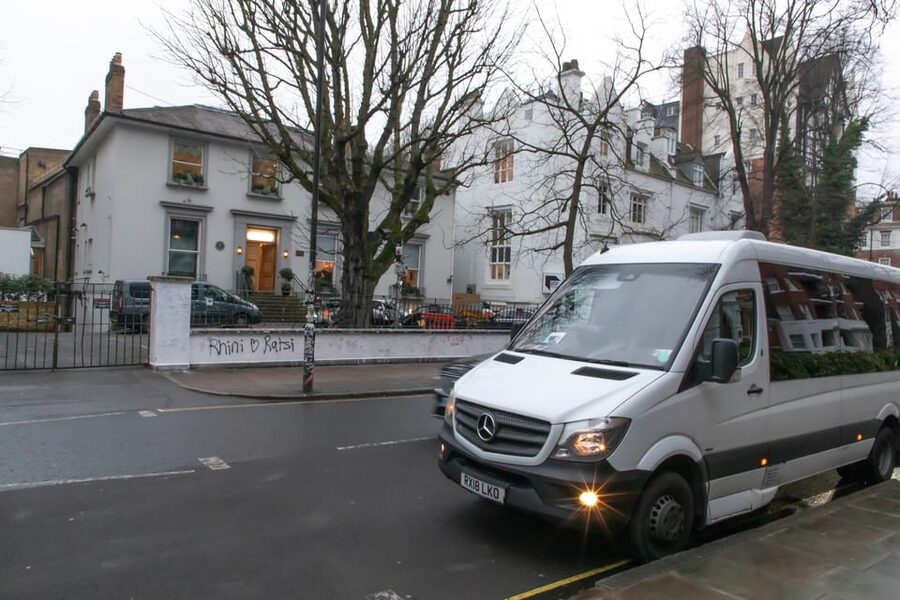
After Chelsea, the tour heads into Kensington, which is treated as Queen country. This is one of the most satisfying parts if you love a band you associate with big arenas and stadium lights. Here, the story brings it back to the local roots and the everyday places where momentum built.
You will learn where the band formed, where famous album parties happened, and where Freddie lived. Even if you already love Queen, this is the section that makes their story feel less like a timeline and more like a sense of place.
Kensington also helps you understand how Londons music scenes lived side-by-side with wealth, fashion, and social life. That contrast is part of what made the British music machine so influential. Creativity did not happen only in rehearsal rooms. It happened around the people, spaces, and routines that shaped who got heard.




Notting Hill: Caribbean Community, Reggae Roots, and the Punk and Hippie Overlap
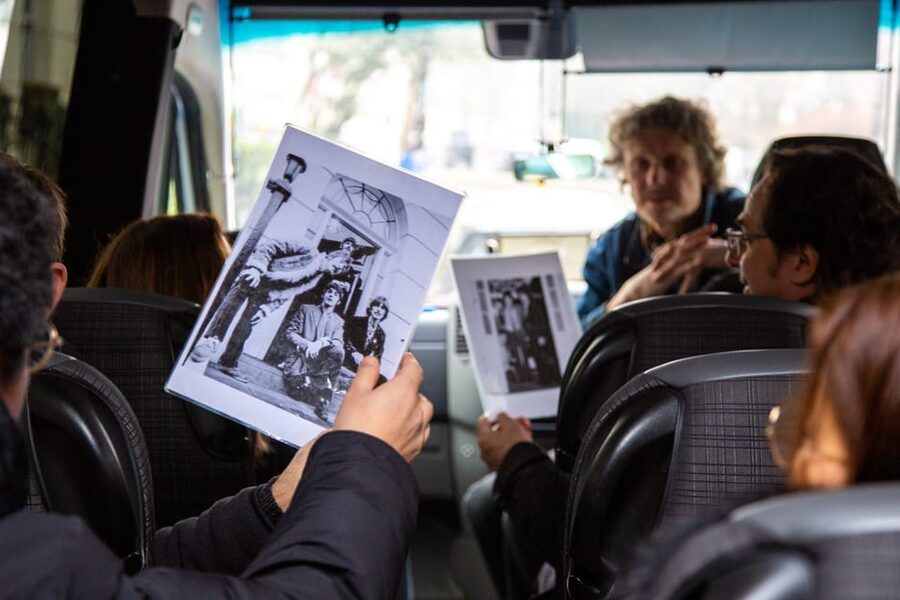
Next is Notting Hill, and the tour treats it as more than a postcard. You are told about the neighborhood as the heart of Londons Caribbean community, with a strong reggae scene. The area is also positioned as a crossroads where hippies and punks once shared cultural oxygen.
This matters because it gives you a fuller picture of what British rock and pop were borrowing and blending. You are not only getting a Beatles-to-punk chain. You are seeing how Londons music culture drew energy from multiple communities and identities.
In practical terms, Notting Hill is also where the streets and street life feel different than Chelsea or Kensington. Even when you are seeing things from the bus window, the shift in atmosphere helps you feel the tour moving through real neighborhoods, not just hitting a list of landmarks.
St Johns Wood, Hendrix, and the Beatles Threads
The tour also covers St Johns Wood, a key London pocket for classic-rock mythology. This is where the focus can get electric, because the stops connect to the stories of major artists tied to London.
Jimi Hendrix appears in the description as someone connected to the city in a multi-step way, including where he lived, played, and died. If you care about rock history beyond the usual band roster, this part helps ground the myth in actual geography.
The Beatles thread is also woven throughout. You will pass former homes and gig sites associated with the band, plus a reference to the Get Back rooftop concert site. You end up with a sense that London is not just a backdrop for music. For these artists, it was part of the storyline.
If you like music history that feels messy and human, this is the section that delivers. It is not only success, it is streets, habits, and days that later turned into songs.
The Punk Moment: Where the Revolution Happened, One Gig at a Time
The tours description highlights the punk cradle and gives you the band lineup that fans want: Sex Pistols, The Clash, Poly Styrene, and X Ray Spex. You are guided through places connected to their performances, plus sites frequented by the glitterati.
This is the section that works best if you like the collision between attitude and location. Punk is often remembered as a sound, but it was also a scene, and scenes need streets. When you hear those names alongside the neighborhoods, it becomes easier to picture the energy of venues and the meaning of showing up in the right place at the right time.
From a pacing point of view, this is also where the tour tends to feel most alive. You will likely get lots of quick context: who was playing, what the scene looked like, and why these particular streets mattered to the next wave.
Abbey Road Crossing: The Photo Stop You Will Remember
Then comes the endgame, Abbey Road. This is the famous crossing that people plan London trips around, and the tour makes it the centerpiece photo moment.
You get a chance to take a photo of yourself walking the crossing, and several guides are described as patient and organized about group photos at this exact stop. Guides like Clive and Richard are mentioned for being good at handling picture requests, which matters if you travel in a group or just want your own shot without chaos.
Practical tip: wear shoes you can stand in comfortably for a few minutes. This is the stop where everyone wants the same angle, so you may be waiting in line and coordinating your timing with the people around you. If you take a minute to step into position and then move at the right time, you will get the classic shot without rushing.
Price and Value: Is $74 Worth a London Rock History Day?
At $74 per person for about 3.5 hours, the value depends on what you want out of London music culture.
If you want guided storytelling plus transport, it is a solid deal. You are not just getting a self-guided walk. You get a live English tour guide, Abbey Road as an included stop, and transportation via an air-conditioned bus. That combination matters in London, where traffic and distances can chew up a half-day fast.
If you already know every street you want to see, you could build your own route. But the tour is designed to connect neighborhoods to the music eras in one sequence. That saves time and reduces guesswork, especially if you do not want to map out Chelsea, Kensington, Notting Hill, and St Johns Wood on your own.
Also, the guide quality seems to be a major differentiator. Many of the standout experiences in the details come from energetic guides who keep the pacing lively and the stories specific, plus drivers who handle tight streets and keep the schedule moving.
Who This Tour Fits Best (and Who Might Want Another Plan)
This is a great fit if you:
- Love British rock and pop, especially the Sixties, Seventies, and Punk eras
- Want a guided day that mixes neighborhoods with band lore
- Prefer comfort and speed, with an air-conditioned bus doing the heavy lifting
- Care about photo moments, especially Abbey Road
It may be less of a fit if you:
- Need wheelchair accessibility, because the tour is not suitable for wheelchair users
- Want long, unhurried time at each stop. This is more about moving through multiple music districts than spending an extended period on site
If you are traveling solo, the Abbey Road photo stop also becomes a social win. Many people end up chatting while they wait for their turn, and you can grab your shot without feeling awkward.
Should You Book This London Rock ’n’ Roll History Tour?
I think you should book it if your goal is to get oriented in London music culture without spending your entire trip planning routes. The neighborhoods alone, Chelsea, Kensington, and Notting Hill, are worth a guided sweep, and the way the tour threads punk, Queen, and classic-rock legends into those streets is exactly the kind of structured sightseeing that helps the day click.
If your main goal is just Abbey Road, you might feel the tour is more than you need. But if you want context, street-level flavor, and a guided route that covers a lot in 3.5 hours, this hits the sweet spot.
FAQ
How long is the London Rock ’n’ Roll History Tour?
The tour lasts 3.5 hours.
How much does it cost?
The price is $74 per person.
Where do I meet the tour?
Until March 31, 2026, you meet at Duke of York Column, St. James’s, London SW1Y 5AJ. From April 1, 2026, you meet at the Millennium Gloucester Hotel, Kensington, waiting by the casino entrance.
What time should I arrive?
Arrive at least 10 minutes before the tour starts to check in.
What is included in the price?
Included are London’s Classic Music History tour, a visit to Abbey Road, a tour guide, and transportation by air-conditioned bus.
Is pickup and drop-off included?
No. Pickup and drop-off are not included.
Is the tour suitable for wheelchair users?
No, it is not suitable for wheelchair users.
What should I bring?
Wear comfortable shoes.
What are the cancellation options?
You can cancel up to 24 hours in advance for a full refund.
More Historical Tours in London

More Tours in London

More Tour Reviews in London
Not for you? Here's more nearby things to do in London we have reviewed










More London City Tours worth a look.
 ★ 4.6The London Eye Entry TicketTickets from $3935,875 guest reviews
 ★ 4.7From London: Harry Potter Warner Bros Studio TourTickets from $11726,588 guest reviews
Westminster to Greenwich River Thames CruiseTickets from $2222,836 guest reviews
Magical London: Harry Potter Guided Walking TourTickets from $2022,044 guest reviews
★ 4.7From London: Harry Potter Warner Bros Studio TourTickets from $11726,588 guest reviews
Westminster to Greenwich River Thames CruiseTickets from $2222,836 guest reviews
Magical London: Harry Potter Guided Walking TourTickets from $2022,044 guest reviews
 ★ 4.6Madame Tussauds LondonTickets from $3620,915 guest reviews
 ★ 4.5Stonehenge, Windsor Castle, and Bath from LondonTickets from $11118,662 guest reviews
 ★ 4.7Warner Bros. Studio Tour with TransfersTickets from $14417,586 guest reviews
 ★ 4.7Tower Bridge Entry TicketTickets from $2115,560 guest reviews
Continue by place or experience