
REVIEW · LONDON CITY TOURS
London: Museum of Brands Skip-the-Line Ticket
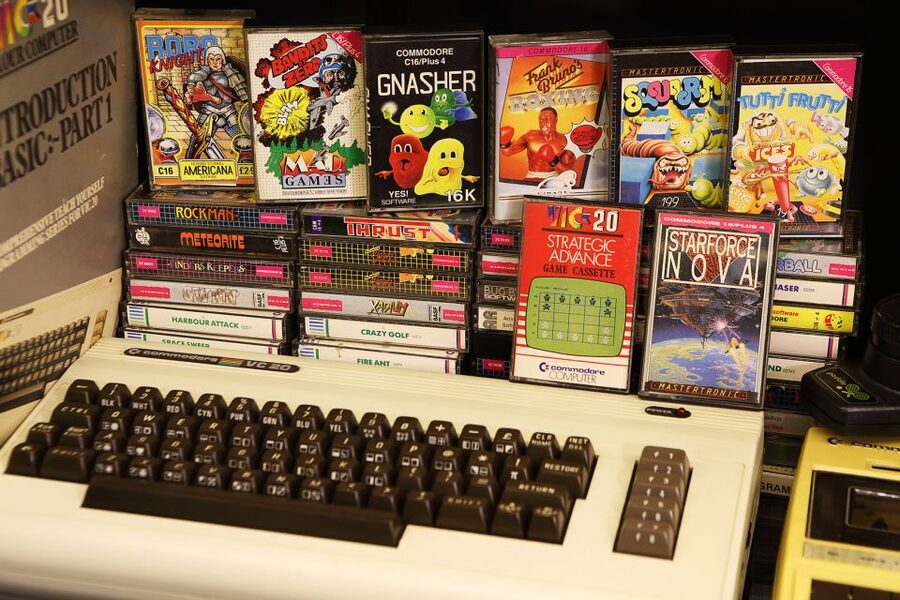
Brands can feel like time travel. The Museum of Brands, Packaging and Advertising turns everyday items into a timeline of how people lived, played, and shopped, with a Time Tunnel style walk-through through 200 years of consumer culture. It is right by Notting Hill’s energy, about five minutes from Portobello Road Market, so it plays nicely with a classic London day out.
What I really liked is the way the museum links objects to big world moments, from royal coronations to two world wars and even the moon landing, all while keeping the story grounded in daily life. I also love the human pace of the visit, especially the award-winning memorial garden where you can slow down after the exhibits.
One thing to consider: this is a consumer culture museum first, so if you want strictly political history with deep museum-style footnotes, you might find the focus more on brands, advertising, and lifestyle than on governments or policy.
Key Highlights
- Skip-the-line entry helps you get into the museum without wasting prime sightseeing time
- Time Tunnel takes you through major moments, from Victorian life to the digital age
- Chronological storytelling explains how railways, cars, and airplanes changed daily routines
- Entertainment evolution covers cinema, radio, and television as they reshaped leisure
- Temporary displays can include 1950s toys, London punk, chocolate brands, and biscuit tins
- Award-winning memorial garden is a restful finish, with cake and coffee or prosecco available at extra cost
Where Notting Hill Starts, and Why the Location Helps
I like the Museum of Brands because it sits in a part of London that is easy to reach and fun to wander. You are in Notting Hill, along Lancaster Road, and you are only about five minutes from Portobello Road Market. That matters because you can build a smooth day without overthinking transport, especially if you are already planning to browse the market.
A visit here also works well when London weather is moody. You can spend your indoor time focused and then step back out when you want a street-level break. And because the museum is only one day long, it is a simple slot even if you have a packed itinerary.
If you are coming on a first visit to London and want something different from the usual art museums, this is a smart pivot. It is still a museum experience, but it feels closer to pop culture, design, and everyday life.
More London tours and experiences for the shortlist

Skip-the-Line Entry and the Time Tunnel Experience
Your skip-the-line ticket is basically your promise of a smoother start. You should still plan to arrive with enough time to get oriented, but you are not meant to lose a big chunk of your visit waiting outside.
Once inside, the main event is the Time Tunnel. The museum walks you through the evolution of consumer society starting from Victorian times and moving forward in a chronological flow. This is not random assortment of displays. The point is to help you see how inventions and industries shaped what people bought, watched, listened to, and talked about.
The Time Tunnel also ties consumer change to major historical touchpoints. You will encounter themes connected to royal coronations, two world wars, and the moon landing. That blend is a big part of why this museum works. You get the emotional familiarity of brands and packaging, then you also get the context of what was happening in the wider world when those products and media took off.
200 Years of Brands, Packaging, and Everyday Life Changes
I love that the museum treats objects like evidence. A label, a package shape, a familiar product brand, or an ad style becomes a clue about how society was shifting. That is the heart of the 200-year story here, and it gives you a way to understand modern life without needing to study textbooks for days.
One of the most useful parts of the timeline is how it connects technology to routine. The exhibits focus on how inventions like the railway, the motor car, and the airplane changed movement and expectations. You do not just learn that transport evolved. You see how it likely changed what people had access to and how leisure and shopping became more flexible.
The museum also links consumer culture to major life moments. Instead of keeping things purely domestic, it brings in big public events like world wars and national ceremonies. Even if you are not a history buff, it gives you a sense of why certain products, messaging styles, and entertainment formats became popular when they did.
And if you are the kind of person who notices packaging when you travel, you will probably leave more alert. You might catch how brand identity changes over time, how design trends reflect technology and taste, and how advertising tries to shape what people believe a product should mean.
Entertainment, Media, and Ads From Cinema to Digital Age
The museum does not stop at shopping. It pays attention to how entertainment changed, too. The Time Tunnel includes the arrival of cinema, radio, and television, showing how each step changed leisure and household culture.
That angle is especially good for visitors who want the story to feel alive. You can recognize how media enters daily life, and you can connect that to the broader consumer shift. When people have new ways to watch or listen, brands naturally follow with new styles of advertising and new product visibility.
After the main Time Tunnel, you get a chance to watch TV adverts from the past. That is a small detail that turns into a real memory machine. Old ads can feel like cultural snapshots, and they often show how persuasive language and visual design used to work before today’s digital targeting.
If you enjoy nostalgia, this is where it tends to hit hardest. You are not just reading about brands, you are seeing the style and the messaging. That is the kind of experience where you leave thinking, I remember that era of design even if I never learned it formally.
Temporary Displays and the Memorial Garden Reset
Once you finish the Time Tunnel journey, the museum shifts gears into rotating moments. There are temporary displays, and the museum’s focus has included themes like 1950s toys, the London punk scene, chocolate brands, and biscuit tins. You cannot guarantee what is on view on your day, but it is a useful clue that the museum knows how to stay playful while still being thoughtful about cultural change.
I like temporary exhibits in a museum setting because they stop the visit from feeling like a single-note lecture. Even if you are focused on the big 200-year story, the temporary rooms give you a chance to linger where your curiosity pulls you.
Then comes my favorite practical part of the whole plan: the award-winning memorial garden. After museums that feel like constant looking, you get a breather. It is also an ideal place to reset your energy if you are visiting with kids, older adults, or anyone who gets tired of standing in galleries.
You can also enjoy a piece of cake with coffee there, or a refreshing glass of Prosecco, but at your own expense. That is not included in the ticket, so treat it as a bonus. Still, having a calm garden finish makes the overall visit feel more complete, like it has a proper ending instead of just a closed gift shop.
You can also read our reviews of more museum experiences in London





Ticket Value: Does $18 Make Sense for a Full Day?
At about $18 per person, the Museum of Brands ticket looks straightforward, especially because the admission covers the core museum experience, temporary displays, and the garden. That inclusion matters for value because you are not paying just for one exhibit and then discovering you need extras to finish the story.
The skip-the-line part also improves value in a less obvious way. Waiting time is real sightseeing time you cannot get back. Even if your queue is short, arriving and moving smoothly keeps your day from getting fragmented.
Here is how I think about it: this ticket is a good value if you like consumer history, design, packaging, advertising, and how media shapes leisure. If that sounds like your kind of museum, you are likely to feel you got your money’s worth quickly because the exhibits connect to everyday experiences.
On the other hand, if you mostly come for classic art, architecture, or hard political history, you might feel the focus is narrower than you expected. In that case, the ticket can still be enjoyable, but you should go with the right mindset: this is about how everyday life got engineered and marketed over time.
Who Should Go, and Who Might Want a Different Museum
I think this experience fits best with visitors who enjoy patterns. If you like noticing how logos, product design, and ad styles change, you will enjoy the museum’s approach. If you also like history but prefer it tied to objects and media rather than dates and documents, it works nicely.
It is also a strong rainy day option because you can do a full meaningful visit indoors and then step out when you want. And because there is a garden finish, it is easier to manage energy levels than in museums that are purely enclosed and bright all day.
If you are traveling with teenagers or families, it can land well because the exhibits connect to toys, entertainment, and the visual culture of different decades. Still, if your group dislikes advertising themes, it may feel a bit niche.
For first-time London visitors who want a break from the standard top attractions, it is a refreshingly different choice. For repeat visitors, it offers a focused angle that you can usually fit into a day without exhausting yourself.
Should You Book This Museum of Brands Ticket?
Yes, I would book it if you want a museum that feels personal and practical at the same time. The mix of a Time Tunnel timeline, past TV adverts, rotating themed displays, and a memorial garden ending is a smart combo for an easy 1-day plan.
I would pause before booking only if you are mainly searching for classic art or deep political history. In that case, you might prefer a museum where the focus stays strictly on governments, art movements, or major historical documents.
If your curiosity includes brands, packaging, advertising, and how technology changed leisure, this one is an easy win.
FAQ
How long does the Museum of Brands visit take?
The ticket is valid for 1 day from first activation, so you can plan a single museum-focused day.
What is included in the skip-the-line ticket?
Entrance to the museum, temporary displays, and access to the memorial garden are included.
Where is the meeting point or how do I find the museum?
The museum is in the heart of Notting Hill on Lancaster Road, about five minutes from Portobello Road Market.
What are the opening hours?
Monday through Saturday are 10:00 AM to 6:00 PM. Sunday and Bank Holidays are 11:00 AM to 5:00 PM.
When is the museum closed?
It is closed on August 27, 28, and 29, on December 24, 25, and 26, and on January 1.
Is the museum wheelchair accessible?
Yes, it is wheelchair accessible.
Are food and drinks included with the ticket?
No. Food and drinks are not included, though you can enjoy options like cake with coffee or prosecco at your own expense.
What is the cancellation policy?
Free cancellation is available up to 24 hours in advance for a full refund.
More Museum Experiences in London
More Tickets in London

More Tour Reviews in London



Not for you? Here's more nearby things to do in London we have reviewed








More London City Tours worth a look.
 ★ 4.6The London Eye Entry TicketTickets from $3935,875 guest reviews
 ★ 4.7From London: Harry Potter Warner Bros Studio TourTickets from $11726,588 guest reviews
Westminster to Greenwich River Thames CruiseTickets from $2222,836 guest reviews
Magical London: Harry Potter Guided Walking TourTickets from $2022,044 guest reviews
★ 4.7From London: Harry Potter Warner Bros Studio TourTickets from $11726,588 guest reviews
Westminster to Greenwich River Thames CruiseTickets from $2222,836 guest reviews
Magical London: Harry Potter Guided Walking TourTickets from $2022,044 guest reviews
 ★ 4.6Madame Tussauds LondonTickets from $3620,915 guest reviews
 ★ 4.5Stonehenge, Windsor Castle, and Bath from LondonTickets from $11118,662 guest reviews
 ★ 4.7Warner Bros. Studio Tour with TransfersTickets from $14417,586 guest reviews
 ★ 4.7Tower Bridge Entry TicketTickets from $2115,560 guest reviews
Continue by place or experience