
REVIEW · LONDON CITY TOURS
Winston Churchill & London in World War II Walking Tour
Westminster turns wartime into walkable stories. This small-group walk links Churchill-era events to real buildings and bridges you can see right now, with a pace that feels relaxed and personal.
I especially like the way the guide connects big moments to specific places, from the green-painted Westminster Bridge area to Parliament Square’s democracy statues. Guides you might get, such as Nathan, Babs, Richard, or Francis, bring strong storytelling and even British humor to the walk.
One thing to consider: Churchill War Rooms and Westminster Abbey entrances are not included, and the War Rooms experience uses an audio/headset format once you’re inside. If that style is not your thing, it can change how much you enjoy the final stop.
Key things that make this tour worth it
- Small group size up to 15 keeps questions easy and the pace human.
- Westminster Bridge details include the spot where WWII bombs are found even today.
- Outdoor-only focus early on means you still get a full WWII Westminster sweep without long ticket lines.
- Whitehall memorial stops add meaning beyond photo ops, including Women in WWII monuments.
- Churchill War Rooms access is optional but strongly advised for the full impact.
- Not strenuous walking is a common comfort point, with breaks built into the schedule.
WWII Westminster, Explained Without the Museum Crowd Feeling
This is the kind of tour that helps London stop being a blur. You start in Westminster, then move through the political heart of Britain with a WWII lens, so you’re not just naming landmarks. You’re getting the story of how the city functioned under threat.
The big value here is the outside-to-underground flow. You see the surface landmarks first, then you end at the Churchill War Rooms complex, which is the place where wartime decision-making happened out of sight.
And because it’s a small group, you get more back-and-forth than you would on the giant bus-and-lecture circuit. Even if you end up in a near-private feel, the format still works because the guide is doing what you want most on a walking tour: pointing, explaining, and keeping things moving.
You can also read our reviews of more walking tours in London


Price and what you actually get for it
At about $38.89 per person, you’re paying for guided time and a smart route, not for multiple attraction tickets.
Here’s what that price covers:
- A guided walking tour of the Westminster area
- An English-speaking local expert guide
- A small group (maximum 15)
What you pay extra for:
- Food and drink
- Entrance tickets
- Hotel pickup and drop-off
So the value math looks like this: if you’re the type who wants context before you hit the Churchill War Rooms, you’ll feel good about the cost. If you plan to skip the War Rooms entirely, you’ll still enjoy the outside stops, but your day may feel lighter on the inside storytelling that people usually remember most.
Also, the tour includes a mobile ticket, so you’re not stuck hunting for paper when you’re trying to keep your day running on a London timetable.
Where you meet, how the walk feels, and what to wear
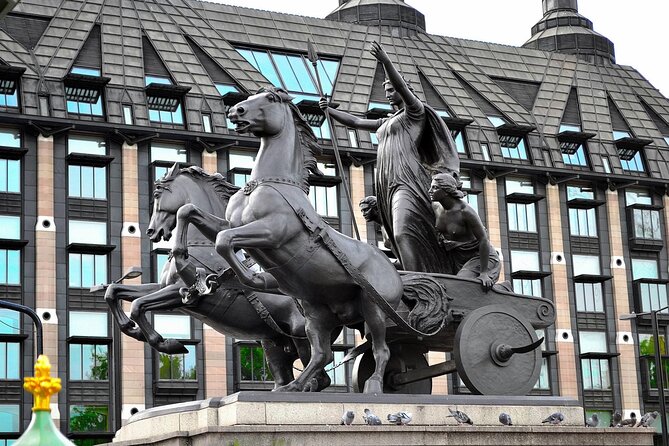
You meet at Boadicea and Her Daughters, Victoria Embankment (SW1A 2JH) and the tour ends near the Churchill War Rooms, King Charles St (SW1A 2AQ).
It helps that the route is based on major sights and is near public transportation, so you’re not dependent on a car or a complicated transfers plan. And because the schedule is built around multiple short outside stops, the walk generally feels easy to manage.
A useful comfort note from real-world feedback: the walking is described as not strenuous, and the pace is laid-back. That matters in London, where some days your feet need mercy.
What to wear:
- Comfortable walking shoes (you’re on pavement for most of the experience)
- A light layer and a rain plan, because Westminster weather can change its mind fast
- A charged phone for maps, especially if you plan to add Churchill War Rooms entry
Stop 1, Westminster Bridge and the odd reality of WWII left behind
You begin at Westminster Bridge, outside only. One detail I love here is the color story: the bridge is described as painted green for the Houses of Commons.
Then the guide adds a fact that makes the whole WWII theme feel uncomfortably real. Bombs from the war are still being discovered, and this bridge area is one of the places tied to that ongoing history.
Even if you only spend about five minutes here, it sets the tone. You’re not getting a clean, postcard version of the past. You’re seeing how the war continues to exist in the ground, not just in books.
Possible drawback: because you’re outside and the time is short, you won’t get deep detail from the location itself. The payoff comes from the guide’s narration, so if you prefer to read everything at your own pace, you’ll still need to listen closely at this first stop.
Stop 2, Houses of Parliament outside: the city’s political nerves
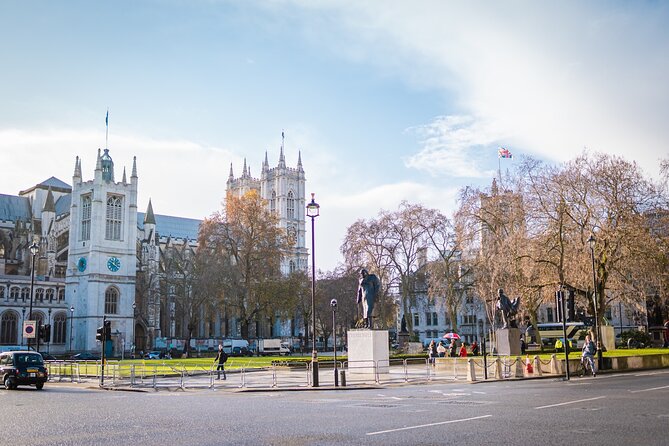
Next you reach the Houses of Parliament area. This is also an outside stop, around ten minutes, and the focus is on how Parliament reacted as the Third Reich threat grew.
The guide frames it with a sound and sky picture, tying Big Ben’s famous bell silence and the presence of Luftwaffe planes over London to the feeling of waiting for impact.
What makes this stop work is that Parliament is not just a pretty building. It’s the machine of government, and WWII forced that machine to make fast choices under pressure.
Tip for you: look up as you listen. It’s easy to get stuck staring at crowds or traffic, but this area rewards a quick scan of the architecture and the positioning of the buildings. It makes the “government in wartime” idea feel more concrete.
Admission note: the Houses of Parliament stop is outside and does not include ticket entry.




Stop 3, Parliament Square: democracy’s symbols with wartime weight
From Parliament, you head to Parliament Square for another outside stop, about ten minutes.
This part is about symbolism. You’ll see statues of icons from different histories and causes, including Mahatma Gandhi, Millicent Fawcett, and Honest Abe. The point is that the square represents democracy in many forms, and that message lands differently when you’re thinking about WWII.
In practice, this stop is also a mental reset. After the political tension of Parliament’s area, the guide gives you a broader lens: democracy is not just a concept. It’s something people fight to protect, and it has to function even when the skies darken.
A small practical note: Parliament Square can be busy, so expect a bit of crowd flow. The stop time is short, so you’ll want to stay close to the guide and not wander off to read every plaque.
Stop 4, Westminster Abbey exterior: surviving the Blitz
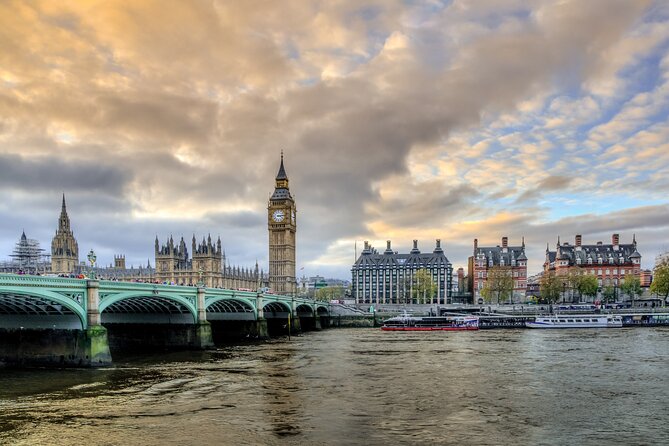
Westminster Abbey comes next, outside only, around ten minutes. The guide talks about the abbey and how it survived the Blitz with help from local heroes.
Even though you do not enter here, it’s still a worthwhile stop because it shows how WWII touched everything, including spiritual and ceremonial spaces.
What to know before you go: Westminster Abbey admission is not included. If you want to step inside, you’ll need to plan that as a separate activity.
Why I think this matters to your day: Westminster Abbey is one of those London landmarks people see in photos and then forget. Hearing how it endured wartime conditions gives it a new layer. You may still not get inside during this tour, but you’ll understand why it’s more than an impressive facade.
Stop 5, Whitehall and the memorial lane that hits harder
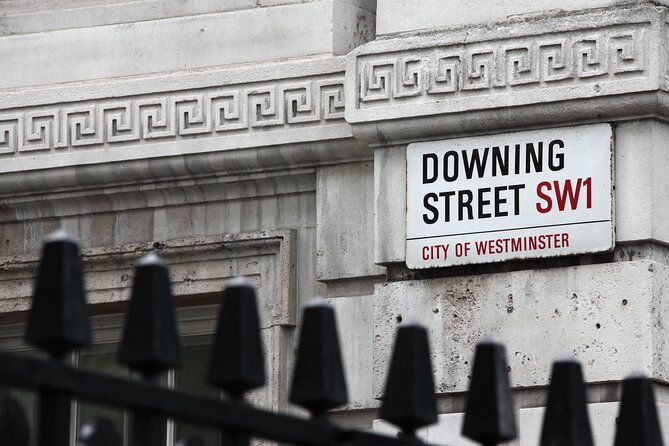
Whitehall is the turning point where the tour stops feeling like landmarks and starts feeling like remembrance.
This stop is about twenty minutes, outside, and it’s centered on Whitehall’s role, including the Ministry of Defence and what that street represented during WWII.
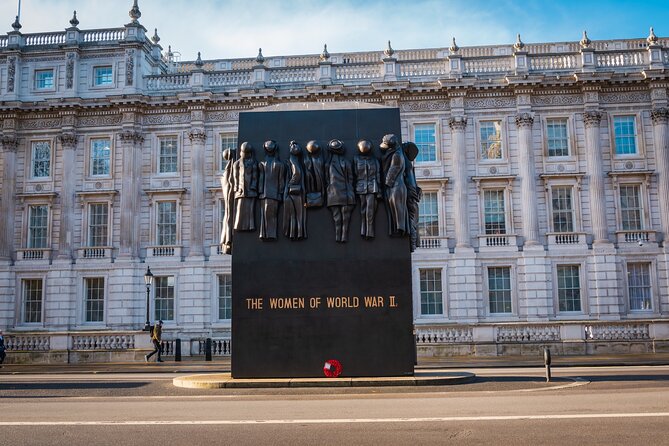
Then you get specific memorial focus. The guide takes you to the Cenotaph and the Women in WWII monuments, which shifts the story from strategy and government to people. It’s not just about bombs and planes. It’s about the men and women who did the work and took the losses.
This is one of the stops where I’d tell you to slow your brain down and let the facts land. It’s easy to treat memorials as photo backgrounds, but the guide’s framing makes them personal.
No entrance tickets are included here, since this is outside, but the time spent is longer than the earlier stops. That’s a clue: this is meant to matter.
Stop 6, Horse Guards Parade: a quick photo break with real atmosphere
Now the tour blends WWII seriousness with classic London pageantry.
You’ll see Horse Guards Parade at Whitehall, outside, about ten minutes. The big practical perk is photo positioning with the mounted cavalry of the Queen’s Horseguards and an official entrance to Buckingham Palace itself.
This is not a WWII deep stop, but it’s a useful contrast. After memorials, you get a bright, recognizable scene that helps you breathe before the final War Rooms stop.
If you’re a photography person: this is a good moment to shoot and regroup, because you’re not moving across multiple small spots like earlier. Stay close to the group so you don’t get left behind for the final stretch.
Stop 7, Churchill War Rooms: why this ending can make or break the day
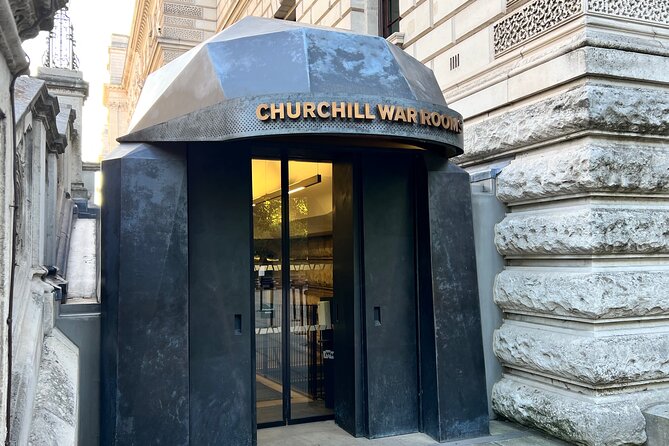
The tour ends at Churchill War Rooms at the entrance area, with about ten minutes on the complex itself as part of the walk. The tour also strongly encourages adding entrance tickets, because that’s where the full story lives.
Here’s what you should expect if you add entry:
- You’ll be dealing with an underground wartime workspace layout.
- The War Rooms are described as winding underground offices that were the epicenter of the government’s war effort.
- There is an audio/headset system inside, and you can often move at your own pace once you’re set up.
This final stop is what many people end up remembering, because the story goes from “what the city looked like” to “what the decision-making environment felt like.”
One important consideration based on real feedback: if you strongly dislike audio-guided formats, this part could disappoint. One person said they personally hate the audio guide and ended up giving up on the experience. Another said the headset system helped them go at their own pace and learn a lot.
So I’d recommend you decide ahead of time:
- If you like audio tours and self-paced galleries, this will likely be a highlight.
- If you prefer human-guided storytelling, go in with a plan to read key signs and rely less on the audio stream.
A practical strategy: when you reach the entrance area, make sure you understand where your ticket takes you next. One piece of feedback mentioned getting lost trying to leave. That’s not a disaster, but it’s annoying when you’re pressed for time. Ask the guide what to do at each step before you start wandering.
How small details change the experience
This tour has a clever rhythm: short stops early, longer meaningful stops at Whitehall, then the War Rooms inside optional payoff.
A few details that help you enjoy it more:
- The route is built around outside moments that keep you oriented, so you don’t feel lost in London.
- You get political landmarks paired with wartime perspective, not just general sightseeing.
- Memorial time gives the story weight, especially at the Cenotaph and Women in WWII monuments.
- The tour ends right where you can keep going, instead of sending you back across the city with no anchor.
If you’re doing this as part of a longer London trip, I’d place it earlier on a day when you still have energy for the War Rooms inside. If you schedule it late, the walking can still be easy, but the energy for the War Rooms audio experience may not be.
Who this WWII Westminster walk is best for
This tour is a strong fit if:
- You want a WWII London introduction that stays grounded in real places
- You care about Churchill-era decision-making, but you also want context from surface landmarks
- You prefer small-group guiding over big crowds
- You’re okay with outside viewing at places like Westminster Abbey and Parliament, then choosing whether to add indoor entry
You might want to skip or adjust your expectations if:
- You only want indoor museum time and hate audio-based self-guided experiences
- You want a long stop inside Westminster Abbey, because it is not included here
If you’re traveling with family or first-time London visitors, the outside sweep plus the War Rooms ending can give you both bearings and story. And if you end up with fewer people, the tour can feel even more personal, including closer-to-private pacing.
Should you book this Churchill and London in World War II walking tour?
Yes, I think you should book it if your goal is WWII context in Westminster, with a guide who knows how to connect landmark to story. The small-group size, the outside route that keeps moving, and the chance to add Churchill War Rooms entrance make it a good value.
Book it with confidence if:
- You’re excited by the idea of ending underground at Churchill’s command center
- You’re willing to pay separately for entrance tickets you want to add
- You enjoy listening as you walk, especially when the guide is lively
Consider a different option if:
- Audio/headset experiences inside the War Rooms are a hard no for you
- You want multiple major indoor attractions included in one price
If you do book it, plan to spend your attention at Whitehall and set aside time for the War Rooms if you add tickets. That’s where the tour shifts from history as facts to history as a lived atmosphere.
FAQ
How long is the Winston Churchill and London in World War II walking tour?
The tour runs about 1 hour 30 minutes to 3 hours.
How many people are in a group?
The maximum group size is 15 travelers.
What is included in the tour price?
You get a guided walking tour of Westminster with an English-speaking local expert guide, plus the small group experience.
Are Churchill War Rooms and Westminster Abbey included in the price?
No. Entrance to Churchill War Rooms is not included, and Westminster Abbey admission is also not included.
Where do I meet the tour, and where does it end?
Meet at Boadicea and Her Daughters, Victoria Embankment (SW1A 2JH). The tour ends at Churchill War Rooms, King Charles St (SW1A 2AQ).
What language is the tour offered in?
The tour is offered in English.
Can I cancel for a full refund?
Yes. You can cancel up to 24 hours in advance for a full refund. If you cancel less than 24 hours before the experience start time, the amount paid will not be refunded.
More Walking Tours in London


More Tours in London

More Tour Reviews in London
Not for you? Here's more nearby things to do in London we have reviewed




More London City Tours worth a look.
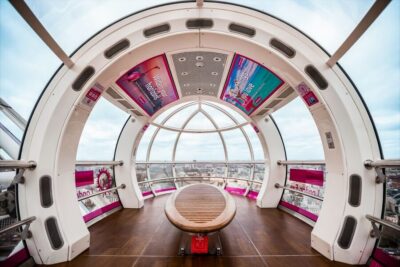 ★ 4.6The London Eye Entry TicketTickets from $3935,875 guest reviews
 ★ 4.7From London: Harry Potter Warner Bros Studio TourTickets from $11726,588 guest reviews
Westminster to Greenwich River Thames CruiseTickets from $2222,836 guest reviews
Magical London: Harry Potter Guided Walking TourTickets from $2022,044 guest reviews
★ 4.7From London: Harry Potter Warner Bros Studio TourTickets from $11726,588 guest reviews
Westminster to Greenwich River Thames CruiseTickets from $2222,836 guest reviews
Magical London: Harry Potter Guided Walking TourTickets from $2022,044 guest reviews
 ★ 4.6Madame Tussauds LondonTickets from $3620,915 guest reviews
 ★ 4.5Stonehenge, Windsor Castle, and Bath from LondonTickets from $11118,662 guest reviews
 ★ 4.7Warner Bros. Studio Tour with TransfersTickets from $14417,586 guest reviews
 ★ 4.7Tower Bridge Entry TicketTickets from $2115,560 guest reviews