
REVIEW · LONDON CITY TOURS
West End and South Bank Theatre Walking Tour in London
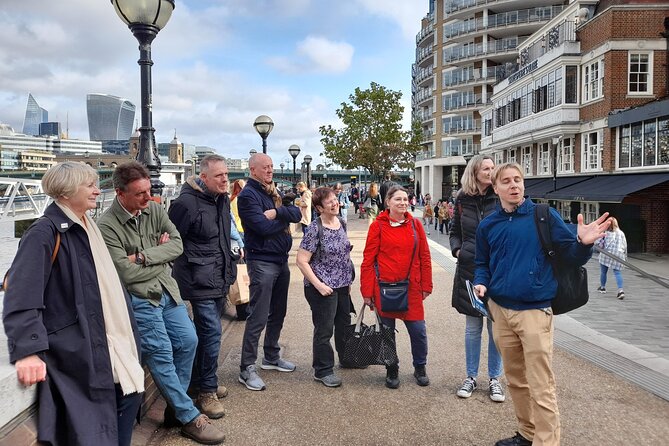
London theaters start here. This West End and South Bank theatre walking tour strings together major playhouses and theatrical landmarks, then carries you all the way to Shakespeare’s Globe, with Charlie Tantam explaining what you’re seeing. I like how it is built for theatre lovers, not just picture-takers, and I like that the group stays small enough for the stories to land.
What makes it extra appealing is the sheer number of stops packed into about 3 hours 30 minutes, and the fact that most of the listed venue admissions are free. The one real drawback to plan for is simple, you’re on your feet for a long walk, so you’ll want comfortable shoes.
Key things to know before you go
- Max 12 people keeps the pace personal and the guide’s commentary focused
- One route, two theatre worlds, West End landmarks first, then South Bank classics
- Stop-to-stop theatre trivia ties buildings to famous productions and performers
- Mostly free admission stops, with one notable exception at the Palace Theatre
- Mobile ticket and English guide, easy to handle and straightforward to join
Getting Oriented, Oscar Wilde Statue to Shakespeare’s Globe
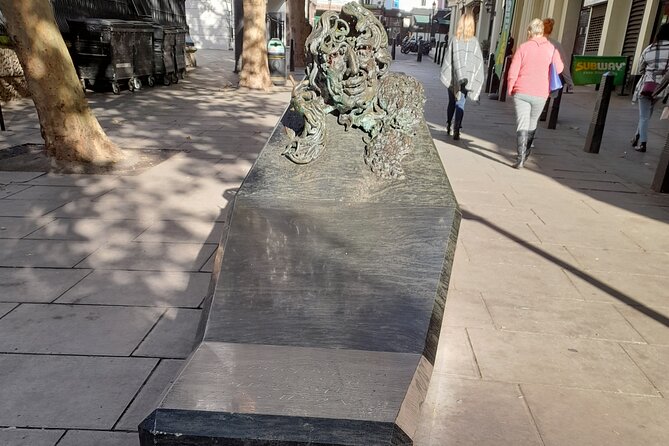
The tour meets at the Oscar Wilde Statue on Adelaide Street, right in the WC2N area. If you like starting where the city already feels alive, this is a good pick, because you’re close to the heart of West End theatre.
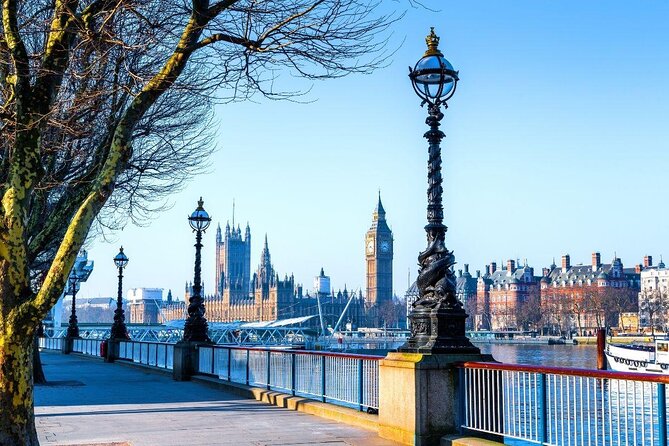
You also end at Shakespeare’s Globe on New Globe Walk, which is a smart finish line if you want to connect modern West End shows to older staging traditions. The route naturally shifts your eye from ornate West End facades to the South Bank’s cultural landmarks, including stops at big-name institutions like the National Theatre before the final Globe moment.
The start time is 10:30 am, so you get a full morning chunk of sightseeing without feeling like your day is wiped out. It also helps that the tour is designed for a moderate pace, with lots of short stops rather than one long, silent hike.
You can also read our reviews of more walking tours in London


Why this theatre walk feels personal, thanks to Charlie Tantam
This is a small-group tour capped at 12 travelers. That matters more than people think. When there are fewer bodies, you can actually hear the guide, and you’re less likely to get shuffled into the back of the group at every stop.
The guide is Charlie Tantam, and the tour is framed around behind-the-scenes stories and theatre facts as you move from one venue to the next. The reviews you’ll see for this tour consistently praise depth, and the itinerary itself supports that. You’re not just collecting names. You’re being pointed to specific details about each building, who premiered there, and which productions made an impact.
Another practical win is how the route is timed. Each stop is short, often around 5 minutes, so you keep momentum. But it is still long enough overall to feel like you actually learned something, especially if you’re the type who watches for architectural clues and historical references as you walk.
Price and value: what $38.39 buys you
At $38.39 per person, this tour is priced like a “special interest” walk, not like a big-ticket museum day. The value comes from two things.
First, you’re paying for guided context across a dense cluster of theatres. In places like the West End, it’s easy to walk past one marquee after another and feel like you saw a lot of buildings but learned little. Here, the guide turns the buildings into stories, like how certain theatres became launchpads for major debuts.
Second, many of the venue stops list admission ticket free. That usually means less hassle and fewer extra ticket decisions on the spot. The one exception is Palace Theatre, where admission ticket is marked as not included. So you get most of the stops with minimal friction, and you still cover a lot of ground.
One more value note: this tour is often booked about 51 days in advance on average. If you have specific plans for show tickets later that day, it’s smart to lock in the tour sooner rather than later.
West End powerhouses: London Coliseum to His Majesty’s Theatre
This first stretch sets the tone, because you start with venues that feel like cultural anchors rather than just “pretty theatres.”
Stop 1: London Coliseum
You begin at the London Coliseum, described as the largest theatre in the West End. The guide’s history focus is a good way to start, because it gives you a mental model for why the West End became what it is today. When you first understand the scale, the rest of the walk makes more sense.


Stop 2: Duke Of York Theatre
At the Duke Of York Theatre, the emphasis is on debuts and big-name beginnings, including a reference to Peter Pan. This stop works well if you like theatre as a chain reaction, how one stage can launch careers and become part of pop culture.
Stop 3: Noel Coward Theatre
The Noel Coward Theatre stop is shorter but pointed, centered on the idea that it is the only theatre where two significant theatre giants shared a stage. It’s the kind of fact that makes you look twice at the building, not just the show poster.
Stop 4: Wyndham’s Theatre
Next is Wyndham’s Theatre, with a detail that theater geeks love: a bust of Shakespeare on the front, said to be the only one in the West End. That’s exactly the sort of “look at this, notice that” moment that makes a guided walk feel different from wandering.
Stop 5: Leicester Square and old music hall spots
You then hit Leicester Square, including a reference to a discount ticket booth and historic music hall locations such as The Alhambra and The Empire. Even if you do not plan to buy tickets right there, this stop helps you understand the economy of the West End, how value deals and historic venues sit right next to each other.
Stop 6: Haymarket Theatre Royal
At the Haymarket Theatre Royal, you’ll hear that it has been favored by Sir Ian McKellen and Dame Judi Dench, plus a rumour of a haunting. Even if you treat the spooky angle lightly, it gives your brain something memorable to attach to the building.
Stop 7: His Majesty’s Theatre London
The His Majesty’s Theatre stop leans into longevity. It is described as the second oldest active theatre site in London, and it is connected to The Phantom of the Opera, noted as the second-longest running musical. If you care about theatre surviving trend cycles, this is a strong stop.
Stop 8: Harold Pinter Theatre
At the Harold Pinter Theatre, the timeline starts in 1881, and the guide ties it to famous names that caused sensations there, including Marilyn Monroe. It’s a reminder that the West End is not just “current shows,” it is an ongoing stage for famous eras.
Stop 9: Prince of Wales Theatre
The Prince of Wales Theatre now hosts The Book of Mormon, but the tour frames it through its history of comedy and musical spectacles. The stop name-drops performers tied to the theatre, including The Beatles, Peter Sellers, and Barbara Streisand. If you ever wonder why the West End feels so international, this is part of the answer.
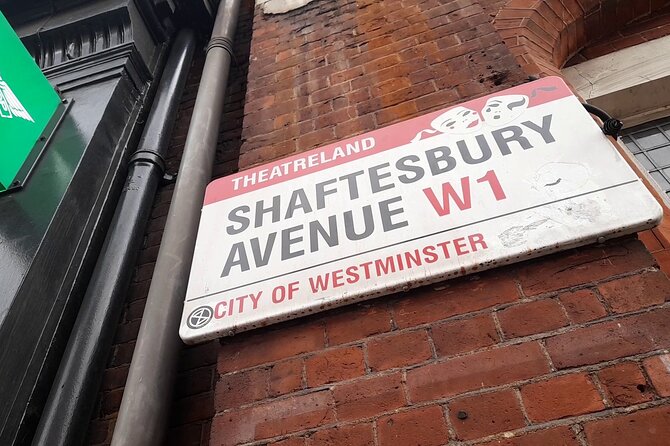
Stop 10: Shaftesbury Avenue
Now the tour broadens into the big theatre street story: Shaftesbury Avenue is described as the road with more theatres than any other. This matters because it explains why you feel theatre density when you walk here. It’s not accidental. It’s built into the street.
Shaftesbury Avenue theatre row: Lyric to Sondheim and Palace
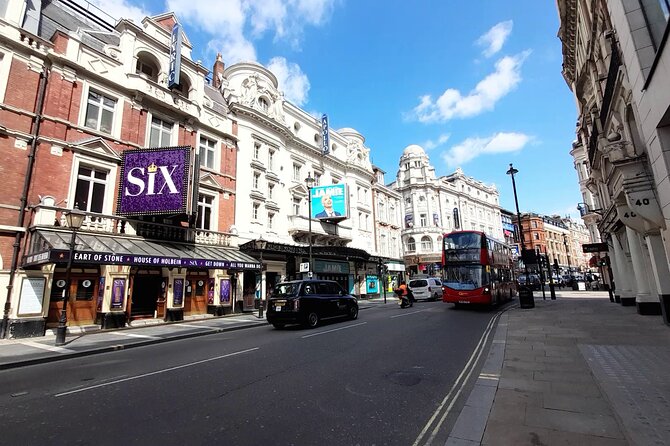
This section is where you really start to see the West End as a system. One street, different venue identities, and lots of stage lineage.
Stop 11: Lyric Theatre
The Lyric Theatre is identified as the oldest surviving theatre on Shaftesbury Avenue. The stop also mentions it as the place where a British comedy icon tragically died. That kind of detail can feel heavy, but it also makes the venue real, not just scenic.
Stop 12: Apollo Theatre
The Apollo Theatre gets an Edwardian highlight, described as the first Edwardian theatre, opening in 1901. It is also linked to a legendary production. Even without naming every show, it pushes you to think about how theatre design and programming trends evolved.
Stop 13: Gielgud Theatre
At the Gielgud Theatre, the emphasis is on names and debuts. It is now named after Sir John, and it’s noted for famous faces giving West End debuts, including Harry Potter himself. I treat that as a playful reminder that pop culture and theatre keep feeding each other.
Stop 14: Sondheim Theatre
The Sondheim Theatre stop focuses on Les Miserables, described as the world’s longest-running musical. It also points to famous faces who debuted there in the 80s. If you know the musical, this stop gives you a timeline. If you do not, it still teaches you what made the show last.
Stop 15: Palace Theatre, and the phrase bring the house down
At the Palace Theatre, the tour connects the past to the current show lineup, with Harry Potter and the Cursed Child now at the venue. It also references the origin of the phrase bring the house down. This is an example of why a guided walk is useful. You hear a phrase used constantly, but you learn where it comes from.
One practical note here: this stop lists admission ticket not included, so you may need to decide how you want to handle entry if you want to go inside.
Stop 16: Ambassadors Theatre
The Ambassadors Theatre is described as unremarkable on the outside, but with major theatre history inside its walls. The stop highlights debuts including Vivien Leigh and Paul Robeson. If you like stories where the building surprises you, this is a great one.
Stop 17: St. Martins Theatre
Next is St. Martins Theatre, home of The Mousetrap, described as the world’s longest-running play. That alone makes this stop worth it, because it is rare to have a single production tied to “still running” for this long.
Stop 18: The Arts Theatre
The Arts Theatre is marked as the West End’s smallest theatre and once home to the most controversial play of all time. Even if you do not know the exact title, the idea lands: small spaces can cause big waves.
Covent Garden to Royal Opera House: market life and stage traditions
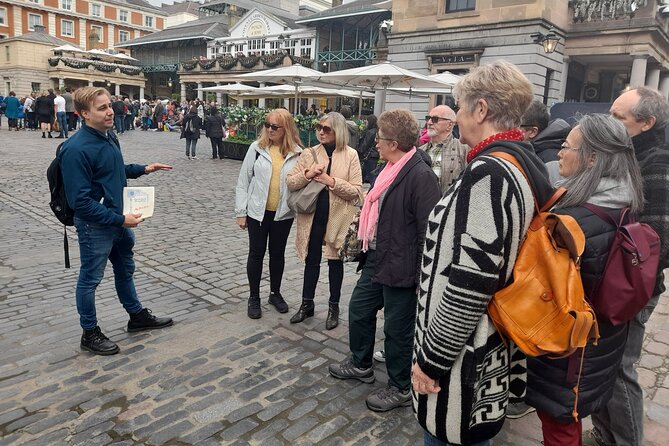
After the dense theatre corridor, the tour shifts toward the kind of London atmosphere that makes theatre feel like part of daily life.
Stop 19: Covent Garden
You’ll reach Covent Garden, including the legendary market, the Actors Church, and street theatre spots. It also notes that Covent Garden includes two of the oldest theatre sites in London. This stop works because it expands your mind from theatres as separate buildings to theatres as part of a neighborhood culture.
Stop 20: Royal Opera House
Then comes the Royal Opera House, with an origin date of 1732. It’s now home to the Royal Opera and the Royal Ballet. Even though this is still a theatre walk, this is your gentle reminder that theatre includes opera and dance, not only plays and musicals.
South Bank finish: Fortune, Drury Lane, Lyceum, National, and the Globe
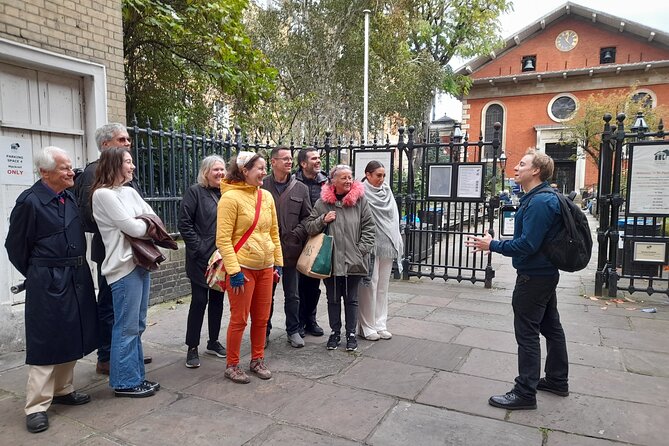
This is the closing act of the tour, and it feels like the route is stepping up in importance because you’re heading into names that shaped the city’s stage identity.
Stop 21: Fortune Theatre
At the Fortune Theatre, the standout is The Woman in Black, described as the longest-running horror play ever. The tour also teases spooky stories linked to its 30+ year history. If you like theatrical storytelling with a chilling reputation, this stop is a good emotional gear shift.
Stop 22: Theatre Royal Drury Lane
The Theatre Royal Drury Lane stop is framed as the oldest active theatre spot in the West End. It’s a perfect place for a pause, because you’re at a venue that carries the kind of continuity the guide keeps pointing out.
Stop 23: Lyceum Theatre
Next is the Lyceum Theatre, now home to The Lion King, going since 1999. It’s described as still a hot ticket, and it also names Victorian-era stage legends Sir Henry Irving and Dame Ellen Terry. The stop even mentions the genesis of a famous gothic horror creation, tying popular theatre to older creative roots.
Stop 24: National Theatre
At the National Theatre, the guide shares history and includes a notable line: Laurence Olivier, described here as the founder of the National, stated the opposite. That’s an interesting hook because it hints that theatre institutions also come with debate and perspective, not just consensus.
Stop 25: Shakespeare’s Globe Theatre
The final stop is Shakespeare’s Globe Theatre. The tour connects to Bankside, where Shakespeare made his name, and it highlights the Globe reconstruction. The itinerary also promises a final “top-secret theatre location,” which is exactly the sort of last-minute detail that helps the walk end with a story you remember.
What to expect during the walk itself
This is not a slow meander where you spend an hour staring at one facade. The structure is short stop, strong context, then move on. Many stops are listed at 5 minutes, with a few slightly longer ones like 10 minutes at Leicester Square area context and later Covent Garden, plus a longer final stretch at the Globe.
The total time is about 3 hours 30 minutes. You’ll likely do a good chunk of walking between venues, with plenty of standing around at each stop. Bring the type of energy that works for city walking. If you’re okay with that, you’ll get the most out of the guide’s stories.
Also, because the route is venue-dense, you may be working around street traffic and crowds. Plan to keep your group position and let the guide lead you through tight spots.
Practical tips for show-lovers (and shoe-lovers)
A few things make this tour much easier to enjoy:
- Wear comfortable footwear. The itinerary is packed, and you will spend plenty of time on sidewalks.
- Bring a light layer. London weather changes fast, and the experience is described as requiring good weather. If conditions are poor, you should expect a different date or a full refund.
- If you’re planning to see a show right after, this route helps you know where the theatres cluster. That can make evening ticket hunting feel less chaotic.
- Since it’s English and uses a mobile ticket, keep your phone charged and ready at the start.
- The meeting spot near Adelaide Street is easy to reach with public transport, but you still should arrive a few minutes early to get oriented and avoid a rushed start.
Who should book this tour
This tour is ideal if you:
- love theatre enough to care about what happened before today’s marquee
- want a guided way to connect famous venues to famous people and productions
- enjoy walking through real neighborhoods rather than hopping from stop to stop inside vehicles
You might not love it as much if you:
- want mostly hands-on museum time or long indoor exhibits
- prefer short outings with minimal walking
- need a fully seated experience for most of the duration
Should you book this West End and South Bank Theatre Walking Tour?
I think it’s a strong booking if you’re the kind of visitor who likes understanding the why behind the big names. At $38.39 for about 3.5 hours, with a capped 12-person group and a guided story focus led by Charlie Tantam, you get a lot of theatre context without the cost of multiple ticketed attractions.
Book it if you can handle a long walk and you want your London day to feel theatre-centered, not just scenery. Skip or consider an alternative if you’re sensitive to weather changes or you want more time seated and indoors.
If you want one simple reason to choose it, here it is: this route teaches you how the West End became a machine for stars, stories, and stage traditions, then lets you close that loop at the Globe.
FAQ
What is the duration of the West End and South Bank Theatre Walking Tour?
The tour runs for approximately 3 hours 30 minutes.
Where is the meeting point?
You meet at the Oscar Wilde Statue, 3 Adelaide St, London WC2N 4HZ, UK.
What time does the tour start?
The start time is 10:30 am.
How many people are in the group?
The tour has a maximum of 12 travelers.
Is the tour offered in English?
Yes, the tour is offered in English.
Are theatre admission tickets included?
Most stops are listed as Admission Ticket Free, but Palace Theatre is listed as Admission Ticket Not Included.
What is the cancellation policy?
You can cancel for a full refund up to 24 hours in advance of the experience start time. If you cancel less than 24 hours before, the amount paid will not be refunded. The experience requires good weather, and if it is canceled due to poor weather, you will be offered a different date or a full refund.
More Walking Tours in London


More Tours in London

More Tour Reviews in London
Not for you? Here's more nearby things to do in London we have reviewed



More London City Tours worth a look.
 ★ 4.6The London Eye Entry TicketTickets from $3935,875 guest reviews
 ★ 4.7From London: Harry Potter Warner Bros Studio TourTickets from $11726,588 guest reviews
Westminster to Greenwich River Thames CruiseTickets from $2222,836 guest reviews
Magical London: Harry Potter Guided Walking TourTickets from $2022,044 guest reviews
★ 4.7From London: Harry Potter Warner Bros Studio TourTickets from $11726,588 guest reviews
Westminster to Greenwich River Thames CruiseTickets from $2222,836 guest reviews
Magical London: Harry Potter Guided Walking TourTickets from $2022,044 guest reviews
 ★ 4.6Madame Tussauds LondonTickets from $3620,915 guest reviews
 ★ 4.5Stonehenge, Windsor Castle, and Bath from LondonTickets from $11118,662 guest reviews
 ★ 4.7Warner Bros. Studio Tour with TransfersTickets from $14417,586 guest reviews
 ★ 4.7Tower Bridge Entry TicketTickets from $2115,560 guest reviews