
REVIEW · LONDON CITY TOURS
The Beatles London Walking Tour
A Beatles walk in London, timed to the music. You’ll trace how the band’s early scene shaped parts of the city, then you’ll see where London helped put them on the map, too. The route mixes iconic addresses with smaller, story-rich street corners, and it ends at Abbey Road where you can sign the famous wall.
I like that you get real, specific fan stops, not just general vibes. Seeing Paul McCartney’s London office/home details and getting your Abbey Road moment in the flesh are two big wins for me, because they turn a checklist into a walk with meaning.
One thing to consider: this is a proper walking tour, and the Abbey Road section includes a short tube ride where the tube station is not accessible. If you have mobility issues, a back problem, or you’re pregnant, you’ll want to skip this one.
Key highlights worth planning around
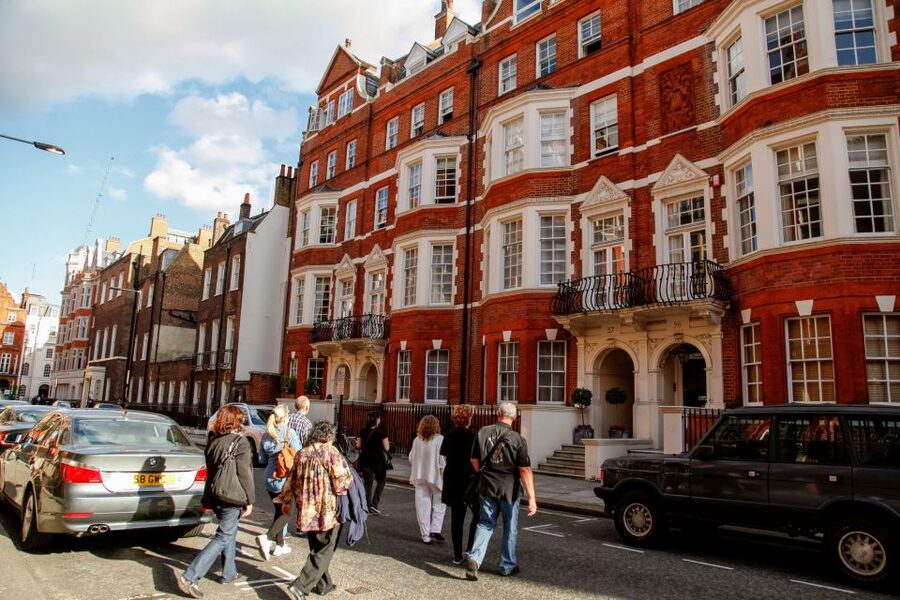
- Paul McCartney’s London offices and home connections in the middle of a real walking route
- Carnaby Street and the Soho circuit for a close-up look at the swinging 60s scene
- Trident Studios area plus major studio and recording-story stops tied to Beatles songs
- West End venues used for big premieres, including Harry Potter world premiere cinemas
- Abbey Road Studio wall signing and a photo at the crossing when transport allows
- Small-group energy with a passionate local guide who keeps the pace moving
A Beatles London walk that actually teaches London
This tour works because it treats the city like a collaborator. You’re not just hunting for famous names. You’re walking through areas where you can feel how London’s music industry, theatres, and street life fed a band like the Beatles.
What makes it rewarding is the way the guide connects dots. You’ll hear how the group’s personal and musical choices tied into specific streets and buildings, then you’ll see what’s still standing, what’s changed, and what London remembers.
You also get practical value. You leave with a clearer sense of how central London is laid out, and which neighbourhoods make sense to revisit for independent exploring after the tour.
You can also read our reviews of more walking tours in London


Starting at Dominion Theatre, then walking with purpose
You begin at Dominion Theatre, right across from Tottenham Court Road Tube Station. That location matters because it puts you near a lot of central West End movement, and it makes it easy to orient yourself after you’re done.
The tour runs about 2 to 2.5 hours, and the time depends on walking pace. The company also makes a clear point about punctuality: the tour needs to finish on time, and the guide will adjust if you’re lingering. In plain terms, you’ll be moving often enough that comfortable shoes are not optional.
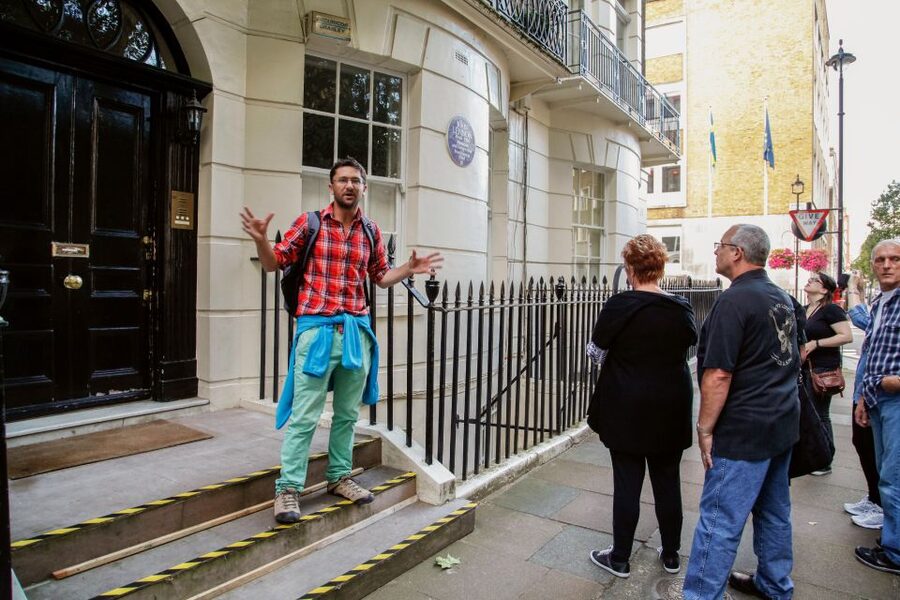
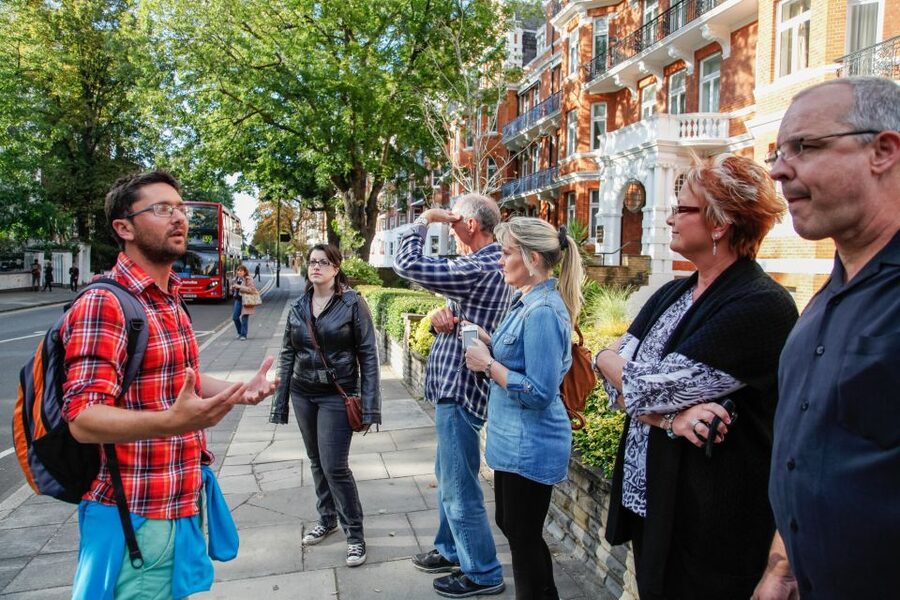
Small-group tours can be hit or miss, but here the format is built for interaction. Expect questions, quick back-and-forth, and a guide who keeps the story flowing while still giving you time to look up, read plaques, and take photos.
Denmark Street and Soho Square: where pop culture and music business meet
The route kicks off with stops in the kind of streets where careers get launched. Denmark Street and Soho Square are short guided segments, but that’s part of the strategy. You spend just enough time to understand why these places mattered, then you move on while the story stays fresh.
Denmark Street is tied to the early buzz of Beatlemania, meaning it’s more than a picturesque name. It’s a marker of how London’s music scene operated, where performers and industry folks mixed, and where the city’s attention could swing fast.
Soho Square adds context. Instead of only chasing later fame, you get a sense of the broader creative area the Beatles were orbiting. It helps you connect the band’s rise to the kinds of social spaces and urban rhythms that made it possible.
Trident Studios site to Wardour Street: song-making locations you can feel
Next comes the stop at the former site of Trident Studios, where you get more than a photo opportunity. This is the kind of segment that turns a song title into a location. You’ll hear what was going on there and why studio life mattered to the sound people fell for.
You’ll also get a studio-linked visit tied to songs like Hey Jude, plus other recording and film-location stories as you go. Even when you’re standing in front of something that’s no longer the exact scene from the 60s, the guide’s job is to help you picture how London’s physical spaces worked for the band.
After that, Wardour Street and the surrounding West End streets keep the momentum. They’re important because they show the route logic of the day: where you’d likely walk, where you’d likely turn, and how the city’s layout shaped movement between scenes.
Prince of Wales Theatre and London Palladium: big premiere energy
A standout part of the tour is that it leans into London’s theatre and screen culture. You visit venues including Prince of Wales Theatre and the London Palladium, with guided time at each.
This is where the tour becomes fun for more than just Beatles fans. The route includes cinemas tied to Harry Potter world premiere nights, so you’ll see how London still uses these same spaces for major public events.
That matters because it gives you contrast. You’re seeing the Beatles era, but you’re also seeing how London keeps recycling the same stage power for modern pop culture. It’s a reminder that celebrity is not frozen in time here. It just changes costumes.





Carnaby Street and Savile Row: swinging style and a different kind of street photo
When you hit Carnaby Street, you’re stepping into the “swinging 60s” centre in practical terms. The guided time is short, but the point lands: this is where fashion, attitude, and youth culture overlapped with the kind of fame the Beatles helped ignite.
Carnaby is also one of those places where your photos feel more like postcards than proofs. Street-level detail gives you something to look at even if you’ve already seen pictures online. If you’re a photographer, this is a good zone to pause, frame, and experiment.
Then comes Savile Row, which is an interesting turn in tone. It’s not the loudest street on Earth, but it gives you the counterpoint London needs for the Beatles story. You can see how the band’s world intersected with more traditional parts of the city, not only with youth hotspots.
The public transport stretch: how the Abbey Road section works
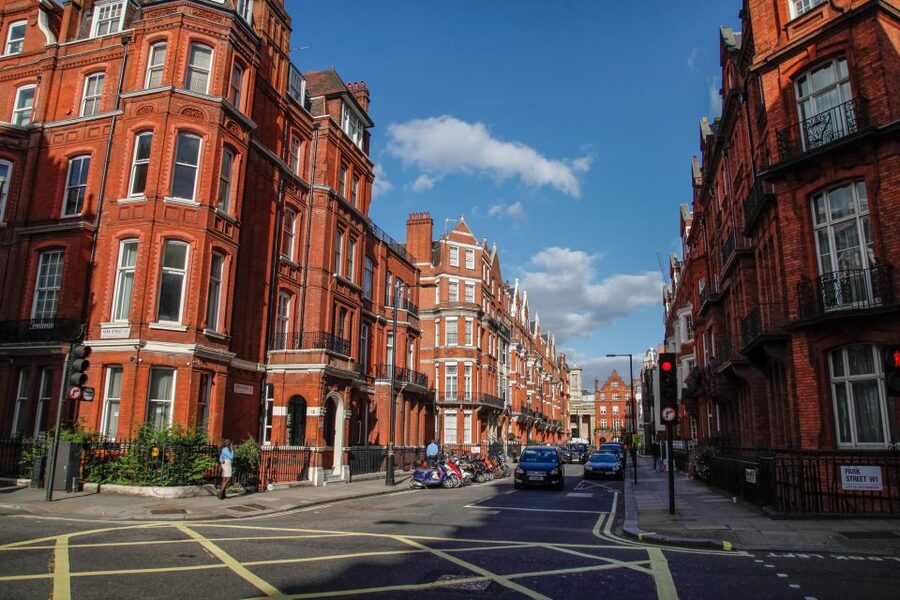
After Savile Row, the tour shifts into the part that needs a bit of logistics awareness. There’s a public transport segment of about 25 minutes to get you over to the Abbey Road area.
Then comes another key note: the Abbey Road section requires a short tube ride, and the tube station is not accessible. If you use a wheelchair, have significant mobility limits, or you’re travelling with any constraints that make stairs and station layout hard, this becomes a deal breaker for comfort.
For everyone else, treat this transport break as part of the pacing. It prevents the tour from being only side-street slog. You’ll also get a clearer “finish line mindset” as you move toward the last stretch.
Abbey Road Studios: wall signing and the zebra crossing photo moment
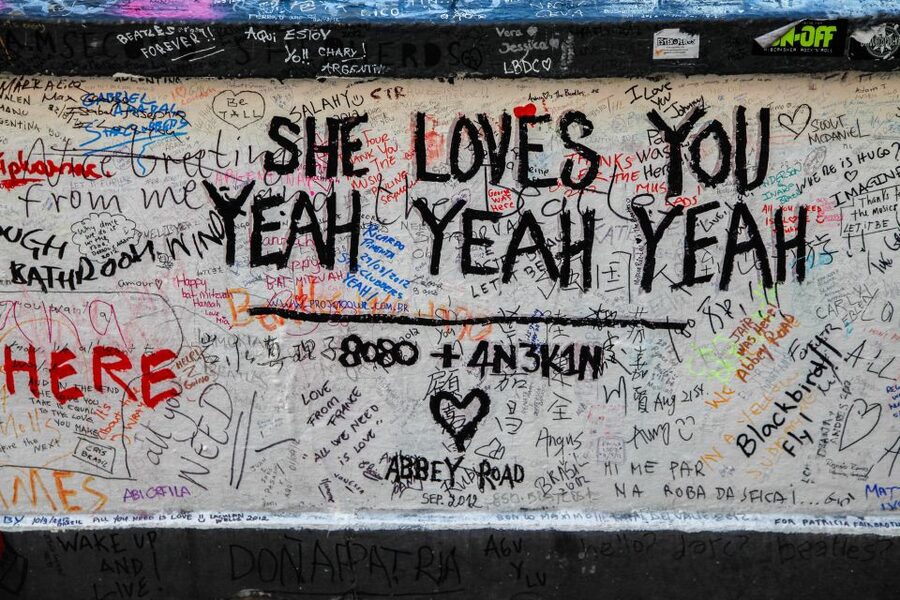
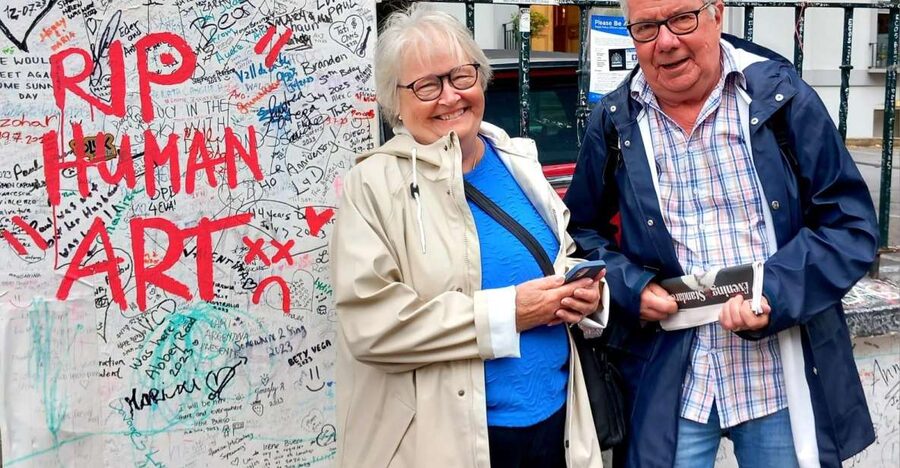
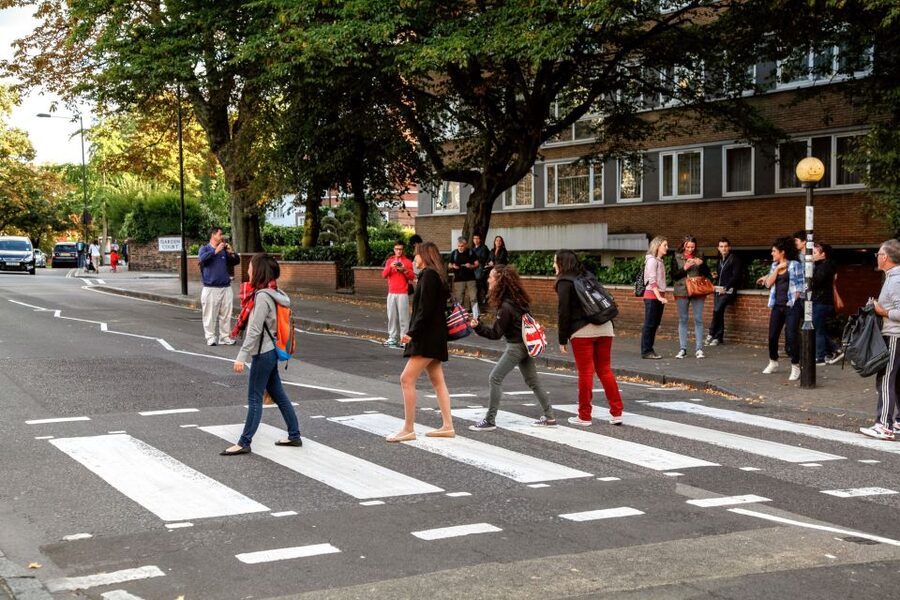
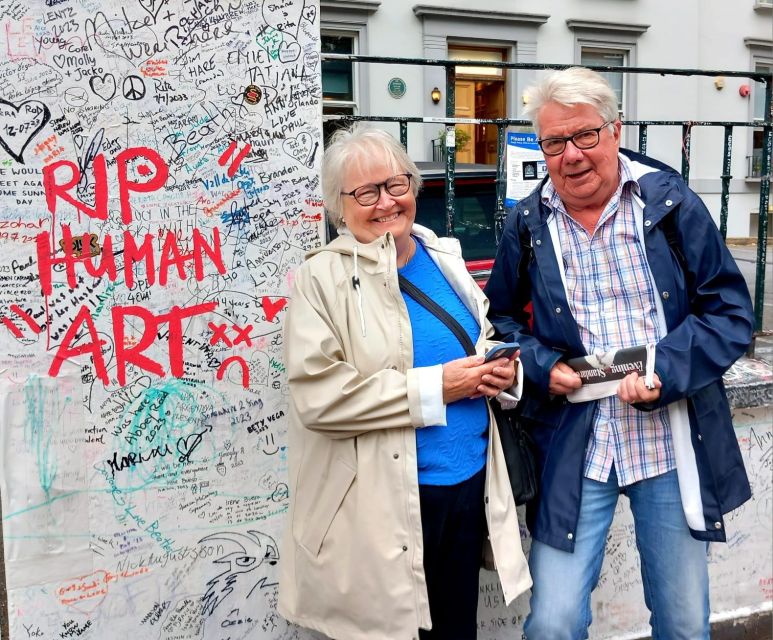
The tour ends at Abbey Road Studios, and that finish is where the day feels complete. You’ll spend guided time at Abbey Road, and you’ll be able to sign the famous wall in front of the studios.
That wall-signing detail is exactly the kind of “I did it” souvenir that doesn’t feel tacky. It’s also a nice way to end a tour that’s been building meaning as you go, instead of saving everything for the last minute.
Photo time is part of the plan too. You can get a photo at the Abbey Road crossing, but only when transport and conditions allow. In practice, that means you should stay flexible and be ready for a moment that depends on pedestrian flow and timing.
One more practical point: this is a high-interest area, so if you’re taking photos, give yourself a quick check for where people are standing. You’ll have better pictures if you don’t crowd the crossing and you let the guide manage the best angles.
Paul McCartney’s offices, and the Yesterday connection
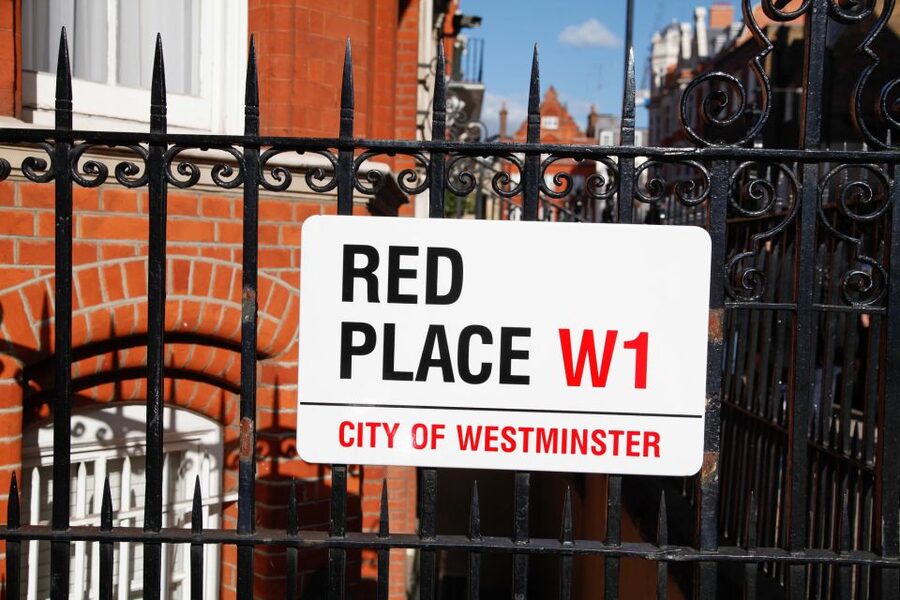
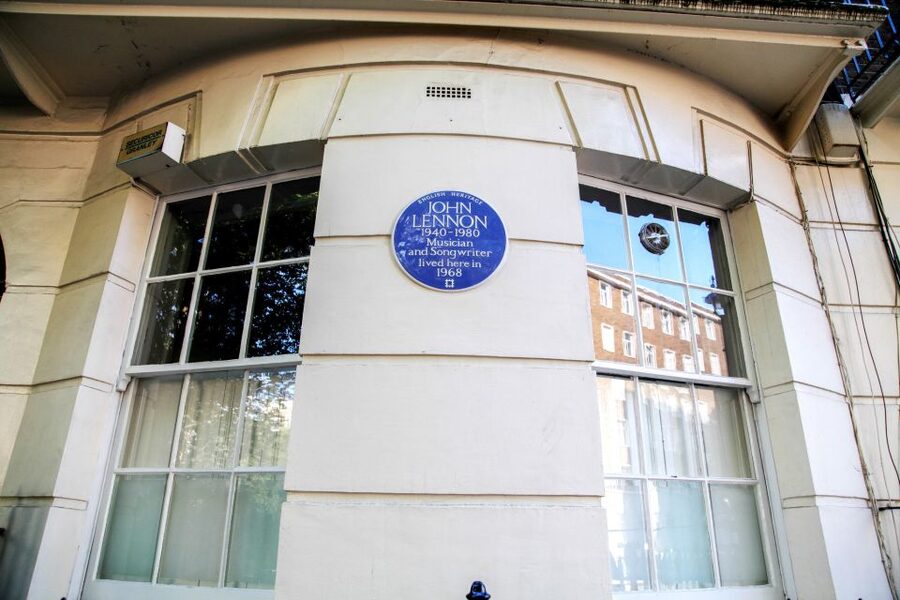
A big value of this tour is how it narrows in on individuals. You’ll see Paul McCartney’s London home and offices, and you’ll visit the building where Paul first played the melody of Yesterday to his mates.
Even if you already know the song, I like this kind of stop because it turns the legend into a place. It’s one thing to love a track. It’s another to understand how a melody story can be tied to a real address and a real moment in London.
This segment also helps you appreciate why London mattered to the Beatles beyond fame. The city wasn’t just a backdrop. It was where working, meeting, and creating happened, sometimes in fairly ordinary-looking buildings that only become special because of what happened inside them.
Guide energy is the difference between seeing and understanding
The tour runs with a professional guide, and what consistently makes it work is the style of guiding. The best moments are when your guide doesn’t just recite facts, but uses stories to help you understand why each location matters.
I’ve seen examples of guides like Ana/Anna who add extra texture by showing old photos and articles on a phone, which helps you line up what you’re seeing now with what the Beatles world looked like then. Other guides, like Conor, are also known for helping people get photos done well, including pointing out good photo spots and taking group shots if you’re travelling solo or as a small group.
You’ll also notice that the tour is designed to answer questions without making things feel like a lecture. If you’re the type who wants the real details, ask about the studio or film connections. If you’re the type who just wants the mood, you’ll still get a lot out of the street walking and location-specific stories.
Value check: is $55 worth it?
At $55 per person for about 2 to 2.5 hours, the value is mainly in two things: a focused route and a live guide. This is not a self-guided stroll where you hope the facts magically appear on a plaque. You’re paying for interpretation.
The one cost caveat is transportation. Transportation isn’t included, and there is a required tube component for the Abbey Road portion. The good news is that the transport time is relatively short, and the guide keeps the day on schedule. Still, you should budget for whatever transit costs you’ll face on the day.
If you’re a serious Beatles fan, the payoff is high because the tour concentrates on practical, walkable London areas connected with the band’s story. If you’re casual, you might still enjoy it, especially for the Abbey Road wall and photo stop, but you’ll get the most if you want the story behind the addresses.
Who this Beatles tour suits best, and who should skip
This tour fits best if you’re:
- A Beatles fan who wants specific places, not just generic London sights
- Comfortable walking for about two to three hours
- Happy to follow a guide, keep pace, and still stop for pictures
It’s not a great match if you:
- Are pregnant, have back problems, or need wheelchair-friendly access
- Rely on level access at subway stations, because the Abbey Road tube station is not accessible
- Travel with large luggage or big bags, since those are not allowed
If you’re travelling with kids, it can work if they’re Beatles-tuned, but the walking and pacing still matter. Plan for breaks, and keep expectations realistic for a city centre walking route.
Should you book this Beatles London Walking Tour?
I’d book it if your London trip has a Beatles priority and you like guided storytelling tied to actual places. The combination of Soho and Carnaby Street culture, studio and film-location connections, and a satisfying finish at Abbey Road Studios makes this tour feel like a complete arc.
Skip it if you need full accessibility support for subway stations, or if walking for a couple of hours will be uncomfortable. Also, if you hate timed schedules, know that punctuality and finishing on time are part of how the day works.
If you’re in the middle ground, here’s my simple test: if you want the Beatles story to be location-based, with a guide who can help you see what you’d miss alone, then this is a strong choice.
FAQ
How long is the Beatles London Walking Tour?
The tour lasts about 2 to 2.5 hours, depending on the group’s walking pace.
How much does the tour cost?
It costs $55 per person.
Where do I meet the guide?
You meet at Dominion Theatre, across the street from Tottenham Court Road Tube Station, Tottenham Court Road 268-269, W1T 7AQ London.
Where does the tour end?
The tour finishes at Abbey Road Studios.
Is transportation included?
No. Transportation is not included, though a short tube ride is required for the Abbey Road part.
Is the tube station accessible for the Abbey Road section?
The tube station used for the Abbey Road section is not accessible.
What languages are available?
The live tour guide operates in English and Russian.
Is this tour suitable for wheelchair users, pregnancy, or back problems?
No. It is listed as not suitable for wheelchair users, pregnant women, or people with back problems.
What can’t I bring, and what should I bring instead?
Bring comfortable shoes. Pets, smoking, and luggage or large bags are not allowed.
What is the cancellation policy?
Free cancellation is available up to 2 days in advance for a full refund.
More Walking Tours in London



More Tours in London


More Tour Reviews in London
Not for you? Here's more nearby things to do in London we have reviewed








More London City Tours worth a look.
 ★ 4.6The London Eye Entry TicketTickets from $3935,875 guest reviews
 ★ 4.7From London: Harry Potter Warner Bros Studio TourTickets from $11726,588 guest reviews
Westminster to Greenwich River Thames CruiseTickets from $2222,836 guest reviews
Magical London: Harry Potter Guided Walking TourTickets from $2022,044 guest reviews
★ 4.7From London: Harry Potter Warner Bros Studio TourTickets from $11726,588 guest reviews
Westminster to Greenwich River Thames CruiseTickets from $2222,836 guest reviews
Magical London: Harry Potter Guided Walking TourTickets from $2022,044 guest reviews
 ★ 4.6Madame Tussauds LondonTickets from $3620,915 guest reviews
 ★ 4.5Stonehenge, Windsor Castle, and Bath from LondonTickets from $11118,662 guest reviews
 ★ 4.7Warner Bros. Studio Tour with TransfersTickets from $14417,586 guest reviews
 ★ 4.7Tower Bridge Entry TicketTickets from $2115,560 guest reviews
Continue by place or experience