
REVIEW · THAMES RIVER CRUISES
Thames Beachcombing
Mud meets London history. This guided mudlarking walk along the River Thames turns the foreshore into a real-life treasure hunt, with a guide who helps you spot what you’re actually looking at. I like that you are given straightforward tips at the start, so your eyes can move from random grit to meaningful objects fast.
The other big plus is the small group format, so you get time to ask questions while you search. Your main tradeoff is simple: it can get muddy and stony, and the route and timing shift with the tide and the season, so you’ll need to be flexible.
Key takeaways before you go
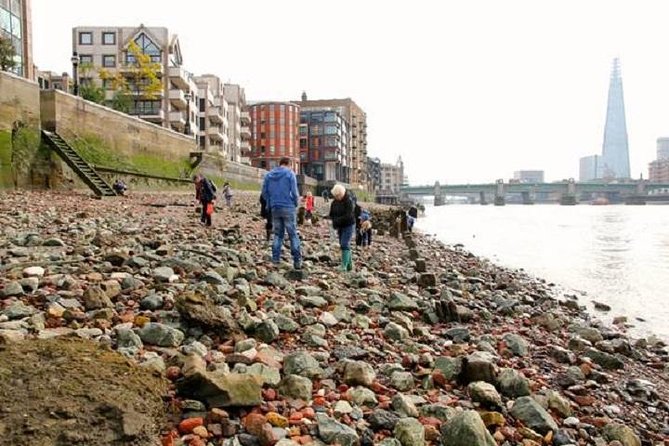
- You’re searching the foreshore at low tide, not a museum display, so the experience feels hands-on and slightly surreal.
- Guides help identify what you find, with historical context at the end.
- Expect small groups, capped at 20, with extra attention when the group stays around 15.
- Bring proper boots (wellington boots or hiking boots). The ground is rocky and muddy.
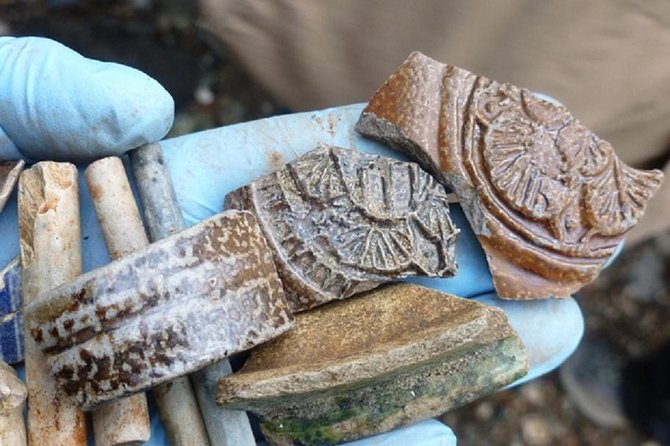
- You might find pottery, clay pipes, tiles, and other debris, and the guide helps sort the interesting from the junk.
Mudlarking on the Thames: what this is really like
Mudlarking is an old London pastime, and this tour is built around the core idea: when the tide goes out, the Thames foreshore becomes a temporary window into the city’s everyday life. Centuries of materials wash around and get deposited along the river edge, so instead of reading about the past, you’re spending time looking at it with your own eyes.
What I like about this experience is that it’s not just wandering. You get gloves and a bag, then you work a stretch of riverbank with a guide who can point out patterns you might otherwise miss, like how fired clay breaks, what certain ceramics tend to look like, or why some small fragments are more telling than others. Then, after the searching time, the guide helps identify your finds and gives you the kind of context that makes the objects click.
Also, you’re not going to be alone out there. Guides can help keep the activity fun and safe-feeling, even if you are new to mudlarking. In particular, the name Robert shows up in guest stories for being approachable and good at explaining what people find, from clay pipes to older tiles.
You can also read our reviews of more tours and experiences in London.

Price and value for a 2 hour artifact hunt
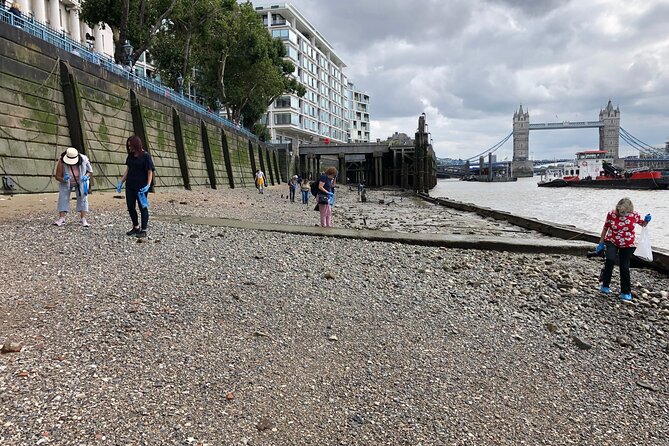
At about $41.41 per person for roughly 2 hours, this is one of those London activities that feels small in cost but big in payoff if you like hands-on history. You are paying for three things that matter on the ground:
First, you’re paying for a local guide who can help with identification. If you’ve ever picked up an odd-looking piece of pottery and wondered if it’s “anything,” this is where the value shows up. The end-of-walk identification part is a real differentiator.
Second, you’re paying for the time spent searching at low tide with a group that stays small. A bigger crowd would mean less attention and a more rushed feeling. The tour is set up to keep you moving and looking without feeling like you’re in a stampede.
Third, basic gear is covered. Gloves and plastic bags are included, so you don’t have to arrive with the right setup already figured out.
One caution on value: this is not a guaranteed-finds tour. The joy is in the hunt and the learning, not in getting a specific “souvenir artifact.” If the weather is poor, you’ll be rescheduled or refunded, which is a fair trade since the activity depends on conditions.
How the schedule works when the tide controls everything
This activity runs about 2 hours total, with about 1.5 hours of searching time on the foreshore. The key operational detail is that the guide contacts you with the meeting location and start time, and those shift throughout the year. That means you’re not locked into one famous spot all seasons long. You are going to wherever conditions and low-tide access make sense.
You make your own way to the meeting location. Once you arrive, you get gloves and a bag, and you get tips on what to look for. Then you walk the foreshore as the guide watches the group and helps interpret finds as you go.
The tour ends back at the meeting point. That loop matters because you don’t have to solve transportation puzzles mid-activity. You simply follow the guide, search, then circle back.
Because times and location change, your best approach is to treat the booking as “we’ll get you there,” not as “I will plan a precise itinerary down to the minute.” If you like strict schedules, mudlarking will teach you to loosen your grip a little.
What you do during the hunt, step by step
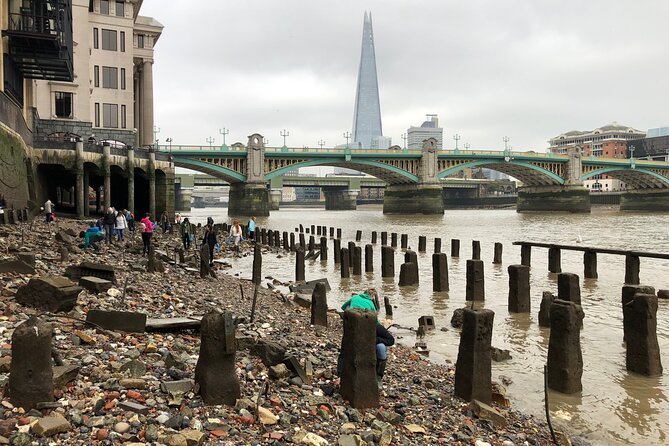
Here’s the rhythm you should expect.
You arrive, then the guide sets you up with the basics: how to look, what shapes and materials tend to show up, and how to handle objects you spot. The tour is designed for the items you can spot with your eyes, so you’re not doing any heavy excavation.
Then comes the searching block. You comb through the foreshore at low tide, working along the stony river edge. The emphasis is on careful scanning rather than frantic scooping. You might spot small ceramics, pottery fragments, tiles, or other bits of river-worn life.
When the search time ends, the guide helps identify your finds and provides historical context. This is where your experience often gets a second wind. Guests describe getting help sorting what’s interesting from what’s less meaningful, and hearing age ranges or background that turns a pile of fragments into a story about London life.
You’ll also appreciate the small-group feel here. In a larger group, end-of-tour identification can turn into quick nods and a rushed goodbye. This one is meant to keep it personal.
The kinds of Thames artifacts you might find
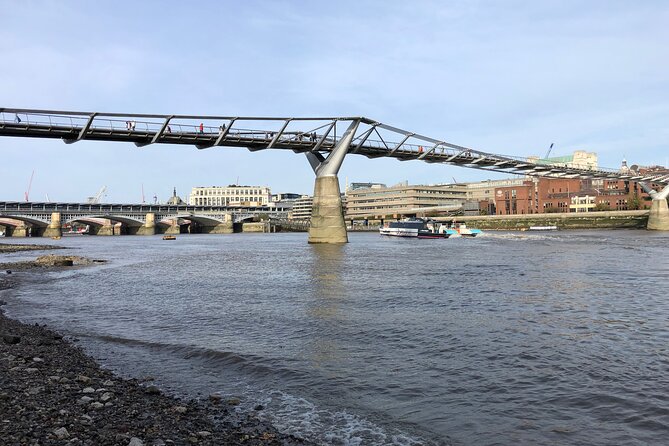
This is the “what’s in the mud” section, and you should know up front: you may find something, you may not find the rarest thing in your path, and that’s normal. What matters is that you’re learning to recognize common categories of objects.
Based on what the guide and guests focus on, here are the types of items people look for and can bring to the end-of-walk identification:
- Pottery and ceramic fragments: often small, sometimes with distinctive surfaces or patterns.
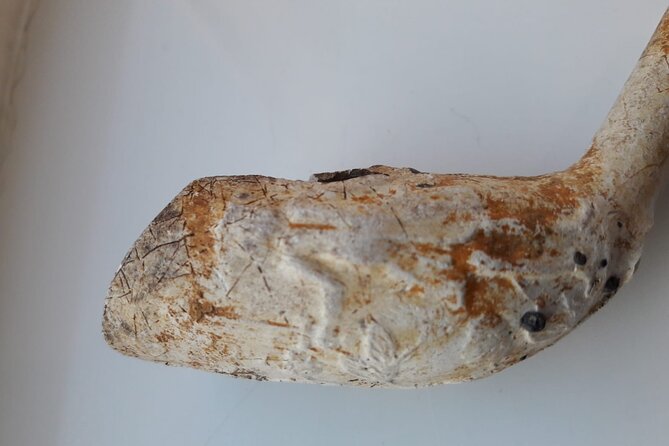
- Clay pipes: a frequent highlight in guest stories, and one of those items where context can be especially fun to learn.
- Tiles and roof tile pieces: guests have even mentioned finding older tiles that helped connect to London’s major events, including material from before the Great Fire of London.
- Other everyday objects: the tour description calls out that a variety of items wash up, so your haul might not fit one neat theme.
One memorable example from group stories involves something as human as an imprint left in clay from fingerprints while making a bowl handle. That’s the kind of detail that makes mudlarking feel like time travel, because it’s not just “an object,” it’s evidence of a real person doing a real job.
The guide’s job is to help you translate what you found into meaning. They can help you spot differences, understand what might be older versus newer, and figure out what you have.






Choosing the right boots and staying comfortable on stony mud
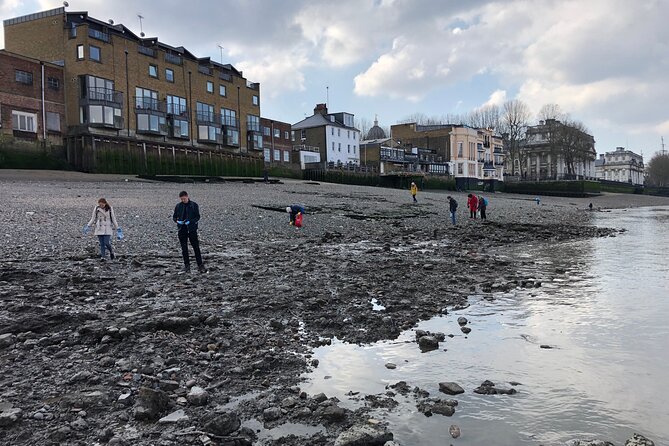
This is not a light stroll in soft sand. The foreshore can be stony and muddy, and the tour asks you to wear wellington boots or hiking boots.
That clothing choice matters for two reasons.
First, comfort and stability. If your feet slip around, your attention goes from looking to worrying. Good boots keep you steady while you scan along the river edge.
Second, timing. The activity is tide-dependent and lasts about 2 hours total. You want to be able to stand and walk for that long without cutting your legs up or feeling miserable.
If you’re bringing kids, keep in mind the tour says children under 16 must be accompanied by an adult. One family story also mentioned gloves being too big for a young child. Since gloves are provided, you might still want to pack your own if you have a child with small hands, or at least be ready for the possibility of adjustments.
Also, you should have a moderate physical fitness level. “Moderate” here means you should be comfortable walking on uneven ground and staying focused while you search.
Meeting point, transport, and what to do with your mobile ticket
The start and end are at the same meeting point in London. The activity is near public transportation, which helps a lot, because low-tide schedules can be the kind of thing that throws off your day if you’re far from transit.
You’ll receive confirmation within 48 hours of booking, subject to availability. Your guide will contact you with the location and time, which changes throughout the year. You can plan around this by leaving some flexibility and having your phone charged, so you can find the right spot at the right time.
The tour uses a mobile ticket, so keep that on your phone ready to show.
Since your meeting point can vary, I recommend you don’t commit to a tight lunch reservation right before your start time. It’s not hard to get there, but tide timing adds a layer of “London is doing London.”
Who this Thames beachcombing tour is best for
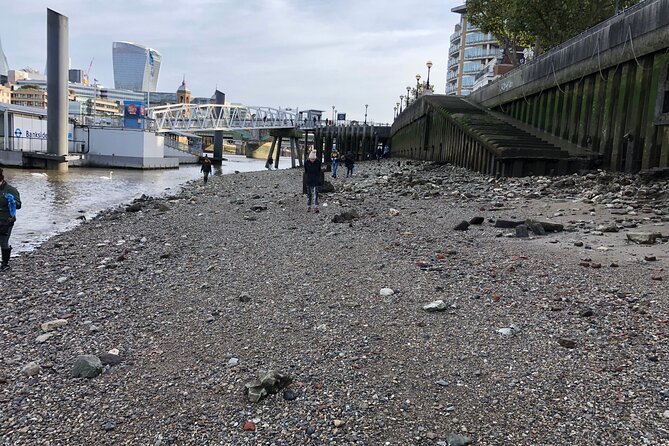
This is a great match if you:
- Like hands-on discovery more than sitting and listening
- Want a playful way to learn London history through objects
- Enjoy small-group experiences where you can ask questions
- Feel curious about everyday life in the past, not just big monuments
It also works well as a family activity with older kids. One family story included children around 5 and 8 who stayed engaged the whole time, especially because the guide showed pictures of things to look for before the hunt. If you’re traveling with kids, that “what to look for” setup can be the difference between boredom and excitement.
You might skip this tour if you dislike muddy ground, hate getting your hands dirty, or need a fully predictable itinerary down to the exact address and minute. The tour adapts to tide and season, so flexibility is part of the deal.
When it all comes together: the best moments
The most praised aspects in the stories line up into a clear pattern.
People love the feeling of discovery, like they are literally rummaging through London’s past. Even the word “surreal” comes up for how strange and fun it feels to be hunting artifacts on the river edge instead of in a gallery.
The second favorite is the guide’s help. Robert comes up again and again for being friendly, approachable, and strong at helping guests identify finds. That support keeps the hunt from turning into random scavenging. You learn what something likely is, why it matters, and how it fits into London’s timeline.
The third favorite is the small-group pacing. Guests repeatedly describe not feeling rushed, getting enough space to search, and having their finds looked at with care at the end. For a tour that depends on attention, that matters.
Should you book Thames Beachcombing with Culture Seekers Tours?
If you like active travel, this is an easy yes. For the price of a mid-range London tour, you get gloves and bags, a low-tide search, and end-of-tour identification that turns fragments into stories. The experience also has a strong satisfaction record, with a high recommendation rate and an excellent average rating.
Book it if:
- You want a truly hands-on London activity
- You can handle a bit of mud and uneven ground
- You care about learning what everyday objects mean
Skip it if:
- You don’t want to walk on stony, muddy foreshore
- You need a fully fixed location and time plan
- You hate the idea of a weather-dependent activity
One last practical tip from how this tour is set up: wear your boots, dress for the conditions, and show up ready to look closely. When you do, mudlarking on the Thames turns into one of those rare travel moments where you feel like you are part of the city’s ongoing story.
FAQ
How long is the Thames mudlarking experience?
The tour lasts about 2 hours total, with around 1.5 hours spent searching along the foreshore at low tide.
Where does the tour take place?
It takes place on the River Thames foreshore in London. The exact location can vary throughout the year.
How do I know the meeting point and start time?
Your guide contacts you with the location and the time, since it changes depending on the season and low-tide conditions.
What is included in the tour price?
The tour includes a local guide, gloves, and plastic bags.
What should I wear?
Wear wellington boots or hiking boots. The foreshore is stony and can be muddy.
Is the group size small?
Yes. The tour is designed as a small group, with a stated maximum of 20 travelers.
Can children join?
Children under 16 must be accompanied by an adult.
What happens if the weather is bad?
This experience requires good weather. If it’s canceled due to poor weather, you’ll be offered a different date or a full refund.
What is the cancellation window?
You can cancel up to 24 hours in advance for a full refund. If you cancel less than 24 hours before the start time, the amount paid is not refunded.
More Tour Reviews in London
Not for you? Here's more nearby things to do in London we have reviewed











More Thames River Cruises worth a look.
 ★ 3.5London Big Bus Hop-On Hop-Off Tour with Optional River CruiseTickets from $3910,803 guest reviews
 ★ 4.5Westminster to Tower Bridge River Thames CruiseTickets from $186,127 guest reviews
 ★ 4.4London Eye, River Cruise, & Hop-on Hop-off Bus TourTickets from $745,332 guest reviews
 ★ 3.9Tootbus Hop-on Hop-off with optional River CruiseTickets from $414,327 guest reviews
 ★ 5.0High-Speed Thames River Speedboat in LondonTickets from $903,971 guest reviews
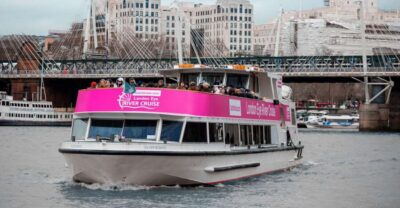 ★ 4.5Thames River Cruise with Optional London Eye TicketTickets from $203,900 guest reviews
 ★ 4.1Big Bus Hop-on, Hop-off with Optional River CruiseTickets from $353,875 guest reviews
Continue by place or experience