
REVIEW · LONDON CITY TOURS
London: The Lost Tunnels of Euston Station Guided Tour
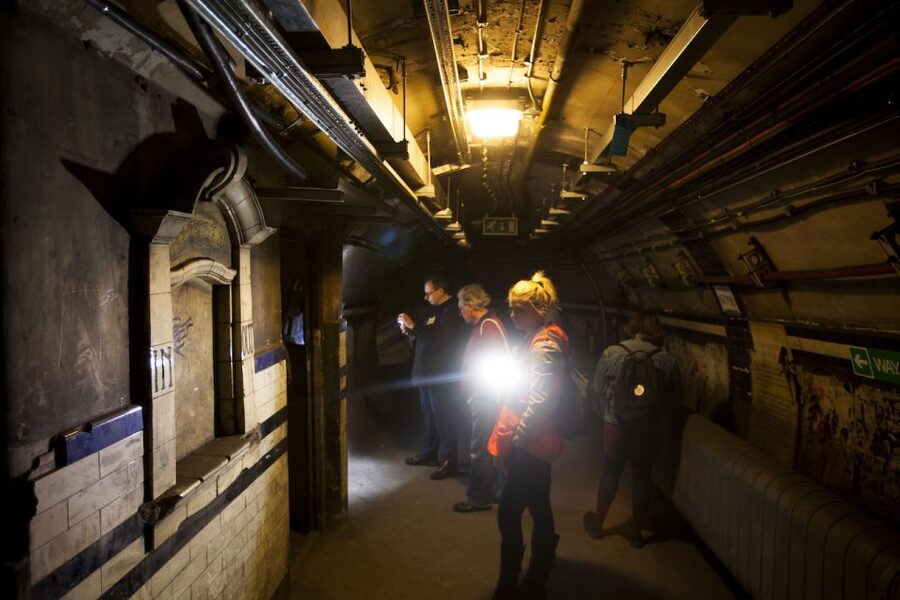
Under Euston, the tube goes quiet. This guided tour takes you into disused tunnels beneath Euston Underground for a close-up look at neglected passageways, concealed poster remnants, and the station’s future tied to HS2. I especially like the historic details from London Transport Museum experts, and I love that the stops are built around what you can actually see in the dark and dusty spaces. The main drawback is that it is lots of walking on uneven ground with low light, stairs, and no toilets, so it is not a match for everyone.
A big part of the fun is how the tour links past and next. You’ll hear how Euston began near Melton and Drummond Streets, then watch parts of the underground network get interpreted right alongside the changes coming with High Speed 2. In at least one group I saw highlighted in the reviews, guides like Scott and Anthony were friendly and made time for pictures, which matters when you want to capture a place you cannot easily find on your own.
Before you go, check your comfort level with enclosed spaces and movement. There’s no toilet stop, and the route is not suitable for people with mobility impairments or for anyone with claustrophobia. If you are good with stairs and dim corridors, you are set.
Key highlights you’ll care about
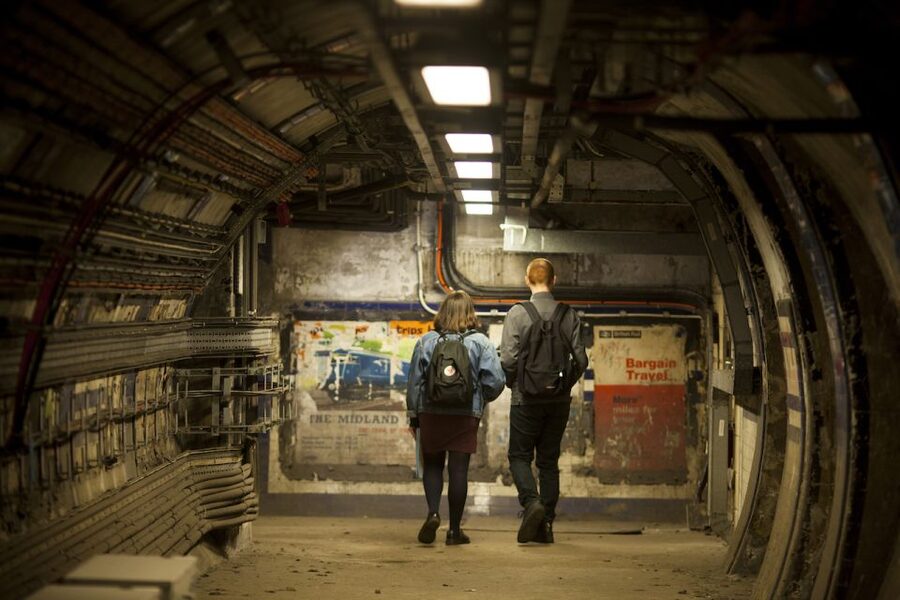
- Disused passageways that were once used by the traveling public, now repurposed into a rare viewing route
- Concealed vintage advertising posters, hidden from sight for over 50 years
- Iconic Leslie Green station area, spotted before changes related to redevelopment
- HS2 at Euston explained in plain terms, including what it means for the station’s role
- A secret ventilation shaft viewpoint looking down on Victoria Line trains
- London Transport Museum experts behind the content and writing
Why Euston’s lost tunnels feel like real London
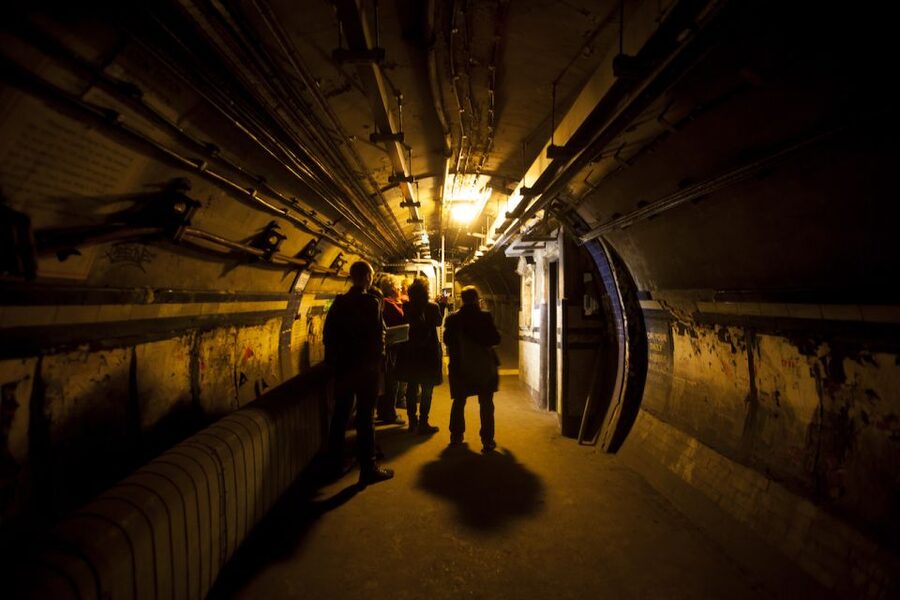
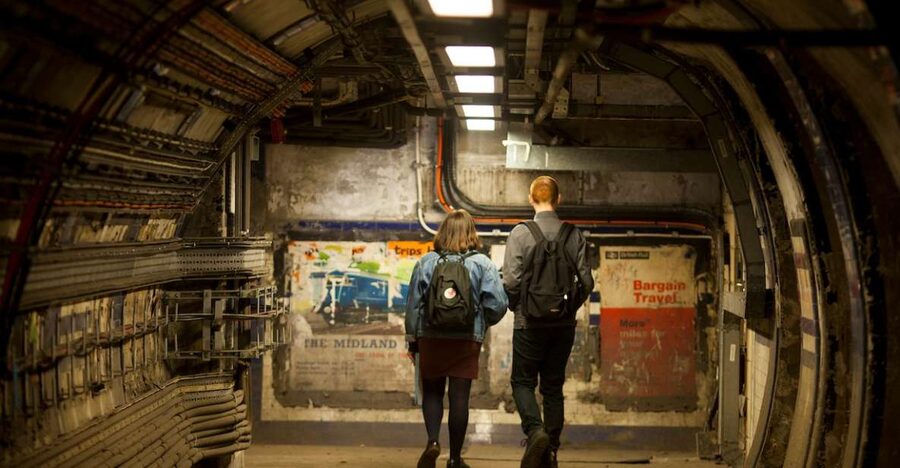
London stations are loud above ground, but Euston is even more interesting underground. This tour gives you access to disused corridors and passageways that are normally off-limits, so you can see how the station worked before today’s streamlined flow.
What makes it click is that the guide does not treat the tunnels like a spooky movie set. You get context for the spaces, why they were built, and how they connect to the larger story of Euston. I like that you’re not just watching darkness, you’re learning what that darkness used to do.
Another reason I’m a fan: you get to look for clues people usually miss. The tour includes remnants of vintage posters that were concealed for decades, and those visuals turn the tunnels into something tangible. You can almost picture the ads the public used to see, even when the paper is dusty and half-hidden.
You can also read our reviews of more guided tours in London


75 minutes of walking: how the tour tends to move
The tour runs for about 75 minutes, and it is an active route. Expect a lot of walking, including uneven ground, low lighting, and stairs. That means your main prep is not about cameras or snacks. It is about shoes, stamina, and comfort with dim places.
You’ll start at the south exit of Euston Square station (NW1 2BF), at the corner of Gower Street and Gower Place, by the glass façade on the hospital side of Euston Road. A helpful detail is the what3words location: baked.bend.worry. If you’re meeting up near crowds, this kind of pinpoint saves time.
Since it ends back at the meeting point, you do not need to plot a long after-walk route. Still, plan your day so you are not rushing to another appointment. When you add stairs and slow lighting, 75 minutes feels closer to “one solid chunk,” not a quick stop.
The meet point that sets you up fast
If you’ve never worked with London wayfinding in a hurry, this is where you’ll appreciate the clarity. The official meeting spot is specific: the south exit of Euston Square station, at the hospital-side glass façade.
I recommend arriving a little early so you can orient yourself before you walk into the darker parts of the station. Once the tour begins, you’ll be moving and you may have trouble checking your phone. In tunnels, signal can be inconsistent, and the route is not built for stopping to figure things out.
And yes, you should skip anything bulky. Food and drinks are not allowed, and luggage or large bags are also not allowed, so travel light.
Hidden posters and Euston’s early street-level beginnings
One of the best parts of the tour is that it anchors the tunnels to real Euston origins. You’ll hear about the station’s humble beginnings on the corner of Melton and Drummond Streets. Even if you’ve walked around central London for years, learning the starting point helps you understand why the station looks and connects the way it does.
Then the tour turns those origins into something you can physically see. You’ll spot remnants of vintage advertising posters that have been concealed for over 50 years. The posters are a visual time capsule, and the guide’s explanation makes it clearer why they were hidden and what that tells you about changes in passenger areas over time.
I like moments like this because it’s not abstract. You are standing in the actual structure where old messaging and older layouts once shaped how people moved. Even when the posters are worn or partially obscured, they still feel like evidence.
Leslie Green details you can catch before redevelopment
Euston has always been a station with an identity, and the tour gives you a chance to notice it in a specific way: you’ll see the iconic Leslie Green station and its surrounding area as part of the experience.
This matters because the guide frames what you see as something that won’t always remain in the same form. Parts of the area are expected to change with redevelopment tied to Euston’s growing role, especially with HS2. The tour’s value is that it helps you look now, with a sharper eye, instead of assuming you’ll remember details later.
If you care about architecture, entrances, signage styles, or the way old stations show their era through design, you’ll get more out of this stop. If you’re there just for the tunnels, you can still enjoy it as a “what you see above will never be exactly the same again” moment.




How HS2 reshapes Euston, explained in human terms
A lot of station-change talk sounds like future plans and blurbs. Here, the tour connects HS2 to what Euston is already doing today and why that matters.
You’ll hear how Euston is expected to become the London terminus for the new High Speed 2 line to the Midlands. You also get a bigger sense of scale, including that the station serves over 42 million passengers each year. When you hear that figure out loud, it changes your mental picture. This is not a sleepy corner of the network. It’s a machine.
Then the guide ties the old underground passageways to the station’s evolving needs. That’s what makes the tour more than a “see the dark room” outing. It’s about how complex stations keep working while they grow, modernize, and reconfigure.
If you like planning your trip around how cities function, this part is especially useful. You’ll leave with a clearer sense of what to expect from Euston in the coming years and why certain upgrades and redesigns are not random.
The ventilation shaft: the best wow moment
The tour saves one of its most visual moments for later: a secret ventilation shaft where you can look down at Victoria Line trains.
This is the kind of stop that feels rare because it mixes viewpoint access with motion you can watch. Instead of only seeing static tunnels, you get live movement above or below your perspective, which makes the station feel alive in a new way.
It also helps you connect tunnel space to actual operations. You start to understand how ventilation, access corridors, and passenger systems all share the same underground ecosystem. Even if you’re not a transit nerd, seeing trains from that angle makes the underground network feel more real.
Bring your patience. Viewing moments are often tight for spacing, and lighting can be tricky. If you want good photos, you’ll do best by listening for what the guide suggests, then taking your shots during the allocated time.
Guides and pace: how to get the most out of it
The tour is guided, in English, and run by people with a strong grasp of the station’s physical layout and stories. The content is written by historical experts from the London Transport Museum, using material from the museum’s archive and collection.
From what I’ve seen reflected in the quality of the experience, the guides tend to balance storytelling with practical pacing. In the reviews, Scott and Anthony came up as friendly guides who gave people time to take pictures and explained why certain areas were closed and what was being done to improve tube service. That combination matters because it prevents the tour from feeling like a fast walk-through.
A key idea for you: go with a curious mindset, not just a checklist. Ask questions when you get the opening, especially when the guide points out how spaces were used by the traveling public. The tunnels work best when you think, What was this for, and how did people use it?
Practicalities that can make or break the day
This tour is not “sit down and listen.” It’s active, and there are practical rules that you’ll want to respect.
What you should bring
- Comfortable shoes with good grip
- Comfortable clothes
- Weather-appropriate layers, since you might be moving in and out of different areas
- Passport or ID card
What you should not bring
- Food and drinks
- Luggage or large bags
- Open-toed shoes
Comfort and safety considerations
- No toilets
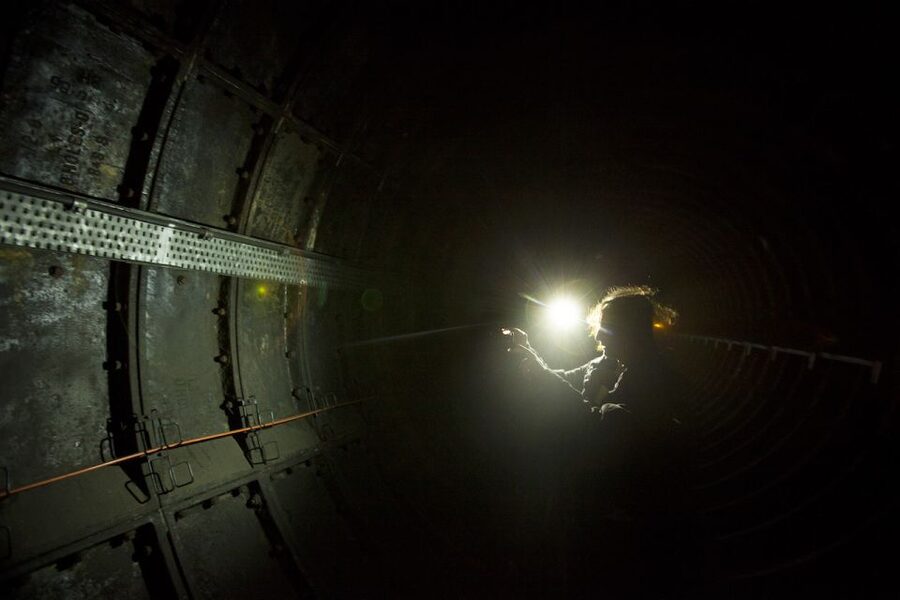
- Uneven ground, low lighting, and stairs
- Not suitable for people with mobility impairments
- Not suitable for people with claustrophobia
- Children need to be 10 to 15, and there’s a limit of four children per adult
If any of those items sound like you, it’s worth rethinking. The tunnels are dark and dusty, and the experience depends on walking through them at a steady pace.
Value and pricing: is it worth about $60?
At $60.61 per person, you’re paying for more than a guided walk. You’re paying for access to disused underground spaces, plus a guide who connects what you see to how Euston works and where it’s going next.
Is it a bargain in the way some walking tours are? Not exactly. But it’s also not priced like a high-end private attraction. I think it lands in a fair zone because:
- You get 75 minutes in otherwise unreachable tunnels
- The viewpoint stop at the ventilation shaft adds a visual payoff
- The content is tied to London Transport Museum expertise
If you enjoy transit history, station architecture, and “how this city actually moves,” you’ll likely feel like your money turned into real access. If you’re expecting a gentle stroll with minimal walking or if tight spaces make you uneasy, the value will feel lower because the tour rules and physical demands are part of the deal.
Should you book the Lost Tunnels of Euston tour?
Book it if you want a different side of the Tube station than the one you normally speed through. You’ll get a rare look at disused passageways, hidden vintage poster remnants, the Leslie Green area, and a viewpoint from a ventilation shaft onto Victoria Line trains. The HS2 context gives the tour extra purpose, not just atmosphere.
Skip it if you cannot handle low light, stairs, uneven ground, or if you have claustrophobia. Also, if you need toilet access during outings, this one won’t work for you since there are no toilets on the route.
FAQ
Where is the meeting point for the Euston Lost Tunnels tour?
Meet your guide at the south exit of Euston Square station, NW1 2BF, at the corner of Gower Street and Gower Place. It’s the station entrance with the glass façade on the hospital side of Euston Road, what3words baked.bend.worry.
How long is the guided tour?
The tour lasts about 75 minutes. Starting times vary, so you’ll want to check availability for the exact slot.
Is the tour guided in English?
Yes. The live tour guide is provided in English.
Are there toilets during the tour?
No. There are no toilets on the tour route.
Is the tour suitable for people with mobility impairments?
No. The tour is not suitable for people with mobility impairments.
Is this tour OK for claustrophobia?
No. The tour is not suitable for people with claustrophobia.
What should I wear and bring, and what is not allowed?
Wear comfortable shoes and comfortable clothes, and bring a passport or ID card. Food and drinks, luggage or large bags, and open-toed shoes are not allowed.
More Guided Tours in London


More Tours in London


More Tour Reviews in London
Not for you? Here's more nearby things to do in London we have reviewed









More London City Tours worth a look.
 ★ 4.6The London Eye Entry TicketTickets from $3935,875 guest reviews
 ★ 4.7From London: Harry Potter Warner Bros Studio TourTickets from $11726,588 guest reviews
Westminster to Greenwich River Thames CruiseTickets from $2222,836 guest reviews
Magical London: Harry Potter Guided Walking TourTickets from $2022,044 guest reviews
★ 4.7From London: Harry Potter Warner Bros Studio TourTickets from $11726,588 guest reviews
Westminster to Greenwich River Thames CruiseTickets from $2222,836 guest reviews
Magical London: Harry Potter Guided Walking TourTickets from $2022,044 guest reviews
 ★ 4.6Madame Tussauds LondonTickets from $3620,915 guest reviews
 ★ 4.5Stonehenge, Windsor Castle, and Bath from LondonTickets from $11118,662 guest reviews
 ★ 4.7Warner Bros. Studio Tour with TransfersTickets from $14417,586 guest reviews
 ★ 4.7Tower Bridge Entry TicketTickets from $2115,560 guest reviews