
REVIEW · LONDON CITY TOURS
London Sherlock Holmes: Crack the Case Walking Adventure
Sherlock feels close enough to jog. This London Sherlock Holmes: Crack the Case Walking Adventure turns a simple walk into a puzzle-led story across Marylebone, with 13 Holmes-style challenges and clue stops at landmarks and odd little corners. I like that it mixes famous addresses like Baker Street with the medical street vibe around Harley Street. One drawback to plan for: a few puzzle prompts can feel hard, or sometimes a direction detail can be annoying.
The best part is how low-pressure it is. You play on your phone, get the next directions when you solve each bit, and you can pause or resume anytime. There’s no tour guide to translate the game for you, so you will be the translator.
If you want a cheap, fun way to see real streets instead of just hitting a checklist, this is a solid choice. You do need to stay patient when the logic gets quirky.
Key things to know before you start
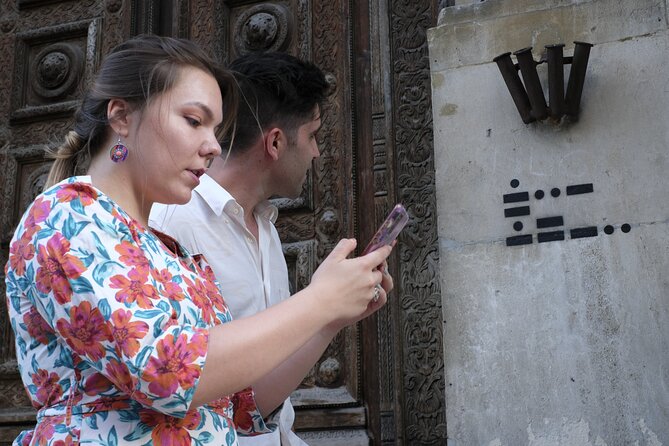
- App-led pacing: You control timing, pause/resume, and move at your own pace.
- 13 puzzle challenges: Each solved clue feeds the next part of the story.
- Marylebone route: The stops cluster around BBC Broadcasting House, Baker Street, and the nearby streets in between.
- Real London texture: You visit well-known sites plus smaller lanes and local façades.
- No entrance ticket needed for the stops (except the finish): Most attraction entries aren’t required to complete the walk.
- Some clues can be unclear: Keep extra attention handy for puzzle wording and directions.
A Sherlock Holmes game that actually gets you walking
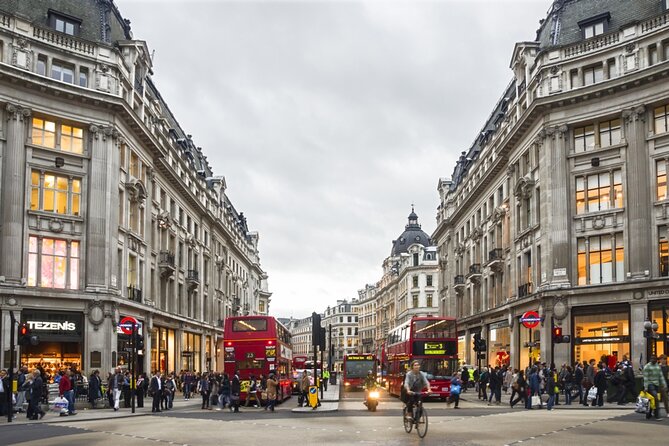
This is a walking adventure with a mystery framework, not a sit-and-listen tour. You start at BBC Broadcasting House (Portland Pl, London W1A 1AA) and end at the Sherlock Holmes Museum at 221B Baker St (NW1 6XE). Along the way, you solve 13 puzzle challenges based on a storyline inspired by Arthur Conan Doyle.
What I like most is that it gives you a reason to look up. London sightseeing can turn into autopilot, especially on a short trip. Here, each stop has a clue you need to solve before you get the directions to the next location. That nudges you to pay attention to building details, street names, and the little bits of visual logic that make the area feel like Holmes country.
You can also read our reviews of more walking tours in London


Price and value for a 50 to 80 minute case
At $7.20 per person, the big value is time, not just money. This is about 50 minutes to 1 hour 20 minutes on the ground, and you get 13 puzzle challenges inside that window. Even if you take your time at a few stops, you are still done before you would normally finish one pricey guided activity.
It is also one of the few London experiences that keeps costs down by not requiring attraction tickets for each waypoint. The walk can be completed without paying entry fees at the stops. You do need to budget for the final area if you want to go into the museum, since the Sherlock Holmes Museum entry is not included.
The only true “cost” is your phone battery and your willingness to think. If you prefer a guide who answers questions instantly, this format may frustrate you.
Getting started at BBC Broadcasting House: first clue, then momentum
Your first stop is BBC Broadcasting House. The game starts you at the former headquarters and hands you the first clue. That clue then unlocks the next part of the story and the walking directions to your next stop.
This matters because it sets the tone. BBC Broadcasting House feels like a TV-and-radio origin point, so the “detective work” vibe clicks right away. Also, the start is in a proper London transit corridor. If you are early, you can still get your bearings without worrying that you’ll miss the main event.
Practical tip
Before you begin, make sure your phone is ready. You will be using the mobile access code and following app instructions as you go from stop to stop.
Langham, Queen Anne Street, and Harley Street: the calm before the clues
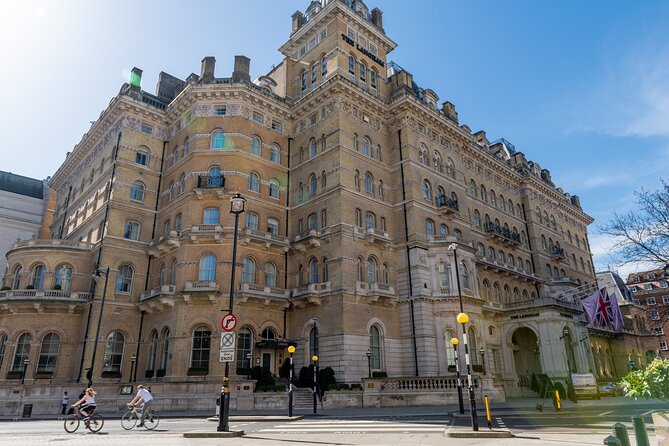
After BBC Broadcasting House, you head to The Langham, London. This is another clue stop where you can stop for as long as you like, then continue exploring at your own pace. The point here is not speed. It is texture. The Langham area gives you a classic London feel, and it helps the story shift from media-world energy into something more old-school and theatrical.
Next up is Queen Anne Street. Then comes Harley Street, famously tied to medicine and doctors. That theme continues later, so consider these stops the “setup” phase. You are building context for what the puzzle writer is likely using as visual or textual cues.





Why these stops work for a game
These streets are full of signage, architecture, and recognizable addresses. App-based games love locations where there are obvious details to notice. If you like looking at street names, doorways, façades, and the little patterns on older buildings, you will feel more engaged here than you would in a purely modern business district.
Smile Time Dental Lab and Upper Wimpole Street: Holmes meets modern medicine
At Smile Time Dental Lab, you get another clue. Then you move to Upper Wimpole Street for the next one.
This is a fun section for two reasons. First, it keeps the mystery moving without requiring long hops. Second, it turns a real London zone into part of the storyline. Whether you are a Holmes superfan or just like a good puzzle, the medical street theme creates a clear “why are we here?” logic.
One thing to watch: puzzle games that rely on visual reading can be sensitive to angles. If you stand too far from the right spot, the clue can feel vague. If that happens, take a moment, change your viewpoint, and look for the exact detail the app is pointing you toward.
University College Hospital (Westmoreland Street), then New Cavendish Street
Your next major clue stop is University College Hospital at Westmoreland Street, listed as The Heart Hospital. After that, there is another clue stop on New Cavendish Street before you continue onward.
The Heart Hospital stop feels like a natural escalation. The medical theme is no longer just street flavor, it turns into a real institutional anchor. That gives the story a more grounded, real-world edge.
If puzzles get frustrating here, it helps to reset
This is where patience pays off. The “detective work” style puzzles can sometimes feel like they are asking for a very specific answer. If you hit a wall, step away for 30 seconds, re-read the clue wording carefully, and check whether you are solving for a name, a location, or a pattern.
Chiltern Street, Sherlock Mews, and the Holmes Statue: where the story starts to feel local
After the New Cavendish Street clue, you continue to Chiltern Street. Then you reach Sherlock Mews. The mews concept is a great choice for a puzzle walk. These narrow lanes feel like the kind of London space where odd things could happen, which is exactly what a mystery needs.
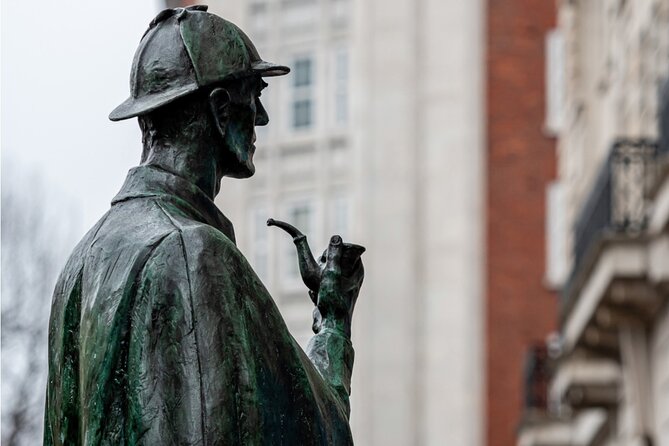
Then you hit Sherlock Holmes Statue, another clue stop.
At this stage, the walk is doing its job: it is guiding you from “London you know” into “London that feels like a film set.” If you are the type who enjoys side streets and back corners, Sherlock Mews is likely to be one of your favorite moments.
Baker Street tube station: a useful waypoint
Next you solve a clue at Baker Street tube station. This is practical in two ways. First, it keeps the route anchored to a familiar location. Second, it gives you a natural point to check time, water, and the phone battery.
By now, the game rhythm is clear:
1) Arrive at a clue stop
2) Read the prompt
3) Solve
4) Follow directions to the next stop
Because you can stop as long as you like at each location, you do not feel rushed. The walking time becomes more about your choices than about a strict schedule.
Finishing at 221B Baker Street: Sherlock Holmes Museum callout
The final stop is the Sherlock Holmes Museum at 221B Baker St. The story and the city exploration games end here. The good news is that this is where the Holmes payoff happens.
The museum entry is not included, so you choose what you want. If you like museums, you can treat it as a nice add-on after the game. If you prefer just the walk and the puzzle fun, you can still enjoy the area without paying for entry.
How to make the finish feel worth it
If you plan to go inside, try to save a little energy. Walking games make you read closely. Museum time works best right after, when your brain is still in “clue mode,” and you can connect what you just saw and solved with what you learn in the exhibit.
Puzzle difficulty: fun logic, occasional weirdness
This experience has an overall rating of 4.1 from 12 reviews, and most feedback is positive about the concept and the route. The most repeated downside is the puzzle clarity. Some questions can feel confusing or harder than expected, and you might need to use help or re-check the wording.
There is also an example of a clue detail being inaccurate or obstructed at one point, which made a clue harder to interpret. The response from the provider indicates they’ve worked to fix issues like that. Still, treat this as a real puzzle hunt: sometimes you will need to think longer than you want, and sometimes the answer might feel more “game logic” than “street logic.”
My advice to avoid frustration
- Read the clue twice before you start guessing.
- Look at the clue from different angles if it mentions a building feature.
- If you get stuck, move a few steps and re-check the exact location.
- Keep your expectations flexible. This is not a guided talk, it is a game.
What this is best for (and what it is not)
I think this is ideal for people who want:
- a budget-friendly London activity
- a self-paced walk
- puzzle fans who like Holmes-style wordplay and observation
- a route that includes big names like Baker Street plus less obvious streets like Sherlock Mews
It is not ideal if you want:
- a traditional guide who answers questions and explains everything
- a guaranteed smooth experience with zero puzzle friction
- a strictly timed tour where you need a tight schedule
Because it is a private tour/activity for your group, it can feel easier than crowded guided options. You are not fighting to hear instructions, but you are also responsible for using the app and solving the clues together.
Quick answer on the logistics that matter most
You are using English, and you get a mobile access code. It runs without adding formal tour-guide narration, so the app is the “voice” of the experience. Most people can participate, and it is near public transportation, which helps you start and end without stress.
In a short London trip, it’s also a nice “in-between” activity. It fits when you want something structured but not heavy. You get the Holmes story framework without committing a whole day.
Should you book London Sherlock Holmes: Crack the Case?
Book it if you want a low-cost London experience that makes you look closely at real streets. The price to puzzle count ratio is strong, and the route hits major Holmes territory while still feeling like local London. The flexibility to pause and resume is genuinely useful, especially if you’re mixing this with other sights.
Skip it if you hate puzzle hunts or you need a guide’s explanations. If you want certainty and smooth step-by-step clarity, a walking game can feel annoying when a clue is vague.
If you do book, go in with the right mindset: this is a detective walk where you solve your way forward. Keep your phone charged, expect a bit of head-scratching, and you’ll likely enjoy the best part of London, the part where the city rewards your attention.
FAQ
How long does the London Sherlock Holmes: Crack the Case Walking Adventure take?
The experience is listed as about 50 minutes to 1 hour 20 minutes.
What does it cost?
It’s priced at $7.20 per person.
Where do I start and where do I finish?
You start at BBC Broadcasting House, Portland Pl, London W1A 1AA. You finish at The Sherlock Holmes Museum, 221B Baker St, London NW1 6XE.
Is there a tour guide?
No. It is app-led, and you play the storyline and puzzles yourself.
Do I need tickets for the attractions along the route?
Entry tickets are not needed to complete the tour at the stops. The Sherlock Holmes Museum entry is not included.
Can I pause and resume during the game?
Yes. The experience is flexible and lets you pause and resume anytime.
More Walking Tours in London



More Tour Reviews in London

Not for you? Here's more nearby things to do in London we have reviewed










More London City Tours worth a look.
 ★ 4.6The London Eye Entry TicketTickets from $3935,875 guest reviews
 ★ 4.7From London: Harry Potter Warner Bros Studio TourTickets from $11726,588 guest reviews
Westminster to Greenwich River Thames CruiseTickets from $2222,836 guest reviews
Magical London: Harry Potter Guided Walking TourTickets from $2022,044 guest reviews
★ 4.7From London: Harry Potter Warner Bros Studio TourTickets from $11726,588 guest reviews
Westminster to Greenwich River Thames CruiseTickets from $2222,836 guest reviews
Magical London: Harry Potter Guided Walking TourTickets from $2022,044 guest reviews
 ★ 4.6Madame Tussauds LondonTickets from $3620,915 guest reviews
 ★ 4.5Stonehenge, Windsor Castle, and Bath from LondonTickets from $11118,662 guest reviews
 ★ 4.7Warner Bros. Studio Tour with TransfersTickets from $14417,586 guest reviews
 ★ 4.7Tower Bridge Entry TicketTickets from $2115,560 guest reviews