
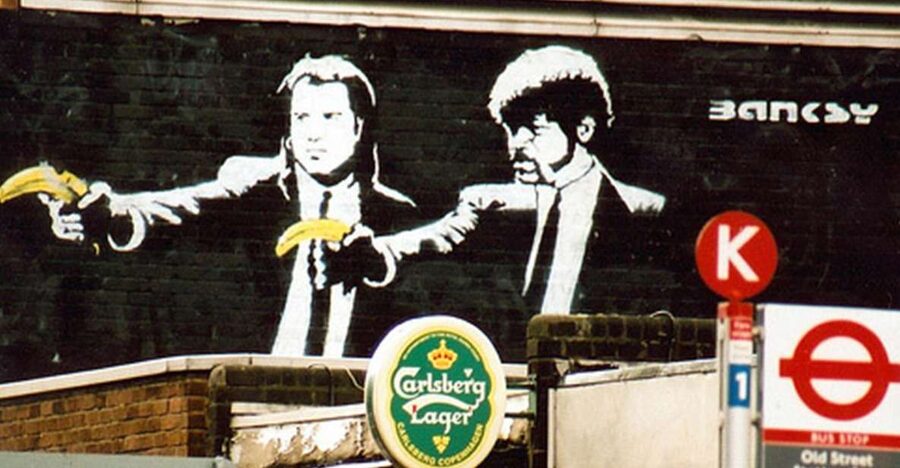
REVIEW · LONDON CITY TOURS
London East End – Guided Walking Tour 12 guests 2,5h
Street art turns the East End into an open-air gallery. This guided walk stitches together Spitalfields Market flavor, street art icons, and sharp context about how art and politics collide.
I like that the tour is built around real places you can go back to later, not just quick photo moments. I also love the way the guide explains the meaning behind the walls, including how political graffiti connects to what was happening nearby.
One possible drawback: this tour is not suitable for wheelchair users, so it is best if you’re comfortable with an outdoor walking pace.
Key Highlights I’d Plan Around
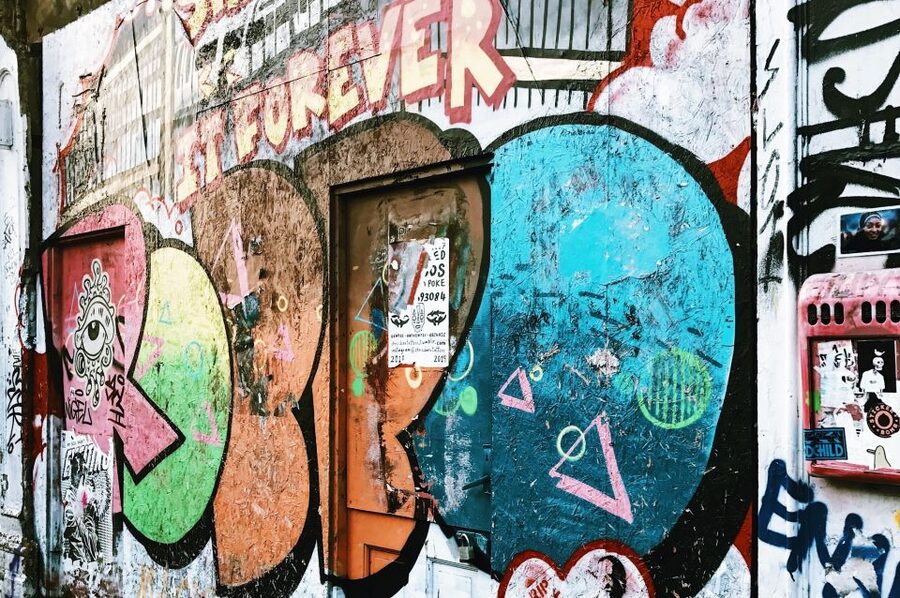
- Street art stops with real context: you’ll connect styles and symbols to the bigger story happening in London’s East End.
- Spitalfields Market time on the route: a practical break to see the market atmosphere up close.
- Photo stops where you can linger later: the route is designed so you know exactly where to return on your own.
- Banksy and Shepard Fairey in the conversation: you’ll hear what makes these artists work land in this part of town.
- Stories tied to Lewis Chessmen and Oxus Treasure: art history themes show up alongside the street art.
Why the London East End Still Feels Like London
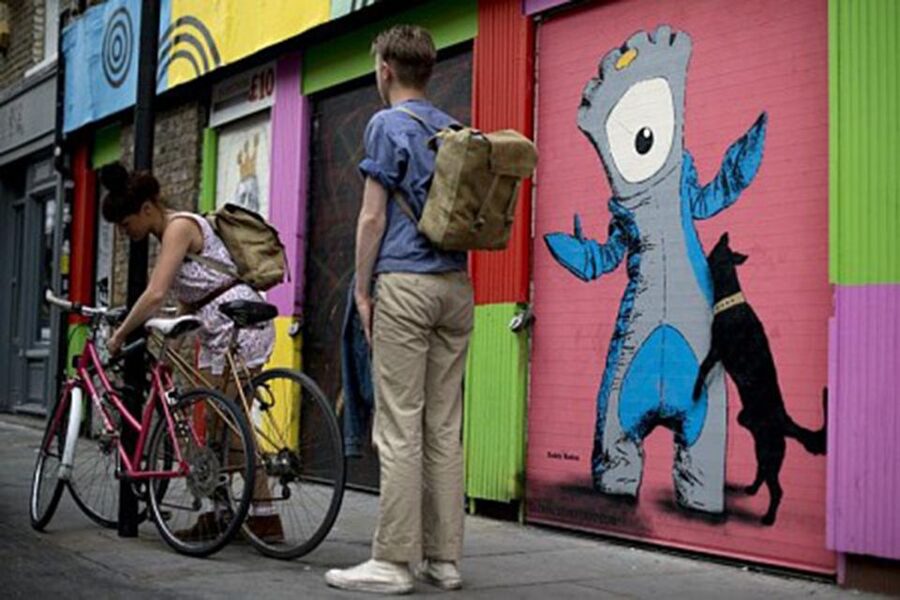
The East End has a particular talent for contradictions. You can be one minute in street art territory, the next in market lanes, and then suddenly talking about older artifacts and what people wanted to say through art.
What I like about this tour’s approach is that it treats street art as more than decoration. It’s a way to read the neighborhood, understand the voices in it, and spot why certain images show up on these specific streets.
The guide also sets the tone with curiosity. In past versions of this tour, guides such as Jake or Becky have emphasized interpretation, not just facts, and that is where the walk becomes more fun and more memorable. If you like asking questions, you’ll likely feel encouraged to do it here.
You can also read our reviews of more walking tours in London


Meeting at Liverpool Street, Then Getting Oriented Fast
You start by the Kindertransport statue at the entrance of Liverpool Station, outside. It’s an easy anchor point, and it helps you get your bearings fast before the walk turns into a maze of lanes and alleys.
From the start, the pacing is designed for a walking tour that stays friendly. The format is built around short stretches, photo stops, and guided explanations, and it moves along at a speed that fits a 2.5-hour window.
Also, bring photo ID (passport or ID card). It’s required, and it’s one less thing to worry about once you’re standing there with the group.
Petticoat Lane Market: Color, Noise, and Quick Visual Payoff
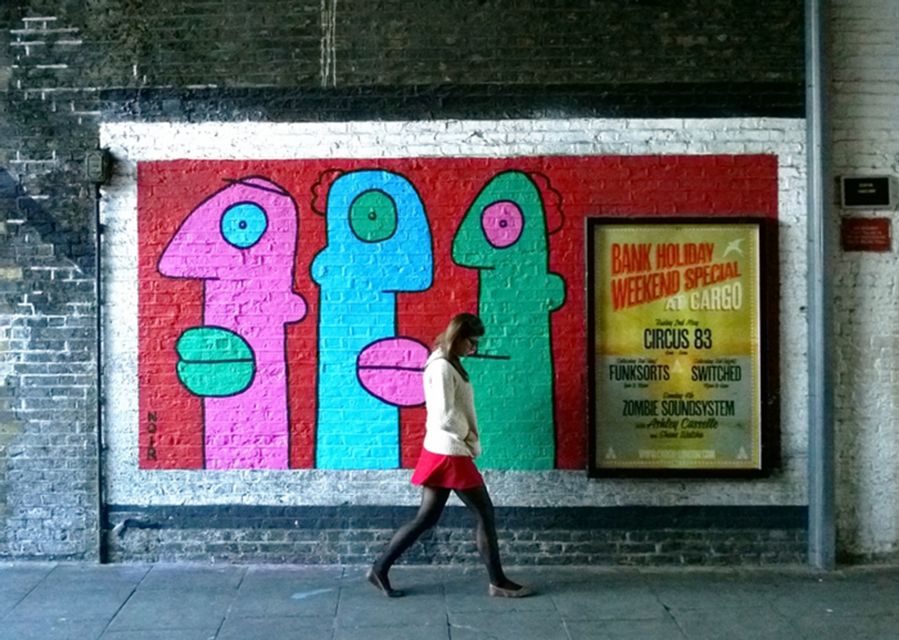
The route begins with Petticoat Lane Market, including a photo stop and a short guided look around. Even if you’re not shopping, this stop does two useful things.
First, it gives you immediate East End energy, so you understand what kind of street culture you’re about to learn about. Second, it helps the guide shift your thinking from art as a gallery item to art as street-level communication.
If you’re the type who likes to photograph your first moments in a neighborhood, this is a strong start. The short photo stop also means you don’t lose momentum waiting for everyone.
Practical note: this is outside time, so if weather is iffy, plan on layers.
Artillery Passage: Where Street Art Gets Personal
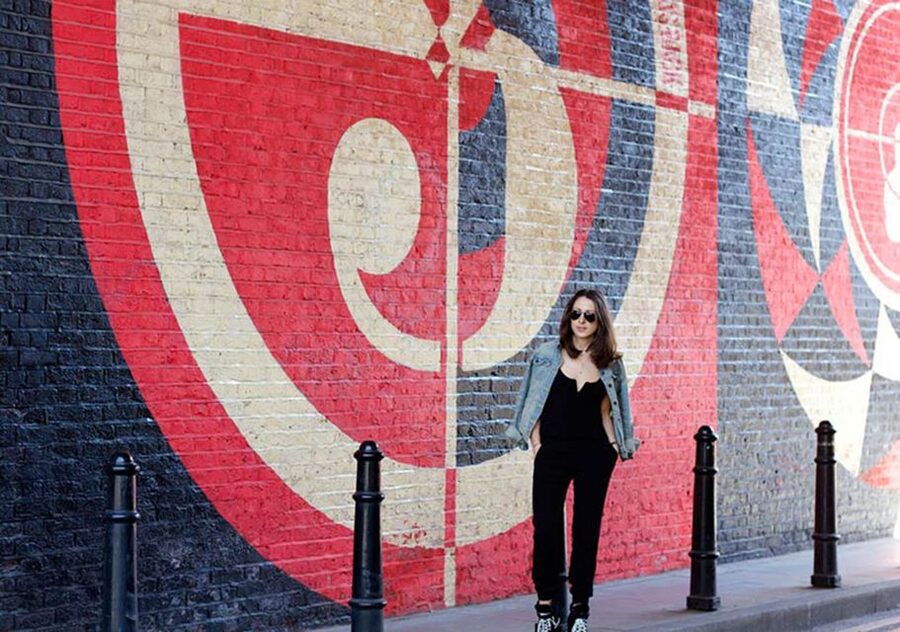
Next up is Artillery Passage, another photo stop with guided touring and sightseeing. This is the kind of place where street art can feel intimate, because narrow passages make the walls feel close and the images feel louder.
This stop matters because it trains your eye. Instead of only pointing at famous names, the guide helps you see how style, message, and location work together. That’s also where you begin to understand the political side of graffiti, including how guides like Becky have linked political themes to the surrounding context.
If you want to learn to spot what matters in a mural, don’t rush past it. Even a minute of looking before the guide moves you along can change the way you see everything afterward.
Old Spitalfields Market: Market Lanes With Art-Story Momentum
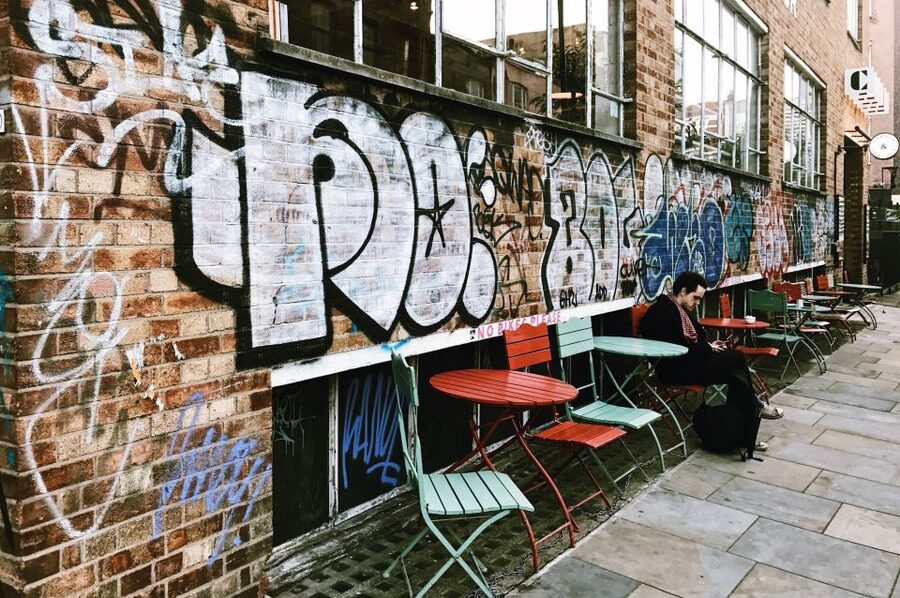
You then reach Old Spitalfields Market, with a longer stop for photo and guided touring (about 15 minutes). This is where the tour earns its “do more than look” reputation.
Markets add texture to the story because they show daily life, not just artwork staged for admiration. You’ll get a sense of how the neighborhood attracts creative crowds, how traders and visitors move through the area, and how street art fits into that ongoing flow.
I also like that this stop gives you a reference point. Once you see the market layout and vibe during the tour, you’re more likely to come back later for snacks, browsing, or just people-watching. The tour’s design supports that kind of follow-up.
You can also read our reviews of more guided tours in London



The Truman Brewery: Creative London in Institutional Form
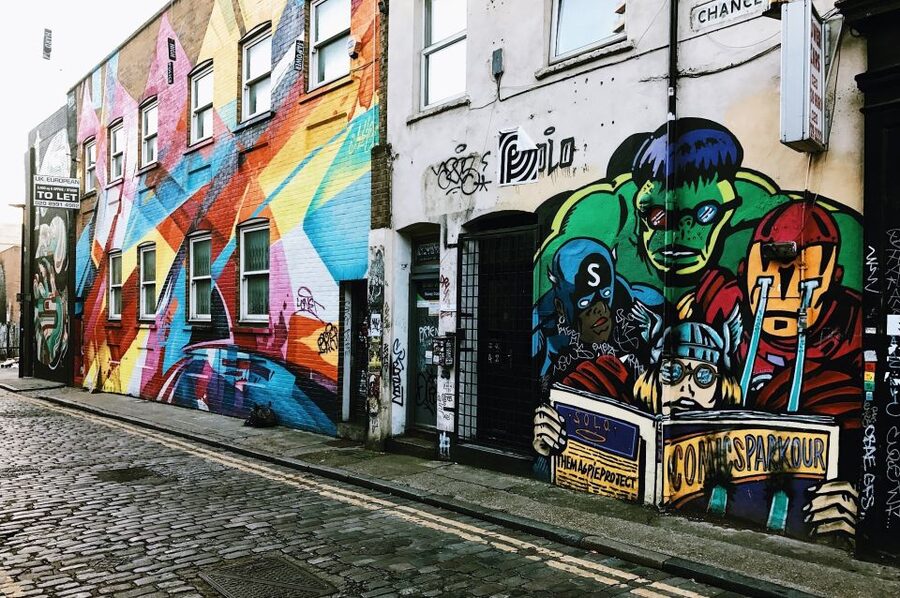
From Old Spitalfields Market, you head to The Truman Brewery for another guided photo stop and sightseeing (about 15 minutes). This is a practical pivot from “street walls” to “creative spaces,” and it helps explain why the East End became such a magnet for artists.
Even without entering specific sites, the guided focus gives you context for what you’re seeing from outside. It’s also a good spot to pause, look around, and think about how neighborhoods like this blend commerce, culture, and self-expression.
If you’re a fan of street art as a category that includes posters, murals, and installations, this stop helps connect the dots between street-level work and the larger creative ecosystem.
Whitechapel and Brick Lane: The East End’s Contradictions
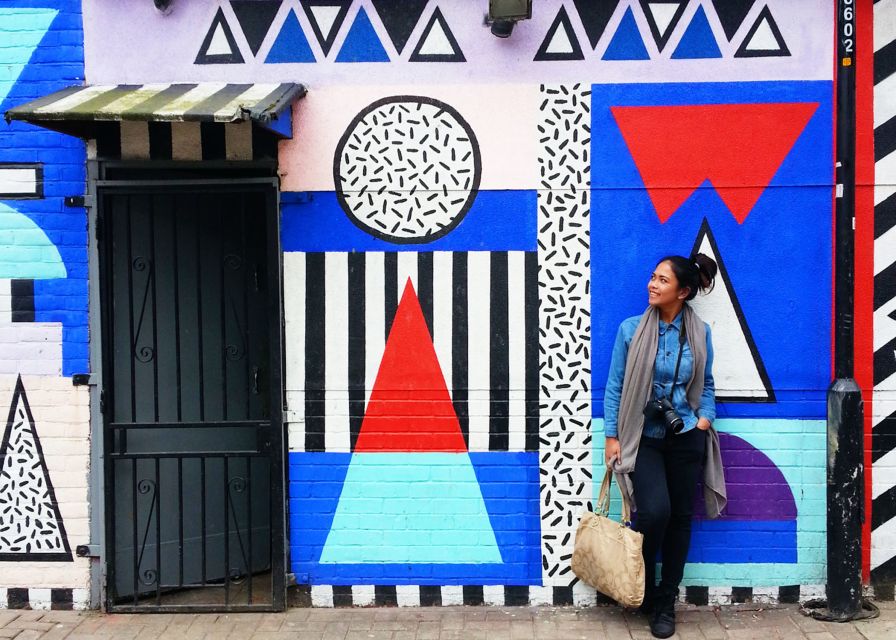
After the brewery, the tour moves to Whitechapel and then Brick Lane, each with guided sightseeing and a short photo stop. Whitechapel brings an edge, because it is historically known as the hunting ground associated with Jack the Ripper.
The key is that the tour uses that history as a lens, not a scare tactic. You still talk about the art side of the street, but you learn how narratives and memory shape what people notice, what they repeat, and what becomes iconic.
Then comes Brick Lane, where the art energy often feels more immediate. Brick Lane is also a place where you can sense the layered London story, old meets new, and where street art can feel like part of everyday conversation.
A practical tip: if you want a calm experience, pay attention to where you stop to photograph. These areas can be busy, and moving two steps can change your photos and your view of the walls.
High Street and Shoreditch Energy: Finishing With Momentum
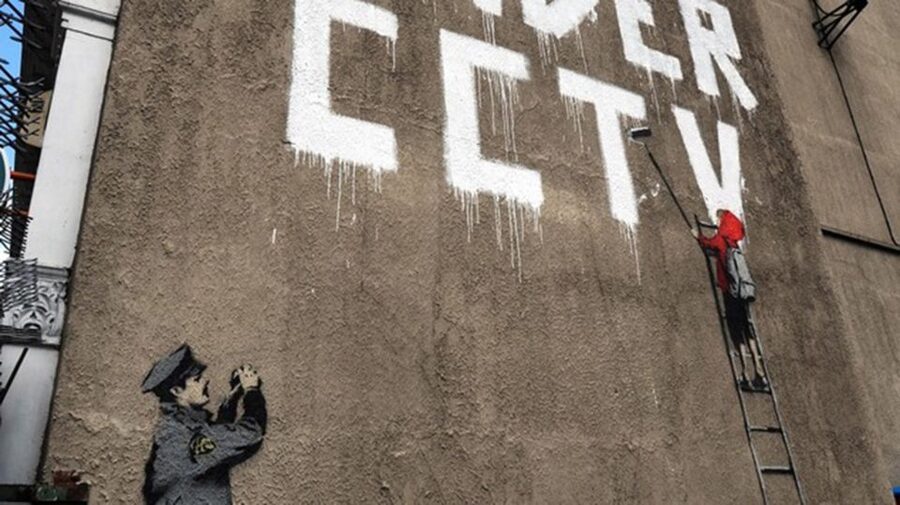
The route continues to High Street for another photo stop and guided tour. This is followed by the wider East End art vibe that ties into Shoreditch-adjacent streets, where modern street art is often part of the local identity.
By this point, you should feel like you’re not only seeing murals. You’re reading them. You’ll likely find yourself noticing symbols, lettering styles, and recurring themes that the guide has already trained your eye to catch.
This ending segment is a nice balance: it’s still part of the guided story, but it also sets you up to keep exploring on your own after the walk ends.
Lewis Chessmen and Oxus Treasure: Why Artifacts Belong in a Street Art Story
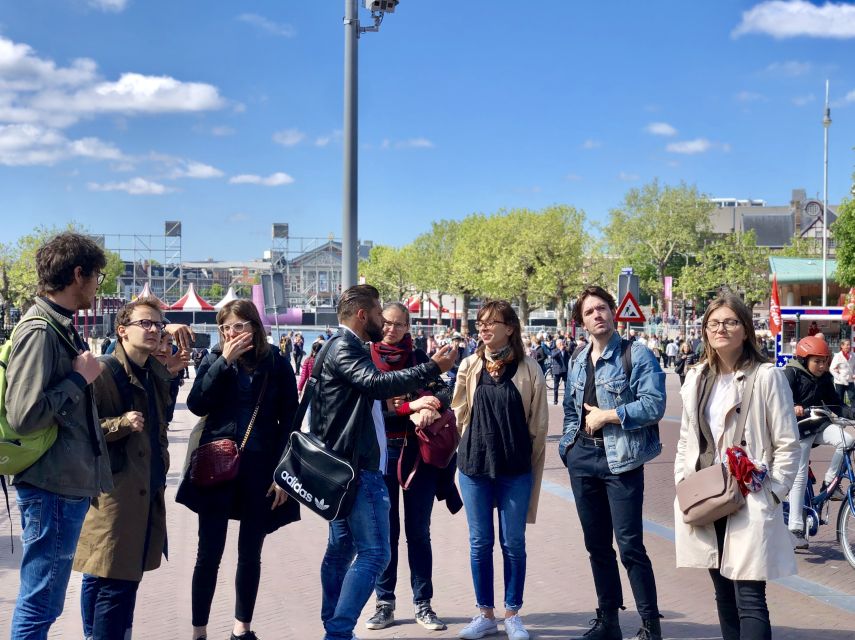
Two items show up in the tour highlights: the Lewis Chessmen and the Oxus Treasure. Even without a full museum-style stop, they add an important layer to the theme of art and meaning.
Think of it like this: street art can be quick and public, while major collections can be slow and curated, but the core question is the same. Why do artists and communities make images? What do they protect, argue, or mourn?
When these older art objects enter the conversation, they help you see street art as part of a long human habit of using images to communicate. That is why this tour feels more thoughtful than a simple street-art hunt.
The Guide Makes or Breaks It, and This One Leans Strong
The consistent praise across experiences like this is the guide’s energy and interpretive skill. Guides including Jake and Becky have been described as enthusiastic, friendly, and able to connect graffiti to political themes and local history.
What matters for you is not just that the guide knows names. It’s how they teach you to look. When the explanations make you ask follow-up questions, the tour stops being a checklist and becomes a real walk.
You also get useful direction beyond the tour itself. In the stronger versions of this experience, guides have pointed out places to return to, including markets and food areas in the area.
Value and Price: What $61 Buys in the East End
At about $61 per person for roughly 2.5 hours, this walk is priced like a focused guided experience rather than an all-day outing. That can be a good thing.
You are paying for two things: a human guide to interpret what you’re seeing, and a route that hits major street art zones plus market time like Spitalfields. If you already like street art but struggle with what you’re looking at, the guide can turn the same walls into a much richer experience.
Since food is not included, you’ll want to plan your budget for snacks or a later meal. The upside is flexibility. You can grab what looks good when the moment feels right, especially if you’re walking through Spitalfields.
If you’re hoping for a full museum day, this is not that. If you want a guided street-art education with places to return to, it is better aligned.
Group Size and Pace: Semi-Private Intimacy vs. More People
This tour can run as a private option or a semi-private option. The semi-private version is capped at 8 guests maximum, which usually means more chances to ask questions without feeling rushed.
At the same time, the overall format is described as accommodating up to 12 guests, so expect some group movement and shared stopping points.
The walking tour style also implies a comfort level with street-level motion. You’ll be outside, taking in scenes, and moving at a pace that works for the schedule rather than one that slows down for every photo.
What to Bring (And What to Leave Behind)
For this tour, bring passport or ID card. You’ll also want a plan for luggage. Luggage or large bags are not allowed, which keeps the group route easier and more manageable in tighter lanes.
Wear shoes that can handle city walking. This is not a sit-and-watch experience, and the enjoyment level improves when your feet are comfortable.
Also consider bringing water, especially on warm days. The tour does not include food or drink, so you’ll be relying on your own choices during or after the walk.
Should You Book This London East End Street Art Walking Tour?
Book it if you want street art with context, plus a market stop that helps you experience the neighborhood for more than two photos and a quick scroll. I’d especially recommend it if you enjoy interpretation, like how political graffiti and public art reflect what’s going on around it.
Skip it if mobility is a concern. This experience is not suitable for wheelchair users, and it stays in walking territory rather than switching to accessible indoor stops.
If your idea of a great London day is walking, spotting, asking questions, and then going back to the places you liked most, this is a solid value for a half-day slot.
FAQ
Where is the meeting point?
Meet by the Kindertransport statue at the entrance of Liverpool Station, outside.
How long is the tour?
The duration is about 2.5 hours (it is described as 2 to 2.5 hours).
What’s included in the price?
A professional local tour guide is included, and the tour is offered in private or semi-private options.
Is food or drink included?
No. Food and drink are not included.
What should I bring?
Bring a passport or ID card.
Are luggage or large bags allowed?
No. Luggage or large bags are not allowed.
Does the tour enter the sites you see?
No. The tour does not enter the sites visited.
Is the tour available daily?
Yes, it is available daily.
Is it wheelchair accessible?
No, it is not suitable for wheelchair users (wheelchair tours are only on request).
More Walking Tours in London



More Tours in London



More Tour Reviews in London


Not for you? Here's more nearby things to do in London we have reviewed








More London City Tours worth a look.
 ★ 4.6The London Eye Entry TicketTickets from $3935,875 guest reviews
 ★ 4.7From London: Harry Potter Warner Bros Studio TourTickets from $11726,588 guest reviews
Westminster to Greenwich River Thames CruiseTickets from $2222,836 guest reviews
Magical London: Harry Potter Guided Walking TourTickets from $2022,044 guest reviews
★ 4.7From London: Harry Potter Warner Bros Studio TourTickets from $11726,588 guest reviews
Westminster to Greenwich River Thames CruiseTickets from $2222,836 guest reviews
Magical London: Harry Potter Guided Walking TourTickets from $2022,044 guest reviews
 ★ 4.6Madame Tussauds LondonTickets from $3620,915 guest reviews
 ★ 4.5Stonehenge, Windsor Castle, and Bath from LondonTickets from $11118,662 guest reviews
 ★ 4.7Warner Bros. Studio Tour with TransfersTickets from $14417,586 guest reviews
 ★ 4.7Tower Bridge Entry TicketTickets from $2115,560 guest reviews