REVIEW · LONDON
Handel Hendrix House General Admission
Two centuries of music in one London house.
The Handel Hendrix House puts George Frideric Handel and Jimi Hendrix under the same roof, just 200 years apart, at Brook Street in central London. You get a general admission ticket and can explore at your own pace, moving from baroque music rooms to a recreated 1960s flat.
I love that the visit is built around real places and physical details, like the 250-year-old staircase in Handel’s home. I also really like the way the Hendrix side feels period-specific, including items tied to Hendrix’s gear and how he used effects.
One thing to consider is the self-paced setup. If you want heavy storytelling with a live guide throughout, you may want to budget extra time to read signs, because you are doing a lot of the connecting yourself.
Key things I think you should notice
- Handel’s Brook Street home, 1723 to 1759: expect restored rooms where he composed, rehearsed, and connected with musical figures of his era.
- The wonky staircase is part of the experience: it is called out for a reason, and it shapes how the house feels.
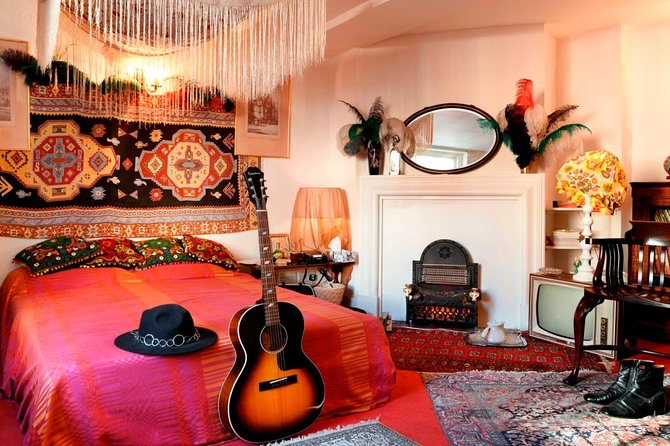
- Hendrix’s flat is on the third floor: you get a recreated view of how he lived and played in late 1960s London.
- Period care, including Kathy Etchingham’s role: her consultation helps make Hendrix’s room feel specific to the story.
- Sometimes music happens while you are inside: harpsichords and occasional warm-ups can add a real-life soundtrack.
- You get both sides with one ticket: this is a good value if you like either performer, and even better if you like both.
Handel and Hendrix on Brook Street: why this museum feels like two eras
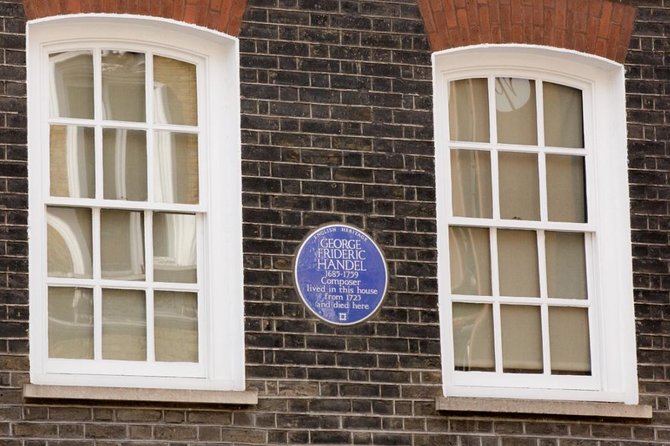
This is one of those London stops where the setting does the work for you. Handel and Hendrix lived on Brook Street in adjacent properties, and the museum uses that fact to make time feel close. One moment you are in a baroque home associated with Handel’s composing life. The next moment you are in a recreated space tied to Hendrix’s early call-it-home years.
What makes the experience especially interesting is how the museum is split by floor and by mood. Handel’s side leans on rooms where music was made, while the Hendrix side leans on the feeling of swinging 1960s London. Even if you are stronger on one artist, you still get a clear “then and now” contrast without needing a lecture.
You should plan around the opening window, because you are picking your entry time inside the hours. The museum runs Wednesday through Sunday, 10:00 AM to 5:00 PM, with the last admission at 4:00 PM. In a city that loves queues, that last entry matters more than people think.
You can also read our reviews of more tours and experiences in London.
Handel House on the 1723-1759 floors: stairs, rooms, and Messiah
Your visit starts with Handel’s home at 25 Brook Street, where he lived from 1723 to 1759. The first big moment is climbing the 250-year-old staircase. It is described as wonky, and that is part of the point. Walking it is like getting a physical reminder that you are inside a real, old London structure, not a theme park.
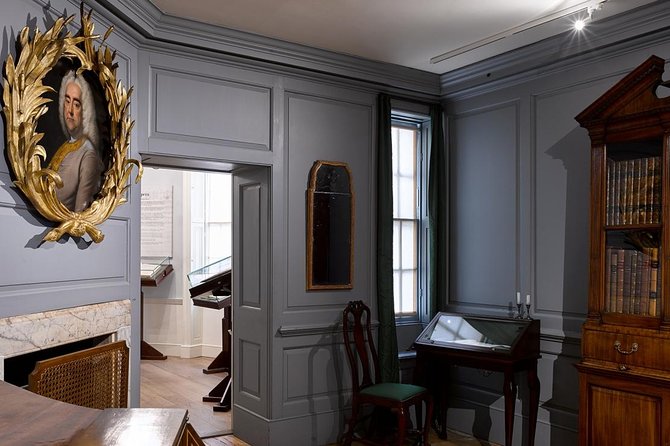
Then you land in restored music rooms tied to Handel’s everyday routine. You will see spaces connected to composing, rehearsing, and conversations with major musical figures of the baroque age. The museum also calls out that Handel wrote Messiah here, which gives you a stronger reason to slow down rather than just skim.
One detail I really like is the story attached to the windows. The museum describes windows from which Handel threatened to throw opera stars when they refused to sing his arias. It is theatrical, yes, but it also hints at Handel’s temperament, the push and pull of performance, and the high stakes behind the music.
You can expect to move room to room at your own pace, including spaces like the dressing room and bedroom where he died. The museum also rotates in temporary additional exhibitions related to his life, work, and contemporaries, so what you see can vary.
Practical tip: give yourself enough time on the Handel floor. If you rush, you miss the quiet things, like how the rooms are laid out to make music feel present even when there is no performance happening.
The Hendrix flat on the third floor: 1960s London in recreated form
Next you head to the third floor, where the museum is home to the next-door flat where Jimi Hendrix lived from 1968 to 1969. The museum frames the flat in the context of swinging late-60s London, and it explains that Hendrix described it as the first place he truly called home.
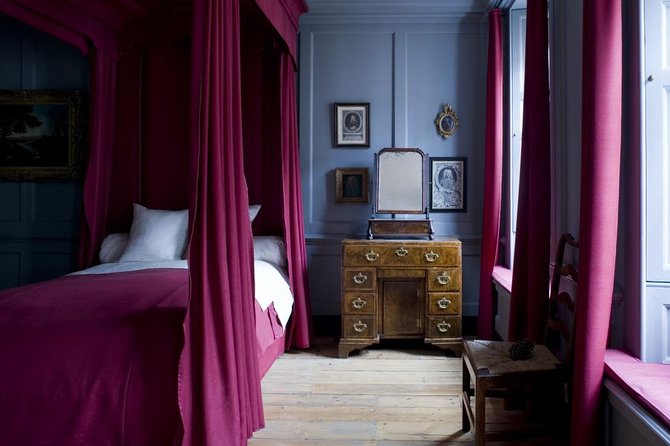
The main room is recreated to reflect how Hendrix had it. That matters because the goal here is not just to say he lived somewhere, it is to show how the space supported his life and playing. You learn about his living setup and you get other intriguing context to connect the room to the man.
A standout part of the Hendrix presentation is the focus on gear and effects, not just aesthetics. The museum includes displays of an Epiphone acoustic guitar and Roger Mayer’s Octavia, with explanations of how Hendrix used effects and why. If you care about the sound, these details give you something concrete to look for rather than leaving you with general admiration.
The Hendrix side also benefits from careful input. The museum credits Kathy Etchingham as a consultant on parts of Hendrix’s room, including making the recreated spaces feel right for the story. That kind of involvement is one reason the Hendrix floor feels more than a snapshot.
You will see the flat in a way that pairs nicely with the Handel side. Handel shows you music as craft and composition in a home setting. Hendrix shows you music as experimentation and performance energy in a home setting. Same idea, very different tools.
What to do with your 1 to 2 hours: a smart self-guided route
This is general admission, and the pacing is on you. The museum sets an approximate visit length of 1 to 2 hours, and that is a good target if you want a relaxed experience rather than a sprint. You can absolutely do it faster, but you will likely skip the small explanations and room details that give the place its personality.
Here is a route that works well in practice:
First, start with the Handel side and take the staircase slowly. Read the key markers as you go, then focus on the rooms that connect most directly to Messiah and Handel’s final years. If you only have one pass, linger in the areas tied to composing and rehearsal, since that is where the museum’s “how music worked here” idea comes through most.
Second, move to the third floor and treat it like a time machine. Scan the Hendrix-room explanation, then focus on the main room recreation before you move to the items and gear displays. The Octavia and Epiphone sections work best when you look at them after you have oriented yourself to the room.
Finally, check whether there is a temporary exhibition running. The museum includes additional exhibition space tied to Handel’s life and contemporaries. Those can add a lot without taking extra time if you keep your pace steady.
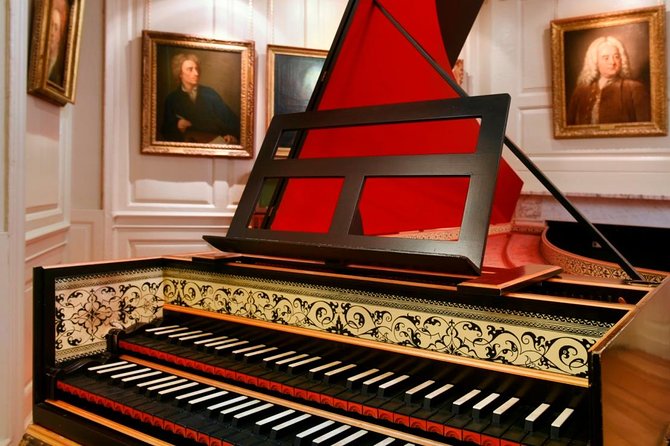
If you want a little extra atmosphere, keep an eye on timing. The museum notes that musicians often play harpsichords in the house, and there can be moments when you hear practice or warm-ups. Even if it is not happening during your visit, the house is set up to make small sounds feel close.
Price, ticket type, and value for $19.98 general admission
At $19.98 per person, this is not trying to be a bargain, but it also does not feel overpriced for what you get. You are paying for access to two major parts of a single story, Handel and Hendrix, in one visit. You also get the convenience of a mobile ticket and a visit style that does not require a set group schedule once you arrive.
I think the value depends on what you are trying to do with your time in London. If you are a Hendrix fan only, you still get strong value because the Hendrix floor includes gear and explanations like the Octavia effects story, not just a general bio. If you are a Handel fan only, you get the baroque home setting and the details about Messiah and Handel’s working life. If you are a music fan in general, the contrast is the big win. One ticket becomes two different music worlds.
Also, general admission works well if you like control. You enter during opening hours at your preferred time and explore at your own pace. That means you can slow down where you feel like it and skip the parts that do not hold you.
One consideration: because this is not a guided talk included in the ticket, you should be comfortable reading interpretive text. If you prefer a host walking you through the story, you might want to pair this with another guided option on the same day.






Music at the museum: when harpsichords and voices fill the rooms

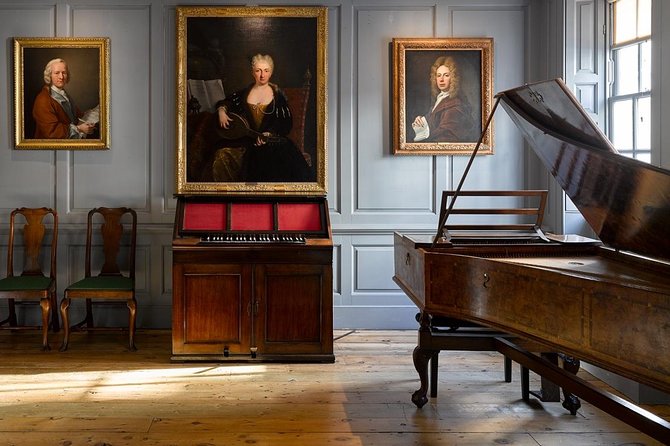
The museum is designed so music feels like part of the architecture. The Handel side has an extra layer because the museum notes that musicians often play harpsichords to add atmosphere. That is a smart choice, because harpsichord sound matches the rooms better than a playlist ever could.
What I also like is the way live sound can pop up during your visit. On some days, musicians may be practicing for a concert later that evening, and you might even catch a singer warming up. You cannot count on that every time, but when it happens, it changes the whole feel of the rooms.
If you hear something, resist the urge to rush. Walk slowly and let the sound land in the space. That is when the museum’s two-era idea clicks most. You hear how music and performance belong in homes, not just on stages.
Even without live music, the museum’s presentation helps you imagine what these rooms were built for: rehearsal, composition, performance talk, and the human noise that comes with musicians working together. It is an easy place to “feel” rather than just learn.
Who should buy this ticket, and who might want a different style
This ticket fits best when you like music and you enjoy comparing eras. If you love names like Handel and Hendrix, the format is ideal because you get direct access to the spaces tied to them. It is also a good choice if you travel with someone who is strong on one artist and you are strong on the other, since each side has enough detail to keep both of you engaged.
It is also a good pick if you want an easy visit length. One to two hours is realistic for a focused self-guided museum stop. You are not committing to a half-day, and you can still pair it with other London plans.
If you are the kind of visitor who wants a constant, spoken narrative from start to finish, you may find the self-paced style less satisfying. The text and room cues carry the storytelling, so you will do more of the connecting yourself. In that case, you might still enjoy it, but plan extra time to read.
One last note that matters for comfort: the museum includes climbing the historic staircase and moving between floors. Comfortable shoes help, because you are dealing with a real building layout, not a flat corridor world.
Should you book the Handel Hendrix House General Admission ticket?
I think you should book if you want a compact, music-focused London experience that makes the story tangible. Two centuries of musical life on Brook Street, plus a mix of recreated rooms, interpretive details, and moments where live practice can happen, makes this a strong ticket for both fans and casual music lovers.
Book this sooner rather than later if you can. This kind of London museum tends to fill up, and having your entry time helps you avoid end-of-day stress.
If you want fast facts only, you might feel constrained by the self-guided pace. But if you like to wander room to room, take in atmosphere, and enjoy both baroque and rock in the same sitting, this is an excellent use of your time.
FAQ
What is included with the Handel Hendrix House general admission ticket?
Your ticket gives you admission to the Handel and Hendrix Museum in London. You can explore the Handel House area and then visit the next-door Jimi Hendrix flat at your own pace.
How long should I plan to spend at the museum?
Plan for about 1 to 2 hours. That is usually enough time to see both the Handel rooms and the Hendrix flat without rushing.
What are the opening hours and the last time I can enter?
The museum is open Wednesday to Sunday, 10:00 AM to 5:00 PM. The last admission is at 4:00 PM, so you will want to arrive with enough time to still enjoy both floors.
Is the tour offered in English?
Yes. The experience is offered in English.
Do I need a printed ticket or can I use my phone?
A mobile ticket is provided, so you can keep everything on your device.
Can I visit at a time that suits me?
Yes. You make your own way to Brook Street and then enter during the opening hours at your preferred time.
Are service animals allowed?
Yes. Service animals are allowed.
Can I cancel and get a refund?
Yes. There is free cancellation. You can cancel up to 24 hours in advance for a full refund.
Are children allowed?
Children are allowed, but they must be accompanied by an adult.