
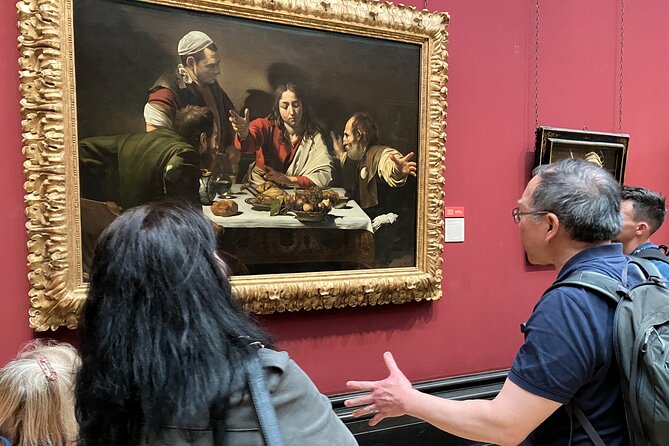
REVIEW · LONDON CITY TOURS
Explore Bible Art at the National Gallery of London
Bible stories, but told through paint. What makes this National Gallery experience interesting is the way it pairs Christian theological discussion with art you can actually identify, from scenes of Jesus to stories of the Israelites. I especially like the emphasis on paintings that are clearly representational, so you spend less time guessing and more time following the meaning.
One drawback to keep in mind: paintings can rotate on and off display at the National Gallery, so you might not see every specific work you hoped for in the exact way you imagined. The good news is that the themes guide you through the museum either way, but the selection can shift within your 3 to 4 hour window.
Key Highlights to Know Before You Go
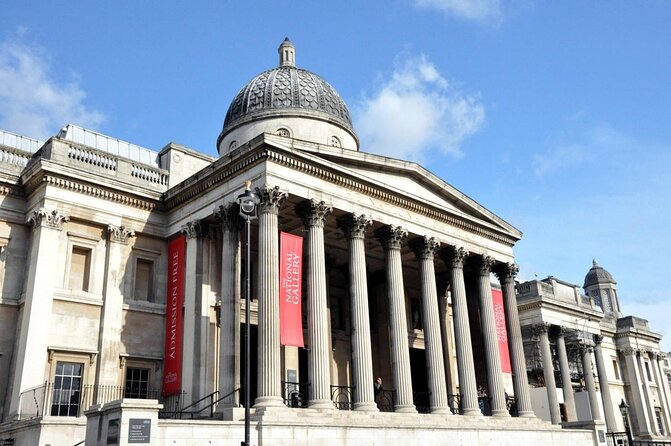
- Small group experience (max 10 travelers) for faster questions and more back-and-forth
- Bible study meets museum art with discussion built around what you see on the walls
- Clear identification of scenes so you know who is who, with minimal guessing
- Major artists on the route like Leonardo da Vinci, Rembrandt, and Caravaggio, plus more as time permits
- Folding stools available on request if you need a break without leaving the galleries
- Free National Gallery entry ticket you reserve separately, while the tour itself is guided
Bible Art at the National Gallery: What You Really Get
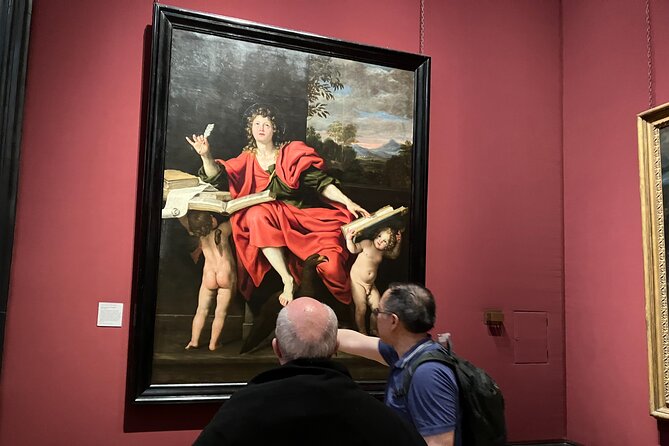
This isn’t a museum “look and leave” style outing. This is a guided walk where paintings become conversation. You’re not just staring at figures in robes, you’re connecting what the artist shows to the biblical themes those images come from, and then talking through the ideas that sit under the surface.
I love how the tour uses the art as a springboard, not a distraction. You get discussion tied to Christian theology, but it stays anchored in the actual paintings. That’s what makes the National Gallery feel less like a collection of distant masterpieces and more like a living text you can read with your eyes.
And it helps that the approach aims for clarity. Many works in a museum can feel like a guessing game if you do not already know the story. Here, the focus is on scenes that are clearly identifiable, so the figures and actions are easier to place. You end up spending your time on meaning, not on decoding.
You can also read our reviews of more museum experiences in London



Your Start Point at Trafalgar Square (and Why It Matters)
You begin at the Statue of George Washington at 44 Trafalgar Sq, London WC2N 5DN. That location is convenient for getting your bearings fast, and it keeps the start simple. The tour also ends back at the same meeting point, so you’re not left figuring out how to “finish the day” on your own.
The start time is 1:00 pm, and the visit runs about 3 to 4 hours. This timing is good if you like a structured afternoon. You’ll have time to get into the National Gallery, cover a strong stretch of themes, and still keep the rest of your evening open.
Because the group is capped at 10 travelers, you’re more likely to keep up with the guide’s pacing. Bigger group museum tours can feel like you’re getting swept along. Here, the small size makes it more interactive, and that usually means you get better answers to your questions.
Inside the National Gallery: How the Route Feels
Once you’re in, you’ll wind through the galleries in a way that makes sense narratively. The tour focuses on familiar scenes from the life of Jesus: birth, miracles, death, and resurrection. Alongside that, it also moves through major Old Testament threads, including depictions of Israelites from Joseph to Moses to David.
This structure matters because it gives the museum a storyline. Instead of randomly hopping between rooms, you’re following a map made out of themes. That’s what helps the National Gallery work for first-time visitors and for people who already know biblical stories. If you know the characters, you start recognizing patterns. If you don’t, you get a guided path to follow.
You also spend time with legends attributed to biblical people, plus depictions connected to apocryphal writings. These are stories that appear in some Bibles but are left out of others. The practical win here is that you learn why certain images exist in Christian art even if you were not taught that exact text in your own tradition.
Apocrypha and Representational Art: A Key Skill You’ll Take Home
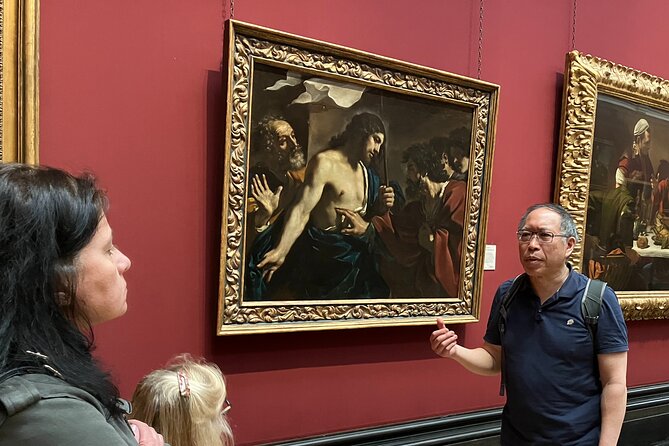
A big part of the tour’s value is that it treats art like evidence. Many famous images look familiar, but you might not know which story they come from. Here, the guide leans into representational art, meaning the subject is presented clearly enough that you can identify who and what you’re looking at.
That sounds basic, but it changes how you see everything else in the museum. When you understand what’s depicted, you can then notice how different artists interpreted the same idea. You start picking up signals, like what the painter chose to emphasize, and how the mood of a scene fits the theological point being discussed.
The tour also frames apocryphal material in a helpful way. You’re not forced to memorize definitions. Instead, you learn how these extra-biblical stories show up visually, and how they can differ depending on which Bible tradition people grew up with. That context makes museum art feel less like confusing symbolism and more like cultural storytelling.
Big Masters You Might See, and What They Bring to the Bible Stories
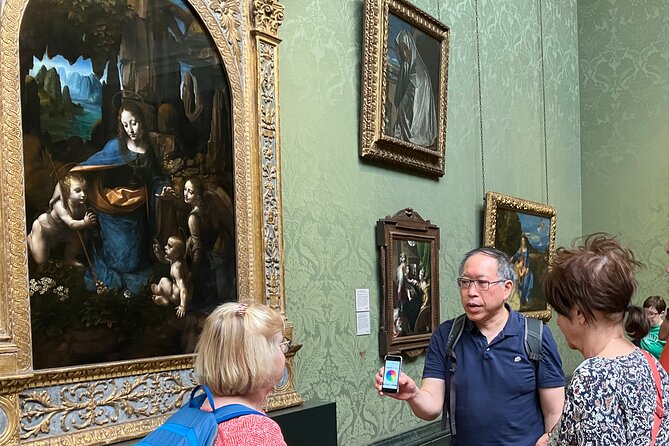
One of the most exciting parts is the chance to encounter works by major European artists. The tour specifically highlights seeing art by Leonardo da Vinci, Rembrandt, and Caravaggio, along with other well-known painters as time permits.
Here’s why that matters: artists from different periods painted biblical scenes with different artistic goals. Some emphasized realism and human emotion. Others focused on light, drama, or classical composition. When the guide ties those choices back to the story, you get more than names and dates. You get a clearer sense of how theology and art style interact.
The tour can also include works by familiar artists such as Van Gogh, Monet, and Michelangelo, depending on what’s on view and how the group is doing. If you’re the type who also wants to enjoy the National Gallery as a “great art” stop, this mix is a smart bonus. It keeps the experience from becoming purely devotional, while still staying firmly anchored in the Bible themes.
Just know the museum is dynamic. Paintings can move around and be taken off display on a regular basis. So think of the tour as theme-driven, not masterpiece-guaranteed.




The Theological Discussion Style: Practical, Interactive, Scriptural
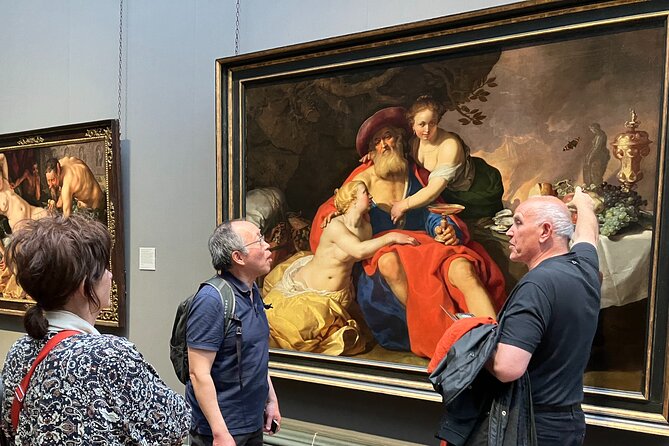
The point of this experience is not just art appreciation. It’s using the art to talk through biblical and Christian theological ideas. You’ll discuss what you’re seeing and connect it to Scripture, with a guide who actively ties the conversation back to biblical references.
The best part of that approach is how it turns passive viewing into active learning. When you hear the story behind a painting and then talk it through, your brain starts doing the work for you. You make connections faster, and you remember more because you actively processed it.
This kind of discussion also encourages questions. The group size helps here, because you’re less likely to get lost in the shuffle. If you’re curious about how art traditions influenced religious understanding, this format gives you room to ask and to compare interpretations.
Also, the guide brings energy. In the experience’s own crowd, the tone is attentive, professional, and funny in a light way. That matters because faith-based discussions can sometimes feel heavy. Here, the atmosphere stays engaging, so you leave with new insights instead of information overload.
What Makes the 3 to 4 Hours Work (and How to Manage It)
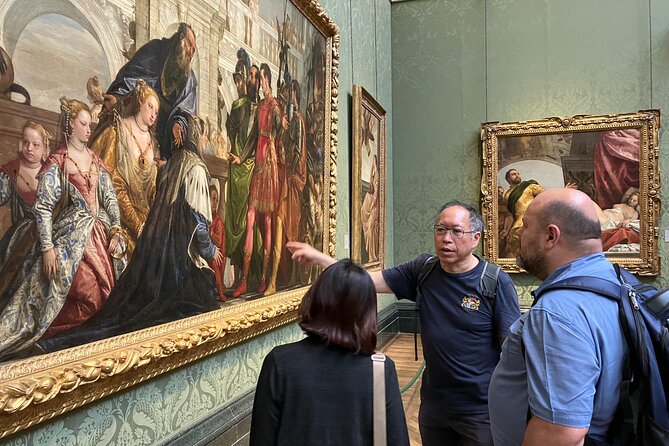
A 3 to 4 hour museum tour can either feel rushed or genuinely satisfying. This one aims for the latter by pacing the galleries around story beats and by using interest as a steering wheel. As time permits, the guide may branch to famous Greek myths, well-known historical events, and extra art stops, depending on what pulls the group forward.
That flexibility is a plus, but it also means you should arrive ready to follow the day’s flow. If you treat the tour like a checklist and insist on seeing only one type of painting, you might feel frustrated when the museum shifts what’s on view.
Instead, treat it like a guided way to learn how to read religious art. If you’re okay moving with the conversation and the display changes, you’ll get a much more rewarding afternoon.
Comfort, Seating, and How the Group Size Changes Everything
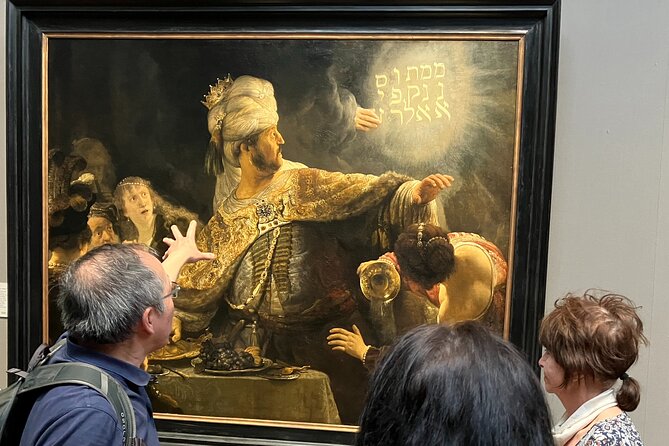
The tour can involve a fair amount of walking through galleries. If you need a seating option, folding stools are available on request. That’s a helpful detail because it signals the organizers understand not everyone can stand for the entire session.
The maximum of 10 travelers is also a real comfort factor. Smaller groups tend to move more smoothly, and you’re not fighting for attention when you want to ask something. It also means the guide can adjust explanations based on what people are responding to.
If you’re planning for mobility needs, request a folding stool ahead of time if you think you’ll want it. That way the guide can plan without you having to stop and ask mid-gallery.
Price and Value at $76.51: What You’re Paying For
At $76.51 per person, you’re paying for a guided art-and-Bible learning experience that lasts about 3 to 4 hours. That price can look steep if you only think of it as museum time. But the value is in the structure and interpretation.
You’re not paying just for access to paintings. You’re paying for someone to connect those paintings to biblical themes, apocryphal references, and Christian discussion. That changes what you learn. It also saves you from piecing together context on your own while you’re trying to enjoy one of London’s busiest art spaces.
One more value note: the National Gallery entry is free if you book the free museum entry ticket through the gallery entry link before you go. So the tour cost is essentially the guide-led learning, while you still get museum admission through the free reservation process. That’s a strong deal compared with tours that include admission and do not teach as directly.
Practical Tips That Will Help You Enjoy the Tour More
A few small moves make a big difference with this kind of guided museum experience:
- Reserve the free National Gallery entry ticket using the gallery entry link, since the tour itself assumes you’ll have museum access.
- Install the Viator app so you can view important messages in proper format. That keeps last-minute updates from turning into a guessing game.
- Plan around display changes. If a specific artwork is on your mental wish list, be flexible. The themes are what carry the day.
- Bring your curiosity. This works best when you’re willing to ask questions and connect what you see to what you already know.
Who This Tour Fits Best
This tour fits best if you want your museum visit to mean something. It’s ideal for people who enjoy:
- Bible study or Christian theology
- learning how art tells stories
- seeing how artists in different eras interpreted sacred themes
- an engaging, interactive guide-led format
If you’re visiting London as a first-time National Gallery guest, you’ll likely appreciate the guidance through big themes. If you already know biblical stories, you’ll enjoy noticing patterns in how different artworks handle the same subjects.
If you want only casual sightseeing with no discussion, this may feel too structured. If you want a faith-based lens without losing the art appreciation side, this is a strong match.
Should You Book This Bible Art Tour?
I’d book it if you want a guided way to read religious art, not just see it. The small group size, the clear focus on Bible-related scenes, and the guide-led theological discussion are what make the afternoon feel different from a typical museum walkthrough.
If you hate the idea of paintings rotating on and off display, you should still book with flexibility in mind. The museum changes, but the themes do not. You’re paying for story-driven interpretation, and that still lands even when the exact lineup of paintings shifts.
If that sounds like your kind of London afternoon, go for it. You’ll leave with a new way to look at the National Gallery, and a better sense of how sacred stories show up across art history.
FAQ
How long is the Bible art tour at the National Gallery?
It lasts about 3 to 4 hours.
Where is the meeting point?
You meet at the Statue: George Washington, 44 Trafalgar Sq, London WC2N 5DN, UK.
What time does the tour start?
The start time is 1:00 pm.
Is the tour offered in English?
Yes, it is offered in English.
What is the group size limit?
The tour has a maximum of 10 travelers.
Do I need to book a National Gallery entry ticket?
Yes. You’re instructed to book a free museum entry ticket using the National Gallery entry link.
Will I get a mobile ticket?
Yes. This activity includes a mobile ticket.
What is the Viator app used for?
You should install the Viator app to view several important messages in proper format.
Can I request folding stools?
Folding stools are available on request.
Is free cancellation available?
Yes. You can cancel for a full refund if you cancel at least 24 hours in advance of the experience’s start time.
More Museum Experiences in London

More Tour Reviews in London
Not for you? Here's more nearby things to do in London we have reviewed








More London City Tours worth a look.
 ★ 4.6The London Eye Entry TicketTickets from $3935,875 guest reviews
 ★ 4.7From London: Harry Potter Warner Bros Studio TourTickets from $11726,588 guest reviews
Westminster to Greenwich River Thames CruiseTickets from $2222,836 guest reviews
Magical London: Harry Potter Guided Walking TourTickets from $2022,044 guest reviews
★ 4.7From London: Harry Potter Warner Bros Studio TourTickets from $11726,588 guest reviews
Westminster to Greenwich River Thames CruiseTickets from $2222,836 guest reviews
Magical London: Harry Potter Guided Walking TourTickets from $2022,044 guest reviews
 ★ 4.6Madame Tussauds LondonTickets from $3620,915 guest reviews
 ★ 4.5Stonehenge, Windsor Castle, and Bath from LondonTickets from $11118,662 guest reviews
 ★ 4.7Warner Bros. Studio Tour with TransfersTickets from $14417,586 guest reviews
 ★ 4.7Tower Bridge Entry TicketTickets from $2115,560 guest reviews
Continue by place or experience