
REVIEW · GUIDED
Aldwych: Hidden Tube Station Guided Tour
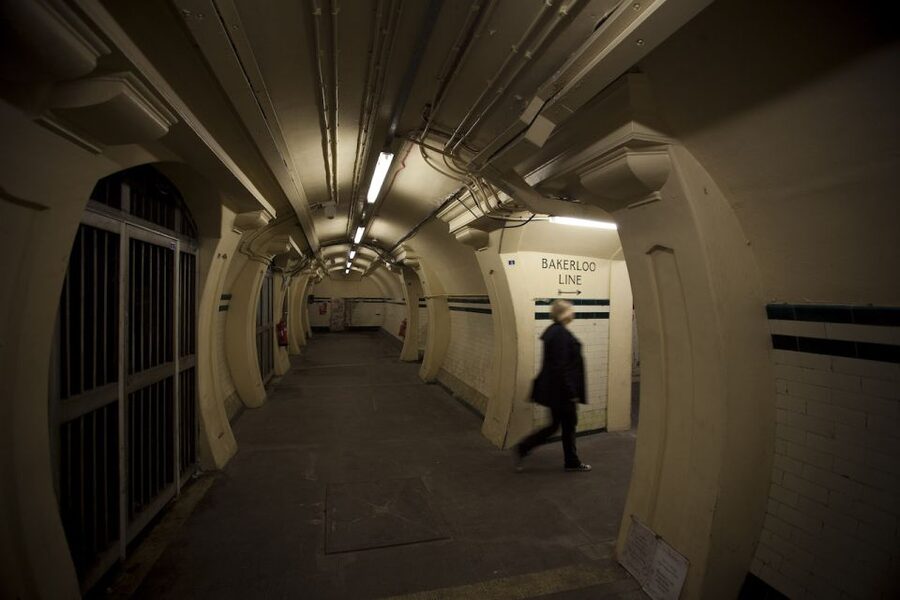
A dead Tube station can feel startlingly real. At Aldwych, you step into a disused underground world and tour the abandoned ticket hall where the architecture has stayed frozen since the station closed. You also get the wartime angle, including how valuable treasures were stored here during the Blitz, plus on-screen filming locations like Luther: The Fallen Sun.
One thing to weigh first, this is a physically demanding tour: expect lots of walking, low lighting, uneven ground, staircases, and no elevator, so it is not a fit for people with claustrophobia or mobility impairments.
Key points to know before you go
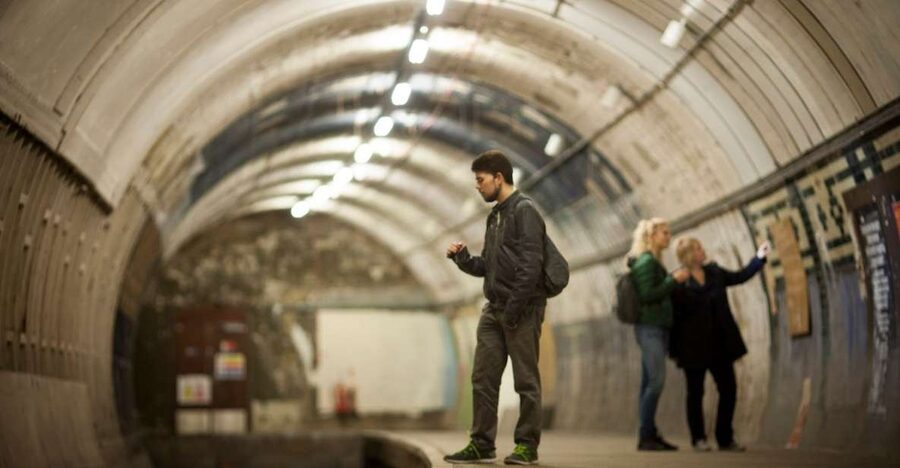
- Aldwych station, opened 1907, closed 1994 and kept off the usual tourist circuit for decades
- Guided access to areas most people never see, including tunnels, lifts, platforms, and interconnecting walkways
- Blitz storage stories plus first-hand accounts from Second World War shelterers
- Movie and TV spotting tied to locations used for productions like Luther: The Fallen Sun and Sherlock
- London Transport Museum research behind the tour through historical experts
Aldwych station from 1907 workhorse to 1994 shutdown
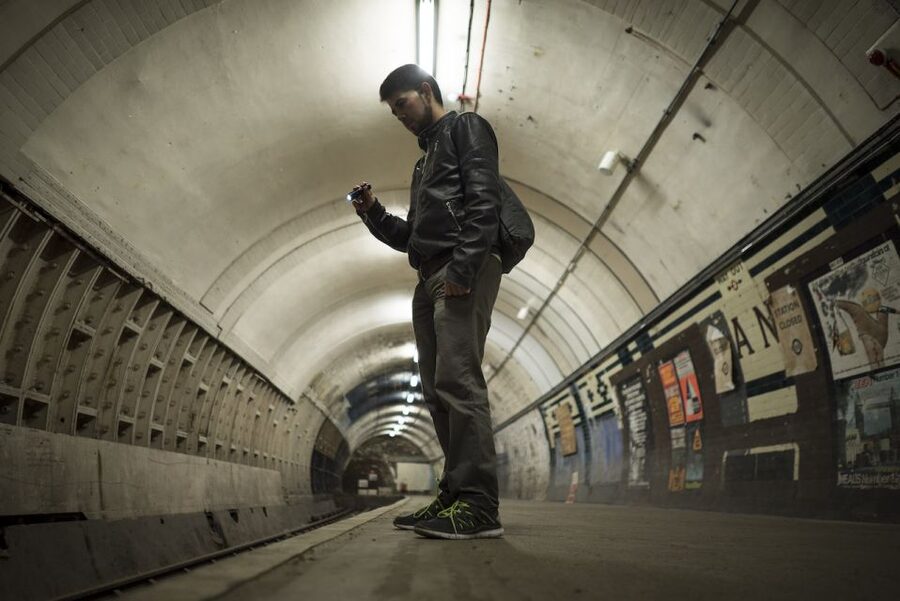
Aldwych is one of those London places that feels like it forgot to move on. The station opened in 1907 and ran for nearly a century before closing in 1994, despite being designed for heavy use. What makes it so compelling for a tour is that it did not become a theme park. Instead, you get to walk through spaces that are still recognizable as transport infrastructure, just abandoned.
This matters because the tour is not only about spooky atmosphere. You are seeing how the station functioned: where passengers would have gone, how staff would have routed people, and how systems were connected underground. Aldwych also served as the former terminus of the Piccadilly line, which gives the stops a clear purpose as the story unfolds.
The other reason I like this experience is that it mixes eras without turning the past into a costume. You start with the station itself, then the guide connects it to what happened here during the Second World World War, including how the underground space was used as refuge and storage. Film and TV locations are woven in too, so the same tunnels can be explained as both wartime infrastructure and a screen-ready set.
You can also read our reviews of more guided tours in London

Meeting at Aldwych, Surrey Street entrance details that save time
You meet your guide outside Aldwych station on Surrey Street. The key detail is that this entrance is different from the one facing the Strand, so check the street before you commit yourself to the wrong side of the building. Arriving a few minutes early helps you avoid a stressful scramble once the group begins.
The tour is 75 minutes, and it is a focused window. You are not paying for a long stroll with stops that feel optional. This is guided access to specific spaces, with enough time to actually see the station’s layout rather than just point from a distance.
One practical note: the tour language is English, and it runs with a live guide. If you enjoy asking questions, this format tends to work well because the guide can explain what you are standing next to, rather than giving generic narration from a bus.
The walking reality: stairs, low light, uneven ground, and no step-free route
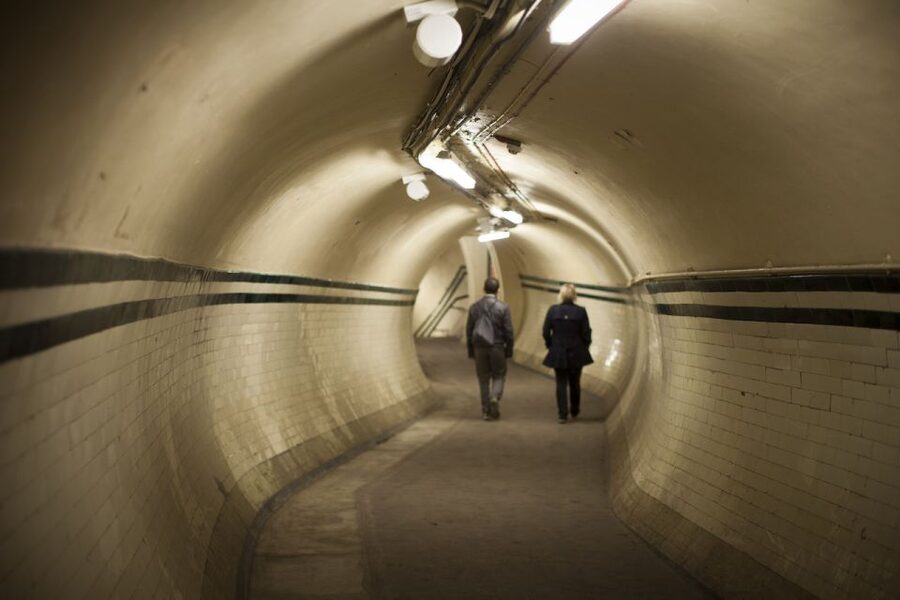
Let’s be blunt, this tour is not for everyone physically. The route includes a lot of walking, and it includes areas with uneven ground and low lighting. There are staircases throughout, and there is no elevator, so it is not step free.
If you have ever done a historic building tour that required climbing and descending repeatedly, you will recognize the rhythm here. You are moving through different levels, and you may feel the “tightness” of underground spaces, which is why the tour is not suitable for people with claustrophobia.
What to do with this information? Wear sturdy footwear with solid grip. The tour also does not allow open-toed shoes, which makes sense when you are dealing with uneven surfaces. Also plan clothing that works in lower light and cooler underground areas, because you do not want to be adjusting sleeves and laces while the group is moving.
And yes, there is no cloakroom. That means you should travel light and keep your belongings minimal. Food and drinks are not allowed either, so bring your appetite for after the tour, not during it.
Entering the disused world: how the ticket hall sets the tone
Most tours start with small talk. This one starts with place, and the ticket hall is a big part of why the experience feels special.
You explore the abandoned ticket hall and see original architectural features that still read as transport design, not ruins for decoration. This is where you get oriented. The guide can explain what the space was built to do, how people would have moved through it, and what changes time has left behind.
What I like about starting here is that it prevents the tour from turning into a random crawl through tunnels. You begin with the public-facing “front room” of the station, then you move into the less visible parts with a better sense of the station as a system. When the guide later points out details tied to wartime storage or film location, you are not hearing it as trivia. You are attaching it to how the station operated.
If you enjoy architecture and function, this part is a highlight. Even if you care more about the stories, seeing the ticket hall makes the rest of the tour easier to follow.
Original lifts, tunnels, and interconnecting walkways you can feel in your legs
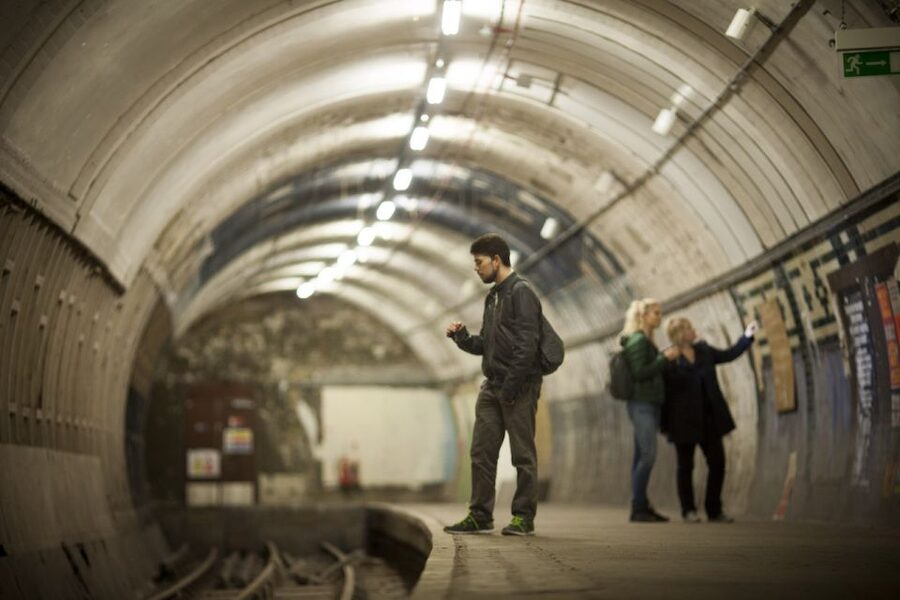
After the ticket hall, the tour moves you into areas that are harder to access and harder to picture unless you are there. You go through the original lifts, abandoned platforms, tunnels, and interconnecting walkways. These links matter because they show how the station could route people and connect working spaces without everyone seeing the whole machine.
The original lifts are especially interesting because they mark where the station’s vertical movement happened. Underground, the “up and down” is not a minor detail. It changes how people get oriented and how staff manage flow. Standing near lift structures helps you understand the station’s design choices rather than just reading them as old metal and stone.
The walkways and tunnels are also the part where the environment becomes real. Low lighting and the underground feel can make the spaces seem closer than you expect. If you are comfortable with that, the effect is strong. If you are not, this is exactly the moment where you should consider whether this tour is safe for you.
One more thing: these areas are not made for comfort and browsing. You move at guide pace, and you are moving because there are specific viewpoints and stories attached to each spot. It is guided, purposeful, and a bit physical.


Blitz storage and shelter accounts, why Aldwych mattered in wartime
Aldwych’s wartime role is a core reason people love this tour. The guide explains how the station was used as a refuge during the Blitz, and how priceless treasures came to be stored here. You are not only hearing that something happened. You are being shown the kind of space that made it possible, underground and out of direct view.
This is where the tour connects emotion to infrastructure. Underground storage and shelter were not abstract. They depended on access routes, secure rooms, and the practical reality of being below street level when London was under threat.
The tour also includes first-hand accounts from Second World War shelterers. That is the part that tends to land hardest for many people, because it turns the station from a history lesson into something more human. Instead of treating the war as dates and headlines, you hear lived experience tied to this very station space.
If you want authentic context, pay attention to how the guide explains what was used, why it was used, and how people navigated the underground during emergencies. It makes the architecture feel purposeful rather than accidental.
Spotting film locations, including Luther: The Fallen Sun
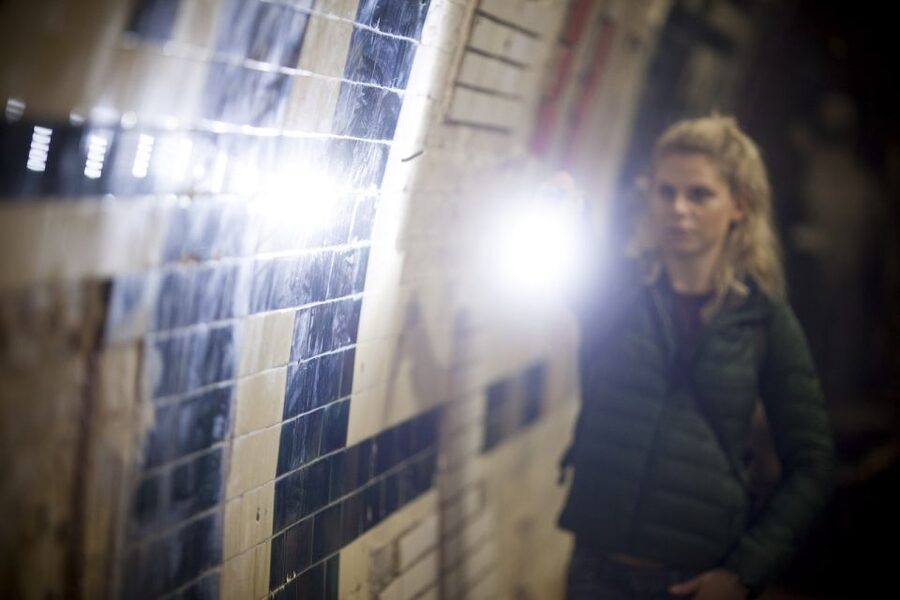
Aldwych does double duty in this tour. Alongside war stories, you get film and TV references, and you will likely spot locations used as settings.
The tour highlights movie and show locations including Luther: The Fallen Sun. It also ties the station to other productions such as The ABC Murders (2018), Darkest Hour (2017), Sherlock (2014), and Atonement (2007). Even if you are not a hardcore film location hunter, it helps to know you are standing in places that have been reused because the station’s look fits the story.
What I find useful is that the guide does not treat these titles as name-dropping. The point is to show how a disused tube station naturally provides built-in atmosphere: period details, underground tunnels, and the right kind of texture for set design. Once you see those features, you start reading the station like a filmmaker would.
Meet the guides: how London Transport Museum expertise shows up in the storytelling
This tour is produced through Hidden London tours, and the historical framing is linked to experts connected with the London Transport Museum’s archives and collection. That background matters because it affects the tone. The guide can connect your footsteps to specific details, instead of waving at general history.
You may also notice how the guide style changes the mood of each stop. In the experience, guide names like Colin and Cat show up in guests’ memories, and names such as Emily, Dom, and Jas appear as well. That variety is a good sign, it suggests the tour has repeatable structure, but still feels personal.
I like tours where the guide can answer the inevitable question, why is this here, and how was it used? Here, the guide is living the station’s logic: how people moved, what the spaces were for, and why wartime and screen stories connect back to real infrastructure.
Price and value for a 75-minute access pass
The price is listed as $60 per person, and the duration is 75 minutes. That means you are paying for timed access to a disused underground site plus a guided explanation in that same block of time. Travel to and from Aldwych is not included, so factor in your own getting-there cost.
Is it worth it? For me, the key value is access. Many London Underground stories are told in museums or through photos, but you are actually walking through Aldwych’s station spaces, including tunnels and platforms that are not on a normal sightseeing route. If you like transport design, wartime London, or film location trivia, the guided structure makes the time feel focused rather than rushed.
You also get a high satisfaction signal. The tour has a strong overall rating and a lot of very positive comments about guide enthusiasm and fun facts. While a rating is not the whole story, it does align with what you want from a specialty tour: clear explanations, energetic delivery, and attention to details you would miss on your own.
Who should book this Aldwych guided Tube tour
This is best for people who enjoy more than one thing at once. If you like London transport history, wartime stories, and movie or TV location spotting, you will probably get a lot out of the way the tour switches gears across the same station spaces.
It is also great if you enjoy guided storytelling that points out features directly where you are standing. This tour is designed for that. You will be walking past architectural details in the ticket hall, then moving into the functional parts of the station, and finally hearing about wartime storage and shelter accounts in the spaces that made those roles realistic.
But it is not a fit if you need step-free access, if stairs and uneven ground are a problem, or if closed-in underground spaces trigger anxiety. Also, children have limits for the tour format. There is a maximum of four children aged 10-15 years per adult, and it is not suitable for children under 10.
If you match the right profile, this can feel like one of those rare London experiences that combines access, story, and atmosphere in a tight time window.
Should you book the Aldwych Hidden Tube Station Guided Tour?
If you want a London tour that feels specific and slightly off-menu, booking makes sense. You get access to Aldwych’s disused station spaces, a well-structured guide route through the ticket hall, lifts, tunnels, platforms, and interconnecting walkways, plus stories about the Blitz and film locations tied to shows like Luther: The Fallen Sun.
Just be honest about the physical side first. This tour involves a lot of walking, staircases, uneven ground, and low light, and it is not suitable for claustrophobia. If that sounds manageable for you, you should book.
FAQ
How long is the Aldwych Hidden Tube Station guided tour?
The tour lasts 75 minutes.
Where do I meet the guide?
Meet your guide outside the entrance of Aldwych station on Surrey Street. This is a different entrance than the one facing the Strand.
Is the tour suitable for people with claustrophobia or mobility impairments?
No. The tour involves low lighting and areas that can feel enclosed, and it is not suitable for claustrophobia. It is also not step free, includes walking up and down staircases, and does not have an elevator, so it is not suitable for people with mobility impairments.
What should I bring and what do I need for entry?
You should bring a passport or ID card.
What is not allowed during the tour?
Open-toed shoes are not allowed. Food and drinks are not allowed, and luggage or large bags are not allowed.
Is there free cancellation?
Yes. You can cancel up to 24 hours in advance for a full refund.
More Guided Tours in London
More Tours in London

More Tour Reviews in London
Not for you? Here's more nearby things to do in London we have reviewed




More Guided worth a look.
 ★ 4.7Emirates Stadium Entry Ticket and Audio GuideTickets from $475,513 guest reviews
 ★ 4.5Stonehenge, Windsor Castle and Bath Full Day Guided TourTickets from $1235,346 guest reviews
 ★ 4.5London Jack the Ripper Guided Tour with Ripper-VisionTickets from $274,840 guest reviews
 ★ 5.0Original Harry Potter Locations Tour – Guided Tour of LondonTickets from $164,117 guest reviews
 ★ 4.1Christmas Lights Nighttime Bus Tour with Live GuideTickets from $403,720 guest reviews
 ★ 4.7From London: Cotswolds and Oxford Guided Day-TripTickets from $1063,720 guest reviews
 ★ 4.7Wembley Stadium Guided TourTickets from $333,629 guest reviews