
REVIEW · BRITISH MUSEUM TOURS
London: British Museum Private Guided Tour with Tickets
Two and a half hours, and history clicks. I love how this private visit pairs a licensed Blue Badge Guide with skip-the-line entry, so you start learning before you waste time hunting down the first big room. It also feels like museum viewing with a plan, not a random wandering test.
My second favorite part is the hit list. You’ll see crowd magnets like the Rosetta Stone, then keep moving through Ancient Egypt, Greek highlights, Roman objects, and finally the Sutton Hoo story, all in one logical route. The one drawback to keep in mind is that it’s a highlights tour, so you won’t have time to cover every wing or every famous piece.
Key things to know before you go
- Skip-the-line security means less queue time and more time in the galleries
- Blue Badge licensing brings a professional, public-facing guide who can explain what you’re seeing
- A tight Egypt-to-Greeks-to-Rome-to-Anglo-Saxons route keeps the museum from feeling disconnected
- Parthenon sculptures plus architecture context helps you understand why that setting matters
- Sutton Hoo burial mysteries give you a satisfying turn into England’s earlier chapters
- Private group up to 6 makes it easier to ask questions and tailor the pace
Why a 2.5-hour private tour is the smartest way to tackle the British Museum
The British Museum is one of the best places in London to see human history in one building. It’s also one of the easiest places to get lost, because the scale is huge and the collections are endless. That is exactly why this format works.
You’re buying time. For 2.5 hours, I think you’re paying for a guided route that hits major landmarks without the usual “we’ll see the rest next week” feeling. The price is $337 per group (up to 6), and because it’s private, you can keep the conversation going instead of listening to a group dynamic you can’t control.
What you should expect, though, is focus. This is not a full-day “every gallery” plan. If you want a museum marathon, you’ll still need a second visit on your own. If you want the highest-impact route with real explanations, this time window is a sweet spot.
More London tours and experiences for the shortlist


Meeting point at Great Russell Street, and how to start smoothly
Logistics matter at the British Museum because security lines can eat up your energy fast. This tour helps by using an express security check, and you’re asked to arrive 15 minutes early so you can start on time.
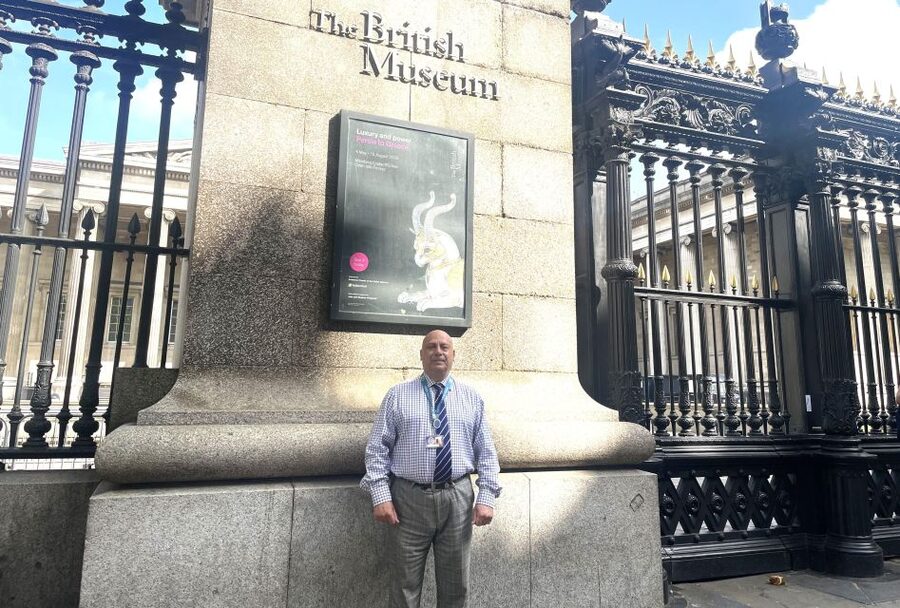
Your meeting spot is specific: to the right of the red telephone boxes, left of the main entrance gates on Great Russell Street, and opposite Starbucks. The provider notes you should use the photos to confirm you’re in the right place and with the right guide. I strongly suggest you treat that “15 minutes early” request seriously, because getting situated first makes the tour feel calmer from minute one.
Also note this is a rain or shine experience. If you’re stopping for photos nearby, plan it after you meet your guide.
Your Blue Badge guide: what “licensed” means in practice
A “Blue Badge Guide” is not just another tour tag line. In practical terms, it signals a professional guide trained to explain culture and context clearly in public spaces. You’ll feel that right away in how the tour moves, because the route is built around what connects the objects, not just what’s popular.
In past tours led by Anthony Matthews (based on recorded experiences from this operator), the big difference is storytelling that stays grounded. People mention that he can answer questions at an archaeology level, and that he’ll connect the objects to the real people who made and used them. That matters because the British Museum can be visually overwhelming, and you need someone to give your eyes a roadmap.
One more heads-up: audio recording isn’t allowed. If you like recording for later, plan to take notes instead and rely on your guide’s explanations while you’re in front of each artifact.
Rosetta Stone and Ancient Egypt: the decoder ring for a whole civilization
Most museum visits to the British Museum start with “wow.” A good guided route helps you convert wow into understanding. Here, the tour anchors early on Ancient Egypt, starting with the Rosetta Stone.
Why it matters: the Rosetta Stone is crucial because it is part of the reason scholars could link written scripts to meaning and unlock how historians read Egyptian language. I love seeing it in context, because it stops being a famous object behind glass and becomes a tool that changed what we can know. Your guide will explain why it’s central to understanding Ancient Egypt, not just why it’s old.
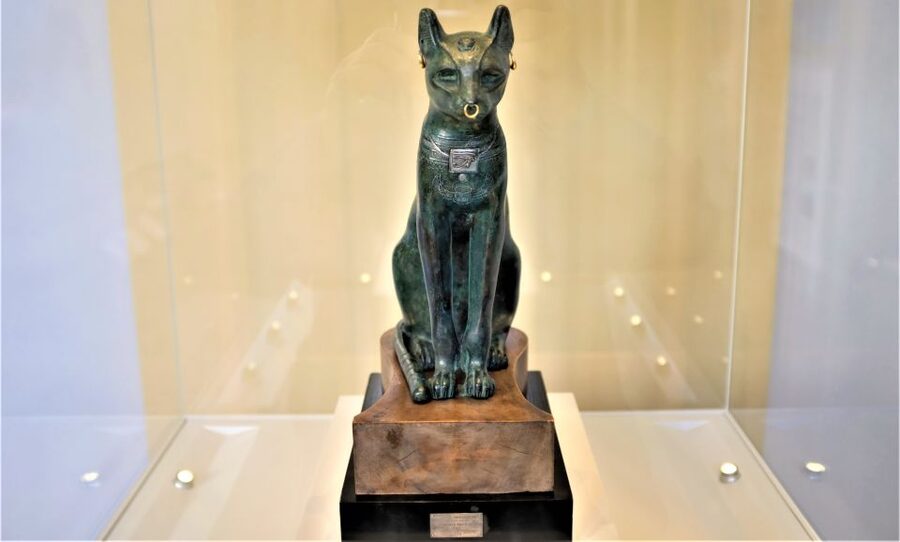
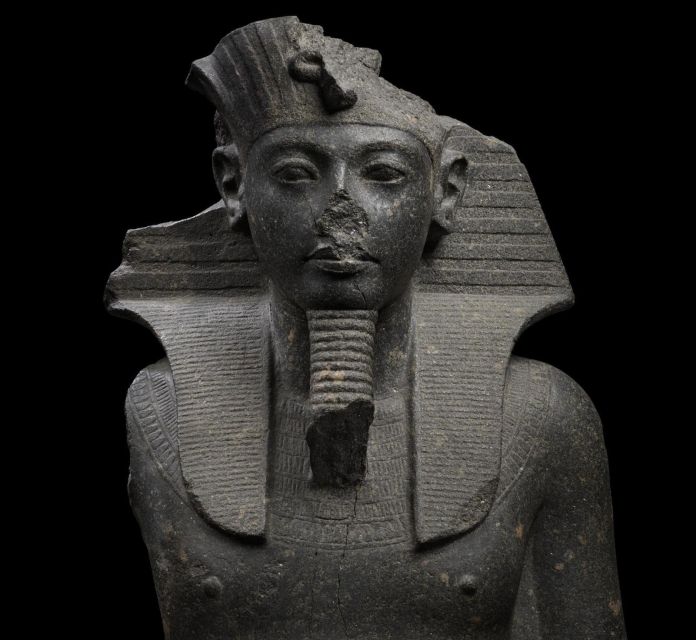
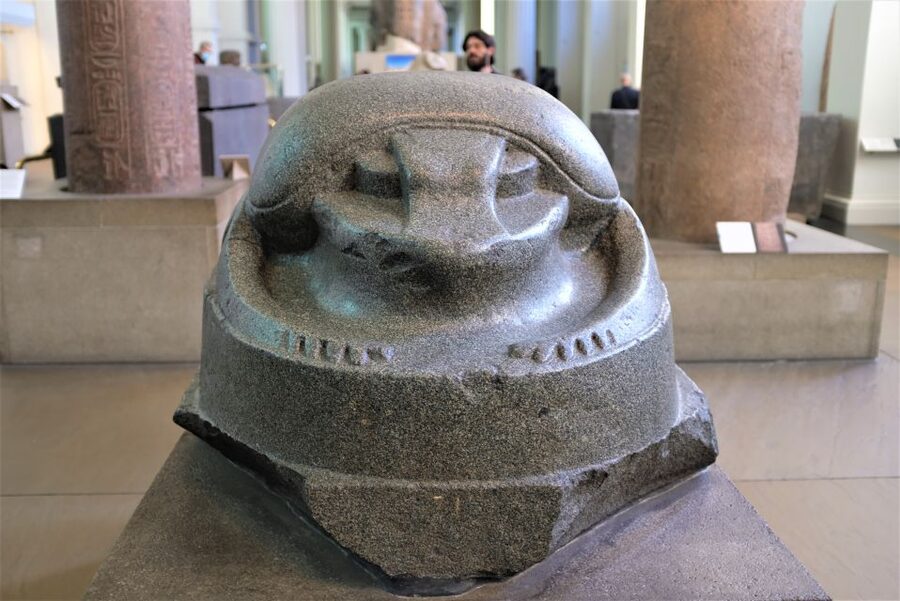
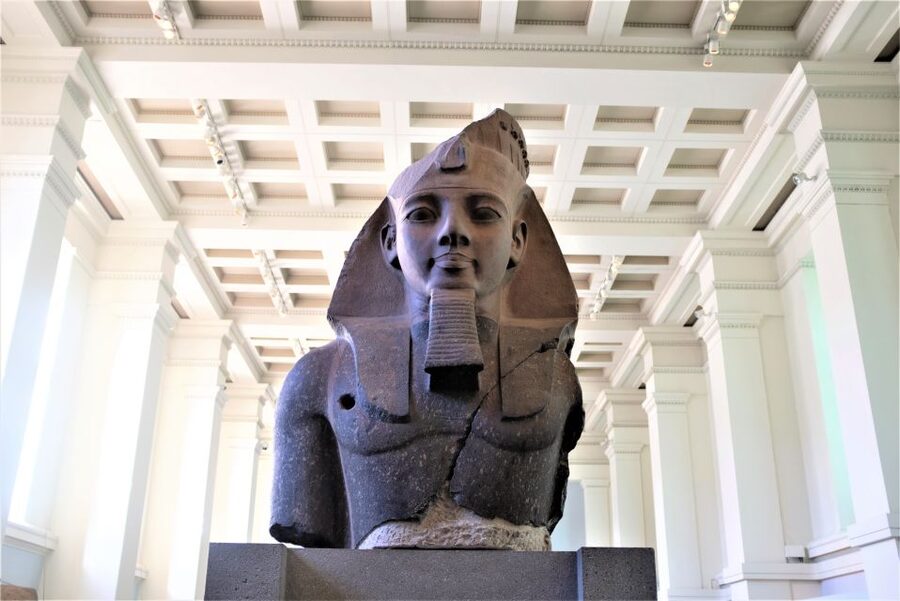
From there, the tour keeps moving through Egyptian highlights. You’ll hear about Tutankhamun, including the story of how he died and the striking idea that his grave was the only Pharaoh’s grave never discovered. You’ll also see a Ramesses II statue, and then smaller but memorable curiosities like a sacred metal cat and a giant scarab beetle.
This mix is smart because it shows Egypt isn’t only monumental stone. It includes ritual objects and symbolic animals too. Even if you’re not an Egypt buff, you’ll start to notice patterns in how power, religion, and identity were represented.
From Greek antiquities to Parthenon sculptures: why the room feels “right”
Next you’ll shift into the museum’s Greek world, with a stop at the Greek antiquities collection, including Parthenon sculptures. If you’ve ever wondered why certain rooms in museums feel different, this is a good place to learn. The tour specifically points out the architectural side, including why the room is so architecturally “flawless” in how it supports viewing the sculptures.
I like this approach because it teaches you to read the display itself. A good museum setting changes how you understand an artwork. When you’re standing there with a guide, you’ll also get the cultural context behind the sculptures, including stories tied to Sparta and Athens.
Those names can sound like distant history terms until someone connects them to what you’re looking at. The result is that the artifacts stop being “Greek things” and start being evidence of political and cultural life.
You can also read our reviews of more guided tours in London




Roman power you can see: conquest, everyday objects, and a gladiator’s helmet
After Greece, the tour turns to Rome, and it does it with a narrative thread: how Rome conquered countries bordering the Mediterranean. You’ll walk through that story while also seeing objects that represent different sides of Roman life.
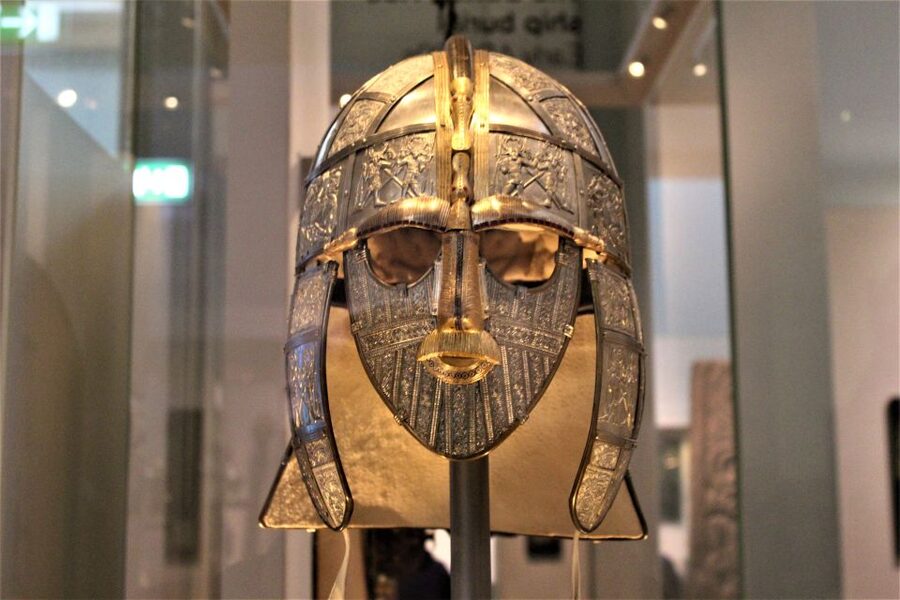
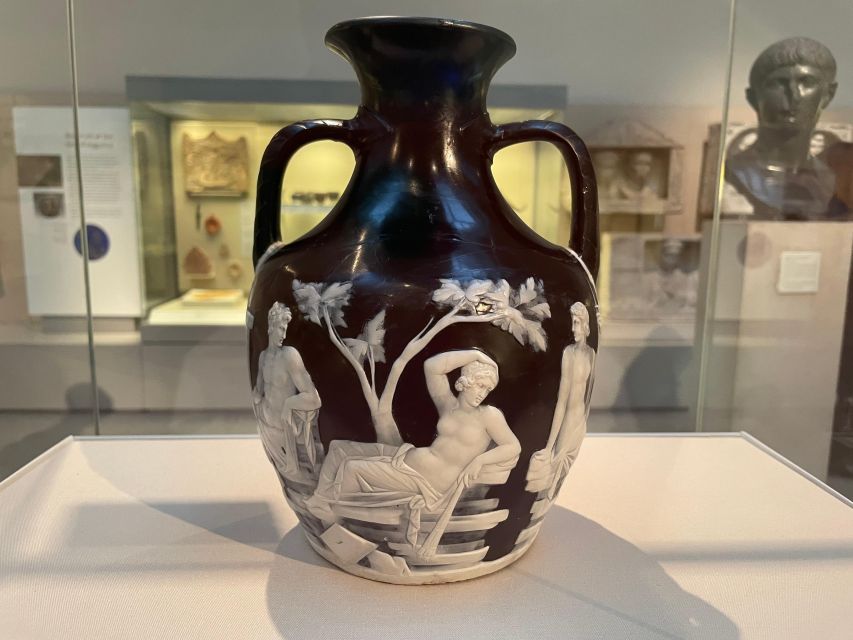
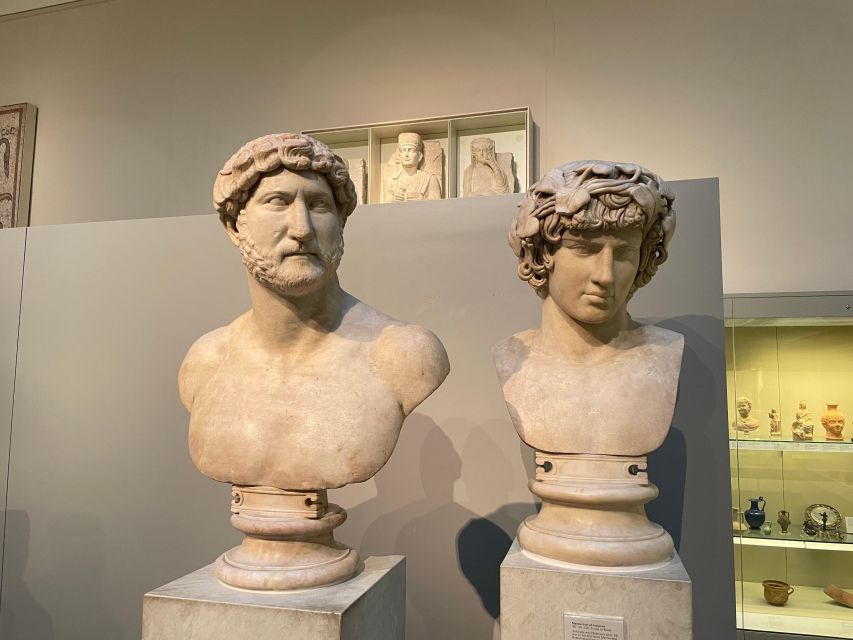
Highlights you can expect include a gladiator’s helmet, Roman glass, and a bust of the greatest emperor of Rome. Even if you’ve seen Roman artifacts before, a guide-led approach helps you notice differences in materials, craftsmanship, and purpose. The helmet is direct and visceral, glass is the quieter “how did they make this?” kind of wonder, and the emperor bust anchors the theme of authority.
For me, the best part of the Roman section is that it’s not only about battles. The Roman world in a museum is also about everyday luxury, skill, and the way power got displayed through public imagery. Your guide will keep that connection moving so you’re not just collecting facts, you’re building a mental timeline.
Sutton Hoo mysteries and the Anglo-Saxon angle on England’s origin story
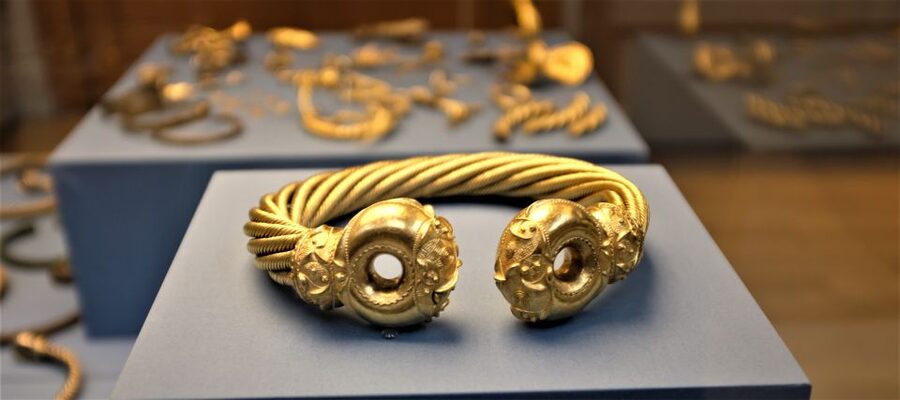
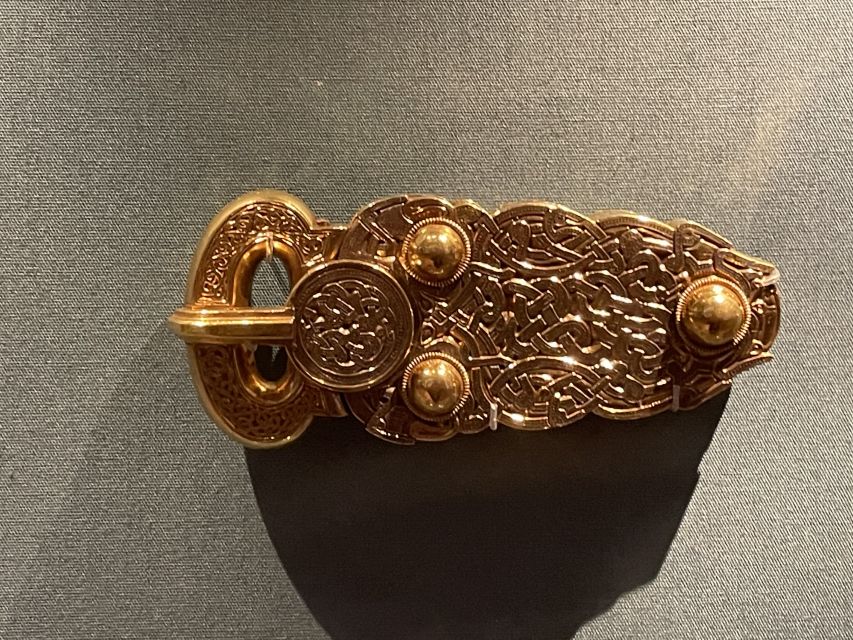
The tour ends with a strong shift into early England: Sutton Hoo and the Anglo-Saxon world that helped shape England. Sutton Hoo is one of those places where “mystery” is part of the value. It isn’t just a burial story, it’s a gateway into what archaeologists can infer when evidence is partial.
During this section, your guide will explain the mysteries of the Sutton Hoo burial and help you understand why it matters for England’s early identity. You get a glimpse into how people lived, what they valued, and what power looked like before later medieval England took shape.
I like ending here because it changes the emotional feeling of the museum. The earlier sections are about big civilizations with epic scope. Sutton Hoo brings it closer to home by pointing you toward the roots of England’s formation story.
What I’d do before and after the tour to get the most
If you have the choice, I’d treat this private tour like your “first best pass.” It helps you learn how to see the museum, then you can return later on your own for slower time in whatever theme hits you hardest.
Before the tour, try to decide what you care about most:
- Ancient Egypt and decoding history
- Greek art and Athenian vs Spartan context
- Roman objects that connect art to power
- Sutton Hoo and England’s early world
That way, you’ll ask better questions at the stops you care about. People often love that their guide can adjust the emphasis based on interest, and that flexibility can make a short tour feel like it’s working for you, not against you.
After the tour, don’t rush straight into another attraction. Give yourself time to look again at what you saw, without needing to read every label. Even one extra hour wandering on your own can make the guided explanations “stick.”
One practical note: your guide will retrace history behind objects in the museum collection as you move. That means you’ll naturally cover multiple galleries, but you should still wear comfortable shoes. The British Museum is a lot of walking in a short period.
Who this tour fits best, and who might prefer a DIY day
This tour is especially well-suited to people who want structure. If you have limited time in London, or you feel intimidated by the museum’s size, you’ll appreciate having a clear route and a guide to interpret what you’re seeing.
It also fits families. Several experiences highlight that kids stay engaged when the guide explains objects with energy and answers questions in an accessible way. If you’re traveling with teens, the pacing can work well too, because it moves fast enough to keep attention but still gives meaning to what you’re seeing.
If you’re older or you have mobility considerations, the tour is listed as wheelchair accessible, which helps with planning. That said, this is still a guided walk through gallery spaces, so plan your day with stamina in mind.
The main type of traveler who might not love it is someone who wants total freedom to roam slowly from room to room. If that’s your style, you’d likely enjoy a self-guided visit more. But for most people, the sweet spot is using this tour as your “smart start,” then doing deeper picks later.
Price and value: is $337 per group worth it?
Here’s how I look at the value: you’re not only paying for a ticket. You’re paying for (1) licensed interpretation, (2) a time-saving route, and (3) a private group format.
At $337 per group up to 6, the cost can be reasonable when you compare it to what guided value costs in London, especially for a museum that can swallow an entire day. Tickets are included, and the skip-the-line security element reduces wasted time. Over 2.5 hours, you’re getting a focused tour of major highlights, plus explanations that help you connect objects across time and culture.
Is it expensive? Yes, compared to doing it on your own. But if you want to walk in, see the big name artifacts, and leave with a clearer understanding of how civilizations link together, it can feel like a bargain.
A good way to judge value for your own trip is this: if you’d spend hours trying to decide what to see, and you’d end up missing context, then the guided format usually pays off.
Should you book this British Museum private guided tour?
I’d book it if you want the highest-impact British Museum experience in a short window. The combination of Blue Badge guidance, included entry tickets, and a structured route through Egypt, Greece, Rome, and Sutton Hoo is exactly the kind of planning that turns a big museum into an understandable story.
I would skip it if you want to spend the day wandering and reading at your own speed, or if your plan is to cover the museum in full. This is a highlights tour, and it’s designed to make those highlights meaningful, not to exhaust the entire collection.
If your goal is to see the best-known artifacts like the Rosetta Stone, understand why they matter, and walk away with a clearer mental timeline, this private tour is a strong choice.
FAQ
How long is the British Museum private guided tour?
The tour lasts about 2.5 hours.
How many people are in the private group?
It’s a private group for up to 6 people.
What is included in the price?
The tour includes a private guide and entry tickets.
What is the meeting point on Great Russell Street?
Meet to the right of the red telephone boxes, left of the main entrance gates to the British Museum on Great Russell Street, and opposite Starbucks. You’re also advised to look at the photos for the exact spot and guide. Arrive 15 minutes early.
Does the tour include skip-the-line entry?
Yes. It includes a skip the line through express security check.
Is audio recording allowed during the tour?
No. Audio recording is not allowed.
What are the cancellation and pay-later options?
You can use free cancellation up to 24 hours in advance for a full refund. You can also reserve now and pay later.
More Tickets in London



More Tours in London




More Tour Reviews in London


Not for you? Here's more nearby things to do in London we have reviewed










More British Museum Tours worth a look.
 ★ 4.3British Museum Guided TourTickets from $231,182 guest reviews
 ★ 5.0British Museum London Guided Tour Semi-Private 8ppl MaxTickets from $108984 guest reviews
 ★ 4.1Tour of the British MuseumTickets from $14678 guest reviews
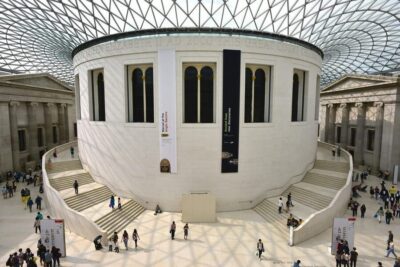 ★ 4.5British Museum Audio Tour & Priority Entrance TicketTickets from $9631 guest reviews
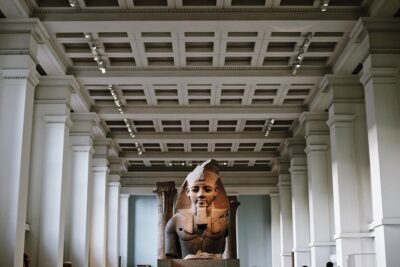 ★ 5.0The British Museum London – Exclusive Guided Museum TourTickets from $108555 guest reviews
 ★ 4.2Afternoon Tea at the British MuseumTickets from $58511 guest reviews
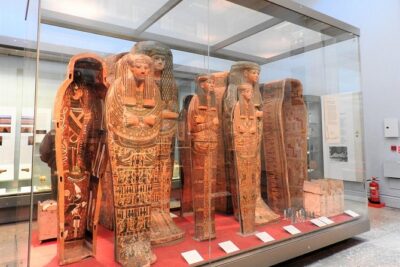 ★ 4.0British Museum Guided TourTickets from $18470 guest reviews
★ 4.5British Museum Guided TourTickets from $39267 guest reviews
★ 4.0British Museum Guided TourTickets from $18470 guest reviews
★ 4.5British Museum Guided TourTickets from $39267 guest reviews
Continue by place or experience