
REVIEW · BRITISH MUSEUM TOURS
London: British Museum Archaeology Course and Guided Tour
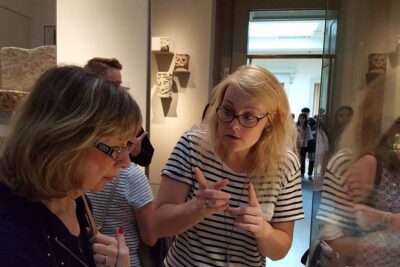
This British Museum tour feels like a time machine. It is built around an archaeologist guide, so the collections stop being just objects and start becoming evidence of how humans lived. I love the way Rossa keeps the story moving across centuries, so you can follow humanity’s path without getting lost in the museum maze.
My second favorite part is the mix of big-name artifacts and small, specific lessons, like how Egyptian hieroglyphs and Sumerian cuneiform were deciphered and why dating methods matter. I also like the hands-on break with The Royal Game of Ur. The main drawback to plan for is that it is a long 5.5-hour slot and lunch is not included, so you’ll want to think ahead about food and energy.
Key moments worth your time
- A qualified archaeologist guide (Rossa) who connects artifacts to real methods
- A clear timeline from early humans to Egypt, Assyria, Greece, Rome, and beyond
- Decoding lessons for Egyptian hieroglyphs and Sumerian cuneiform
- Famous museum highlights like the Rosetta Stone, Parthenon Marbles, and Sutton Hoo Helmet
- A playful stop to learn and play The Royal Game of Ur
- Skip-the-line access with a separate entrance and a simple meeting point at Russell Square Station
Where the tour starts, and why that matters inside the British Museum
The experience begins outside Russell Square Station, and your guide meets you holding an iPad with the local partner name showing. Arrive about 10 minutes early, because you want time to find the right person and settle before you head in. The walk to the museum is short, around five minutes, but it sets the tone: this tour is meant to feel organized and focused, not rushed.
Once you’re inside, you’re not stuck trying to figure out which galleries to prioritize. Instead, you get a planned route through the British Museum’s most important areas for archaeology and early civilization, with a break built into the session. That structure is a big deal at the British Museum, because the museum is vast, and “greatest hits” browsing can turn into random wandering.
You can also read our reviews of more guided tours in London


Skip the crowds, then get the big-picture story in 5.5 hours
The headline value here is that the tour gives you context, not just sightseeing. Since the entrance is free and your guided access includes a skip-the-line route via a separate entrance, you’re paying primarily for the expertise and time with the archaeologist guide, not for tickets.
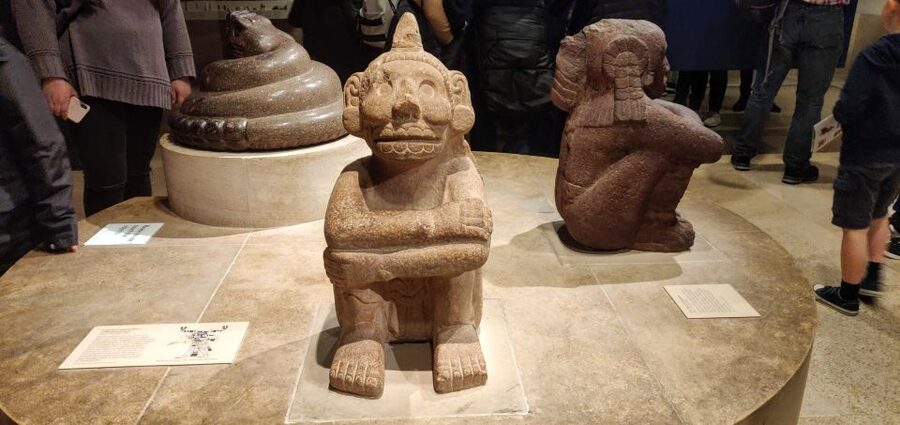
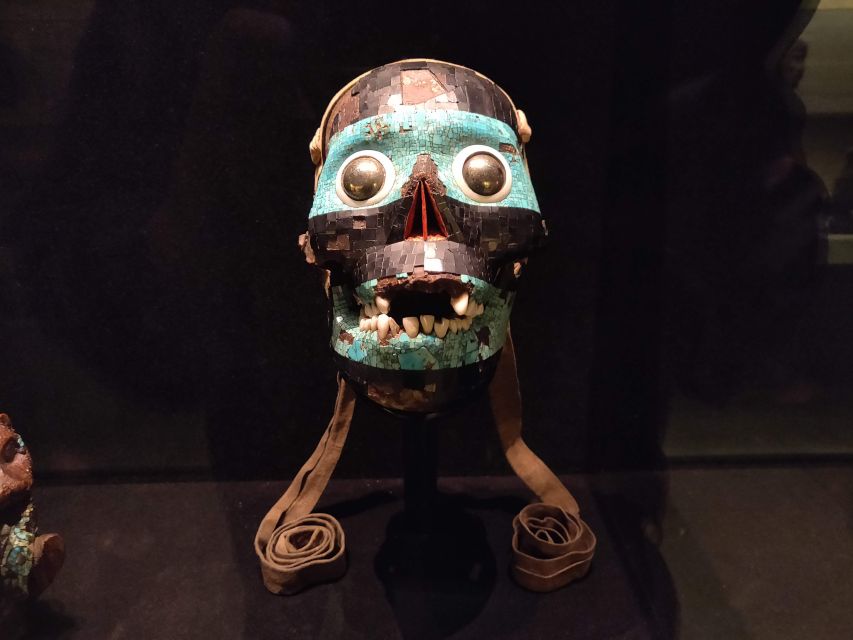
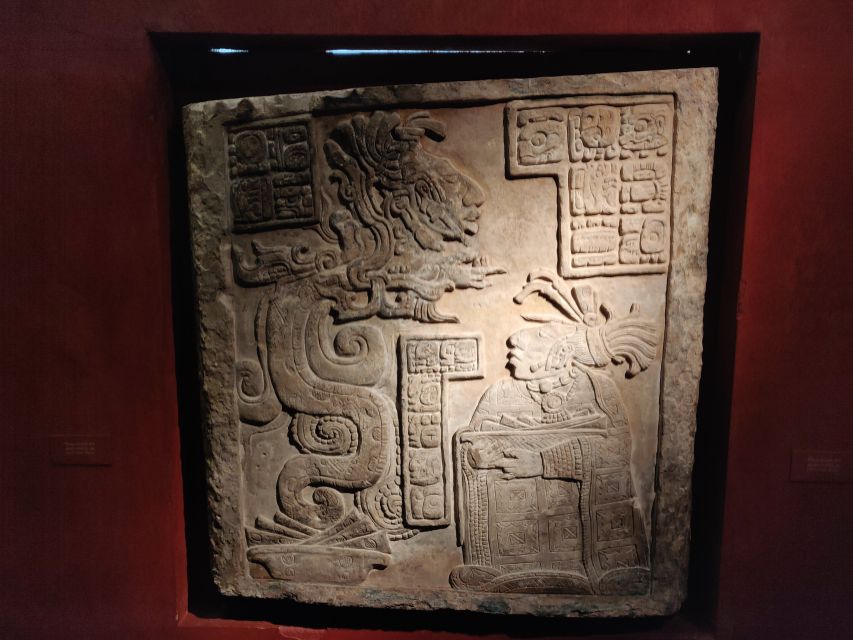
You also get a guided “human story” sweep from early origins to major empires and the long aftermath of collapse and change. You’ll move from themes like early human beginnings to the first civilizations in Mesopotamia, then across the major powers associated with Egypt, Assyria, Greece, and Rome. After those, the tour reaches further out into other cultures and periods, including Vikings and even the Aztecs, so you get a sense that world history is connected, not siloed.
This kind of big-picture framing helps you enjoy the museum more once the formal tour ends. You start seeing patterns, like what counts as evidence, how written records change what we can prove, and why archaeologists care about the physical details.
Ancient Egypt and Assyria, then Greece and Rome, in a guided line you can follow
A lot of museum tours cover objects, but this one organizes your understanding. You’re guided through the British Museum’s top archaeology galleries in a way that helps you build a timeline in your head.
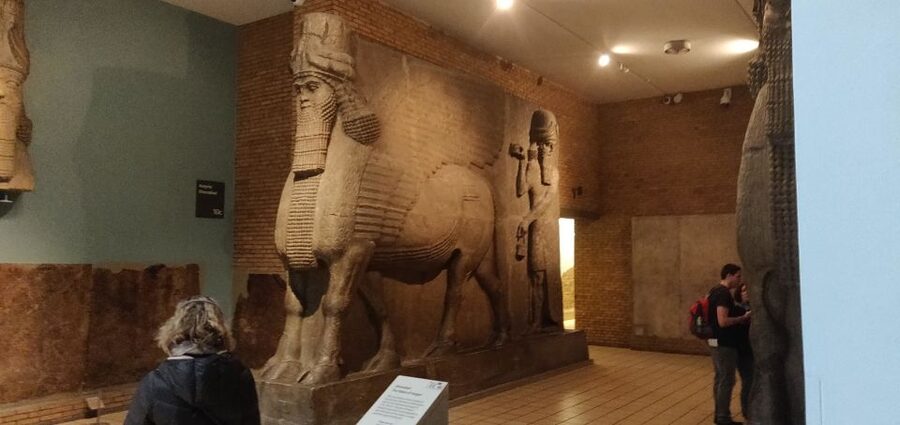
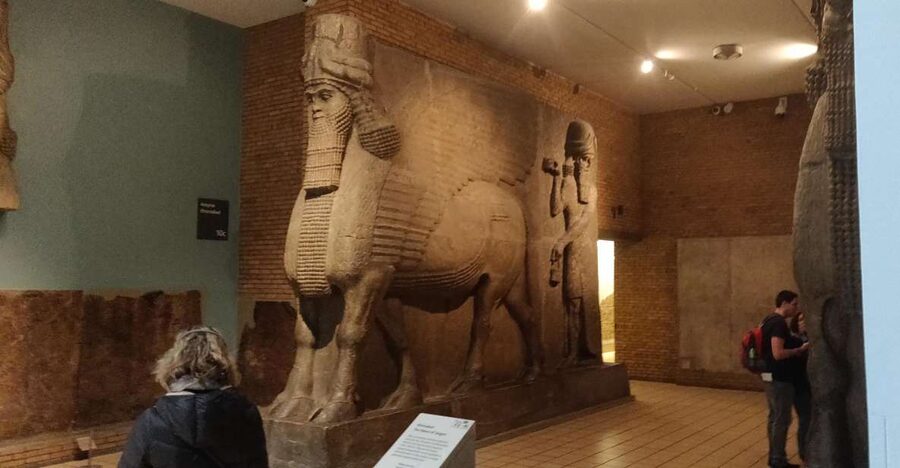
In the Ancient Egypt and Assyria portion, you’re not just looking at impressive displays. You’re hearing how those empires fit into longer histories: how power worked, what material remains survive, and what archaeologists can infer. When you move into Ancient Greece and Rome, the tour keeps shifting your perspective from one kind of evidence to another, which is the difference between memorizing facts and actually learning how history is reconstructed.
You also get a sense of how museums become storytellers. Different galleries highlight different kinds of artifacts, but your guide keeps returning to one theme: the past becomes knowable when you link objects to context, sources, and methods.
Practical note: the British Museum is busy at peak times. The advantage of a live guide is that you can ask questions and adjust your focus as you go, rather than staring at labels and hoping it all clicks.
Rosetta Stone style lessons: how ancient languages get deciphered
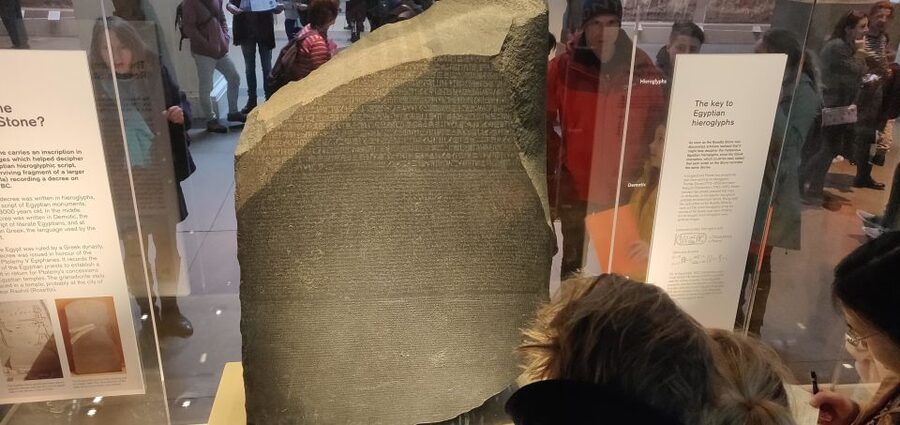
One of the most memorable sections is the language and writing focus. You’ll learn about the geniuses who decoded ancient scripts, including Egyptian hieroglyphs and Sumerian cuneiform. The point is not just that someone translated something. It is how decipherment works, and why it is so hard.
When writing is involved, archaeologists and epigraphers gain a powerful tool. Suddenly, you have names, dates, rulers, and institutions recorded by people closer to the events than modern scholars can ever be. But you also learn that writing systems are not magically self-explanatory. They require comparison, pattern recognition, and careful reasoning.
That lesson changes how you look at museum objects afterward. You start noticing things like how scripts appear, what kinds of texts survive, and how much we depend on small fragments of evidence.
The science of archaeology: dating, context, and why objects are clues
The tour’s archaeology angle is not just “cool facts.” It is about the science behind how ancient objects become historical information.
You’ll hear about how sites become buried, why that burial can protect remains and also hide them, and what archaeologists do when they find objects out in the world. You’ll also learn how relics are dated, which is one of the most important skills in the field. Dating methods let archaeologists place discoveries into a timeline, turning a collection of finds into a sequence of events.
This matters because it helps you separate two different kinds of museum enjoyment. There’s the wow factor, which you’ll absolutely get from major pieces and galleries. Then there’s the deeper payoff, where you understand why a particular object was meaningful to people at the time, and why we can argue about it with some confidence.
It is also a great reminder that archaeology is detective work. Even with famous artifacts, archaeologists are constantly balancing evidence with uncertainty.
You can also read our reviews of more museum experiences in London





Famous artifacts you’ll see, and how the guide helps you make sense of them
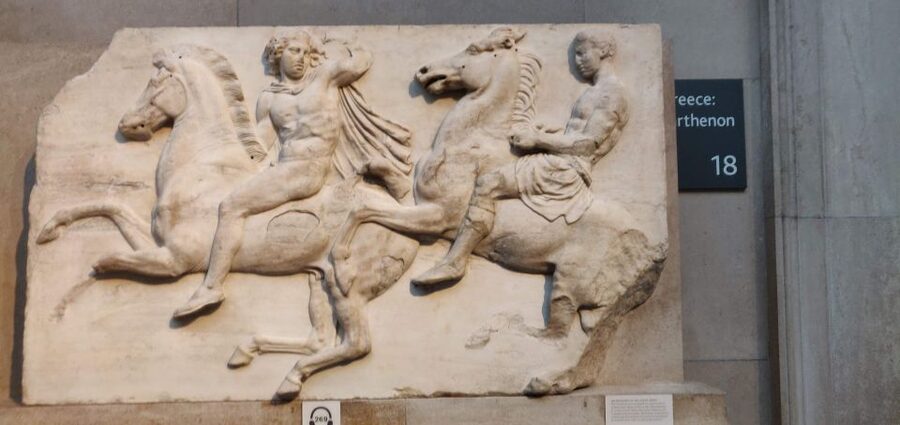
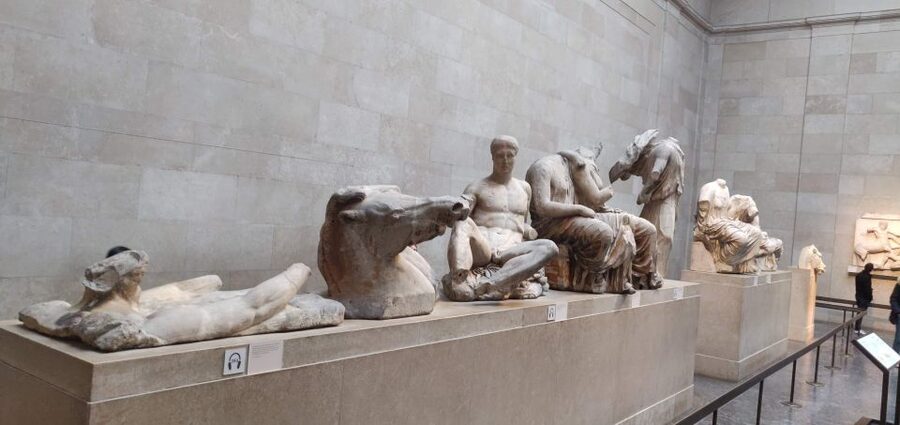
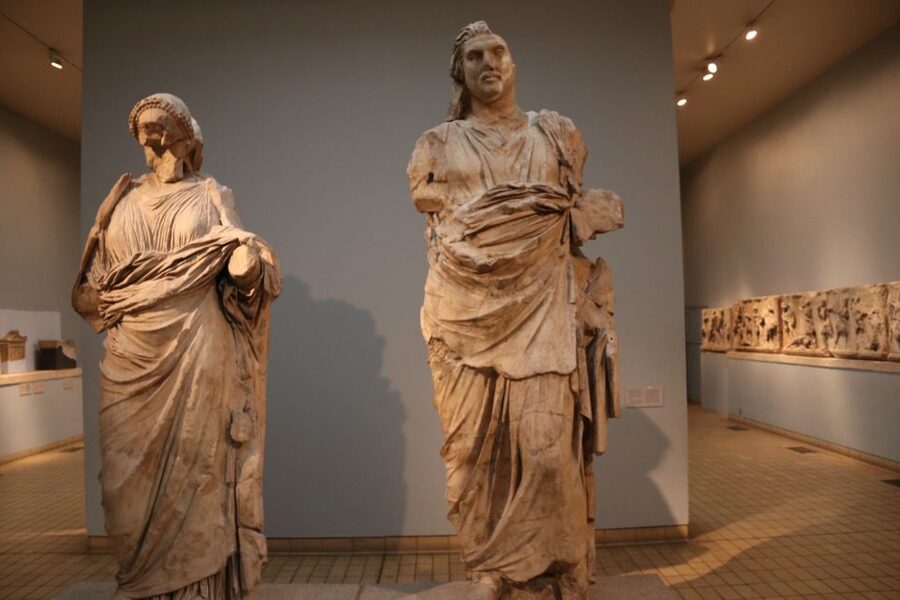
The session includes time in well-known areas featuring world-famous objects such as the Rosetta Stone, the Parthenon Marbles, the Sutton Hoo Helmet, and the Lewis Chessmen. Seeing these names on a poster is one thing. Understanding what the guide is pointing out is another.
Here’s the trick your guide uses: each major object becomes a teaching moment. Instead of treating the artifacts as untouchable treasures, you learn what they reveal about the people who made them, the systems they belonged to, and how we know what we know today.
That approach is especially helpful if you are visiting for the first time. The British Museum can feel like a firehose of history. With this kind of guided framing, you leave with a mental map, not just photos.
The Royal Game of Ur: a break that turns into real learning
One of the most fun parts is a stop to play an ancient board game: The Royal Game of Ur. Your guide includes the story behind it, including how British Museum scholars deciphered the rules.
This is more than a cute break. It shows how scholarship reaches everyday details of life. Games are cultural artifacts too. They reveal what people valued, how they organized play, and how knowledge traveled across time.
You’ll learn by doing, not just listening. And because it is interactive, it gives your brain a reset after galleries packed with inscriptions, architecture, and artifacts that demand close attention.
If you like history that feels human, this section is a winner.
Logistics that make the tour smoother than a DIY museum day
This is a 5.5-hour guided experience, and logistics matter because time in a museum can vanish quickly. The meeting point is clear, the walk is short, and your guide leads you through the museum with a skip-the-line entrance.
A few practical points to plan for:
- Bring comfortable shoes, because you’ll be walking and standing more than you might expect.
- No luggage or large bags are allowed, so pack light. A small day bag usually makes life easier.
- If you want a breather, check for ways to sit during breaks. One helpful approach people use at the museum is grabbing a portable stool at the entrance area when available.
Also, because entrance is free and included with your guided access, you’re not paying again for museum entry. You’re paying for a specialist guide and a structured learning path.
Value for $81: what you’re really buying
At $81 per person, this tour is not a bargain in the sense of being cheap. But it does feel like strong value for what you get.
You get:
- A qualified archaeologist guide
- Guided access with skip-the-line entry
- A structured, high-yield route through major galleries and topics
- Special learning segments on decipherment and the science of dating
If you try to DIY this day, you would need a big plan: which galleries to hit, what to read at what pace, and how to make the museum’s objects connect into a coherent story. This tour does that work for you. It saves time and it saves the frustration of feeling like you’re only skimming the surface.
And because you leave with context, your self-guided exploring afterward becomes smarter. You’re not just staring, you’re connecting dots.
Who should book this British Museum archaeology course
This tour fits best if you like learning history through evidence and methods. It is ideal for:
- Families who want a museum day with a structured educational focus, including older kids who can handle longer attention spans
- History lovers who want more than labels, especially those curious about writing systems and archaeology basics
- First-time British Museum visitors who want the main story without missing the big artifacts
It is also wheelchair accessible, and the tour is suitable for people with limited mobility. If you have specific needs, the best move is to contact the operator in advance so they can plan appropriately.
One final thought: this is not the tour if you want total freedom to roam room to room at your own pace. It is a guided path with a clear learning agenda, which is exactly why it works so well.
Should you book it?
Book it if you want the British Museum to feel understandable, not overwhelming. With a real archaeologist guide, you get language decipherment stories, hands-on play with The Royal Game of Ur, and science-based explanations for how we date and interpret ancient finds.
Skip it if you prefer a totally self-paced museum visit, or if you need a day with plenty of time for sitting, eating, and wandering without structure. Since lunch is not included, plan your meal timing so the last hour does not feel like a survival test.
If you want one focused half-day that turns the British Museum into a guided lesson in human history, this is a strong choice.
FAQ
Where is the meeting point?
Meet your guide outside Russell Square Station. The guide will be holding an iPad with the name of the local partner displayed on the screen. Arrive about 10 minutes before the start time.
How long is the tour?
The duration is 5.5 hours.
How much does it cost?
The price is $81 per person.
What is included in the tour?
It includes a qualified archaeologist guide, entrance (free), and a guided tour. The experience also includes skip-the-line access through a separate entrance.
Is lunch included?
No. Lunch is not included.
Is luggage or a large bag allowed?
No. Luggage or large bags are not allowed.
Is the tour wheelchair accessible?
Yes, the tour is wheelchair accessible. It is also suitable for people with limited mobility, and you should contact the provider if you have special requirements.
Can I cancel or pay later?
You can cancel up to 24 hours in advance for a full refund. You can also reserve now and pay later.
More Guided Tours in London



More Tours in London




More Tour Reviews in London


Not for you? Here's more nearby things to do in London we have reviewed










More British Museum Tours worth a look.
 ★ 4.3British Museum Guided TourTickets from $231,182 guest reviews
 ★ 5.0British Museum London Guided Tour Semi-Private 8ppl MaxTickets from $108984 guest reviews
 ★ 4.1Tour of the British MuseumTickets from $14678 guest reviews
 ★ 4.5British Museum Audio Tour & Priority Entrance TicketTickets from $9631 guest reviews
 ★ 5.0The British Museum London – Exclusive Guided Museum TourTickets from $108555 guest reviews
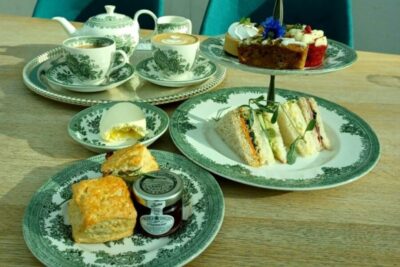 ★ 4.2Afternoon Tea at the British MuseumTickets from $58511 guest reviews
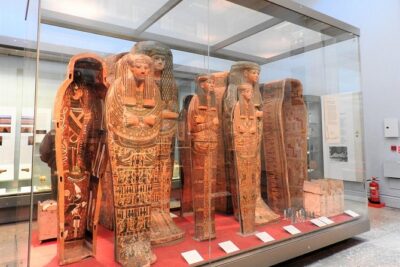 ★ 4.0British Museum Guided TourTickets from $18470 guest reviews
★ 4.5British Museum Guided TourTickets from $39267 guest reviews
★ 4.0British Museum Guided TourTickets from $18470 guest reviews
★ 4.5British Museum Guided TourTickets from $39267 guest reviews
Continue by place or experience