
REVIEW · LONDON CITY TOURS
Turmoil, Templars, Oliver Twist: London’s Squalor & Splendor
Holborn gets uglier, then glorious, in two hours. This guided walk strings together two thousand years across the legal and literary heart of London, from Saxon turmoil to Templar intrigue. I love the Oliver Twist stops, and I love the Freemasons’ Hall splendour you see up close.
The only real drawback is the pace, most sights get about five minutes, so you will not have time for long wandering or museum-scale reading.
Key things you’ll notice on this walk
- Small group energy: ticket sales are limited to fifteen attendees, so the guide can keep the pace tight and still answer questions
- Dickens in the street: you’ll visit the locations tied to Fagin’s den and the execution from Oliver Twist
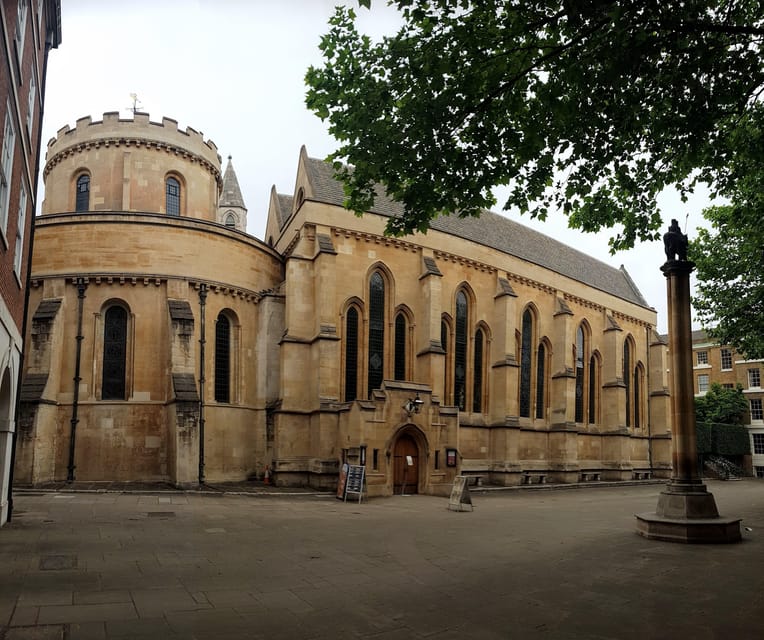
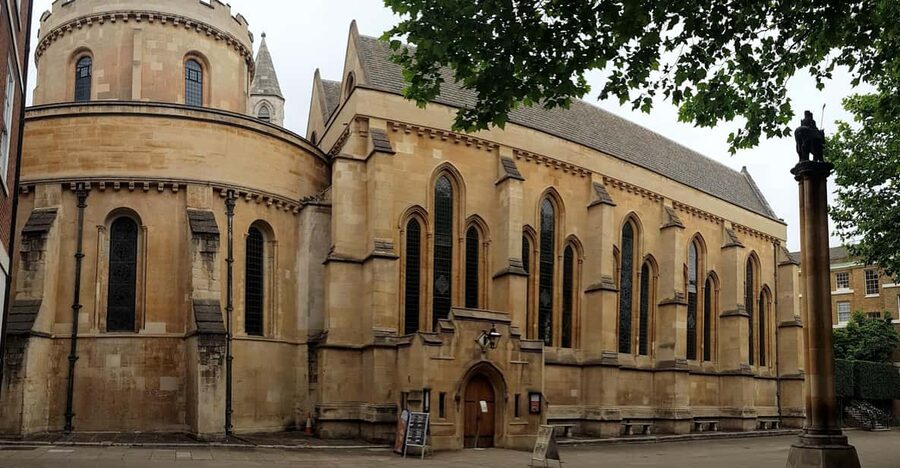
- Templars meet London’s power center: you pass through the Temple area, including Temple Church and the Knights Templar headquarters story
- Prison history you can picture: the route includes two of London’s most notorious prisons, including the Old Bailey and the Bridewell Centre
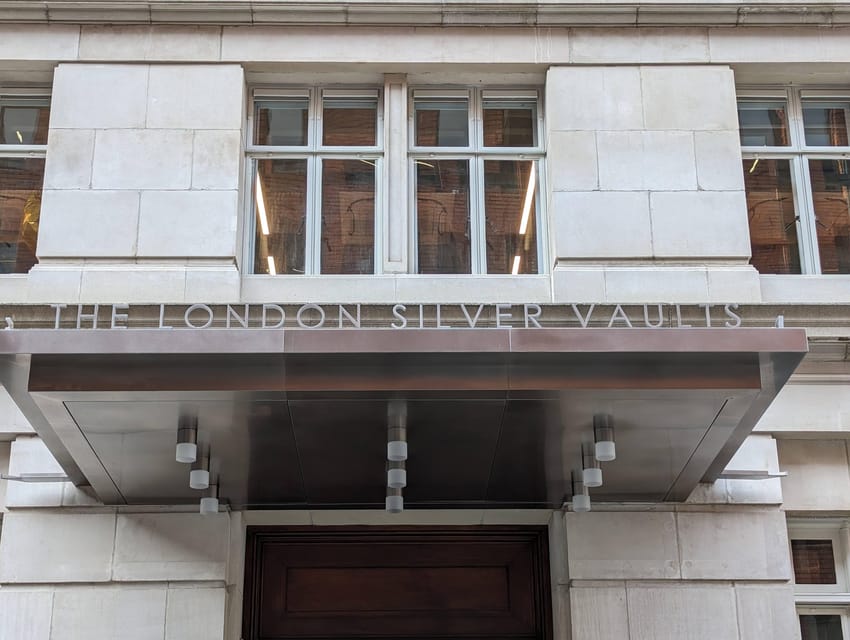
- Silver lovers will grin: London Silver Vaults has the world’s largest collection of retail silver
- Legal London by design: the walk keeps circling courts and civic institutions, so the themes feel connected, not random
A Two-Hour Walk Through Holborn’s Contrasts
This tour is built around a simple idea: London can look like a fairytale from one angle and like a crime scene from another, sometimes within the same few minutes. You start in Covent Garden, then move through Holborn’s hard-edged legal world, shifting from Saxon turbulence to Dickens drama, and finishing near Blackfriars.
I like that the route gives you contrast on purpose. One minute you’re hearing stories that explain why London felt unsafe and unstable in the Saxon period, and the next you’re standing in front of ornate institutions that scream power and craft. That swing between squalor and splendour is the whole point of the experience.
You should also know the basic rhythm. It lasts about two hours, covers roughly 2.5 miles, and most stops are short guided segments. That means you get lots of connections in a compact time window, but you should come ready to listen and absorb, not ready to linger.
You can also read our reviews of more tours and experiences in London.

Meeting Covent Garden, Then Bow Street Police Museum
You meet outside Covent Garden Station, standing by the exit and holding an Historic London Tours sign. It’s an easy start point, and it helps you get your bearings fast before the first story kicks in.
The first guided stop is Bow Street Police Museum. What makes it matter is the way it sets up London policing as a character in the city’s story, not just a background detail. You’ll hear about the Bow Street Runners, and that adds another lens for the rest of the walk. When later you hear prison stories, you’re not just collecting names and dates, you’re seeing how law enforcement and public punishment shaped everyday life.
Even if you do not know much about early policing, this part works because it gives you context before the heavier stops. It is a good warm-up, and it helps you understand why the route keeps returning to courts, trials, and punishment.
Freemasons’ Hall and the Templar Thread at Temple Church
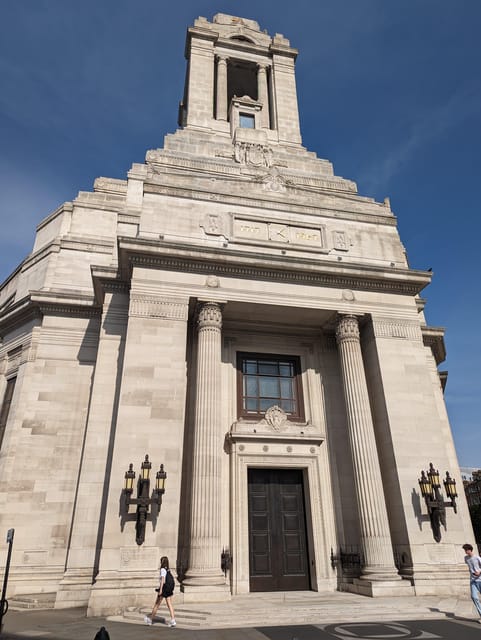
One of the most satisfying parts of the tour is the way it handles two very different institutions with one storyline thread. You get a stop at Freemasons’ Hall early on, and the tone shifts quickly from street-level story to buildings and symbolism.
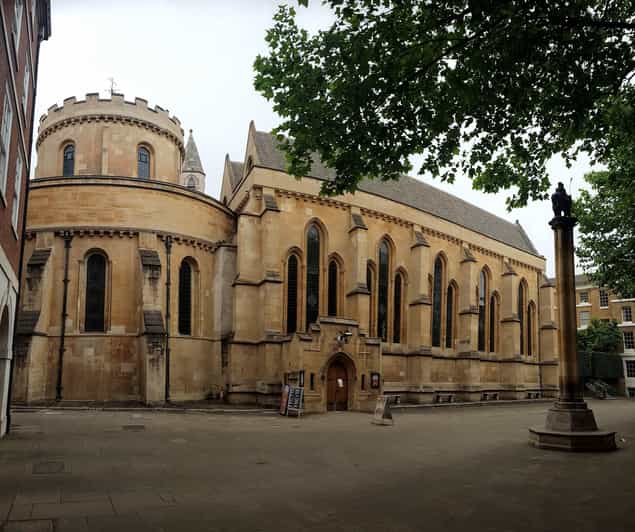
Freemasons’ Hall is where you get a sense of London’s organized social power, the kind that shapes reputations and networks. The tour then keeps moving into the Temple area with Temple Church, tied to the Knights Templar headquarters story.
This is where the tour’s title stops being a gimmick. London’s squalor does not stay separate from its splendour. It runs right through the same city blocks, sometimes in the same century. Stand in the Temple Church area and you can feel why groups like the Templars mattered, and why institutions built their legitimacy through more than just force.
If you like architecture, this portion is a treat because you are not only told what to think. You’re also given a reason to look carefully at what’s around you, and you can see why “power” often shows up as design.
Aldwych, Royal Courts of Justice, and Why the Route Keeps Returning to Law
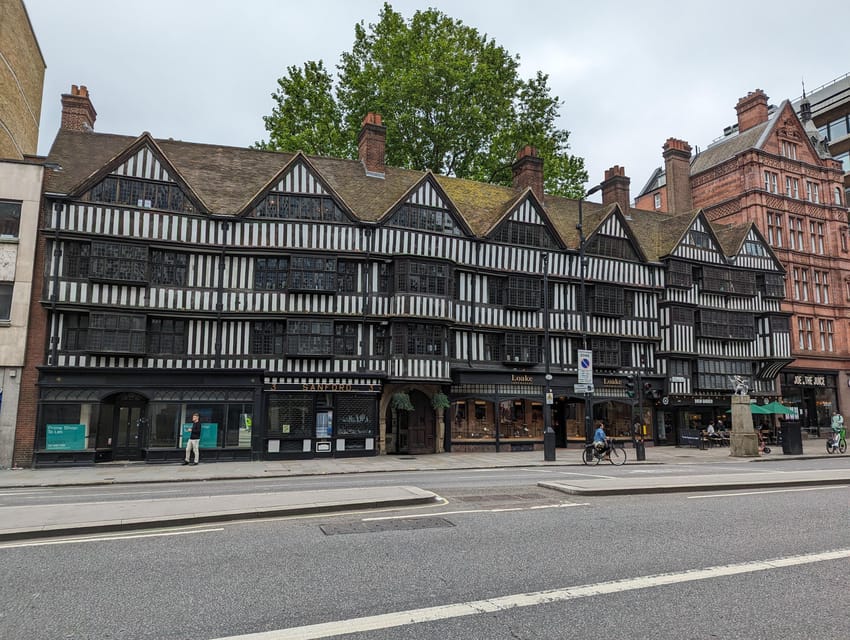
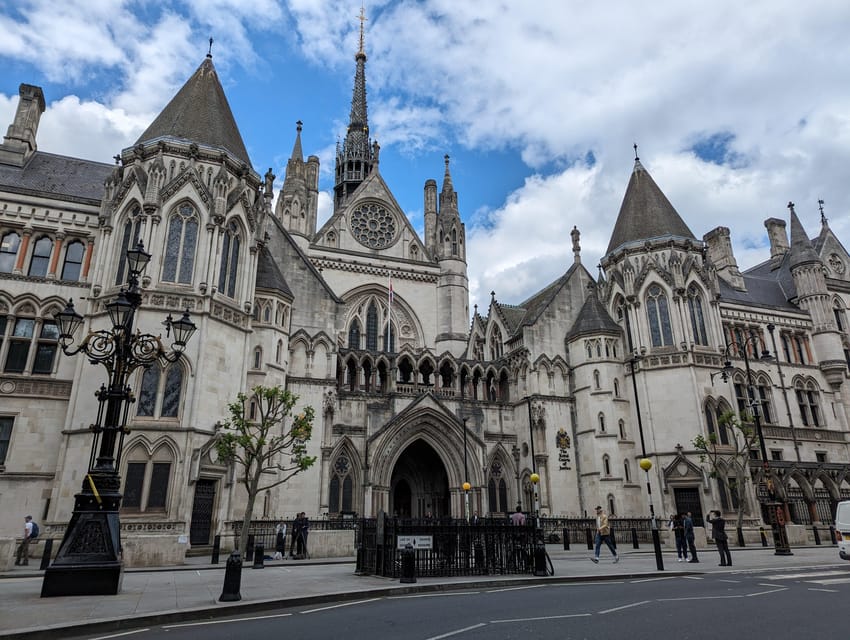
As you head through the mid-route stops, the walk keeps pulling you toward London’s legal center. You’ll pass through areas such as Aldwych and stop at the Royal Courts of Justice.
These short stops might feel quick, but they do a useful job. They anchor everything else. When you hear about prisons and executions later, those stories connect back to the idea that London’s justice system was built, argued, and administered in specific spaces.
I also like how this helps with orientation. Many history walks feel like a list of unrelated facts. Here, the legal theme becomes a spine. You notice the shift between civic authority and criminal reality, and the tour keeps showing how those two worlds overlap.
If you are the kind of visitor who enjoys figuring out how cities function, this is the part that helps you “read” London while you walk.
Oliver Twist on the Streets: Fagin’s Den and an Execution Link
This is the portion that tends to land hardest, especially if you have read Oliver Twist or you know the story characters. The tour walks through the connections tied to Charles Dickens and places linked to Fagin’s den and the execution moment.
What I like about doing this as a walking experience is that literature becomes practical. Instead of treating the story like a sealed book, you start to see how real streets can feed real drama. That makes the themes more memorable, even if you are not chasing exact coordinates in your phone map.
Just be ready for the tone. Prisons, executions, and the darker side of London life are part of what you’ll hear. This is not a cheerful stroll through pretty corners. It is history with teeth, and the guide keeps it clear enough to follow while still giving you the grim context.
Also, if you are coming with kids, double-check suitability. This tour is not designed for children under 13.






London Silver Vaults and Hatton Garden’s Wealth Angle
After the courtroom and punishment themes, you get an unexpected pivot: London Silver Vaults. The tour calls out that this is the world’s largest collection of retail silver, and that detail matters more than it sounds.
Why? Because silver sits at the intersection of money, status, and trade. It is a physical way to talk about London’s wealth and commerce, which is a counterweight to the prison stories. When the tour moves from justice to silver, you start to see the city as a system, not just a set of crimes.
You’ll also spend time around Hatton Garden, another stop that reinforces the wealth angle. If you like thinking about how cities build prosperity and how people protect it, these stops connect well to the earlier law theme. Money attracts regulation. Jewelry and precious metals attract attention. So it all ties back together.
And if you simply enjoy looking at objects, this is one of the few times on the walk where the “wow” factor comes from something you can literally see. Even with short guided segments, it tends to make people pause and look closer.
Old Bailey and Bridewell Centre: Notorious Prisons in Plain Sight
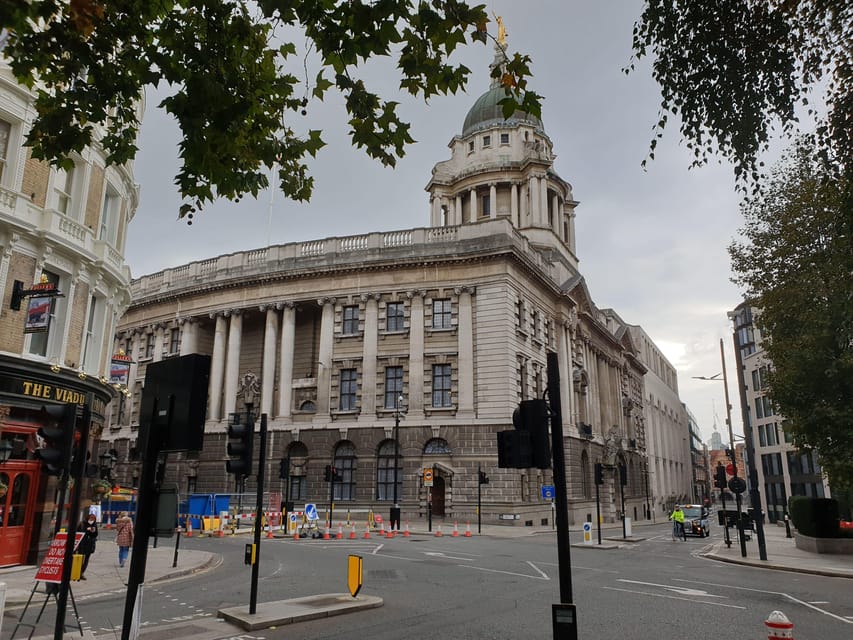
Toward the later part of the tour, the walk turns heavy again with stops including the Old Bailey and the Bridewell Centre. These are two of London’s most notorious prisons, and the tour frames them in a way that helps you picture punishment as a lived experience.
I appreciate how this part stays grounded. You are not just being handed names. You’re being guided to understand why these places mattered in London’s public imagination and why punishment became part of social order.
Also, this is where the earlier policing set-up pays off. By the time you reach the prisons, you can see the chain: law enforcement, court proceedings, and punishment spaces. It feels less like random dark history and more like a working system.
If dark themes make you uncomfortable, you might still find it worth going, because the tour is organized and timed. It keeps the pace moving so you do not feel stuck in one grim scene too long. But you should still come prepared for prison stories.
Staple Inn, Holy Sepulchre Church, and the Small Stops That Add Texture
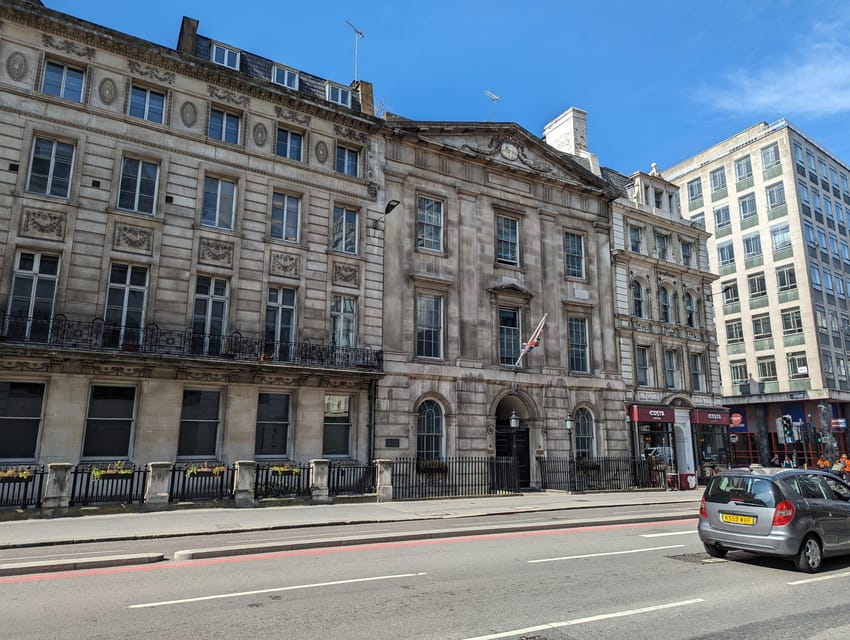
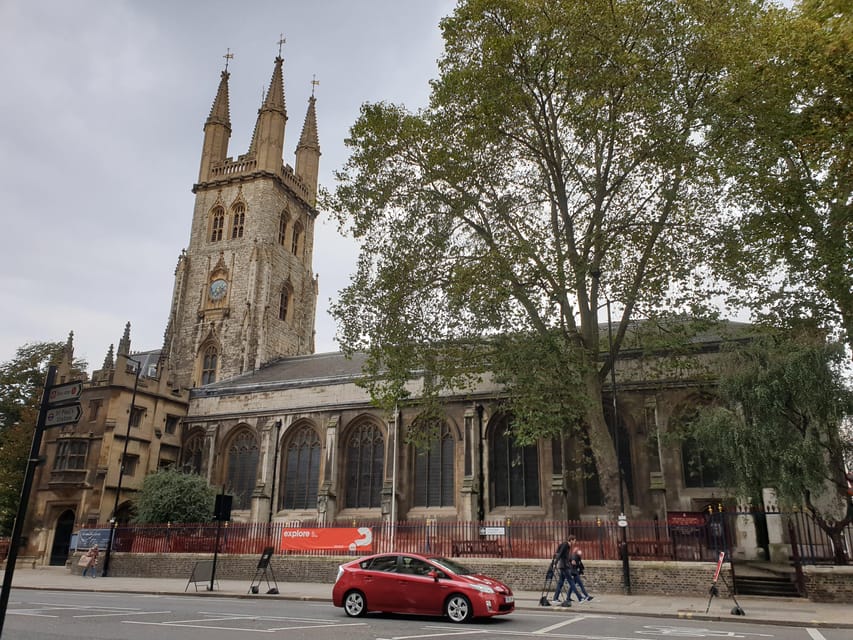
Between the big anchor points, you pass through places that give the walk texture. Stops like Staple Inn and Holy Sepulchre Church keep the city feeling real instead of turning it into only courts and crime.
These segments are short, yet they are useful. They add variety to your mental map and remind you that London history was not only paperwork and punishment. It also involved community spaces and religious life, which shaped daily routines for people who were not in the legal spotlight.
This is also where you can ask questions and get answers. With a group size capped at fifteen, you have a better chance of the guide addressing what you care about, not just what the schedule requires.
Price and Value for a Compact, Small-Group London Walk
At $26 per person for a roughly two-hour walk, this feels like solid value for London. You are paying for a live guide and a route that packs in multiple major stops without wasting time on travel logistics.
The best value piece here is the structure. A small group means you can keep the tone conversational, and the route gives you a lot of themed variety in a short time window. You also get to cover places many visitors never pair together: Saxon turmoil, Dickens sites, Freemasons, the Temple area, prisons, and silver all in one legible narrative.
The main reason someone might feel it is not enough is the short stop length. If you want long time in a single location, this is not that kind of tour. It is built for momentum and connections.
Who This Tour Fits Best
This is a good match if you:
- want a two-thousand-year overview without hopping between far-flung neighborhoods
- love literature and like seeing Dickens in the streets
- enjoy court and punishment history, presented in a walking, story-driven way
- are curious about London institutions, from law to fraternities to the Temple area
- like practical, guided orientation, where you walk away with a mental map
It might be less ideal if you:
- dislike walking about 2.5 miles
- prefer long museum-style visits over short guided stops
- want strictly family-friendly content, since it is not suitable for children under 13
Should You Book This London Squalor & Splendor Tour?
I’d book it if you want a compact, story-forward London route that genuinely connects different eras instead of treating them like separate museum tickets. The mix of Saxon turmoil, Oliver Twist locations, Freemasons’ Hall, Knights Templar themes, prison stops, and retail silver is unusual, and that variety helps the tour stay fun while still being grounded.
Skip it only if you know you need slow pacing. The format is quick stops and active listening. If you’re okay with that, you’ll come away with a sharper sense of how Holborn became one of London’s loudest crossroads for power, crime, and culture.
FAQ
How long is the tour?
The tour lasts about 2 hours.
What is the walking distance?
It covers about two and a half miles.
Where does the tour start and end?
It starts outside Covent Garden Station exit, where the guide is holding an Historic London Tours sign, and it ends at 36-37 New Bridge St, London EC4V 6BJ, near Blackfriars Station.
How many people are on the tour?
Ticket sales are limited to fifteen attendees.
Is the tour suitable for children?
No. It is not suitable for children under 13.
Can I cancel for a refund?
Yes. Free cancellation is available up to 24 hours in advance for a full refund.
More Tour Reviews in London
Not for you? Here's more nearby things to do in London we have reviewed










More London City Tours worth a look.
 ★ 4.6The London Eye Entry TicketTickets from $3935,875 guest reviews
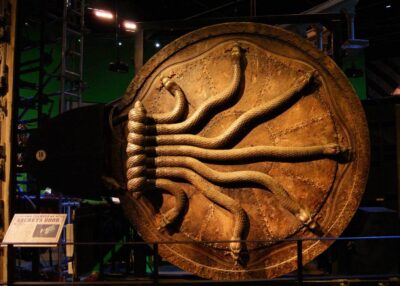 ★ 4.7From London: Harry Potter Warner Bros Studio TourTickets from $11726,588 guest reviews
Westminster to Greenwich River Thames CruiseTickets from $2222,836 guest reviews
Magical London: Harry Potter Guided Walking TourTickets from $2022,044 guest reviews
★ 4.7From London: Harry Potter Warner Bros Studio TourTickets from $11726,588 guest reviews
Westminster to Greenwich River Thames CruiseTickets from $2222,836 guest reviews
Magical London: Harry Potter Guided Walking TourTickets from $2022,044 guest reviews
 ★ 4.6Madame Tussauds LondonTickets from $3620,915 guest reviews
 ★ 4.5Stonehenge, Windsor Castle, and Bath from LondonTickets from $11118,662 guest reviews
 ★ 4.7Warner Bros. Studio Tour with TransfersTickets from $14417,586 guest reviews
 ★ 4.7Tower Bridge Entry TicketTickets from $2115,560 guest reviews