
REVIEW · BRITISH MUSEUM TOURS
Crash course in archaeology at the British Museum
London can be overwhelming, especially inside the British Museum. This crash course keeps you moving through the highlights with Rossa and his chronology that makes the collection feel understandable, not random. I especially like how he connects what you see to the bigger human story, from early tools to later empires.
My second favorite part is the focus on how we know what we know, including deciphering ancient scripts like Egyptian hieroglyphs and cuneiform. The one thing to consider is that this is not a see-everything museum marathon, so if your goal is to tick off every single highlight on your own, you may leave wanting more time in the galleries.
Key things to know before you go
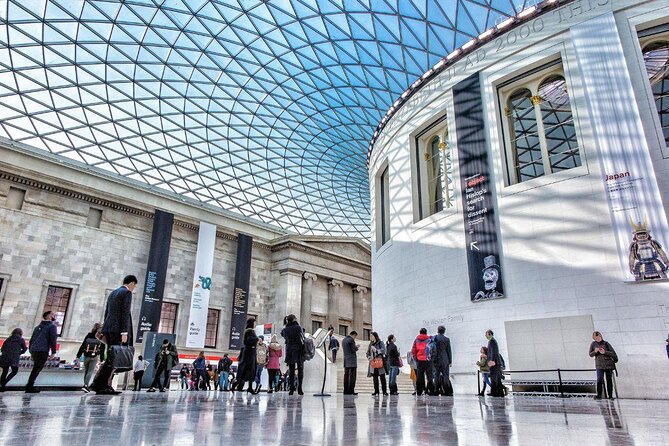
A guided archaeology timeline that ties far-flung cultures together in sequence
Script deciphering moments that explain how scholars cracked codes like hieroglyphs and cuneiform
Story driven highlights across Egypt, Assyria, Greece, Rome, plus Vikings and Aztecs
Museum navigation help that keeps you from feeling lost in four floors and two wings
- Practical comfort tips you will want, since the tour involves a lot of standing
Meeting Rossa at Russell Square and getting oriented fast
The experience starts at Russell Square, near Bernard Street, with a 9:45 am kickoff. You get a mobile ticket and a qualified archaeologist guide, and the tour runs in English. Group size stays under 25 people, which matters. You get enough structure to follow the story, while still having a human scale.
One detail I like for value is that the museum admission is effectively handled for you. The stop is the British Museum itself, and you are not spending your time figuring out entry lines and ticket types. Also, since it is a morning tour, you get your afternoon back afterward. That is a big deal in London, where you can easily fill the rest of the day with a different vibe, like a neighborhood walk, a market, or a second museum.
You can also read our reviews of more museum experiences in London



Why a timeline beats wandering in four floors
The British Museum is vast. Even if you love history, going in cold can feel like you are trying to drink from a firehose. This tour fixes that by giving you a clear sequence. You are not just looking at objects, you are learning how civilization changes over time, and how archaeology helps us reconstruct that change.
Rossa’s approach also helps you notice what you would likely walk past alone. One of the most common frustrations in big museums is that you see a lot but remember little. Here, the guide frames each stop with context, so your brain builds a map. That is especially helpful for people who have visited before and still felt like they were missing the connections between sections.
Timing also matters. The tour is about 5 hours long, with breaks worked into the day. It does move along, so you do not get stuck in one room forever. But you should expect some standing time, since each stop needs you to see the artifact in front of you.
Egypt and Mesopotamia, where deciphering turns into a story
If you only associate the British Museum with Egypt, you will still be in good hands, but you will not stay stuck there. Early on, the tour leans into the excitement of understanding ancient writing. Learning how Egyptian hieroglyphs and cuneiform were deciphered gives you a new lens. Suddenly, inscriptions are not just carved marks. They become evidence, like the museum version of a primary source.
This is also where the tour earns its name crash course in archaeology. You are not taking a textbook quiz. You are seeing objects and hearing how researchers turned puzzles into readable language. That is a very practical way to understand archaeology, because it shows that the work is not only digging. It is also translating, comparing, and rebuilding context.
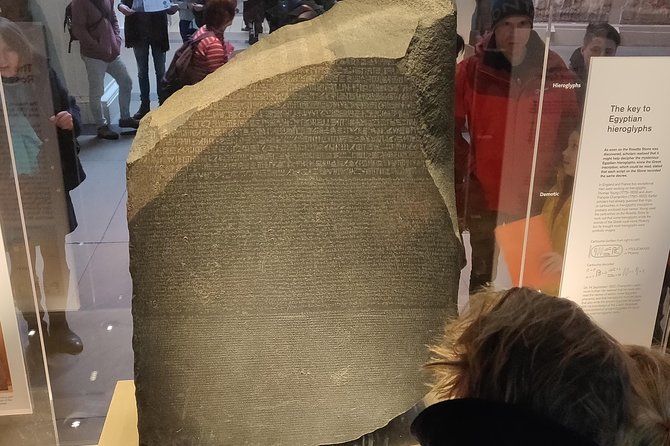
You also get myth and history tangled together in a useful way. The guide uses artifacts tied to big stories, like the Rosetta Stone, and connects them to how people in different eras recorded the world. Even if you are not a “writing systems” person, this part is one of the most memorable because it feels like problem solving.
From Assyria to Rome, plus Vikings and Aztecs
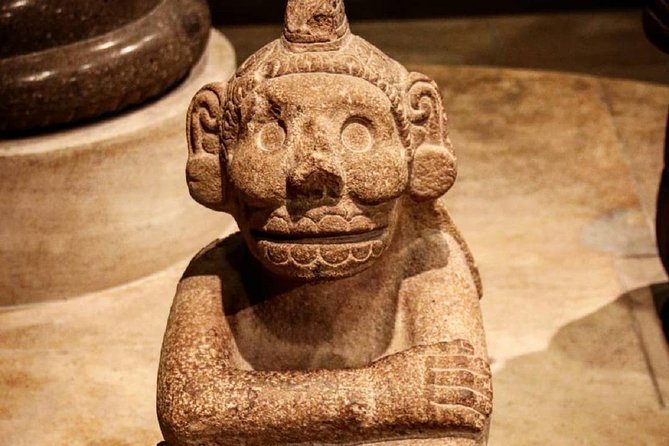
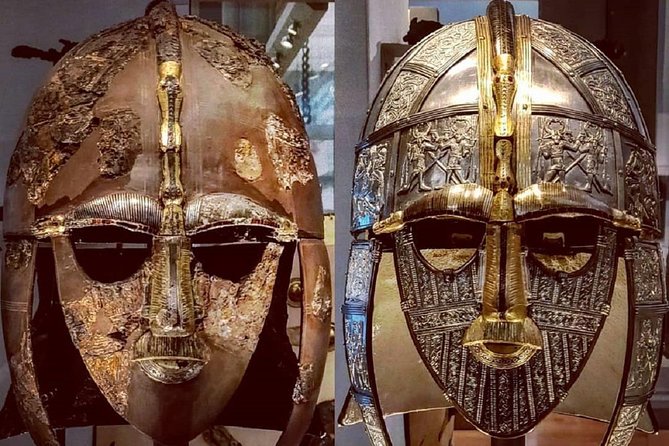
The tour does not stay in one lane. You move across major civilizations and you get a sense of what changes and what repeats. That includes stops tied to Assyria and Greece, and the Roman world. You also get Roman and later European stories alongside artifacts that would surprise you to find in the same place, including Vikings and Aztecs.
This wide sweep is not just for show. It helps you see patterns in how empires display power, how cultures trade ideas, and how collecting practices affected what survived and what was brought into museums. It can also correct an all-too-common museum habit, where you focus on one region and ignore the rest.
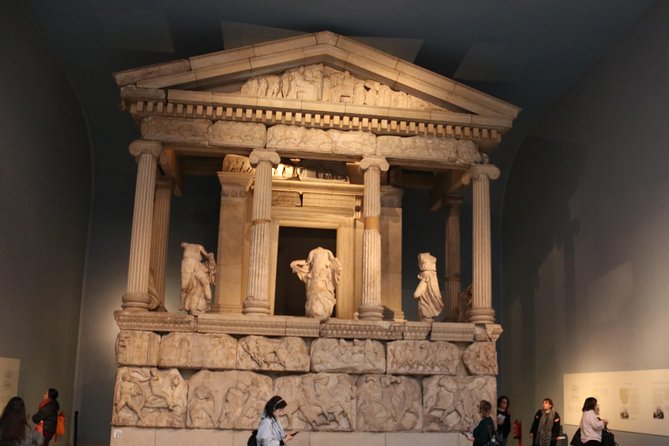
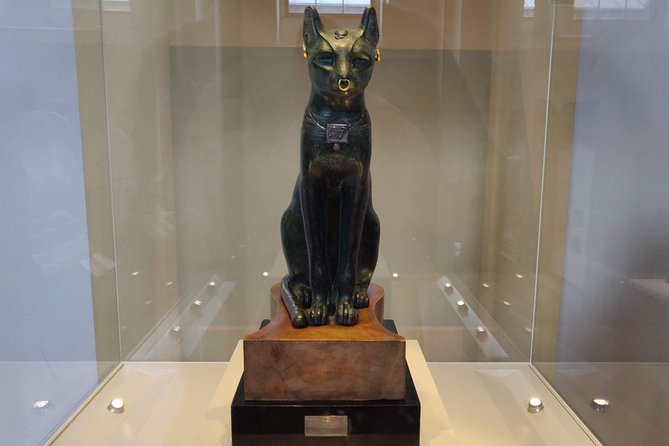
On the highlights side, the tour includes objects many people recognize even if they do not know the details. Expect stops like the Elgin Marbles and the Lewis Chessmen, along with references to analysis tied to places like Jericho. There is also a playful learning moment connected to Egyptian culture, including a mention of playing the Ur Egyptian dice game. That mix of serious and human keeps the day from turning into a single lecture with no air.
The British Museum collection, and the people behind it
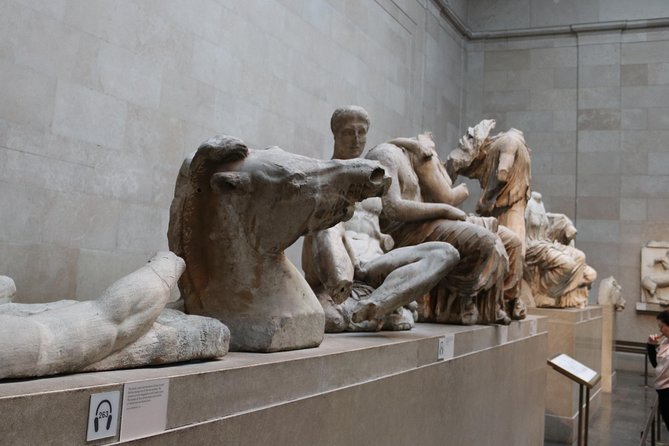
A museum is more than rooms and objects. It is people making choices across time. One of the strongest themes here is understanding how the collection got built, including the roles of archaeologists, relic hunters, and explorers. That matters because it changes how you interpret what you see.
You start to notice the difference between an object that was found and documented with care, versus one that entered the museum through older collecting methods that did not always value context the way modern archaeology does. You do not need to go full academic to get the point. The tour frames these careers and discoveries in plain language, and it helps you understand why provenance, discovery stories, and documentation are so central to archaeology.
The guide also sprinkles in side stories that make the museum feel alive, not sterile. In the course of the day, you might hear about figures connected to the collection, and you might catch mentions of evolving thinking about early human origins, including discussions connected to Ethiopia. These are not random facts. They are ways the guide shows archaeology as a living field where interpretations evolve.



Comfort and pacing: standing for 5 hours is real
Here is the practical truth. Even with breaks, you will do a lot of standing. People who are used to sitting through museum visits sometimes underestimate this. I recommend treating it like a guided walk, not a sit down lecture.
The best tip I can pass on is comfort-first. The museum offers folding stools, and grabbing one early can make a big difference. If you wait, you might still find one, but the day can feel longer. I would also plan to bring snacks. Lunch is not included, and museum food options can be limited and expensive, so your energy can depend on what you pack.
Also, expect some entry queueing. The guide may route the group in a way that keeps the wait manageable, but you should still assume there will be lines at some point. The good news is that the tour includes breaks, and the pacing includes time to reset your legs and your brain.
If you are someone who needs to sit often, you might feel the time. If you can handle a museum day but want structure, this tour is a strong fit.
Price and value: is $83.34 worth it?
At about $83.34 per person, you are paying for two things: access to the museum highlights and a specialist guide who connects objects into a story. The museum admission is free with the tour, and lunch is the only clear missing piece. That makes the math easier than it looks.
You can see the British Museum on your own for the price of your time and transport. But the value here is not the object count. It is interpretation. When Rossa points out why an artifact matters, you see more than the surface. You leave with a timeline in your head, plus concrete examples like the decipherment of scripts and the cross-cultural jumps to places like Assyria, Greece, Rome, Vikings, and Aztecs.
Another value factor is how long you get. Five hours is long enough for real context, but short enough that you still have a free afternoon. If you are in London for a limited window, that structure can be a better use of your time than trying to cover too much solo.
Finally, the tour is one stop, the British Museum. That keeps planning simple. You are not commuting between sites or losing time to logistics. You are inside one of the world’s best archives of human history, with a guide who knows how to turn that archive into something you can actually remember.
Who should book this crash course, and who should skip it
You should book this if you want an archaeology focused orientation to the British Museum. It is ideal for people who like stories with facts, people who want context for famous items like the Rosetta Stone and the Elgin Marbles, and people who enjoy the idea that deciphering writing is part of how archaeology unlocks the past.
You will also like it if you have visited before but felt lost. The tour acts like a “where do I start” solution by stitching together objects across galleries so you do not just end up with isolated memories.
If your goal is to see every major highlight on your own, you might not be satisfied. This is selective by design. You are learning while enjoying select objects, not trying to cover the entire museum in one day.
Should you book this crash course in archaeology at the British Museum?
Book it if you want a guided timeline that turns the British Museum from intimidating into manageable. The combination of an archaeology focused guide, script deciphering explanations, and a storytelling approach across Egypt, Mesopotamia, Assyria, Greece, Rome, plus Vikings and Aztecs makes it a standout way to spend your morning.
Skip it if you are mostly there for independent browsing and you need a low standing commitment. You can still enjoy the museum, but you may want to pair it with a second visit later, when you have more time to sit and wander.
If you do book, do two simple things: arrive ready for standing, and grab a folding stool early if you need one. Then bring a snack for the gap between your meals. After that, let the guide do the work of connecting the dots, and you will walk out with a clearer sense of how archaeology helps build the story of humans.
FAQ
How long is the tour?
It runs for about 5 hours and 30 minutes.
What time does it start?
The start time is 9:45 am.
Where does the tour meet?
It starts at Russell Square, Bernard St, London WC1N 1LJ.
Is lunch included?
No, lunch is not included.
Is British Museum admission included?
Yes, the British Museum admission ticket is free as part of the tour stop.
What language is the tour offered in?
The tour is offered in English.
What is the group size?
The tour has a maximum of 25 travelers.
Can I cancel for a full refund?
Yes. You can cancel up to 24 hours in advance for a full refund.
Are service animals allowed?
Yes, service animals are allowed.
More Museum Experiences in London


More Tour Reviews in London
Not for you? Here's more nearby things to do in London we have reviewed









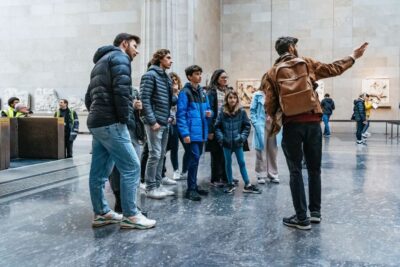
More British Museum Tours worth a look.
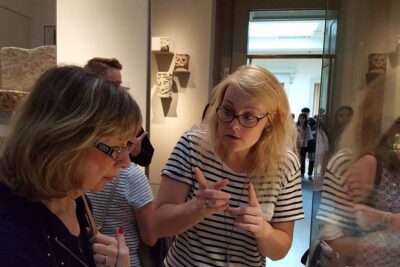
 ★ 4.3British Museum Guided TourTickets from $231,182 guest reviews
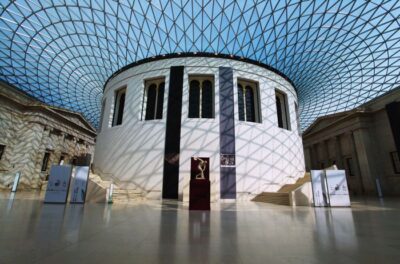
 ★ 5.0British Museum London Guided Tour Semi-Private 8ppl MaxTickets from $108984 guest reviews
 ★ 4.1Tour of the British MuseumTickets from $14678 guest reviews
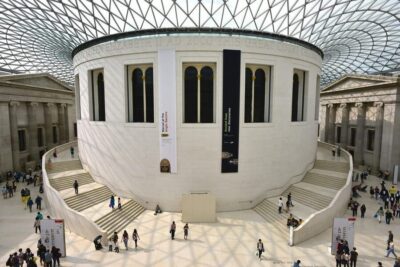 ★ 4.5British Museum Audio Tour & Priority Entrance TicketTickets from $9631 guest reviews
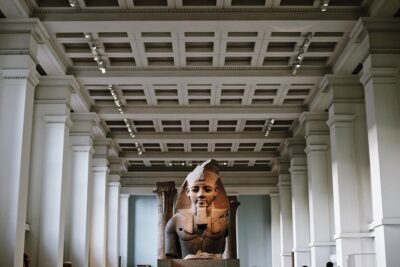 ★ 5.0The British Museum London – Exclusive Guided Museum TourTickets from $108555 guest reviews
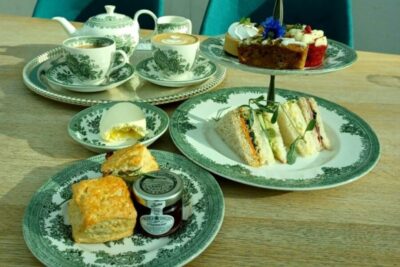 ★ 4.2Afternoon Tea at the British MuseumTickets from $58511 guest reviews
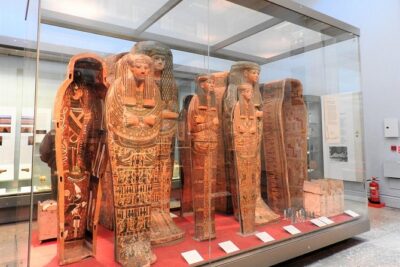 ★ 4.0British Museum Guided TourTickets from $18470 guest reviews
★ 4.5British Museum Guided TourTickets from $39267 guest reviews
★ 4.0British Museum Guided TourTickets from $18470 guest reviews
★ 4.5British Museum Guided TourTickets from $39267 guest reviews
Continue by place or experience