
Churchill’s London hits hard, on foot. This semi-private WWII walk in Westminster pairs quick landmark stops with an included visit to the Churchill War Rooms, where you see the machinery behind wartime decisions. You get a guide who brings the city’s scars and stories into focus, without turning it into a rushed bus tour.
I really like two things here. First, you stay in a small group (max 8), which means more back-and-forth and fewer “wait for the slowest person” moments. Second, the walking pace is built around short pauses, so you can stop for photos and actually read what you’re standing in front of.
One drawback to plan for: this is a short, continuous outing, with no bottled water and no comfort breaks or refreshments listed. If you get easily thirsty, bring your own water and wear comfortable shoes for this 3-hour stretch.
Key reasons this walk works so well
Small-group format that keeps questions alive
Frequent photo stops across Westminster’s WWII landmarks
Churchill War Rooms time in the spotlight (1.5 hours)
A guide that can add humor, like singing or statue jokes
Straightforward tour length, around 3 hours total
A semi-private Churchill walk that moves at human speed
Westminster can feel like a postcard that never ends. This tour helps you read it instead, by linking the big-name landmarks to the WWII story you came for. The result is practical, not performative, and it is ideal if you want a guided path through the places where Churchill’s Britain thought, fought, and mourned.
You also get a semi-private setup, max 8 people. That matters because so many London history tours end up as a herd. Here, you can hear the guide, you can ask questions, and you do not have to keep looking over your shoulder for the group. If you are the type who likes your history with context, that is a win.
Guides seem to bring their own style too. Some recent tours have featured guides like Alex, Judd, Rosie, Marnie, and Amber, with comments praising everything from clear storytelling to wit. One guide was even noted for singing while the rain was coming down, which tells you the tone is lively, not stiff.
You can also read our reviews of more private tours in London


Price and what you truly get for $115.16
At $115.16 per person, this is not a budget walk. The value comes from what is included and how much time you spend where it counts. You pay for the guide time across key WWII-related sites, plus entry to the Churchill War Rooms.
War Rooms is the heavyweight here, with 1.5 hours inside. Without included admission, this would be just another Westminster stroll. With admission included, you are buying a guided route to major WWII points and then sitting down with a museum that is famously intense in its details.
You should also know what is not included. No bottled water, and there are no comfort breaks or refreshments listed. That is not a dealbreaker, but it does mean you should plan like a city walker, not like a day-trip bus passenger.
If you like planning ahead, note that this is often booked about 46 days in advance on average. That is a sign it sells, especially around peak travel periods.
Starting at the Battle of Britain Monument, then firing up your WWII lens
The tour kicks off at the Battle of Britain Monument on Whitehall, at 79 Whitehall. It is a smart opening move. Before you chase landmarks, you start with the story of how Britain met the Nazi threat in the air. You get a focused intro to the Royal Air Force, including the valour and skill needed to hold the line.
Stop time is about 10 minutes, so do not expect a lecture. Think of it as setting your mental dashboard: who was fighting, why it mattered, and what London would become over the next years. If you have any interest in how wartime leadership shaped daily life, this start gives you the thread you will keep seeing as you move through Westminster.
Big Ben and the Blitz, a quick stop with a big emotional punch
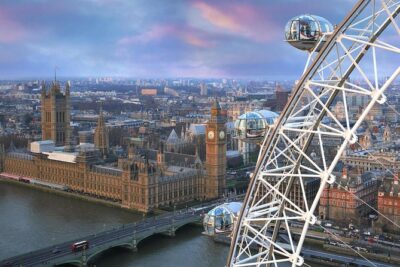
Next comes Big Ben, also about 10 minutes. You get the iconic view, then you get the wartime angle: how it was damaged during the Blitz.
This is one of those pauses that can feel too short if you are hunting for a photo shoot. But as part of the walking flow, it works. You go from one WWII lens to the next, and each landmark adds a new layer: air defense first, then the impact on the city itself.
If you are photographing, aim to turn your head slightly beyond the tower. In this area, the background matters because the WWII story is about how the city absorbed damage and kept functioning.
Churchill War Rooms entry that deserves your full attention
The highlight for most people is Churchill War Rooms, with about 1.5 hours inside. This is where the experience stops being a walk and becomes a time capsule. The tour description frames it as the center of operations in WWII, and the museum is designed to feel like you stepped into a preserved 1940s workspace.
A key practical detail: your guide does not join you inside. Instead, you receive an audio guide for the museum visit. That can actually be a good setup. It lets you move at your pace inside, linger where you want, and not feel trapped in a group schedule while you look at rooms that reward close attention.
What I like about this structure is that the day’s storytelling continues, but the museum becomes interactive in a different way. You can follow the big themes first, then come back for the smaller details that make War Rooms feel so real.
If you tend to read every placard, give yourself time to do it here. The War Rooms are the place where the story has layers, and 90 minutes is enough to get past the headline moments and still notice what makes the site memorable.






Parliament Square and Whitehall, where symbols do the talking
After War Rooms, the walk keeps rolling with more grounding stops.
Parliament Square is next, about 10 minutes. This is a face-to-face moment with the most legendary Churchill statue in the area. Even if you have seen Churchill memorials before, standing here connects the person to the political stage, not just the war command.
Then you move into Whitehall, about 20 minutes. This is the political heart of London, and you are shown memorials tied to wartime sacrifice. A longer stop here makes sense, because Whitehall is crowded with meaning and you need a few extra minutes to absorb it without rushing.
Cenotaph, Houses of Parliament, and Horse Guards Parade, a three-part feeling
From Whitehall, you reach the Cenotaph, about 10 minutes. It is a memorial to all soldiers who fought and died in war. This stop has a different tone than the statue moments. It is quieter, more reflective, and it grounds the Churchill story back into the human cost.
Then you head to the Houses of Parliament, about 10 minutes. The focus here is specifically on how Churchill helped rebuild the destroyed House of Commons building. This is a useful detail because it shifts you from wartime damage to post-damage rebuilding, showing leadership as more than just crisis decisions.
Next is Horse Guards Parade at Whitehall, again about 10 minutes. You stand at the site of military parades, and you hear about Churchill’s life in the cavalry. That cavalry link matters because it reminds you he had a wider military background than people sometimes assume. It connects his early experiences to the later wartime leadership you see in War Rooms.
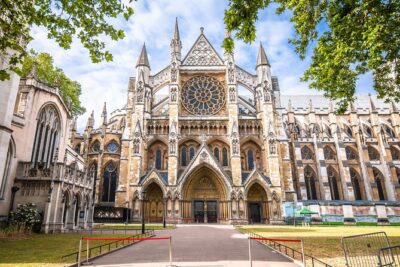
Westminster Abbey, nearly 1,000 years old and attacked by Nazis
The walk ends at Westminster Abbey, about 10 minutes. It is introduced as England’s coronation church and described as nearly 1,000 years old, which sets the scale. Then the wartime link returns with a detail that the abbey was attacked by the Nazis.
Even though the stop is short, it works as a capstone. You started with wartime defense and London under attack, and you end with an old institution caught in the same conflict. That contrast is part of why this route feels so London.
If you are the type who likes to understand a place’s “layers,” you will probably appreciate the arc. It is not just names and dates. It is continuity, even through disruption.
What the guide experience feels like on the street
The tour is built around a guide who is passionate and friendly, with stories that connect plaques and monuments into one thread. Multiple guides have been praised for clear, engaging explanations, and some have been noted for being witty or even musical.
That matters because WWII sites can become overwhelming if they are just facts. A good guide turns the facts into a narrative you can carry back to your hotel. Based on what you can expect from recent guides such as Alex, Judd, Rosie, Marnie, and Amber, the style leans toward storytelling with personality, not lectures.
Also, because the group is capped at 8, you are not just a listener. You can ask questions and stay synced with the pace. That makes it feel like a conversation with a local historian who actually cares about Churchill and Westminster.
Logistics you should plan for before you go
This is a walking tour through central Westminster. Stop times are short at most landmarks, and the total duration is about 3 hours. That combination is why the tour sells as easy and efficient: you cover major sights without dragging the day out.
It is offered in English, and you get a mobile ticket. That helps because you are not juggling printed vouchers while navigating crowded streets.
You will also be told there are service animals allowed, and the tour is near public transportation. Most travelers can participate, but it still makes sense to assume you will be on your feet for most of the experience.
Most importantly, remember the comfort factor. No bottled water and no refreshments or comfort breaks are listed. If you want to enjoy the War Rooms visit without rushing back, start hydrated and plan your restroom stop outside the tour.
Who should book this Churchill and Westminster in WWII tour
This tour fits best if you want a focused intro to Churchill-era London without spending your whole day in one museum. It is also ideal if you are visiting for the first time and want a guided route that ties together the “big dots” (Big Ben, Parliament area) with the real WWII core (Churchill War Rooms).
If you are traveling with teens or history-minded adults, the pace and short stop lengths can work well. If you get bored by long museum lectures, the walking segments keep you moving, then War Rooms gives you the payoff.
Where it might not fit as well is if you want long, deep time at each site. You get short visits at most landmarks by design. War Rooms is the exception, and that is where you should focus your patience.
Should you book this tour?
Yes, if you want the best of both worlds, a Westminster walk that explains why the city remembers WWII and a Churchill War Rooms visit that lets you see the wartime command center up close. The small group size and the inclusion of War Rooms admission make it a strong value for history-focused travelers.
Book it especially if you like guides who tell stories with personality, because the tour seems to reward that kind of attention. And if you are sensitive to comfort needs, just come prepared with water and good shoes, since the tour does not plan for breaks.
If you are choosing between this and a purely self-guided War Rooms visit, I would lean toward this walk. You are not just seeing Churchill’s bunker, you are also understanding the wider Westminster context around it, all on foot.
FAQ
How long is the semi-private Churchill in Westminster and War Rooms tour?
It runs for about 3 hours.
Is the Churchill War Rooms ticket included?
Yes, entry to Churchill War Rooms is included.
Does the tour guide go into the Churchill War Rooms with you?
No. The guide will not join you inside, and you receive an audio guide instead.
Are there comfort breaks or refreshments during the tour?
No bottled water is included, and there are no comfort breaks or refreshments listed.
How large is the group?
The maximum group size is 8 travelers.
What if the weather is bad?
This experience requires good weather. If it is canceled due to poor weather, you will be offered a different date or a full refund.
More Private Tours in London



More Tour Reviews in London
Not for you? Here's more nearby things to do in London we have reviewed









More Westminster Tours worth a look.
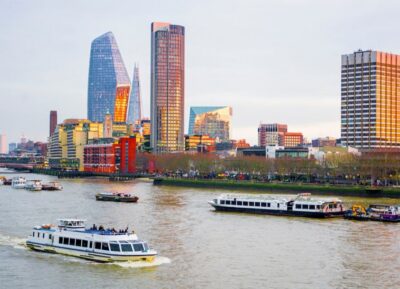 ★ 4.5Westminster to Tower Bridge River Thames CruiseTickets from $186,127 guest reviews
 ★ 4.5Westminster to Greenwich Sightseeing Thames Cruise in LondonTickets from $222,969 guest reviews
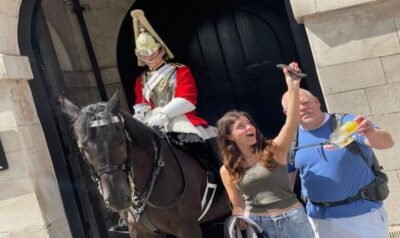 ★ 4.5Westminster and Changing of the Guard TourTickets from $242,171 guest reviews
 ★ 4.8Westminster Abbey, Big Ben & Buckingham Guided TourTickets from $1012,170 guest reviews
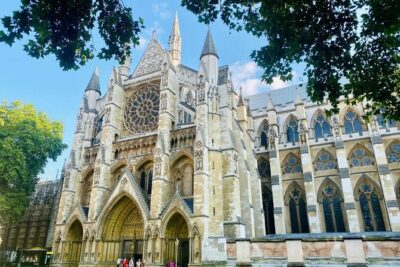 ★ 5.0Westminster Guided Walking Tour with Abbey EntryTickets from $1221,282 guest reviews
 ★ 4.5Walking Tour of London Westminster Abbey, Big Ben, BuckinghamTickets from $951,213 guest reviews
 ★ 5.0Westminster 3 Hour Walking Tour and Visit of Churchill War RoomsTickets from $135967 guest reviews
Continue by place or experience