
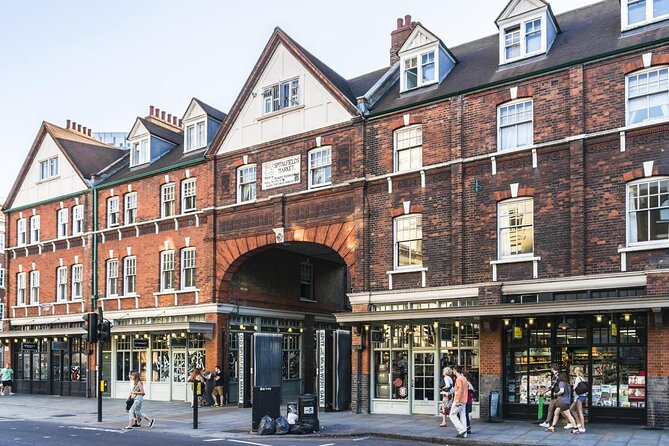
REVIEW · LONDON CITY TOURS
Walking Tour around Spitalfields in the East End of London
Spitalfields has its own pulse, and this walk shows it. In about two hours, you move through the East End like a local, picking up how Christ Church Spitalfields and its neighbors connect faith, work, and migration. You get a small group capped at 5 people, so the guide can point out details you would otherwise miss.
I especially like the storytelling built around real people, not just dates, and I love that the tour ends with a calm break: tea and cakes made to a 1720 recipe in an 18th-century drawing room. One drawback to plan for: it is about two hours of walking and standing, so it is not ideal if you struggle with that pace.
Key highlights worth showing up for
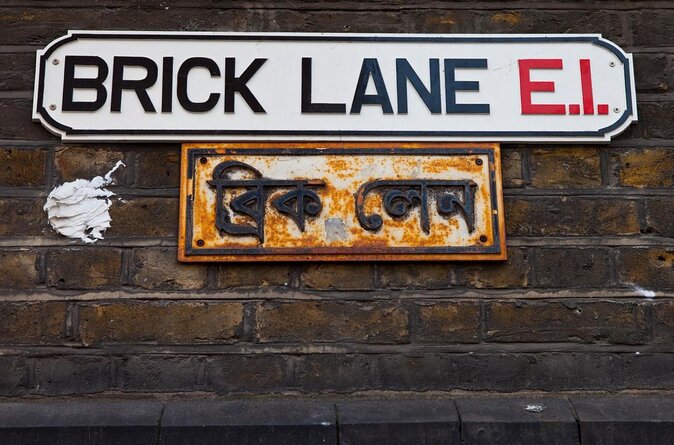
- Nicholas Hawksmoor at work nearby, with English Baroque details you can actually look at up close
- Jewish immigrant stories tied to an East European era, told with care and context
- Old-market clues and a medieval survival, explained so you understand the purpose, not just the fact
- A place that changed faith over time, from a Huguenot Chapel into a Synagogue, then a Mosque
- Nicholas Culpeper’s herb garden, a practical link to a 17th-century herbalist
Walking Spitalfields, the East End that feels lived-in
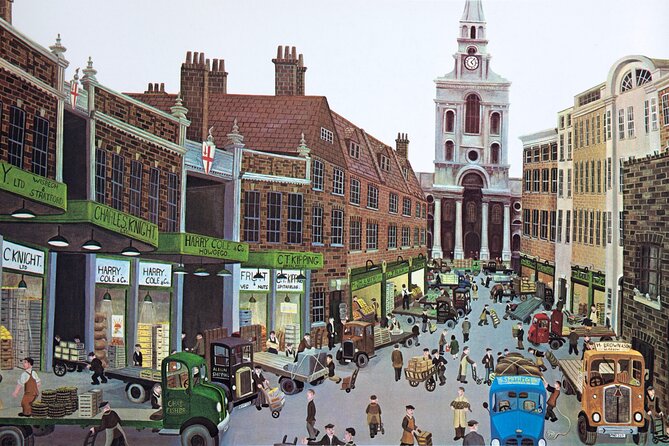
This is the kind of London walk that helps you reset your idea of what the city is. Instead of marching from one famous photo spot to the next, you slow down and learn how this neighborhood shaped people, and how people reshaped the neighborhood.
What makes it work is the format. You go on foot, you stop often, and you focus on the finer details. And since the group is capped at 5, it stays conversational rather than like a lecture you are trying to escape.
You can also read our reviews of more walking tours in London


Price and what you get for $90.28
$90.28 for roughly two hours sounds steep at first glance, but it includes more than narration on a sidewalk. Your money also buys small-group attention, guided stops at meaningful sites, and an end-of-tour sitting break with tea and cakes made to a 1720 recipe, served in an 18th-century drawing room.
This matters because London tours can feel like you pay for time only. Here, the value comes from a guided route that adds up, plus the included admission ticket for that final room, which gives you a real pause instead of a rushed photo and goodbye.
If you like learning by walking and you enjoy stories that connect architecture to everyday lives, this price starts to make sense fast.
Starting at Christ Church Spitalfields, where the baroque grabs you first

You meet at Christ Church Spitalfields on Commercial Street (E1 6LY) and the tour starts at 2:00 pm. From the beginning, you are in the right frame of mind: this is not just a church you pass, it is one you look at.
Nicholas Hawksmoor’s work is the opening theme, and that sets the tone. You are guided to notice what makes English Baroque feel distinct in this part of town, and you get context for why this church matters in Spitalfields specifically.
Practical tip: since you are starting in the afternoon, you can usually get there without fighting the morning rush. Still, leave time to find the exact meeting spot, then settle in before the walk starts.
Nicholas Hawksmoor’s English Baroque, with details you can actually see
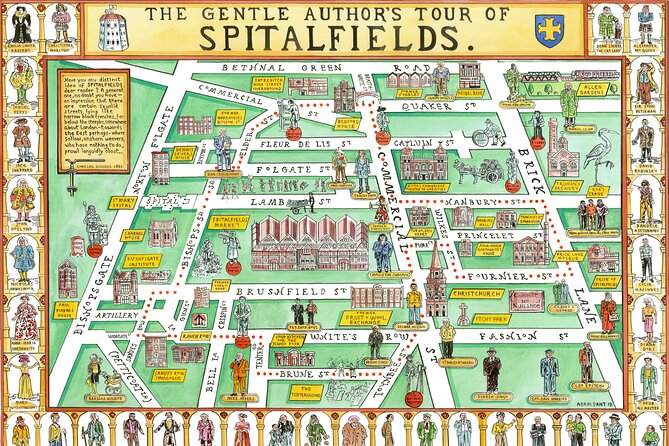
The Hawksmoor stop is the anchor. You are not just told that the building is important. You are directed to look at features that make the style readable, even if you do not consider yourself an architecture person.
This is where the “why” approach pays off. When you understand what the design is trying to do, you stop seeing it as decoration and start seeing it as communication, built for the people who lived around it.
And because it is early in the route, your eyes wake up for the rest of the neighborhood. You will likely start spotting patterns and layers as you go.
Jewish immigrants and an institution that met real needs
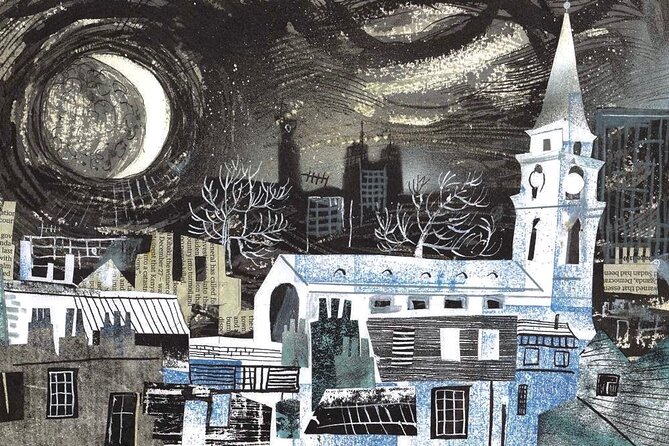
One of the most moving parts of the walk centers on Jewish immigrants who came from Eastern Europe, an area now associated with Ukraine. You hear about the institution’s role, and you also get a sense of the everyday life behind the labels.
This is not history as a distant museum wall. It is history as lived obligation, where people worked to meet needs and where families arrived carrying hopes, language, and trauma.
If you are the kind of traveler who likes stories that make you slow down, this stop does that job. It also helps you understand why Spitalfields has such strong faith and community threads woven through it.






Spitalfields Market and a medieval survival with an unexpected purpose
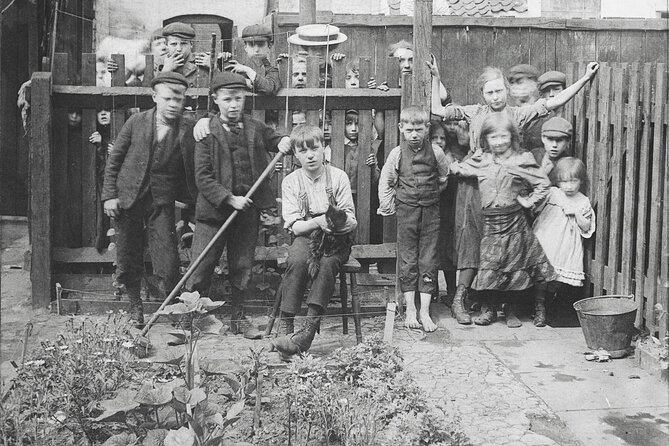
You then move from community support into neighborhood commerce, learning the story of an ancient market. Markets have always been more than shopping. They are places where languages mix, food appears, bargains get made, and politics show up in small ways.
Next comes a “medieval survival,” and the key is that it is explained as something functional. Instead of treating it like a curiosity, you learn what it was for and how it kept serving a changing area.
This is the difference between seeing old buildings and actually understanding how the past kept working.
The site of the Priory of St Mary Spital

Walking around Spitalfields means you are never far from reminders that this place existed long before modern London found it. Visiting the site of the Priory of St Mary Spital gives you that longer timeline.
What I like here is that you are not forced to memorize a list of dates. You are guided to connect the priory to what happened later, especially how the neighborhood evolved into a dense mix of faiths and work.
This is a good stop for travelers who want grounding. It gives context for why later structures and institutions make sense where they do.
Two women and the brewery story, plus a street with ongoing debate
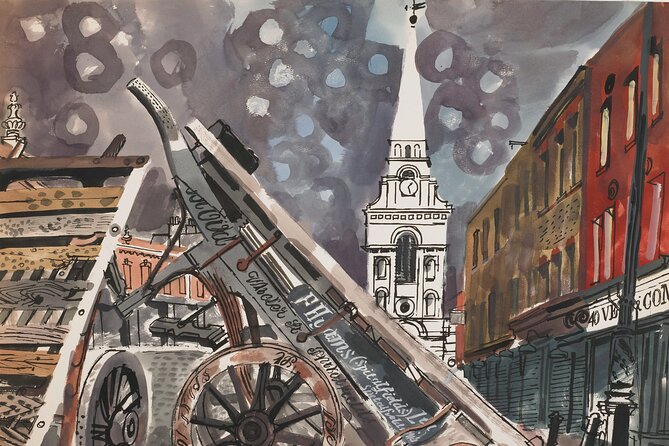
At some point, the tour shifts from places to people, using the lives of two women tied to the brewery story. This is one of those moves that makes history feel personal without turning it into melodrama.
You get a sense of how work shaped daily routines, and how people built their survival around institutions that kept running. It is a reminder that industry is also a human story.
Then you hear about a famous thoroughfare and the ongoing controversy over its future. This part is useful because it connects past and present. You are not only learning what changed, you are learning why people still argue about what should change next.
A Huguenot Chapel that became a Synagogue, then a Mosque
One of the most fascinating architectural moments on the route is a building emblematic of Spitalfields change. You visit a Huguenot Chapel that became a Synagogue and later became a Mosque.
That one sentence is a whole lesson in how cities evolve. Rather than treating religious spaces as fixed forever, you see how communities adapt the same physical setting for new spiritual needs.
I like this stop because it makes London’s multicultural story feel grounded. You can stand in one place and understand three chapters of the area’s identity, without needing to hop across the city.
Fine eighteenth-century houses and the clues behind them
You also spend time on the story behind the area’s fine eighteenth-century houses. This is where Spitalfields becomes more than gritty street photos.
The guide connects architecture to the neighborhood’s social changes and to the kinds of lives that could exist here. Even if you do not stop to admire every facade, you start recognizing how streets and buildings broadcast status, work, and aspiration.
Nicholas Culpeper’s 17th-century herb garden
Then you get a quieter, more sensory stop: the herb garden of the 17th-century herbalist Nicholas Culpeper. This is a great change of pace after churches, markets, and industrial stories.
Herbs are practical. They belong to kitchens, remedies, and daily routines. So the stop helps you understand history as something people used, not just something they built.
If you like gardens, plants, or the idea of medicine before modern pharmacies, you will enjoy this part more than you might expect.
Tea and cakes in an 18th-century drawing room, plus a 1720 recipe
The tour ends with you putting your feet up in an 18th-century drawing room that overlooks Christ Church Spitalfields. You enjoy tea and cakes made to a recipe of 1720, with the admission ticket included.
This is smart tour design. Two hours is enough for your brain to collect facts and questions, and then you get a calm moment to process it all. It also turns the ending into a memory, not just a location where the guide says thanks and you walk away.
If the weather is good, this is a particularly lovely way to finish, because you are not hurried back out into the street. You are sitting, talking, and looking at the church from a different angle.
Logistics that actually matter for this walk
This is offered in English and uses a mobile ticket. The group is small, maximum 5 travelers, which is a big deal for questions and pacing.
The tour is near public transportation, which makes it easier to combine with other East End plans. The one serious planning point is timing and movement: it is not recommended if you cannot stand and walk for two hours.
Also, you should plan for the tour to run when weather allows. This experience requires good weather, so if it is canceled, you are offered a different date or a full refund.
Who this Spitalfields walking tour suits best
I think this works especially well if you want:
- a small-group London experience with room for questions
- a story-first route that links faith, work, and architecture
- a calmer ending with tea and cake instead of a hard stop on a busy corner
It is also a good choice for travelers who find big sightseeing bus tours tiring. Here, you cover less ground, but you understand more of what you see.
If you are in a hurry or you cannot handle two hours of walking and standing, skip it. You will spend the time thinking about pain instead of people and place.
Should you book this Spitalfields walk?
Yes, if you like history that reads like real life, with a guide who ties buildings to the people who used them. The combination of Nicholas Hawksmoor’s baroque starting point, the layered faith story of the Huguenot Chapel, and the included 1720-recipe tea break makes this more than a typical stroll.
I would not book it only if you are not comfortable with walking for about two hours. Otherwise, this is one of those London experiences where the East End feels personal fast.
FAQ
Where does the tour start?
The tour starts at Christ Church Spitalfields, Commercial St, London E1 6LY, UK.
What time does it start?
It starts at 2:00 pm.
How long is the walking tour?
It is approximately 2 hours, including a 30-minute stop for the townhouse tea and cakes.
How much does it cost?
The price is $90.28 per person.
Is the tour offered in English?
Yes, it is offered in English.
How big is the group?
The tour has a maximum of 5 travelers.
Do I get a mobile ticket?
Yes, the tour includes a mobile ticket.
Is the tour wheelchair or mobility accessible?
Most travelers can participate, but it is not recommended for travelers who cannot stand and walk for two hours.
Are service animals allowed?
Yes, service animals are allowed.
Is there free cancellation?
Yes, you can cancel for a full refund up to 24 hours in advance of the experience start time.
More Walking Tours in London



More Tours in London


More Tour Reviews in London
Not for you? Here's more nearby things to do in London we have reviewed









More London City Tours worth a look.
 ★ 4.6The London Eye Entry TicketTickets from $3935,875 guest reviews
 ★ 4.7From London: Harry Potter Warner Bros Studio TourTickets from $11726,588 guest reviews
Westminster to Greenwich River Thames CruiseTickets from $2222,836 guest reviews
Magical London: Harry Potter Guided Walking TourTickets from $2022,044 guest reviews
★ 4.7From London: Harry Potter Warner Bros Studio TourTickets from $11726,588 guest reviews
Westminster to Greenwich River Thames CruiseTickets from $2222,836 guest reviews
Magical London: Harry Potter Guided Walking TourTickets from $2022,044 guest reviews
 ★ 4.6Madame Tussauds LondonTickets from $3620,915 guest reviews
 ★ 4.5Stonehenge, Windsor Castle, and Bath from LondonTickets from $11118,662 guest reviews
 ★ 4.7Warner Bros. Studio Tour with TransfersTickets from $14417,586 guest reviews
 ★ 4.7Tower Bridge Entry TicketTickets from $2115,560 guest reviews