
REVIEW · LONDON CITY TOURS
The Original London Street Art Tour
East London looks different after a street art walk. This 2 hour guided stroll turns Brushfield Street, Old Spitalfields Market, Brick Lane, and Shoreditch High Street Station into an outdoor gallery with stories you can actually use as you wander on your own. You also get a professional guide and a route that keeps you moving on foot, with lots of quick stops so you can photograph without fuss.
What I love most is the insider angle. Guides like Eva, Josh, Gabby, Laura, and Natalie bring an artist’s eye, not just trivia, so you start seeing style, technique, and intent. Second, you get frequent pauses to look closely and take pictures, and you do not have to map your way through side streets or parking lots to find the next piece.
One thing to consider is timing and meeting up. The walk depends on being at the start on time, and the route can shift to catch the best new work, so if you arrive late or you miss the meet point, you may have to work harder to reconnect.
Key highlights worth planning for
- Local artist guides explain meaning, style, and culture, not just what the art shows.
- Easy route, no navigation stress since the guide leads the way turn by turn.
- Frequent photo stops so you can snap on foot without delays.
- East End focus on graffiti and street art around Brick Lane and Shoreditch.
- Small group size (max 18) helps the tour feel more personal as you move.
- Free to see the stops since there are no paid museum admissions on the itinerary.
First steps on Brushfield Street, then the art starts talking
The tour starts at a real-world street corner in East London, at I GoatBrushfield St, London E1 6AA, and it ends at 19 Hessel St, London E1 2LR. That matters because you are not hopping between far apart attractions. You are walking a compact loop through neighborhoods where street art is part of daily life, so the “museum” is out where people actually live.
The meeting point is also a practical moment to get your bearings. You will want your phone handy for the mobile ticket and any meeting point directions you receive at booking. If you are the type who likes to arrive early, this is a good fit, because the start time is where the group truly forms and then moves as one.
What I like about this structure is that it reduces decision fatigue. Street art spots can be hit-or-miss when you are self-guiding. Here, you get a guided route that balances famous walls with the stuff that usually hides in plain sight.
More London tours and experiences for the shortlist



Old Spitalfields Market and Brushfield Street: the warm-up gallery
Stop 1 is Old Spitalfields Market, with a walk down Brushfield Street to introduce you to what you are about to see. This is a smart first segment because it sets the visual language early. Before you reach Brick Lane, you learn how to read what you are looking at, like whether a piece is meant to be seen up close or from the sidewalk.
You get about 20 minutes at this first stop, and there is no admission cost here. The practical value is that you start with a low-pressure look. You can take a few photos, test your focus, and get comfortable with the pace. If you are new to street art, this “warm-up” approach helps a lot.
A possible drawback is that this part can feel quick if you love lingering at one wall. The tour is designed to keep moving and stop frequently, but it is still a 2 hour experience, so you will want to prioritize which pieces matter most to you as you go.
Brick Lane street art: why the meaning hits harder with context
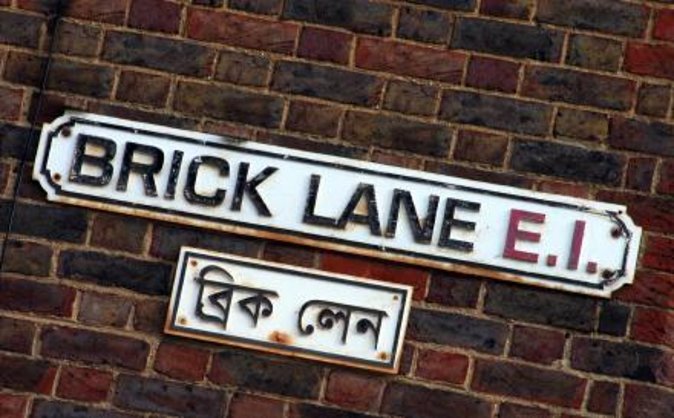
Stop 2 is Brick Lane, and the guide takes you along Brick Lane and nearby streets to show both well-known and less obvious works. This is the core of the trip, with about 30 minutes dedicated to the area.
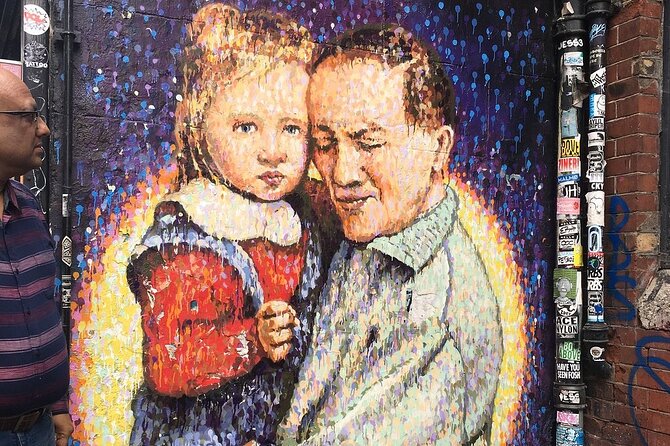
Brick Lane is famous for a reason, but the tour makes the difference between seeing street art as decoration versus seeing it as communication. With an art-minded guide, you start noticing patterns in how tags, murals, paste-ups, and layered pieces work together. You also hear why specific styles show up where they do, and how the local culture and history shape what gets made.
One useful takeaway from the guides is the way they describe techniques and categories. You might learn terms tied to street art methods like slap and paste art and how tagging can function differently from a fully designed mural. Even if you do not remember every term, you will remember the feeling: the art has intent, not just visuals.
The timing here is also practical. You are on foot, so you can stop whenever your curiosity clicks. You do not need to worry about parking or rerouting to hunt down the next spot.
Shoreditch High Street Station (Stop F): quick stories with big payoff
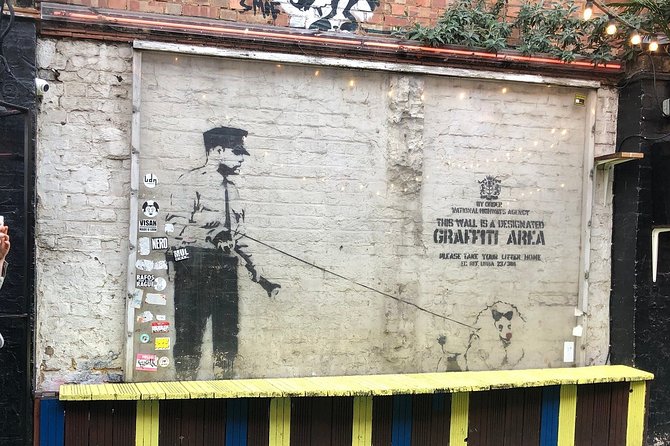
Stop 3 is Shoreditch High Street Station, listed as Stop F, with about 20 minutes. This segment often works like a snapshot of the neighborhood’s street art “conversation.” The guide points out more pieces and shares anecdotes about the history and culture of street art in the area.
What makes this stop valuable is perspective. You are not just looking at a wall straight on. You get guidance for where to stand, how to view details, and how to connect what you see to the wider scene around Shoreditch.
If you like art that changes with the times, this is the part that can feel especially fun. Street art is never frozen. Even within a short walk, you can sense how the area evolves, and the guide’s stories help you understand that it is connected to people, identity, and local expression.
What your guide adds, and why it changes how you see London
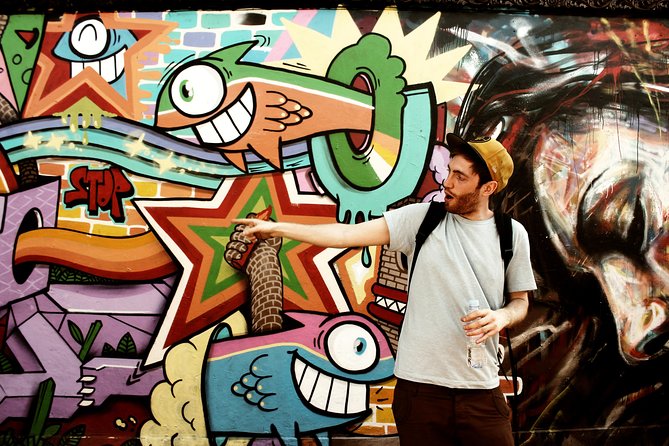
A big reason this tour has such a strong reputation is the type of guide it attracts. Many of the guides are artists themselves, which means you get explanations that feel practical. The tone tends to be friendly and a bit playful, because street art is not stuffy. It is made to be seen.
You can expect the guide to help you read street art in a few ways:
- Style and technique cues: you learn to spot what looks more like tagging versus larger mural work, and how layers can build meaning.
- Meaning and context: you do not just hear what a piece depicts, you hear why it shows up there and what it might be saying.
- Local history connections: the neighborhood stories add weight to what you are seeing, especially around East London’s art scene.
- Street art culture basics: you may pick up the difference between graffiti and other street art mediums, and why some pieces stay visible while others feel more camouflaged.
That last one matters for your independent exploring after the tour. Once you know what to look for, you start noticing street art on your own in places you would normally pass by.






Pace, group size, and photo-friendly stopping
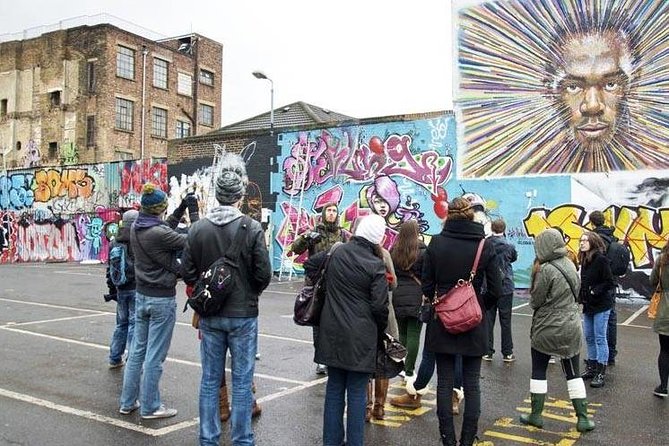
This is a 2 hour walk with frequent stops, and the group size caps at 18 travelers. For a walking tour, that is an important detail. Small enough for questions, big enough that you still have energy in the group.
The pacing is built for real street art looking, not just speed-walking past walls. You will stop often enough to take photos and to get close to details. You also avoid one common problem with self-guided tours, which is spending time figuring out where to go next. Here, the guide handles the route, and you spend your attention on the art.
One caution: if you prefer ultra-small tours, you may want to plan around that. The group size is still under 18, but a smaller personal bubble is hard to guarantee on any walking tour.
Price and value, with a reality check
At $27.73 per person for about 2 hours, this tour lands in the mid-range of what you might pay for a guided neighborhood walk in London. The value comes from two things.
First, the stops include places where street art is genuinely part of the scenery: Old Spitalfields Market, Brick Lane, and Shoreditch High Street Station. Second, there is no admission fee for the stops listed, so you are paying mainly for the guide and the time you would otherwise spend figuring it out yourself.
Is it worth it? For me, yes, if street art is on your interest list and you want more than photos. If you only want a quick taste and you are happy self-guiding, you might spend that money elsewhere. But if you like learning the “why” behind the “what,” the guide-led format makes the price feel fair.
Weather, shoes, and who this tour fits best
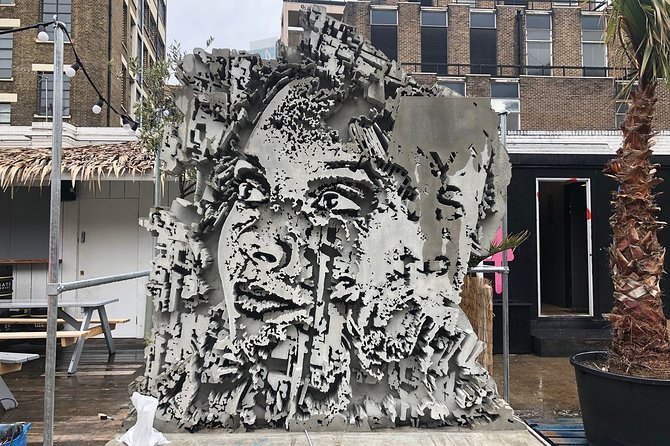
This activity runs in all weather conditions, so you should dress for it. In London, that usually means planning for rain and cool wind at street level, even if the forecast looks fine earlier in the day.
Moderate physical fitness is enough. It is a walking tour with stops, not a long hike, but you will be on your feet for the full session. Comfortable shoes help more than you might think, especially when you stop and look up close at work on walls.
It is also family-friendly in the sense that kids can join, with a parent or adult. If you are bringing teens, this kind of creative walk often lands better than a classic museum day because it feels like exploring a living neighborhood.
Should you book The Original London Street Art Tour?
Book it if you want a guided way to understand East London street art, and especially if you care about meaning, not just visuals. The biggest selling point is that you get a local guide-led route with frequent stops, which makes it easier to find and interpret pieces you would likely miss on your own.
Skip it only if you hate walking tours, you are easily annoyed by meeting points and timing, or you mainly want a passive sightseeing loop. Street art is more rewarding with an active “look closer” mindset, and this tour is built for that.
If you do book, arrive a little early and follow the meeting instructions closely. The tour moves with purpose, and being on time helps you get the full run of art, stories, and photo stops.
FAQ
How long is the London street art tour?
It runs for about 2 hours.
What does the tour cost?
The price is $27.73 per person.
Where does the tour start and end?
It starts at I GoatBrushfield St, London E1 6AA, UK and ends at 19 Hessel St, London E1 2LR, UK.
What are the main stops on the itinerary?
The tour includes Old Spitalfields Market, Brick Lane, and Shoreditch High Street Station (Stop F).
Is there admission to pay at the stops?
The stops listed have free admission tickets.
Is the tour offered in English?
Yes, it is offered in English.
Do I get a ticket on my phone?
Yes, it includes a mobile ticket.
What group size should I expect?
The tour has a maximum of 18 travelers.
What should I wear or plan for?
It operates in all weather conditions, so dress appropriately. You should also have a moderate physical fitness level.
What is the cancellation policy?
You can cancel for a full refund up to 24 hours in advance of the start time. Changes within 24 hours of the start time are not accepted, and the cut-off is based on local time.
More Street Art in London



More Tours in London


More Tour Reviews in London
Not for you? Here's more nearby things to do in London we have reviewed










More London City Tours worth a look.
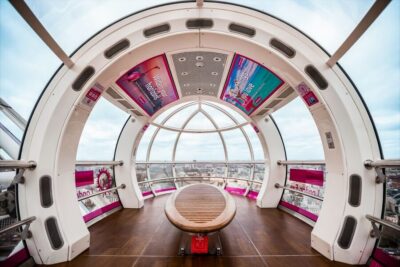 ★ 4.6The London Eye Entry TicketTickets from $3935,875 guest reviews
 ★ 4.7From London: Harry Potter Warner Bros Studio TourTickets from $11726,588 guest reviews
Westminster to Greenwich River Thames CruiseTickets from $2222,836 guest reviews
Magical London: Harry Potter Guided Walking TourTickets from $2022,044 guest reviews
★ 4.7From London: Harry Potter Warner Bros Studio TourTickets from $11726,588 guest reviews
Westminster to Greenwich River Thames CruiseTickets from $2222,836 guest reviews
Magical London: Harry Potter Guided Walking TourTickets from $2022,044 guest reviews
 ★ 4.6Madame Tussauds LondonTickets from $3620,915 guest reviews
 ★ 4.5Stonehenge, Windsor Castle, and Bath from LondonTickets from $11118,662 guest reviews
 ★ 4.7Warner Bros. Studio Tour with TransfersTickets from $14417,586 guest reviews
 ★ 4.7Tower Bridge Entry TicketTickets from $2115,560 guest reviews
Continue by place or experience