
REVIEW · LONDON CITY TOURS
London: Natural History Museum Entry Ticket and Guided Tour
London has a museum that makes you feel small and smart fast. This Natural History Museum guided visit focuses on the biggest hits in just 1 hour, without leaving you staring at your map like it owes you money. You get a reserved entry and a guide who helps you see what matters, from world famous skeletons to the science behind the specimens.
I especially like the scale of the displays you hit on this route, like the Hintze Hall dinosaur and the enormous blue whale skeleton that stretches about 82 feet (25 meters). I also love that the guide doesn’t just point, they explain the stories and the museum’s work of preserving and studying specimens, so the exhibits feel connected instead of random.
One consideration: since this is a short tour, it’s a best of session, not a full museum marathon. If you want to linger for long stretches in one room, you’ll likely want extra time after the tour.
Key highlights you will actually use
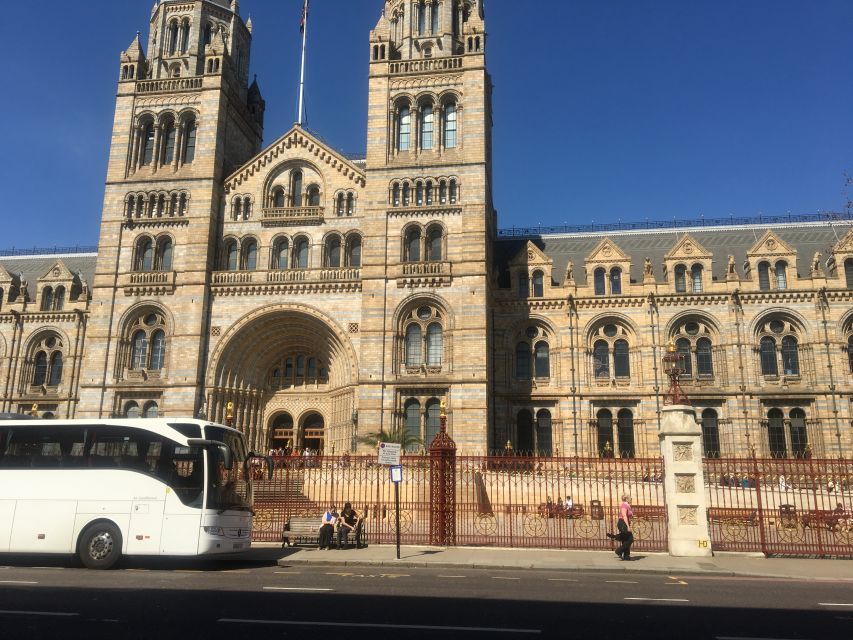
- Fast start at South Kensington, with a set meeting spot so you can focus on the museum, not the search
- Express security, so you spend more time looking and less time waiting
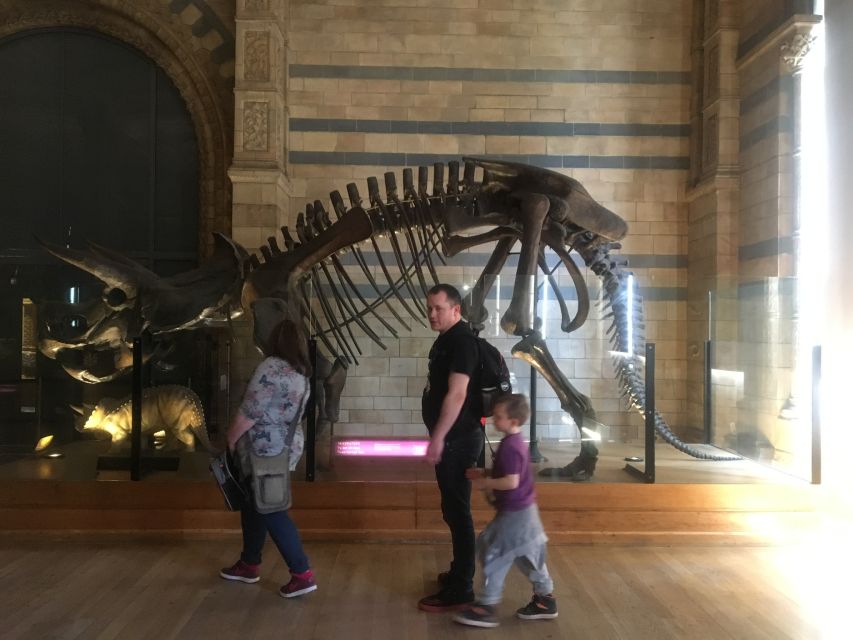
- Hintze Hall scale, including massive dinosaur skeletons plus the long blue whale
- Essential stops in big galleries, from evolution and minerals to volcanoes and earthquakes
- Headsets if needed, so you can keep up even when crowds get loud
- Paul’s style, based on the strongest guide feedback, lots of questions welcome and clear explanations
Why this 1 hour Natural History Museum tour feels worth it
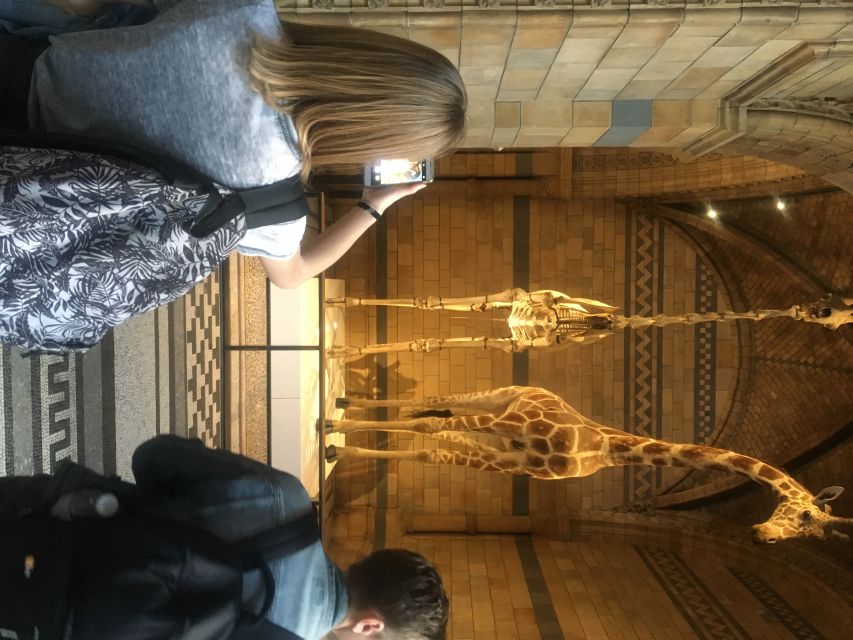
The Natural History Museum is huge. Left on your own, you can easily wander into a few rooms and still miss the moments people come from all over the world to see. This tour solves that problem with a simple plan: hit the big, wow displays, then understand what you’re looking at.
In 1 hour, you are not trying to cover everything. You are getting the right entry points. Think of it like a playlist that tells you why the songs matter, not just the track list. You’ll walk out knowing what to return to later, because the guide points out the best places to spend time if something sparks your curiosity.
You also get headsets to hear the guide if necessary. In a museum this popular, that matters. You can move with your group and still hear explanations, instead of constantly turning your head to catch the next detail.
More London tours and experiences for the shortlist

Getting there: South Kensington Metro to the meeting plate
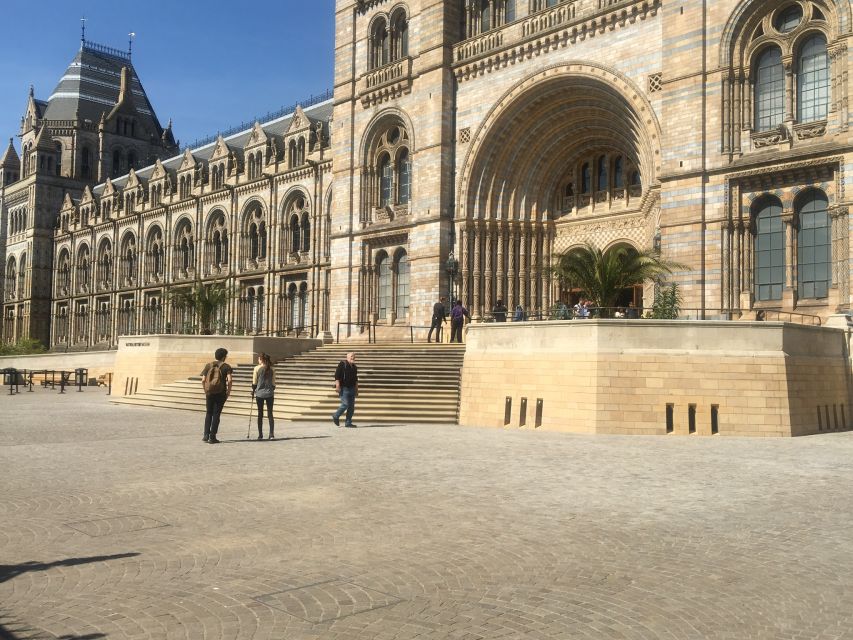
You meet near South Kensington. The plan is straightforward: take the Metro to South Kensington, then use the exit closest to the Natural History Museum area, described as the Natural History Museum Ismaili Centre Exit.
Your meet up point is a metal plate labeled The Royal Borough of Kensington and Chelsea on Exhibition Road SW7. This kind of detail is not fluff. A clear landmark helps you avoid the common stress of arriving early and trying to figure out who is in your group.
Practical tip: show up a little early so you can confirm you are at the correct side of the road. The museum is surrounded by busy streets, and you do not want to start the tour already rushed.
Express security and reserved entry: the part you feel first
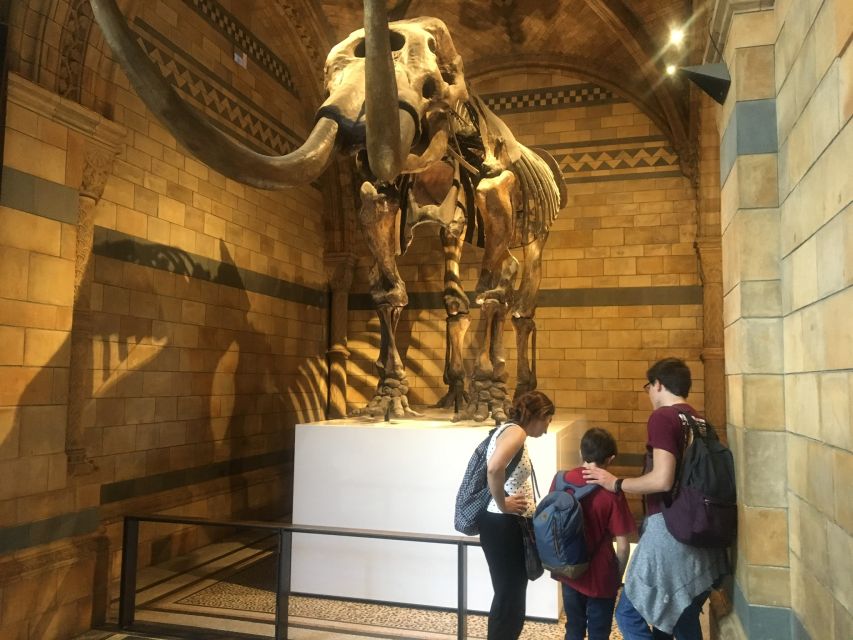
Before you even reach the exhibits, you feel the benefit of a guided format. You get a reservation ticket and you also skip the line through an express security check.
That combination changes the rhythm of your visit. Instead of spending the best part of your day in security queues, you start museum time while your energy is still high. And when you have only 1 hour, starting promptly is everything.
Also note the tour language is English, and it is a live guide, not an audio track. You can ask questions in real time, and the guide can adjust based on what you react to. A lot of people especially liked this Q and A style with guide Paul, who handled lots of questions and kept the explanations clear.
Hintze Hall: where the dinosaurs and blue whale hit hardest
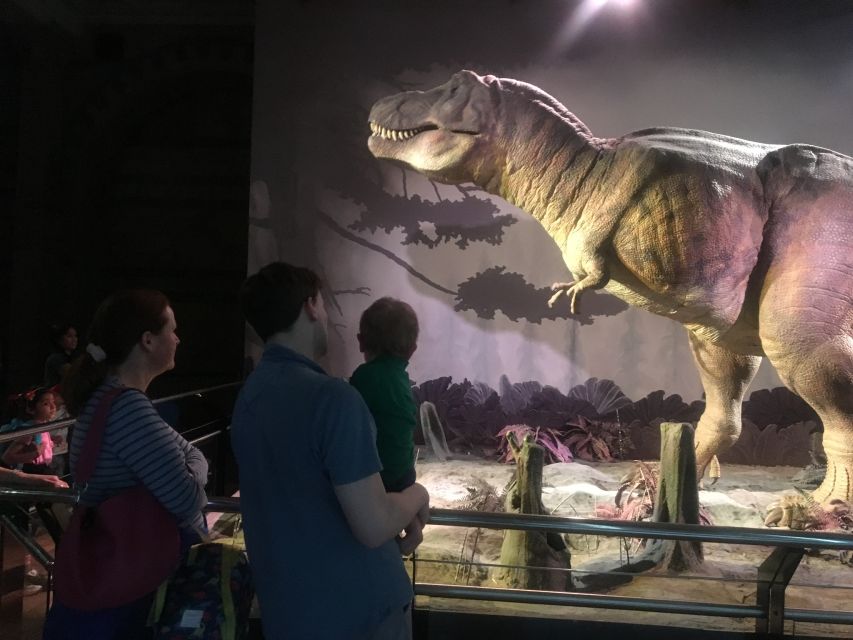
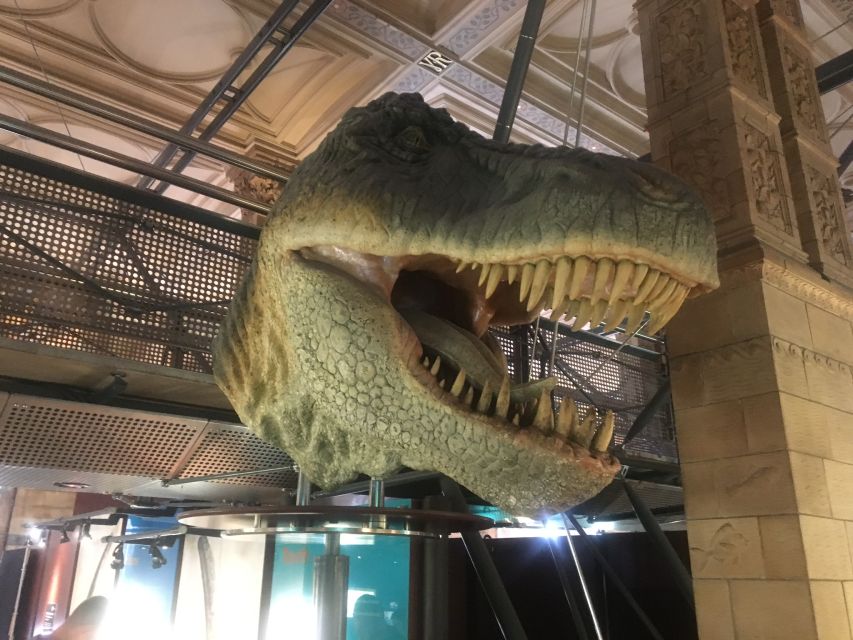
If you only had time to see one area, you would probably aim for Hintze Hall. This is where scale becomes the main character.
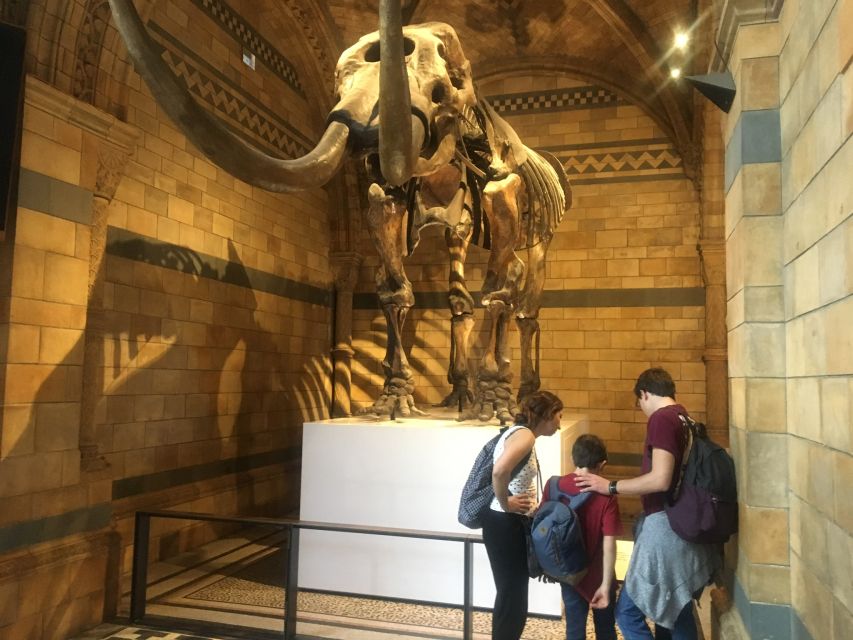
On this tour, you get to the massive dinosaur skeletons in Hintze Hall. Seeing a full skeleton in place is different from looking at photos. Up close, you notice how the museum builds depth and realism, and how your brain tries to guess the animal’s shape and motion even though it’s static.
Then the tour hits another true headliner: the blue whale skeleton, about 82 feet (25 meters) long. This is one of those moments where you automatically lift your eyes and then take a few steps back because it feels too large for a normal building.
Even if you are not a “science person,” the big animals still work. They connect you to the idea that Earth has hosted living giants. The guide’s job here is to put that feeling into context, so the skeleton becomes more than a photo backdrop.
Central Hall to Evolution: from Diplodocus to how life changes
From the high drama of Hintze Hall, the tour moves into other major stops that help you connect the story of life on Earth.
One highlight is the Diplodocus skeleton in the Central Hall. Diplodocus is famous, but the value of seeing it with a guide is what you learn while looking. You’re more likely to catch details about anatomy and the way researchers and museum specialists interpret fossils.
Next comes the museum’s storytelling about how the planet and life evolve. You will explore areas tied to Evolution, plus a stop that points toward the diversity of life. This matters because evolution is easy to hear about and harder to picture. With a guided route, you see the chain of ideas instead of random facts.
The tour also includes time for the museum’s smaller wonders, too, like an intricately detailed butterfly collection. Those spots are important for two reasons. First, they show how the museum cares about living creatures beyond the big skeletons. Second, they give your brain a break from looking up at ceiling height giants.
You can also read our reviews of more guided tours in London



Volcanoes and Earthquakes: the planet as a living system
One of the strongest parts of this tour is that it does not treat geology as a separate topic. You get to the Volcanoes and Earthquakes Gallery, where the museum shifts from creatures to Earth processes.
This is where you start thinking about the planet as active and changeable, not just a backdrop. The guide helps connect the dots between what you see, like rock and mineral displays, and the forces that shape landscapes over time.
If you like explanations, this part is often where guides shine. In the best guide reports, people valued how Paul answered questions and adjusted his explanations when asked for more detail. That question-friendly style makes the geology feel like a conversation, not a lecture you have to endure politely.
Minerals, gems, and the museum’s science behind the scenes
You also get a look at intricate mineral and gem designs. This is another “big and small at the same time” moment. The beauty of minerals is visual, but the point is scientific. You’re seeing patterns formed by Earth’s conditions, not just decorative objects.
A standout value of a guided tour here is how the guide frames the museum’s role. You are not only looking at specimens. You also learn how museum scientists work to preserve and study the displays, and how that research adds to what we understand about the natural world.
That theme shows up in the strongest guide feedback as well, where people praised the balance of essentials plus extra hints for what to revisit later. It helps you leave with direction, instead of feeling like you only got a quick sweep through the most famous rooms.
Wildlife Garden: a quieter payoff after the big halls
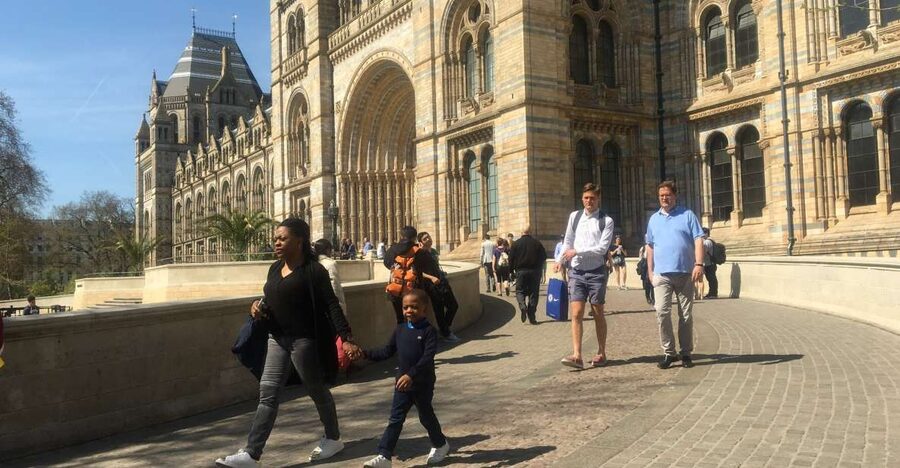
Not every Natural History Museum stop is about skeletons. This tour includes time at the Wildlife Garden, described as a haven for birds, bees, and other animals.
The reason I like this addition is practical. After crowded indoor halls, the garden offers a change of pace. Even if you are moving quickly in the museum, the garden can help you reset your senses.
It also reinforces a key point: the museum is not only about past life in fossil form. It is also about living ecosystems today. You walk out with more of a full picture, because you saw extinct giants and living creatures in the same visit.
Price and value: does $76 buy enough?
At $76 per person for a 1 hour guided experience, you are paying for three things that add real value:
- Your reserved entry and express security, which protects your time.
- A live guide, who explains the story behind what you are seeing, instead of you guessing on your own.
- The best hits in a short window, so you don’t waste your limited time in the museum’s enormous layout.
If you have limited time in London, this is where the price starts making sense. A museum day can turn into a blur, especially if you are trying to plan attractions around meal times and transport schedules. Here, you get structure.
If you have all day and your style is slow wandering, you might not need a guide. But even then, the guide helps you prioritize, so you can spend the rest of your time exactly where you personally care most.
Who this tour suits best, and who should plan differently
This guided visit works well for people who want a clear plan with minimal friction. It is also a strong match if you are visiting with kids who can handle a fast pace. In guide feedback, Paul was praised for engaging with children around ages 7 to 9, keeping the tour interesting without losing adults.
It’s also a good option if you like to ask questions. Several guide reports highlight that Paul answered lots of questions and stayed friendly, which is a sign the guide can adapt to the group’s curiosity level.
One note for families: the feedback also suggests this kind of tour is better with older children, and not a great fit for toddlers. That makes sense. In 1 hour, there is little time for extended stops and repeated explanations.
For anyone with mobility needs, the tour is marked as wheelchair accessible. The guide will route you through rooms with an eye toward making the experience doable, and one account specifically mentioned the guide being understanding about a knee brace and still helping the visitor enjoy the rooms.
Small practical tips so you enjoy the full hour
A guided museum tour is only as good as how you use it. Here’s how to get more out of it:
- Wear shoes you can stand in. You are seeing multiple galleries in a tight time window.
- If you’re interested in one topic, keep a short list in your head. For example, dinosaurs, whales, evolution, or geology. The guide can point you to the most logical places.
- If the guide suggests spots to revisit later, take the hint. This tour is designed to create a “next time” wish list, not replace a longer museum visit.
- Bring a charged phone, just in case you want to save something the guide points out. (No extra details were provided here about photo rules, so treat this as general museum common sense.)
My call: should you book this Natural History Museum tour?
If your London schedule is tight and you want a guided route through the museum’s biggest moments, I’d book it. You get reserved entry, express security, and a real-time guide who helps you understand what you are seeing, including the behind the scenes science of preserving specimens. And the consistent praise for Paul is the kind that usually means the tour is more than just a checklist.
Skip it only if you have plenty of time and you strongly prefer solo wandering with your own pace. In that case, you might get similar value by buying your own entry and focusing on your favorites without a guide.
If you’re balancing the time between seeing London highlights and still want one world-class museum hit, this one is a solid, efficient choice.
FAQ
How long is the Natural History Museum entry ticket and guided tour?
The duration is 1 hour.
What is the price per person?
The price is $76 per person.
Where do I meet the tour guide?
Meet at Metro South Kensington, take the exit for Natural History Museum Ismaili Centre Exit, then meet your guide at the metal plate labeled The Royal Borough of Kensington and Chelsea on Exhibition Road SW7.
What does the tour include?
It includes a guide, a reservation ticket, and headsets to hear the tour guide if necessary.
Is transportation included?
No, transportation is not included.
Is food or drink included?
No, food and drink are not included.
Does the tour let me skip security lines?
Yes. You can skip the line through an express security check.
What language is the live tour guide?
The live tour guide is English.
Is the tour wheelchair accessible?
Yes, the tour is marked as wheelchair accessible.
Is there free cancellation, and can I reserve without paying now?
Yes. There is free cancellation up to 24 hours in advance for a full refund, and you can reserve now and pay later.
More Tickets in London

More Tours in London


More Tour Reviews in London

Not for you? Here's more nearby things to do in London we have reviewed




More London City Tours worth a look.
 ★ 4.6The London Eye Entry TicketTickets from $3935,875 guest reviews
 ★ 4.7From London: Harry Potter Warner Bros Studio TourTickets from $11726,588 guest reviews
Westminster to Greenwich River Thames CruiseTickets from $2222,836 guest reviews
Magical London: Harry Potter Guided Walking TourTickets from $2022,044 guest reviews
★ 4.7From London: Harry Potter Warner Bros Studio TourTickets from $11726,588 guest reviews
Westminster to Greenwich River Thames CruiseTickets from $2222,836 guest reviews
Magical London: Harry Potter Guided Walking TourTickets from $2022,044 guest reviews
 ★ 4.6Madame Tussauds LondonTickets from $3620,915 guest reviews
 ★ 4.5Stonehenge, Windsor Castle, and Bath from LondonTickets from $11118,662 guest reviews
 ★ 4.7Warner Bros. Studio Tour with TransfersTickets from $14417,586 guest reviews
 ★ 4.7Tower Bridge Entry TicketTickets from $2115,560 guest reviews
Continue by place or experience